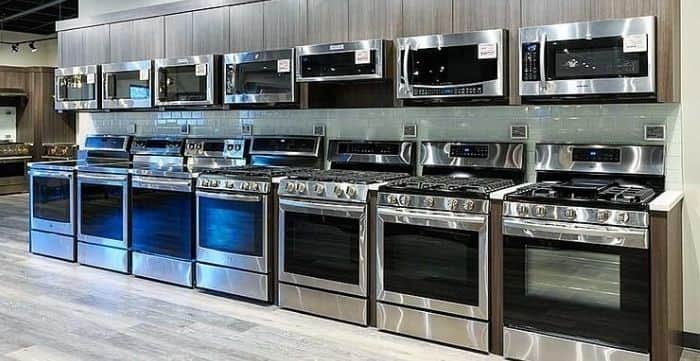
You use your gas range nearly every day. When you’re asking what is the most reliable gas range, you’re really asking which one won’t leave you waiting on a repair technician a year in. The good news: gas ranges are actually one of the more reliable appliance categories overall. The challenge is that brand reputation and real repair data don’t always agree. A lot of buying guides skip the data entirely. Here’s a breakdown grounded in actual service statistics, not just marketing copy.
Key Takeaways
- What is the most reliable gas range brand? Real service data consistently points to GE. Its first-year service rate sits around 4.8%, well below the gas range category average.
- LG and LG Studio post similarly low service rates in industry data. Independent repair technicians are more divided on LG than the numbers alone suggest, though.
- Simpler ranges with fewer electronic features tend to be more reliable than feature-loaded ones from the same brand. There’s simply less that can fail.
- Gas ranges as a category have a lower first-year service rate (around 6.9%) than the average major appliance (around 8.3%).
How Gas Range Reliability Is Actually Measured
To answer what is the most reliable gas range with any confidence, it’s worth knowing where reliability claims actually come from. Not all of them are equally trustworthy. Consumer Reports surveys thousands of its members annually about the appliances they own. It uses that data to build predicted reliability ratings. J.D. Power runs a similar appliance satisfaction and reliability study. Appliance retailers like Yale Appliance also publish their own first-year service-call data. This tracks what percentage of units they sell need a repair visit within twelve months.
These sources mostly agree on the broad strokes. They occasionally diverge on specifics, though, which is worth knowing before you trust any single “most reliable” claim at face value, including this one.
Which Gas Range Brands Are Actually Most Reliable?
Based on recent industry data, GE consistently comes out on top. J.D. Power ranks GE highest for cooking-appliance reliability. Consumer Reports specifically describes GE gas ranges as among the most reliable on the market. Yale Appliance’s 2026 service-call data is based on over 33,000 logged repair visits. It puts standard GE gas ranges at a 4.8% first-year service rate, the lowest of any major brand they track.
LG and LG Studio follow closely behind, with a reported 5.5% service rate in the same data set. That’s where the story gets more interesting. Prudent Reviews interviewed nine independent appliance repair companies. GE was the most recommended brand, but LG and Samsung were the two brands technicians warned against most often. That’s a real contradiction between hard service-call statistics and firsthand repair experience. It’s worth sitting with rather than papering over. One likely explanation: LG’s electronic components may fail less often in the first year that service-call data captures. Technicians report more difficulty and cost when something does eventually need fixing, though.
Whirlpool and KitchenAid also come up frequently as reliable, budget-conscious options. They suit buyers who want simple, no-frills ranges without a lot of smart features.
Simpler Ranges Are Often More Reliable Ranges
Here’s a pattern worth understanding before you shop: more features generally mean more ways for something to break. Yale Appliance’s own data shows standard GE ranges at a 4.8% service rate. The more feature-loaded GE Profile line jumps to 10.1%, more than double. The Profile and Café tiers add smart connectivity, additional cooking modes, and more complex electronic controls. Each of those adds a potential point of failure. If reliability matters more to you than smart features, a simpler, less expensive range from a reliable brand is often the safer bet. It’s not the compromise it might seem like.
Natural Gas vs. Propane: Does It Affect Reliability?
Not meaningfully. A range’s core reliability comes down to its burner design, ignition system, and electronic components, not the fuel type running through it. Most ranges ship configured for natural gas and include a conversion kit for propane use, swapping out the burner orifices to match propane’s higher pressure. As long as the conversion is done correctly, using the manufacturer’s kit rather than improvised parts, propane and natural gas versions of the same model should perform and fail at similar rates.
What Should I Consider When Buying a Gas Range?
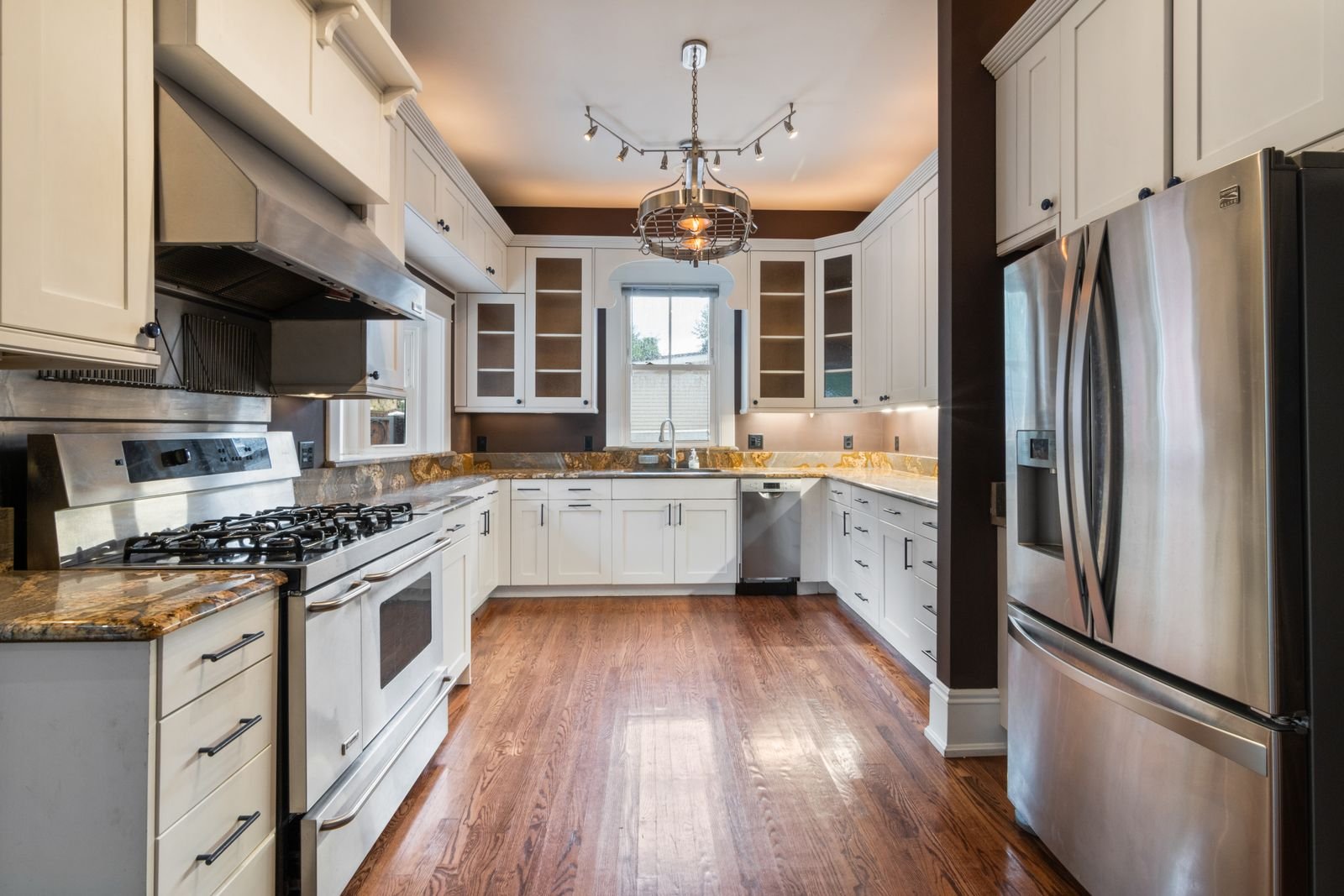
Reliability data narrows the field, but the right range for you also depends on cooking style, kitchen layout, and budget. Here’s what actually matters beyond the brand name.
Cooking Power
Heat output is measured in BTUs (British Thermal Units). You want a range of outputs across your burners, not just one high number. A low-output burner around 5,000 BTU lets you melt butter or keep a sauce warm without scorching it. A high-output burner in the 17,000 to 22,000 BTU range brings water to a boil quickly or sears a steak properly. Most 30-inch ranges include a mix of both across four or five burners.
The Design
Freestanding ranges are the most budget-friendly option and finished on all sides. That makes them flexible for different kitchen layouts. Slide-in and front-control ranges sit flush with your countertops for a more built-in look, with controls on the front instead of the back. They typically cost more and may require a specific cutout width, though.
Available Space
Standard ranges run 30 inches wide. 24-inch and 36-inch models exist too, for smaller kitchens or serious home cooks. Measure your existing cutout carefully before shopping. A model that’s even an inch off can mean an expensive installation headache.
Reliability and Service Network
Beyond the brand’s general reputation, check whether local appliance repair companies actually service that brand in your area. A range with excellent reliability data does you little good if nobody nearby can fix it when something eventually goes wrong. GE’s service network is broad and well-established across most of the U.S. That’s part of why it consistently rates well in real-world buying guides, not just lab tests.
Common Reliability Complaints and How to Avoid Them
Looking at what actually breaks on a gas range, rather than just brand-level statistics, helps explain why simpler models tend to hold up better. Igniters are consistently the most commonly reported issue across every brand. They wear out over time or get fouled by cooking residue and cleaning products, though this is usually a quick, inexpensive fix rather than a major failure. Oven temperature sensors can also drift over years of use, throwing off baking accuracy until they’re replaced. On more feature-loaded ranges, touchscreen control panels and Wi-Fi modules add a category of failure that simpler analog-control ranges don’t have at all.
Most of these issues are minor and repairable rather than reasons to replace the whole appliance, which is part of why gas ranges as a category post lower service rates than more electronics-dependent appliances like refrigerators or dishwashers.
Budget vs. Premium: Does Spending More Buy Reliability?
Not necessarily, and this is one of the more counterintuitive findings in the reliability data. A $1,199 standard GE range posts a lower service rate than a $2,800 GE Profile model from the same manufacturer. The premium price buys smart features, additional cooking modes, and refined styling, not a more dependable core mechanism. If your budget is tight, you’re not sacrificing reliability by choosing the less expensive option, and in some cases you may actually be choosing the more dependable one. Where premium pricing does tend to pay off is in build quality details like grate weight, oven insulation, and door seal quality, which affect cooking performance and longevity even if they don’t show up directly in first-year service statistics.
What Is the Most Reliable Gas Range? Top Picks
These three models reflect the current reliability data along with different budgets and feature sets.
1. GE Standard Gas Range (JGB735 Series)
If reliability and price are your top priorities, GE’s standard freestanding gas ranges are the safest bet in the current data. They start around $1,199. These ranges keep the electronics simple: sealed burners, continuous cast-iron grates, and straightforward analog or basic digital controls, with fewer smart features to fail.
Pros:
- Lowest first-year service rate of any major brand (around 4.8%)
- Widely available parts and service network across the U.S.
- Affordable entry price for the reliability you get
Cons:
- Fewer smart features than premium competitors
- Basic styling compared to slide-in or pro-style ranges
2. LG Studio Slide-In Gas Range (LSGS6338F)
For buyers who want a built-in look and more cooking power without sacrificing much reliability, LG Studio’s slide-in range is a strong option. It posts a 5.5% service rate, close behind GE. It also offers a 22,000 BTU burner, among the most powerful available on a mainstream range, and a true convection oven.
Pros:
- Very powerful burner for searing and fast boiling
- Slide-in design gives a seamless, built-in appearance
- Reliability data is close to GE’s, despite more features
Cons:
- Higher price point than a standard freestanding range
- Some independent repair technicians rate LG less favorably than the service-rate data alone suggests
3. Whirlpool WFG320M0BB
This is the no-frills option. It’s a 30-inch freestanding range with a 15,000 BTU power burner, a 5.0 cubic foot oven, and continuous cast-iron grates. It skips smart features and convection entirely in favor of simple, dependable cooking.
Pros:
- Simple analog controls with fewer parts to fail
- Broad Whirlpool service network
- Budget-friendly price point
Cons:
- No convection cooking
- Fewer burner power options than premium models
Watch: Best Gas Ranges Compared
For a closer look at how current models stack up on cooking performance and features, this video walks through several of the top-rated options.
How to Extend the Life of Any Gas Range
Buying a reliable brand only gets you halfway there. Maintenance habits make a real difference in how long any range lasts.
- Clean the igniters regularly. Most gas cooktops use a shared ignition system, so one dirty igniter can cause every burner to click without lighting. A cotton swab and mild soapy water usually fixes it.
- Don’t ignore a yellow or uneven flame. A healthy burner flame is blue and consistent. Yellow or flickering flames often mean clogged ports that need cleaning.
- Keep the oven vents clear. Blocking the oven’s vents with foil or bakeware can strain the heating element and affect temperature accuracy over time.
- Register your warranty and keep records. Many manufacturers require proof of purchase for warranty service, and having it on hand speeds up any repair claim.
Does Fuel Source Affect How Long a Range Lasts?
Gas ranges tend to have a slight edge over electric coil and smoothtop models in longevity, mainly because the burner mechanism itself, a simple valve and igniter, has fewer moving parts than an electric heating element or induction coil assembly. That said, the gap has narrowed as induction technology has matured, and a well-maintained electric range from a reliable brand can last just as long as a comparable gas model. The bigger factor remains brand and complexity, not fuel type on its own.
Frequently Asked Questions
What is the most reliable gas range brand overall?
Based on current industry service data, GE consistently posts the lowest first-year service rate among major brands, around 4.8%. That makes it the most reliable choice according to real repair statistics.
Is LG a reliable gas range brand?
The data is mixed. LG’s official service-rate statistics are close to GE’s. Independent repair technicians surveyed by industry publications rate LG less favorably than the numbers alone suggest, though. It’s worth weighing both.
Do more features make a gas range less reliable?
Generally, yes. Data comparing standard GE ranges to the more feature-loaded GE Profile line shows more than double the service rate for the higher-feature model. Additional smart features and electronics create more potential failure points.
How many BTUs do I actually need in a gas range?
A mix matters more than one big number. Look for at least one burner in the 5,000 BTU range for low simmering. Look for one in the 15,000 to 22,000 BTU range too, for fast boiling and searing.
Should I buy a freestanding or slide-in gas range?
Freestanding ranges are more affordable and flexible for different kitchen layouts. Slide-in ranges look more built-in and sit flush with your countertops. They usually cost more and require a specific cutout size, though.
How long should a gas range last?
With regular maintenance, most gas ranges last 10 to 15 years. Simpler models with fewer electronic components tend toward the longer end of that range.
How does the most reliable gas range compare to pro-style brands like Wolf or Viking?
Pro-style ranges from brands like Wolf, Viking, and Thermador are built for performance and durability under heavy use, and repair technicians often praise their construction quality. They’re also significantly more expensive, and parts and service tend to cost more when something does need fixing. For most home kitchens, a mainstream brand with strong service-rate data delivers comparable day-to-day reliability at a fraction of the price.
Final Thoughts
So, what is the most reliable gas range for your kitchen? Based on the current data, GE’s standard lineup offers the best combination of low service rates, wide availability, and affordable pricing. LG and LG Studio are close behind on paper. The caveat: repair technicians are more divided on that brand than the service statistics alone suggest. Whichever you choose, a simpler model with fewer smart features from a reliable brand will generally outlast a feature-loaded one. Regular maintenance matters just as much as the brand name on the front.
If you’re still narrowing down your options, our guide to choosing a gas range for your kitchen covers BTU output and burner layout in more detail. Once you’ve bought one, see our guides to installing a gas range and disconnecting one safely. Both cover the setup and swap-out process.

Hey, My name is MAMON. I am a SEO content creator and affiliate marketer with over 8 years of experience. I create honest product reviews, in-depth buying guides, and practical how-to articles to help readers make informed decisions. My mission is to provide trustworthy, research-backed content that delivers real value.
Leave a Reply