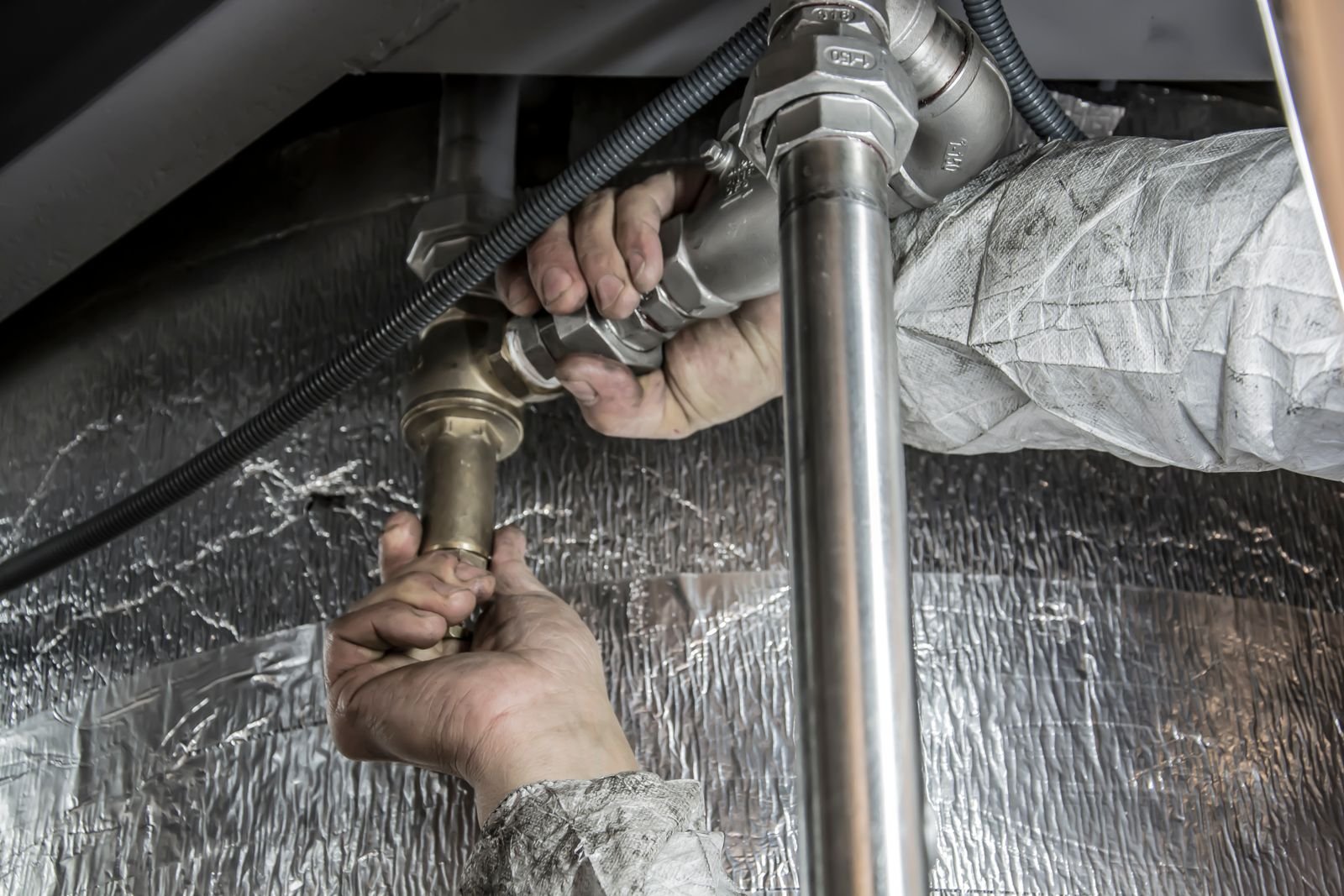
Whether you’re cleaning behind the range, replacing it, or renovating the kitchen, you’ll need to disconnect it at some point. Knowing how to disconnect a gas range safely matters just as much as knowing how to hook one up. A rushed disconnection is one of the more common ways homeowners end up with a gas leak they didn’t expect. This guide walks through the full process, in the right order, so nothing gets skipped.
Key Takeaways
- Learning how to disconnect a gas range safely starts with closing the shutoff valve, not with unscrewing anything.
- Unplug the range’s electrical cord before you start working near the gas connection.
- Cap or plug the open valve immediately after disconnecting, using a fitting rated for gas, not a random plumbing cap.
- Test every connection and cap with a proper leak detection solution before you consider the job finished.
When You Might Need to Disconnect a Gas Range
There are a few common reasons this comes up: a deep clean behind and underneath the range, swapping a damaged connector, replacing the appliance entirely, or clearing the space during a kitchen renovation. Whatever the reason, the disconnection process itself is the same. It’s worth doing correctly every time rather than treating it as a quick shortcut.
What Happens If You Skip a Step
It’s worth understanding why each step in how to disconnect a gas range matters, rather than treating the sequence as arbitrary. Skipping the electrical disconnect leaves a live outlet near a work area where you’re handling metal fittings. Skipping the burner check means you could be disconnecting a line you only assume is off, based on a valve position rather than confirmed fact. Skipping the cap leaves an open, threaded outlet exposed, one accidental bump away from releasing gas into the room. None of these steps takes more than a minute or two, and each one closes off a specific way the job can go wrong.
Disconnecting for a Renovation vs. a Quick Appliance Swap
The steps for how to disconnect a gas range stay the same either way, but the ending point differs. If you’re swapping in a new range right away, you’ll cap the line only briefly. Or you might skip the cap and go straight to reconnecting once the new appliance is in place. If you’re clearing the kitchen for a longer renovation, plan to cap the line properly. Leave it that way for however long the work takes. Either scenario benefits from testing the cap for leaks before you walk away, even if you expect to reconnect within the hour.
Is It Safe to Disconnect a Gas Range Yourself?
For most homeowners, yes. That holds as long as the range already has an accessible shutoff valve and you follow the steps in order. The job doesn’t require specialized tools beyond a couple of wrenches and a leak detection solution. That said, some situations call for a professional. If you can’t locate or access the shutoff valve, if the fittings are seized or corroded, or if your local code requires a licensed plumber for any gas line work, hire one. When in doubt, hiring someone typically runs $50 to $150 for this task, which is a reasonable trade for peace of mind.
What You’ll Need
- Two adjustable wrenches
- A properly rated gas line cap or plug
- Gas-rated pipe thread sealant or yellow PTFE tape
- Non-corrosive, chloride-free leak detection solution
- A flashlight, for checking behind the range
- Furniture sliders or an appliance dolly, to protect the floor
- Work gloves, since flexible connectors can have sharp edges after years of use
How to Disconnect a Gas Range Safely: Step by Step
Step 1: Ventilate the Space and Unplug the Range
Open a window or door nearby for airflow. Unplug the range’s power cord before touching anything gas-related. Most ranges run the igniter and control board on standard household power. Disconnecting it first removes any spark risk while you work.
Step 2: Locate and Close the Shutoff Valve
The shutoff valve is typically behind the range, sometimes low near the floor or inside a base cabinet. Turn it a quarter turn until it sits perpendicular to the pipe. That position means it’s closed. If the valve is stiff or you can’t find it at all, stop here and call a professional rather than forcing it.
Step 3: Confirm the Gas Is Actually Off
Before disconnecting anything, try to light a burner briefly. If it won’t light, that confirms the valve is doing its job. A gas leak detector, if you have one, works too. Skipping this check is how people end up disconnecting a line that’s still live.
Step 4: Pull the Range Away From the Wall
With the gas confirmed off, carefully slide the range forward to access the connection point. Move slowly to avoid kinking the flexible connector or scratching the floor. If it’s tight against a cabinet, you may need to clear that cabinet first for room to maneuver.
Step 5: Disconnect the Flexible Connector
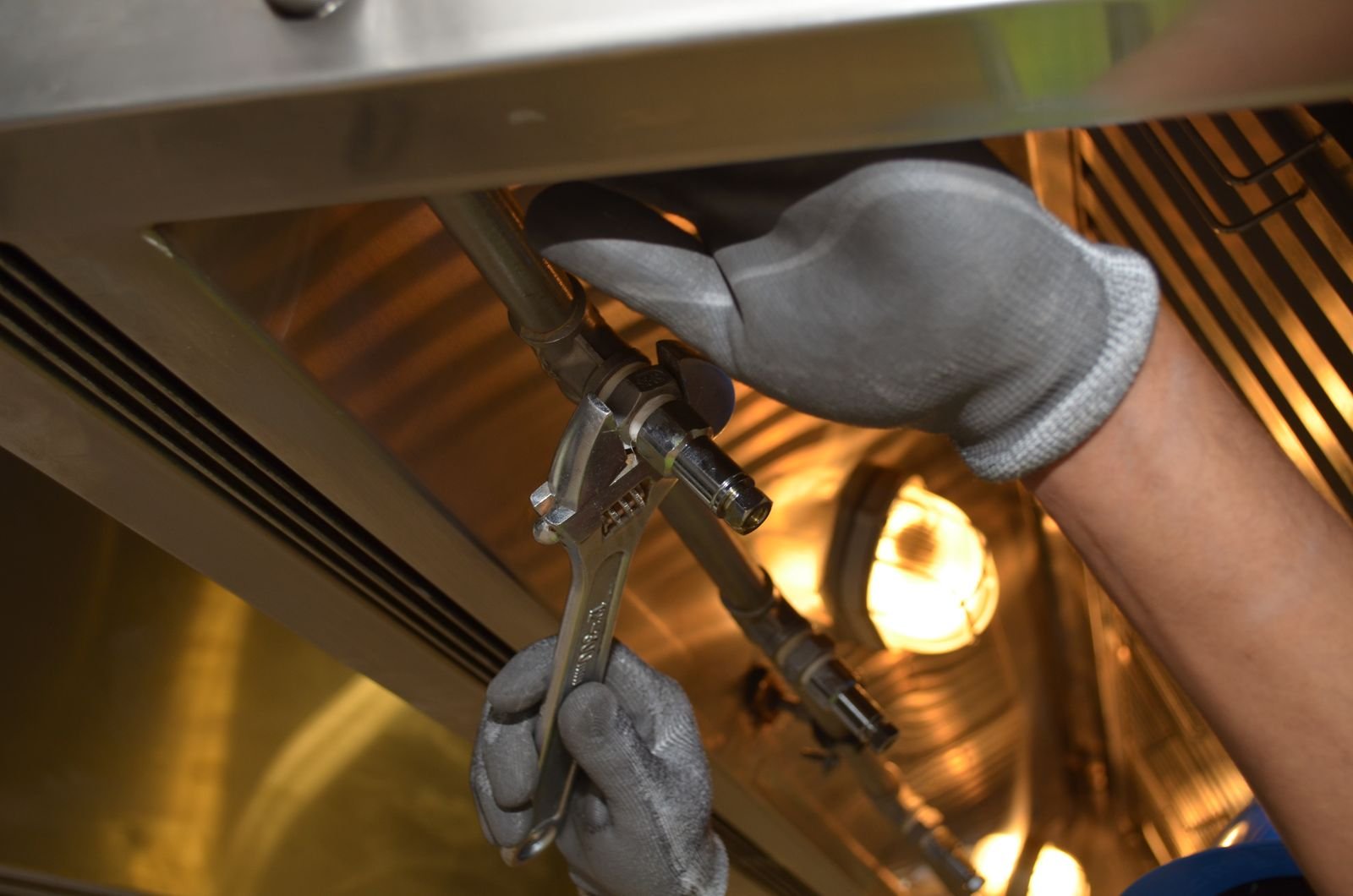
Use two wrenches for this part: one to hold the shutoff valve steady, the other to loosen the connector nut. This two-wrench technique keeps you from twisting or stressing the rigid supply pipe behind the valve. Once loose, fully unscrew the connector from both the valve and the range, and set it aside.
Step 6: Cap or Plug the Open Valve Immediately
An open gas valve outlet needs to be sealed right away, even though the valve itself is closed. Use a properly rated pipe cap or plug, sized to match the valve’s threads. Apply gas-rated thread sealant or yellow tape before screwing it on. According to Angi’s guide to capping gas lines, this step protects against an accidental leak if the valve ever gets bumped open.
Step 7: Test the Cap and Every Connection for Leaks
Turn the shutoff valve back to the open position briefly. Apply a non-corrosive, chloride-free leak detection solution to the cap and any connection you touched, and watch for bubbles. If you see any, shut the valve again, retighten or reapply sealant, and test once more. Once you’re satisfied there’s no leak, close the shutoff valve again. Do this if the range will stay disconnected for any length of time.
Step 8: Move the Range Without Damaging the Floor
Slide furniture sliders or a proper appliance dolly under the range’s front legs before pulling it the rest of the way out. This protects both the flooring and your back, since a full-size range can weigh well over 150 pounds.
Watch: A Full Walkthrough of Disconnecting a Gas Range
Seeing the shutoff valve, connector removal, and capping steps in sequence helps make the process click.
How Long Can You Leave a Gas Line Capped and Disconnected?
Indefinitely, as long as the cap is properly rated and installed with the correct sealant. A capped, closed line sitting behind a wall or cabinet during a renovation isn’t a safety concern on its own. The risk comes from a poor-quality cap, a rushed seal, or a skipped leak test. It doesn’t come from the amount of time the line stays disconnected. If you’re planning to leave it capped for weeks or longer, do a quick visual and smell check periodically. Treat it the same as any other part of your home’s gas system. If you ever notice a faint gas odor near a capped line that wasn’t there before, treat it as a real leak and address it immediately rather than assuming the cap is fine because it was fine before.
Common Mistakes to Avoid
- Disconnecting before confirming the gas is off: Always verify at the burner or with a detector, not just by feel on the valve.
- Skipping the cap: A closed valve alone isn’t a substitute for a properly sealed cap on the open line.
- Using the wrong cap: Grab a fitting rated for gas service, not a generic plumbing cap meant for water lines.
- Forgetting to unplug the range first: Electrical safety matters just as much as gas safety during this process.
- Reusing the old connector on a new range: Flexible connectors are rated for a single installation and shouldn’t be reused, even if they look fine.
- Dragging the range across the floor: Use sliders or a dolly to avoid gouging tile, hardwood, or vinyl.
Frequently Asked Questions
Can I disconnect a gas range myself?
In most cases, yes, if the shutoff valve is accessible and in good working condition. If the valve is seized, hard to locate, or your local code requires a licensed professional, call one instead.
What’s the first step in how to disconnect a gas range safely?
Ventilate the space and unplug the range’s power cord, then locate and close the shutoff valve before touching any fittings.
Do I need to cap the gas line after disconnecting the range?
Yes. Even with the shutoff valve closed, capping the open line with a properly rated fitting adds a layer of protection. It guards against an accidental leak if the valve is ever bumped or opened by mistake.
How do I know if the gas is really off before disconnecting?
Try lighting a burner briefly after closing the valve. If it won’t light, or if a gas detector confirms no flow, you’re clear to proceed with the disconnection.
Is it expensive to hire someone to disconnect a gas range?
Typically $50 to $150, depending on your area and the complexity of the job. That’s a reasonable cost if you’re not comfortable doing it yourself or your local code requires a professional.
Can I reuse the old flexible connector when I reconnect a new range?
No. Connectors are designed for a single installation. Always use a fresh, properly sized connector when you reconnect or install a replacement range.
What tools do professionals use to disconnect a gas range?
Licensed plumbers typically use the same basic tools a homeowner would. That includes two adjustable or pipe wrenches, a rated cap and thread sealant, and a leak detection solution or electronic gas sniffer. What professionals add is experience recognizing corroded fittings, seized valves, or code issues that aren’t obvious to a first-time DIYer.
Final Thoughts
Knowing how to disconnect a gas range safely comes down to sequence: unplug the power, close the valve, confirm the gas is off, then disconnect and cap. Rushing past any one of those steps is where most DIY mistakes happen. Follow them in order and test your work with a proper leak solution. You’ll have the range disconnected without any surprises.
If you’re reconnecting a new appliance afterward, our guide to how to install a gas range covers that process step by step. Still deciding on a replacement? See our guide to choosing a gas range for your kitchen and what a dual fuel range offers before you buy.

Hey, My name is MAMON. I am a SEO content creator and affiliate marketer with over 8 years of experience. I create honest product reviews, in-depth buying guides, and practical how-to articles to help readers make informed decisions. My mission is to provide trustworthy, research-backed content that delivers real value.
Leave a Reply