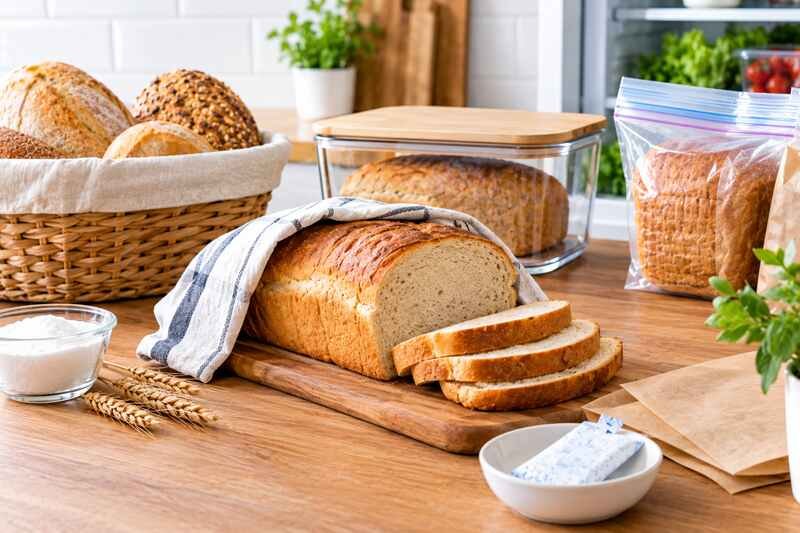
Bread mold shows up faster than most people expect, sometimes within two or three days on a warm kitchen counter. Once you see those first fuzzy green, white, or black spots, the rest of the loaf is usually not safe to eat. Even the parts that still look fine can be affected. Knowing how to keep bread from getting moldy comes down to controlling three things mold needs to grow. Those things are moisture, warmth, and airborne spores that are already present almost everywhere in a normal kitchen.
The good news is that a few simple storage choices can add days, or even months, to how long a loaf stays fresh and mold-free. This guide walks through the best storage methods for different bread types. It also explains why the refrigerator often backfires, and covers what to do if mold does show up.
Key Takeaways
- Refrigerating bread makes it go stale up to six times faster than storing it at room temperature. This happens through a process called starch retrogradation, even though cold does slow mold growth.
- Freezing is the best long-term option. Wrapped tightly, most bread keeps its quality in the freezer for about three months, according to King Arthur Baking.
- If mold appears anywhere on a loaf, USDA food safety specialist Marianne Gravely recommends throwing out the entire loaf, not just the visibly moldy slices.
- For bread you will finish within two to three days, a bread box, paper bag, or other breathable wrap at room temperature keeps texture and flavor best. It still slows mold better than a sealed container.
The video below walks through several common storage methods side by side. It is a useful visual companion to the comparison in the next section.
How to Keep Bread From Getting Moldy
There is no single storage method that works for every loaf. The right choice depends on a few factors: how quickly you plan to eat the bread, what kind of bread it is, and how much counter or freezer space you have. The table below breaks down the most common options side by side.
| Storage Method | Best For | Keeps Bread Fresh For |
|---|---|---|
| Bread box | Crusty loaves eaten within a few days | 2-3 days |
| Paper bag or breathable wrap | Artisan or bakery bread | 1-2 days |
| Plastic bag or airtight container | Soft sandwich bread | 3-4 days |
| Freezer, wrapped airtight | Long-term storage | Up to 3 months |
| Refrigerator | Not recommended | Stales fastest |
Determine The Kind of Bread
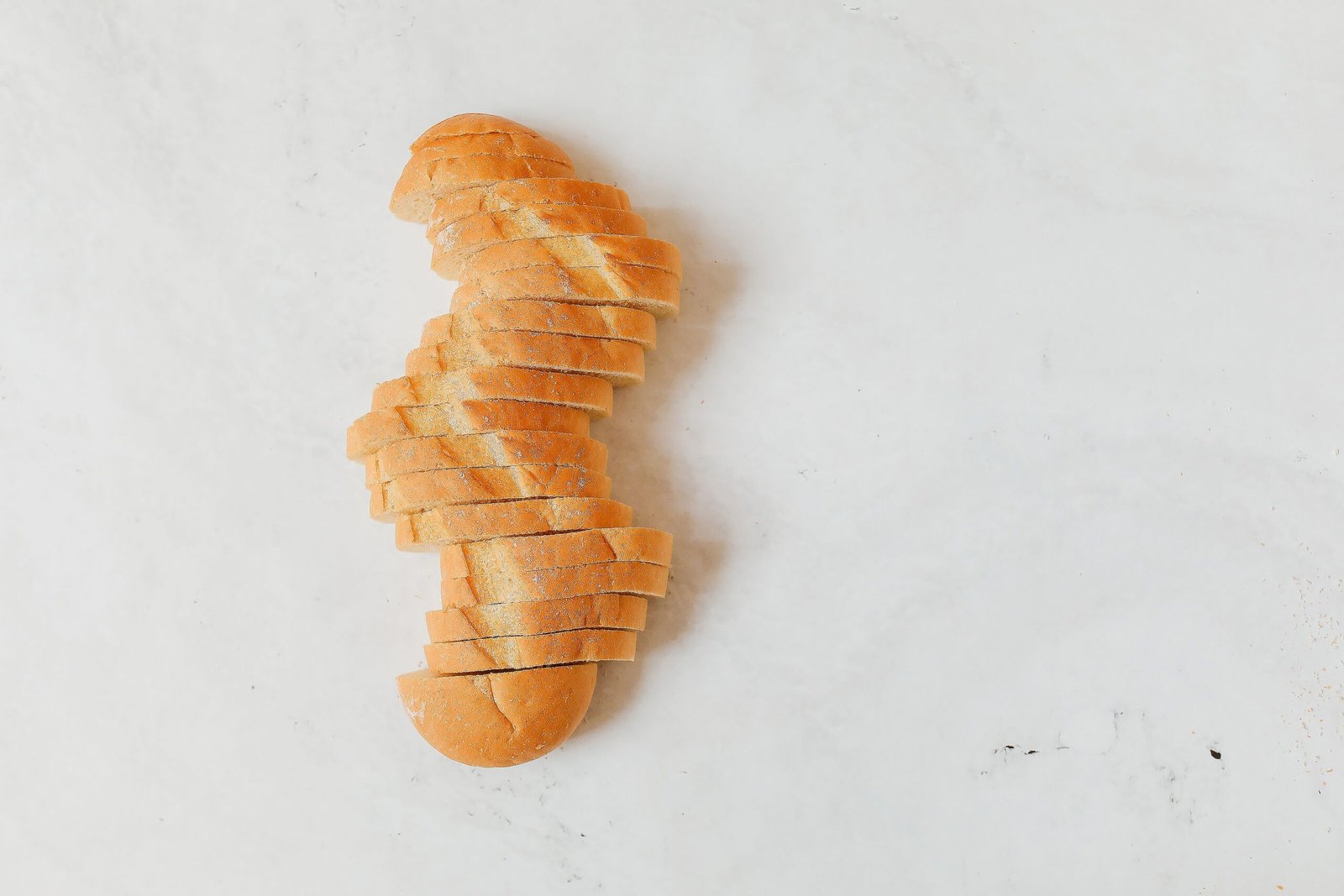
Lean breads, like a French baguette or a basic sandwich loaf, are made with just flour, water, yeast, and salt. They go stale quickly but resist mold a bit longer because they hold less moisture. Enriched breads, like brioche, challah, or milk bread, contain butter, eggs, or milk. These ingredients keep the crumb soft longer, but they also give mold more to work with. Knowing which category your loaf falls into helps you pick the right storage window from the table above.
Wrap The Bread in Plastic or Aluminum Foil
For soft sandwich bread you plan to finish within three or four days, a snug wrap of plastic or foil holds in moisture and keeps the crust from drying out. Push out as much air as possible before sealing. Trapped air pockets encourage condensation, and condensation is exactly the kind of moisture mold spores need to take hold.
Package The Bread in a Breadbox
A ventilated bread box strikes a middle ground between a fully sealed container and open air. It blocks direct light and keeps the surface from drying out too fast. At the same time, it still lets a small amount of airflow escape so condensation does not build up on the crust. This makes it one of the better everyday options for crusty artisan loaves eaten within two or three days.
Freeze Your Bread
Freezing is the most reliable way to stop mold entirely, since mold cannot grow at freezer temperatures. Slice the loaf first so you can pull out only what you need. Wrap it tightly in plastic wrap, then place it in a freezer bag with the air pressed out. According to King Arthur Baking’s guide to freezing bread, most loaves keep their texture and flavor for about three months this way. Thawing individual slices at room temperature, or in a toaster, takes only a few minutes.
Place The Bread in a Cool, Dry, Dark Place
Heat and light both speed up staling and give mold spores a better environment to grow in. A pantry shelf or a cabinet works well for this. Somewhere away from the stove, dishwasher, or a sunny window is almost always a better spot than an open counter near appliances that generate warmth.
Use Reusable Bread Bags
Cloth or beeswax-lined reusable bread bags are a middle-ground option between a paper bag and a fully sealed plastic bag. They allow a little airflow, which helps prevent condensation from building up. At the same time, they still offer more protection from dust and pests than leaving a loaf uncovered on the counter.
Seal The Bread in an Airtight Container
For soft, already-sliced sandwich bread, an airtight container or resealable bag slows staling more effectively than a bread box. This bread type has less crust to protect and more crumb that dries out quickly. Just remember this method trades a slightly softer, moister crumb for a shorter mold-free window than freezing.
Why Does Bread Get Moldy in the First Place?
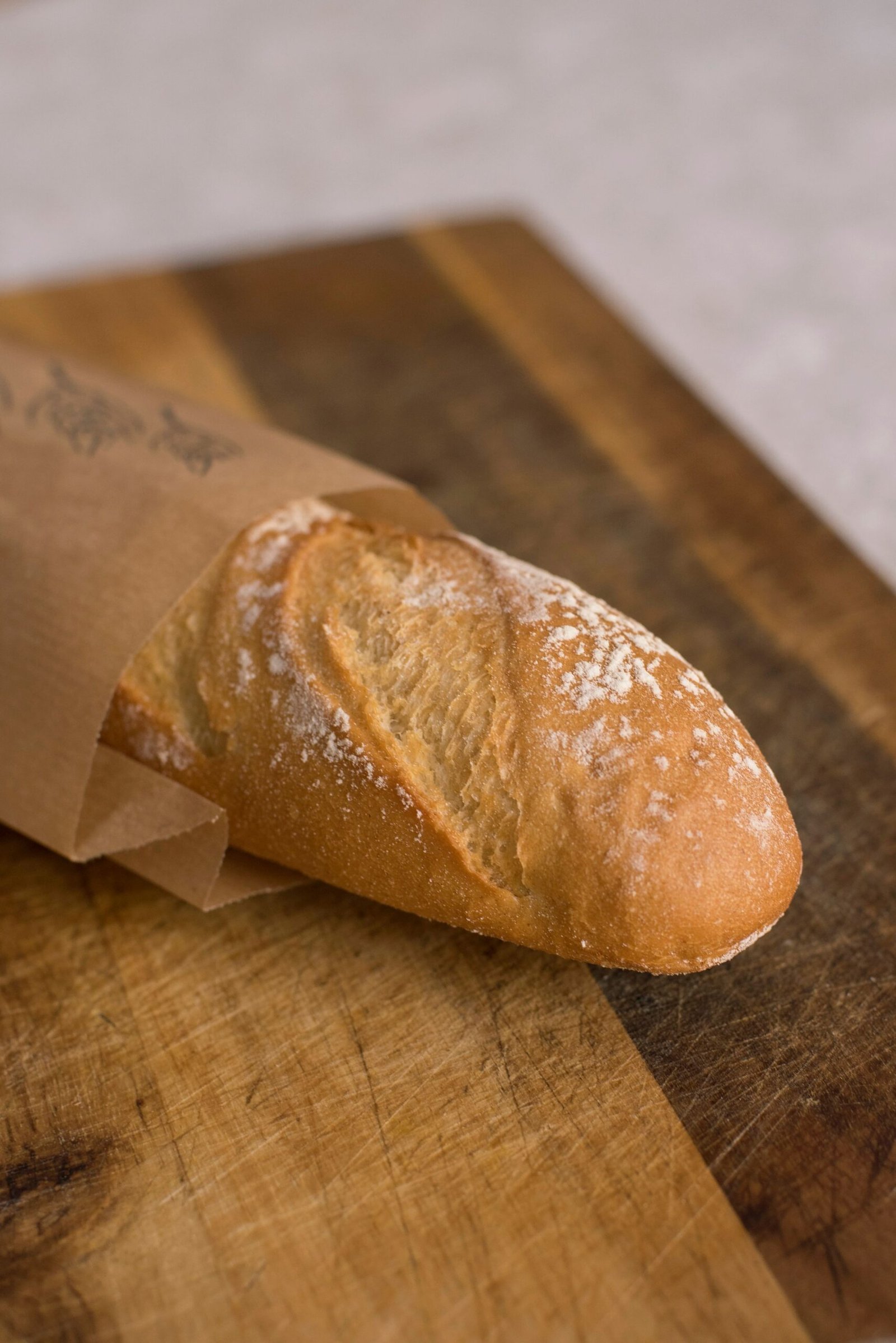
Mold needs three things to grow: moisture, a food source, and warmth. Bread checks all three boxes easily. It is naturally soft, starchy, and usually stored somewhere between room temperature and a warm kitchen. Mold spores are already floating in nearly every kitchen environment. The real question is never whether spores are present, only whether the conditions on your loaf let them germinate.
This is also why the refrigerator is a trap many people fall into. Cold temperatures do slow mold growth somewhat. But they also accelerate a separate process called starch retrogradation, where the starch molecules in bread recrystallize and squeeze out moisture. That is what makes refrigerated bread turn dry and gritty roughly six times faster than bread left at room temperature. In other words, the fridge trades a small reduction in mold risk for a much faster decline in taste and texture. That tradeoff is exactly why room-temperature storage or freezing are almost always better choices for anyone wondering how to keep bread from getting moldy without ruining its texture in the process.
Is It Safe to Eat Moldy Bread?
No. According to the USDA’s Food Safety and Inspection Service, mold sends thread-like roots deep into soft foods like bread, far beyond what is visible on the surface. Cutting off a moldy spot does not remove what has already spread underneath. Some molds also produce mycotoxins. These are compounds that can cause allergic reactions or respiratory problems in sensitive individuals.
USDA food safety specialist Marianne Gravely put it plainly in an interview with NPR. When you see mold on a soft food like bread, the safest move is to throw out the whole loaf, not just the slice with visible spots. This is different from firm foods like hard cheese or carrots. Cutting around a moldy section with a wide enough margin can be acceptable there, since mold spreads more slowly through dense, low-moisture foods.

Storage Mistakes That Speed Up Mold Growth
A few habits make mold show up faster than it needs to, even when the storage method itself is reasonable. Leaving a bag only loosely closed lets in extra moisture from the air, especially in humid kitchens or during summer months. Storing bread directly next to a stove, toaster, or sunny window adds warmth that speeds up spore growth. Slicing bread with a knife that has not been washed after cutting other foods can introduce spores or bacteria straight into the crumb. Reusing a bread bag or bread box without wiping it out between loaves is another common mistake. Crumbs and moisture build up over time, giving new spores an easy foothold before the next loaf even arrives.
Buying bread in smaller quantities that match how quickly your household eats it is one of the simplest fixes. A large discount loaf that sits half-finished for a week is far more likely to mold than two smaller loaves purchased a few days apart. Keep the second loaf in the freezer until it is needed, and it will stay fresh well past when the first one would have started to turn.
Products That Help Keep Bread Fresh Longer
A few inexpensive tools make it easier to put these storage habits into practice. A ceramic or bamboo bread box with small ventilation holes handles day-to-day loaves better than an open counter. Silicone or beeswax bread bags give artisan loaves some breathability while still keeping out dust and crumbs. A simple bag clip or twist tie makes it far easier to press air out of a plastic bag before sealing it, which matters more than the bag itself for slowing condensation. None of these need to be expensive. A tight seal and the right amount of airflow for the bread type matter far more than the price tag on the container.
Frequently Asked Questions
Does the fridge really make bread mold faster or just go stale faster?
The refrigerator actually slows mold growth slightly compared with room temperature. The tradeoff is staleness: cold temperatures speed up starch retrogradation, the process that dries out and hardens bread, so refrigerated bread typically turns stale and gritty well before it would show mold at room temperature. For most households, that faster staling makes the fridge a poor choice even though mold risk is technically lower.
Can I just cut the mold off and eat the rest of the loaf?
No. Mold’s visible spots are only part of a larger network of roots that can extend throughout a soft, porous food like bread. The USDA recommends discarding the entire loaf once mold appears anywhere on it, rather than trying to salvage the unaffected-looking sections.
How long does bread actually last in the freezer?
Most wrapped bread keeps good texture and flavor in the freezer for around three months. Gluten-free bread is more delicate and is best used within about a month of freezing, since its structure tends to break down faster after thawing.
What is the best way to store bread if I will eat it within a few days?
A bread box or a breathable bag, such as paper or a cloth bread bag, at room temperature is usually the best balance of freshness and mold prevention for bread that will be eaten within two to three days.
Does the type of bread change how I should store it?
Yes. Lean breads like baguettes do best in a bread box or paper bag since they have less moisture for mold to use. Enriched breads with butter, eggs, or milk stay fresher longer in a sealed bag or container because they dry out faster, but they also need more frequent checking since their higher moisture content can support mold growth a little sooner.
Conclusion
Keeping bread mold-free is mostly about matching the storage method to how quickly you will eat the loaf. For bread that will disappear within a few days, a bread box or breathable bag at room temperature works best. For anything that will sit longer, the freezer beats the refrigerator every time, both for preventing mold and for preserving texture. And if mold does appear, the safest choice is always to throw out the whole loaf rather than trying to save part of it. A little attention to how and where bread is stored is really the whole answer to how to keep bread from getting moldy without sacrificing freshness along the way.
For more kitchen storage guidance, see our guides on where to store bread in the kitchen, how to wrap meat for freezing the right way, how to keep sandwiches from getting soggy, and how a bread maker works if you bake your own loaves at home.

Hey, My name is MAMON. I am a SEO content creator and affiliate marketer with over 8 years of experience. I create honest product reviews, in-depth buying guides, and practical how-to articles to help readers make informed decisions. My mission is to provide trustworthy, research-backed content that delivers real value.
Leave a Reply