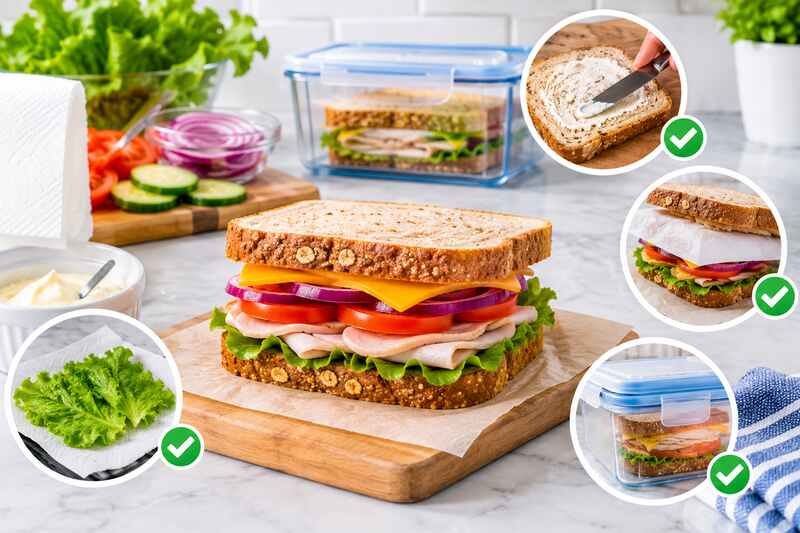
Nothing ruins a good sandwich faster than soggy bread. If you’ve ever wondered how to keep sandwiches from getting soggy, you’re not alone. Whether you’re packing lunch for work, school, or a picnic, keeping sandwiches crisp until mealtime is a common challenge.
Wet fillings, moist spreads, and long storage times can turn a great sandwich into a limp disappointment. The good news is that how to keep sandwiches from getting soggy comes down to a few smart choices in your bread, layering, and packing.
Key Takeaways
- Bread soaks up moisture through capillary action, not osmosis. Denser, crustier breads resist it better than soft white bread.
- Learning how to keep sandwiches from getting soggy mostly comes down to layering order and drying your wet ingredients first.
- Fatty spreads like butter, mayo, and hummus act as barriers. Watery condiments do not.
- Skip plastic wrap and foil for longer storage. Parchment paper, wax paper, and beeswax wrap breathe better.
- When in doubt, pack wet ingredients separately and assemble right before eating.
Why Do Sandwiches Get Soggy?
Sandwiches get soggy mainly because moisture moves from wet ingredients into dry bread. Bread is full of tiny air pockets left behind from baking. Those pockets act like miniature tubes. Liquid gets pulled into them through capillary action, the same force that lets a paper towel wick up a spill.
This isn’t the same thing as osmosis, despite what you may have read elsewhere. Osmosis describes water moving across a membrane toward a higher concentration of dissolved solids. That’s closer to what happens inside bread dough during fermentation. Sogginess in a finished sandwich is simpler: wet ingredients touch porous bread, and the bread wicks up the moisture.
A few other factors make it worse. Condensation can form inside airtight containers when temperatures shift, adding extra moisture on top of what the fillings already contribute. And the longer a sandwich sits, the more time moisture has to travel. Soft white bread absorbs liquid fastest. Denser breads like baguettes resist it far longer.
Choosing the Right Bread
Bread is your first line of defense. Some varieties hold up far better than others against moist fillings.
| Bread Type | Soggy Risk | Best For |
|---|---|---|
| White Sandwich Bread | High | Dry fillings |
| Whole Wheat Bread | Medium | Mixed fillings |
| Baguette | Low | Wet fillings |
| Ciabatta | Low | Wet fillings |
| Bagel | Medium | Hearty fillings |
| Flatbread/Pita | Medium | Wraps, gyros |
Dense breads like baguettes and ciabatta have a thick crust and a tighter crumb. That makes them ideal for juicy fillings. Bagels and whole wheat bread offer more resistance than plain white bread, though less than a true crusty loaf.
Tips for Bread Selection
- Pick a bread with a thick crust when your fillings are wet.
- Skip very soft or thin breads for sandwiches you’re packing ahead.
- Slice your own bread a little thicker than pre-sliced loaves for extra buffer.
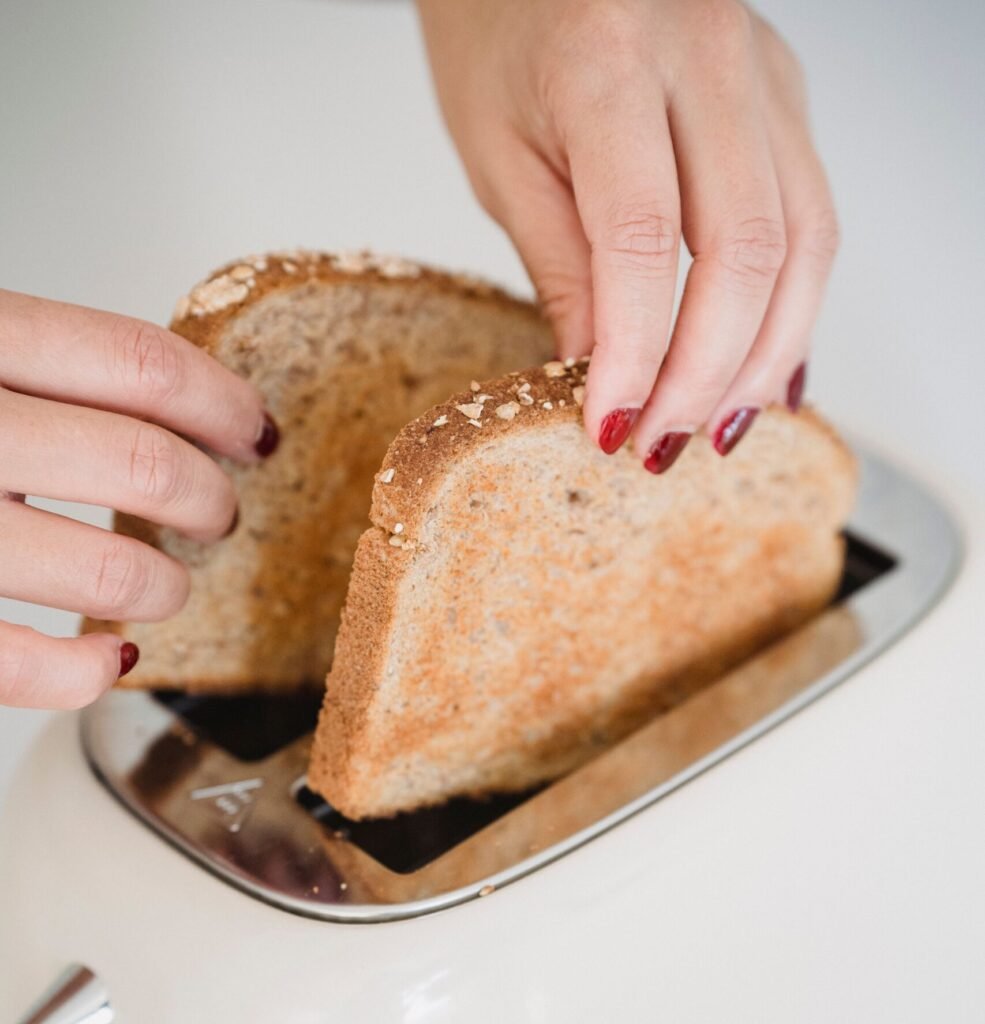
Many people skip toasting because they worry the bread will dry out. But according to Food Republic, you only need to toast one side. Use the toasted side facing in, against the fillings. The outside stays soft while the inside blocks moisture.
Layering Techniques to Block Moisture
How you assemble a sandwich matters as much as what goes in it. Smart layering keeps wet fillings away from the bread itself.
Build a Moisture Barrier
Use ingredients that separate bread from wet fillings:
- Cheese slices: Place a slice next to each piece of bread. Cheese barely absorbs moisture and blocks other fillings from reaching the bread.
- Leafy greens: Spinach, lettuce, or arugula can separate wet fillings from bread. Dry the greens thoroughly first.
- Deli meat: Ham and turkey hold far less moisture than vegetables. Place them closest to the bread.
A Reliable Layering Order
- Bread, toasted side in
- Cheese slice
- Leafy greens
- Meat
- Wet fillings (tomato, cucumber)
- Spread or sauce
- Cheese slice
- Bread
This order keeps the worst offenders, juicy tomatoes and pickles, away from direct bread contact on both sides.
Choosing the Right Fillings and Spreads
Some fillings are naturally wetter than others. Knowing which ones cause trouble helps you plan ahead.
| Ingredient | Moisture Level | Tips to Reduce Sogginess |
|---|---|---|
| Tomatoes | Very High | Salt slices briefly to draw out water, then pat dry |
| Cucumbers | High | Peel, remove seeds, pat dry |
| Lettuce | Medium | Use whole leaves, dry thoroughly |
| Pickles | High | Blot dry, or chop and mix into mayo to bind the liquid |
| Cheese | Low | Use as a moisture barrier |
| Deli Meat | Low | Pat dry with a paper towel first |
| Egg Salad | Very High | Pack separately, add just before eating |
| Mayonnaise | Moderate | Use a thin layer between drier ingredients |
For briny toppings like pickles or olives, one America’s Test Kitchen trick is chopping them and mixing in a spoonful of mayonnaise. The mayo binds the leftover moisture.
Salting tomato slices for a few minutes before patting them dry pulls out a surprising amount of water, the same principle bakers use in a fruit pie.
Smart Spread Strategies
Not every spread behaves the same way. Condiments with real fat content, like butter, mayonnaise, cream cheese, and hummus, act as barriers because fat repels water. Watery condiments, like most vinaigrettes or thin mustards, add moisture instead of blocking it.
- Apply spreads in a thin, even layer.
- Put them against cheese or meat rather than bare bread when possible.
- For extra protection, spread on both bread slices to seal the surface on each side.
Butter is the classic trick behind English tea sandwiches. A thin coat keeps bread dry for hours, even with delicate fillings like cucumber.
Packing and Storage Methods
How you pack and store a finished sandwich can matter as much as how you built it. The goal is limiting moisture migration and avoiding condensation.
Pick the Right Wrap
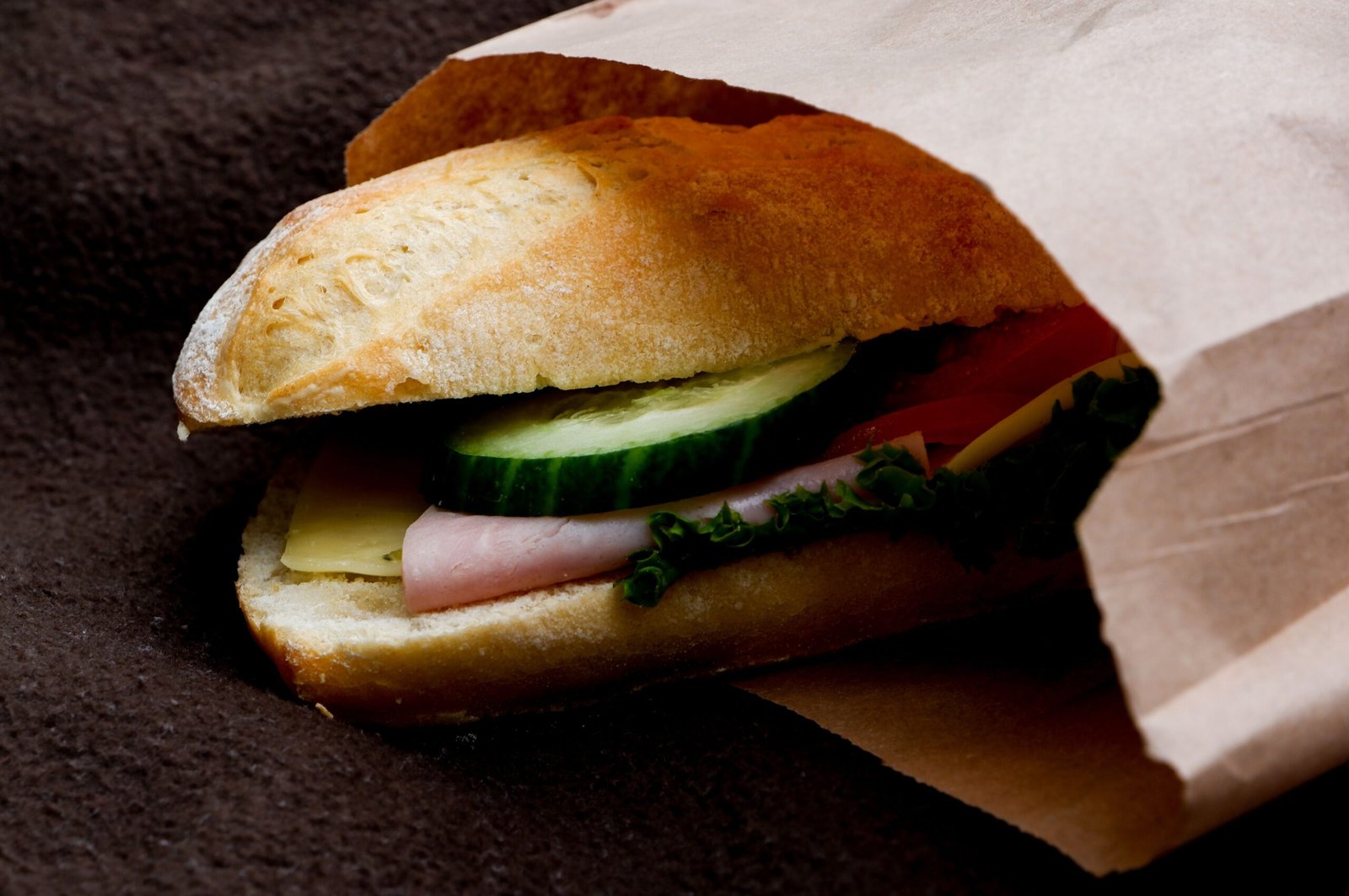
According to Tasting Table, plastic wrap and aluminum foil are actually poor choices for sandwiches with wet fillings. Both trap moisture and restrict airflow, which locks dampness in rather than letting it escape.
Parchment paper, wax paper, and reusable beeswax wrap breathe better. They wick moisture away from the bread instead of trapping it against the surface, while still holding the sandwich together.
Refrigeration Tips
Refrigeration slows spoilage. It can also cause condensation, especially once you take a sandwich back out into a warmer room.
- Let hot or warm ingredients cool to room temperature before assembling.
- Store in a container lined with a paper towel to absorb stray moisture.
- When possible, pack ingredients separately and assemble the sandwich later.
| Storage Method | Best Use |
|---|---|
| Parchment or wax paper | Short-term storage, mixed fillings |
| Container lined with paper towel | Wet fillings, longer storage |
| Plastic wrap or foil | Dry fillings only, eaten soon |
| Unwrapped in the fridge | Not recommended |
Timing: When to Make Your Sandwich
Timing affects freshness more than most people realize. If you’re eating within an hour or two, almost any sandwich stays crisp. For longer stretches, like a four to eight hour workday, extra care matters.
Make-Ahead Strategies
- Prepare fillings and bread separately the night before.
- Assemble just before eating whenever that’s realistic.
- For office lunches, keep spreads and juicy fillings in small separate containers.
Even a short gap between assembling and eating gives moisture more time to travel, especially with wetter fillings.
Chef and Test-Kitchen Tricks
A few extra techniques come straight from professional kitchens rather than home cooking folklore.
- Chop and bind briny toppings: Mix chopped pickles or olives with a little mayonnaise instead of laying whole slices on the bread.
- Salt watery vegetables first: A short salt-and-pat-dry step pulls moisture out of tomatoes before they touch the bread.
- Use a cold pack: Keeping fillings cool in a lunchbox slows moisture movement overall.
Common Mistakes That Make Sandwiches Soggy
- Using too much sauce or spread
- Placing wet vegetables directly on bread
- Skipping the step of drying ingredients after washing
- Wrapping a sandwich while it’s still warm
- Storing a sandwich unwrapped in the fridge
- Skipping a barrier layer like cheese, meat, or dry greens
- Using soft, thin bread for a sandwich with wet fillings
Avoid these habits, and your sandwiches will stay crisp far longer.
The Science Behind Soggy Sandwiches
Bread is porous, full of tiny channels left behind by gas bubbles during baking and rising. When wet ingredients sit against bread, capillary action pulls liquid into those channels. It’s the same physical process that lets a paper towel or a sponge soak up a spill.
This is different from osmosis, which specifically involves water crossing a membrane toward a higher concentration of dissolved solutes. That process actually happens earlier, inside bread dough during fermentation, not in a finished sandwich sitting on your counter.
Tomatoes make things worse over time because their cell walls keep releasing water well after they’re sliced. That’s why a sandwich with tomato slices gets soggier the longer it sits, even if it looked fine when you packed it.
Soggy Sandwich Myths
- Myth: Mayonnaise seals bread just as well as butter.
Truth: Mayo is mostly oil, so it offers some barrier effect. Its water and vinegar content still makes it less effective than a straight layer of butter or cream cheese.
- Myth: Refrigeration keeps sandwiches dry.
Truth: Refrigeration slows spoilage, but the temperature swing when you take a sandwich out again often causes new condensation.
- Myth: All bread gets soggy at the same rate.
Truth: Dense, crusty breads resist moisture far longer than soft sandwich bread.
Comparing Soggy-Proof Sandwich Types
Some sandwiches are naturally less prone to sogginess than others. Here’s a rough comparison:
| Sandwich Type | Soggy Risk (1-5) | Why |
|---|---|---|
| Grilled Cheese | 1 | Toasted bread, cheese acts as a barrier |
| Club Sandwich | 2 | Multiple dry layers |
| Egg Salad Sandwich | 5 | Wet filling, soft bread |
| BLT | 3 | Bacon helps, but tomato adds moisture |
| Submarine Sandwich | 2 | Thick crust, dense crumb |
| Vegetarian Wrap | 4 | Moist veggies, thin wrap |
If a sandwich needs to sit a while before eating, picking a lower-risk type is an easy shortcut.
Advanced Tips for Soggy-Free Sandwiches
Brush on Flavored Oil
A thin layer of olive oil acts as a barrier while adding flavor, similar to butter.
Pickle Your Own Vegetables
Home-pickled vegetables tend to hold less surface moisture than store-bought ones. Drain and pat dry before adding them.
Try Dehydrated Ingredients
Sun-dried tomatoes carry far less water than fresh slices, adding flavor with less soggy risk.
Consider a Dedicated Container
Some lunch box containers are built with moisture control in mind, worth it if you pack sandwiches often.
What to Do If Your Sandwich Is Already Soggy
Sometimes, despite your best efforts, bread ends up damp anyway. A few fixes can help:
- Toast it: Heat dries out bread and can melt the cheese, giving it a second life as a makeshift grilled sandwich.
- Open it up and air it out: Letting the bread sit uncovered for a few minutes lets some moisture evaporate.
- Add something crunchy: Fresh lettuce, chips, or crispy onions bring back some texture contrast.
You can’t reverse heavy sogginess entirely, but these steps noticeably improve a mildly damp sandwich.
Frequently Asked Questions
How can I keep sandwiches fresh for more than 8 hours?
The core approach to how to keep sandwiches from getting soggy over a full day is the same, just applied more strictly: use crusty bread, assemble as close to eating time as you can, and pack wet ingredients separately. Store in a container lined with a paper towel. For longer storage, favor dry fillings and go light on sauces.
Is it better to refrigerate sandwiches or keep them at room temperature?
Refrigeration slows spoilage but raises the risk of condensation. Room temperature is fine for two to three hours if the fillings are food-safe at that temperature. For longer storage, refrigerate, but line the container with a paper towel.
Can I freeze sandwiches to prevent sogginess?
Freezing works well for some sandwiches, like PB&J or ham and cheese. Skip it for ones with lettuce, tomato, or mayo, since those ingredients turn watery or separate when thawed. Defrost in the fridge and eat soon after. Wrap tightly to avoid freezer burn.
What’s the best bread for sandwiches that won’t get soggy?
Baguettes, ciabatta, and bagels perform best thanks to their thick crusts and tighter crumb. Toasting any bread adds extra protection on top of that.
Are there healthier spreads that help stop sogginess?
Butter, cream cheese, and hummus all work better than watery condiments for blocking moisture. Each brings its own flavor along with the barrier effect.
How to Keep Sandwiches from Getting Soggy: The Short Version
If you only remember a few things, make it these:
- Pick a bread that can handle your fillings, and toast one side if you’re packing ahead.
- Dry wet vegetables before they touch the bread.
- Layer with a barrier, like cheese or a fatty spread, against the bread on both sides.
- Wrap in parchment or wax paper instead of plastic wrap for anything with wet fillings.
- Assemble as close to eating time as your schedule allows.
Conclusion
None of this requires special equipment, just a little planning before you assemble. Start with dense bread, build in a moisture barrier, and pack smart.
For more on keeping bread fresh between uses, or on avoiding mold in your bread box, those habits pair well with everything above. Your next sandwich should taste just as good at lunch as it did when you made it.

Hey, My name is MAMON. I am a SEO content creator and affiliate marketer with over 8 years of experience. I create honest product reviews, in-depth buying guides, and practical how-to articles to help readers make informed decisions. My mission is to provide trustworthy, research-backed content that delivers real value.
Leave a Reply