 Storing bread the right way in your kitchen can make a huge difference in its taste, freshness, and even how healthy it is to eat. Most people don’t think much about bread storage—yet, the wrong spot can make your loaf go stale or moldy much faster. Maybe you’ve left bread on the counter, tossed it in the fridge, or stuffed it in a drawer and wondered why it dries out or gets green spots in just a few days. The truth is, where and how you store bread has a big impact, not just on flavor, but also on food waste and your overall kitchen routine.
Bread comes in many forms—sliced, artisan, homemade, store-bought, sourdough, gluten-free, and more. Each type has its quirks, but the basics of good storage remain the same. In this article, you’ll find out the science behind bread freshness, practical methods for keeping your bread in top shape, and clever storage ideas for every kind of kitchen.
Plus, you’ll learn which common mistakes to avoid and how to make your bread last longer naturally. Whether you bake at home or pick up a fresh loaf from your local bakery, you’ll discover all you need to know about where to store bread in the kitchen for the best results.
Why Bread Storage Matters
Bread is a staple food in many homes, but it’s also delicate. After baking, bread starts to lose moisture and can go stale or grow moldy, especially if stored in the wrong place. This is more than just a minor annoyance—food waste from bread is a real issue. In the US alone, about 40% of all bread goes to waste, often because it wasn’t stored properly. This is not just bad for your wallet; it impacts the environment too.
The main enemies of bread are air, moisture, and temperature. When exposed to air, bread dries out and becomes hard. If it’s in a moist, warm spot, mold grows quickly. The right storage can slow down both processes, keeping your bread edible for longer. Understanding the science of staling (bread getting dry and hard) and molding is the first step to choosing the perfect spot in your kitchen.
The Science Of Bread Freshness
When bread comes out of the oven, it’s full of moisture and has a soft crumb with a crisp crust. As it cools, moisture starts moving from the inside to the outside, and the starch molecules begin to crystallize—a process called retrogradation. This causes bread to go stale, especially if left uncovered or in the fridge.
Mold, on the other hand, thrives in warm, damp conditions. That means if you keep bread in a humid area or a tightly sealed, damp container, you’re inviting mold to grow. The key is to strike a balance—keep enough moisture to avoid staleness but not so much that mold can develop.
Common Bread Storage Methods
Let’s explore the most popular ways people store bread in their kitchens, with the pros and cons of each:
- Countertop (Uncovered or in Paper)
- Good for: Artisan or crusty bread
- Pros: Keeps crust crisp for a day or two
- Cons: Dries out quickly, attracts pests
- Bread Box
- Good for: Most bread types
- Pros: Balances humidity, slows staling, protects from pests
- Cons: Takes up counter space
- Plastic Bag
- Good for: Store-bought sliced bread
- Pros: Keeps bread soft, prevents drying
- Cons: Promotes mold if there’s moisture
- Cloth Bag
- Good for: Homemade or artisan bread
- Pros: Breathable, prevents mold, maintains some softness
- Cons: Bread dries out faster than in plastic
- Refrigerator
- Good for: Mold prevention in humid climates
- Pros: Slows mold growth
- Cons: Accelerates staling, bread becomes hard
- Freezer
- Good for: Long-term storage
- Pros: Stops both staling and molding
- Cons: Requires thawing, can change texture
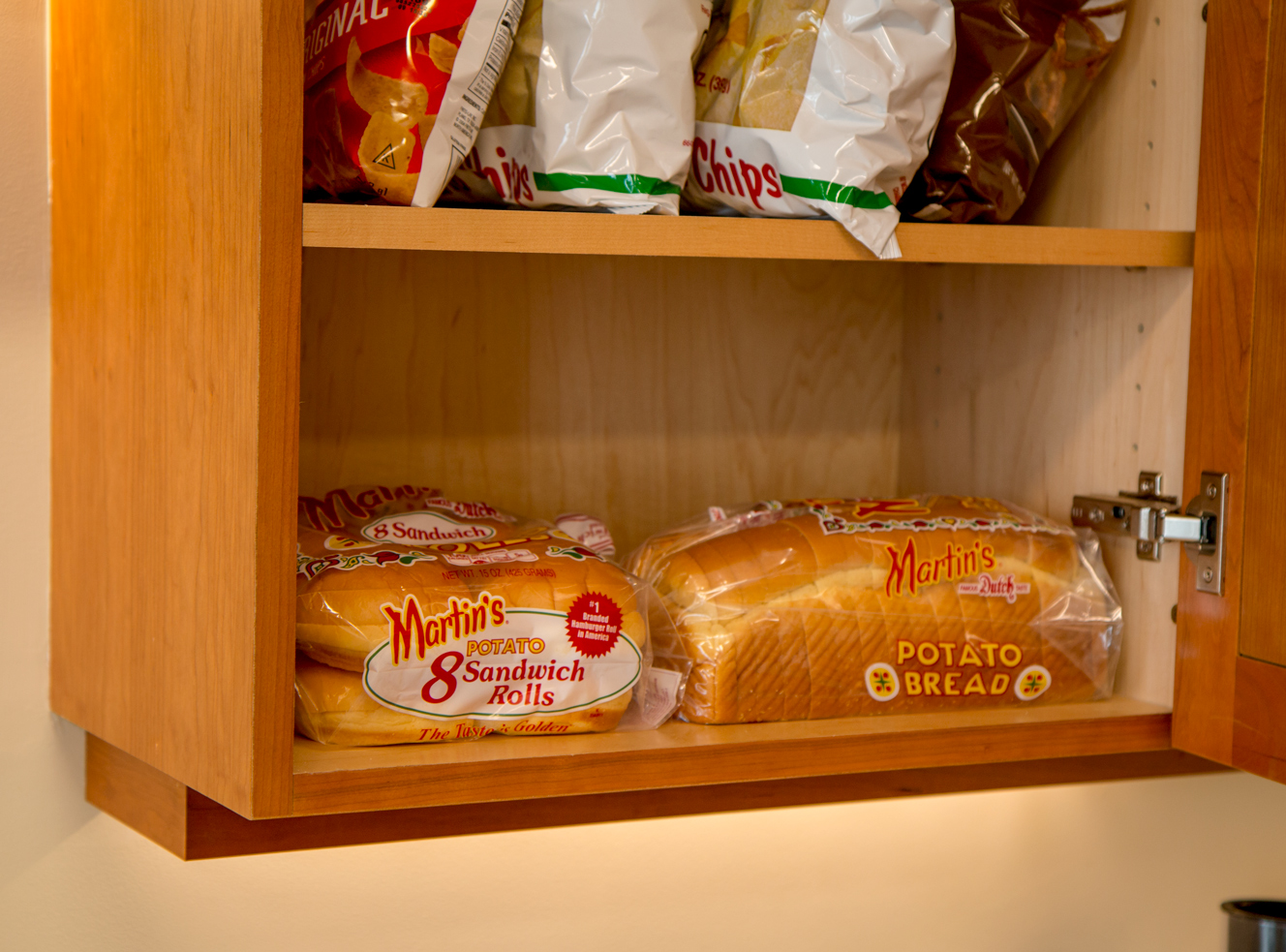
- Drawer or Cabinet
- Good for: Out of sight, less cluttered counters
- Pros: Dark, cool, pest-free
- Cons: Can trap humidity, not always ventilated
Here’s a visual comparison to make things clearer:
| Storage Method | Freshness (Days) | Mold Risk | Best For |
|---|---|---|---|
| Bread Box | 3-5 | Low | All types |
| Plastic Bag | 4-6 | Medium | Sliced, store-bought |
| Cloth Bag | 2-3 | Low | Artisan, homemade |
| Freezer | 30+ | Very Low | Any, for long term |
| Countertop | 1-2 | High | Crusty, artisan |
Bread Box: The Classic Choice
A bread box is a favorite for many reasons. It’s designed to keep bread at room temperature with just enough air to prevent mold but not so much that bread dries out fast. The box also protects bread from direct sunlight and pests. Most bread boxes are made of wood, metal, or ceramic, and some have small holes for ventilation.
For the average family, a bread box can keep bread fresh for 3–5 days. One non-obvious tip: don’t overcrowd your bread box. Too much bread in a small space can trap moisture and lead to mold. And remember to clean the box every week—crumbs and moisture left inside can breed bacteria and mold.
Plastic Vs. Cloth Bags
Plastic bags are standard for store-bought bread. They hold in moisture, which keeps bread soft but also creates the perfect place for mold if bread is warm or damp. If you prefer plastic, squeeze out excess air and make sure the bread is cool before sealing.
Cloth bags, often made of cotton or linen, let the bread “breathe.” This slows down mold but doesn’t keep bread soft as long. Cloth bags are best for artisan loaves with thick crusts.
Here’s a comparison:
| Feature | Plastic Bag | Cloth Bag |
|---|---|---|
| Moisture Retention | High | Low |
| Mold Risk | Medium-High | Low |
| Best For | Soft, sliced bread | Crusty, artisan bread |
| Reusable | Sometimes | Yes |
A less obvious insight: If you want to use a plastic bag but avoid mold, add a paper towel inside to absorb excess moisture. For cloth bags, keep in mind they need regular washing to avoid bacteria buildup.
The Freezer: Ultimate Long-term Storage
If you bake in batches or buy bread in bulk, your freezer is the best place for bread storage. Freezing halts both staling and mold growth almost completely. The secret is to freeze bread at its freshest, not when it’s already going stale.
How to freeze bread for best results:
- Slice the bread before freezing. This way, you can grab just what you need.
- Wrap the loaf or slices tightly in plastic wrap or foil, then place in a freezer bag.
- Label with the date.
- To use, let it thaw at room temperature, or toast slices directly from frozen.
Freezing can keep bread fresh for up to three months. One tip many miss: avoid refreezing bread after it’s thawed. Each freeze-thaw cycle damages texture and flavor.
Refrigerator: The Surprising Truth
Many people think the refrigerator is a smart place for bread, especially in hot climates. But research shows that refrigeration actually makes bread go stale faster due to starch retrogradation. The only exception is in very humid regions where mold is a bigger problem than dryness.
If you must refrigerate bread, wrap it tightly to keep out moisture and use it within a few days. Consider toasting or reheating before eating to bring back some softness.
For more on the science of bread staling and mold, see the detailed explanation at Wikipedia.
Choosing The Best Spot In Your Kitchen
Every kitchen is different, so where exactly should you keep your bread? Here’s what to consider:
- Temperature: Bread lasts longest at cool, stable room temperature (about 60–70°F).
- Humidity: Avoid spots near the sink or dishwasher, as moisture speeds up mold.
- Light: Keep bread in a dark or shaded area to avoid drying and spoilage.
- Airflow: Slight ventilation helps prevent mold without drying bread too fast.
- Pests: Store bread in closed spaces if you have ants or mice.
Common locations:
- Countertop: Good for a bread box or if you eat bread daily.
- Pantry or Cabinet: Works if dark, cool, and dry.
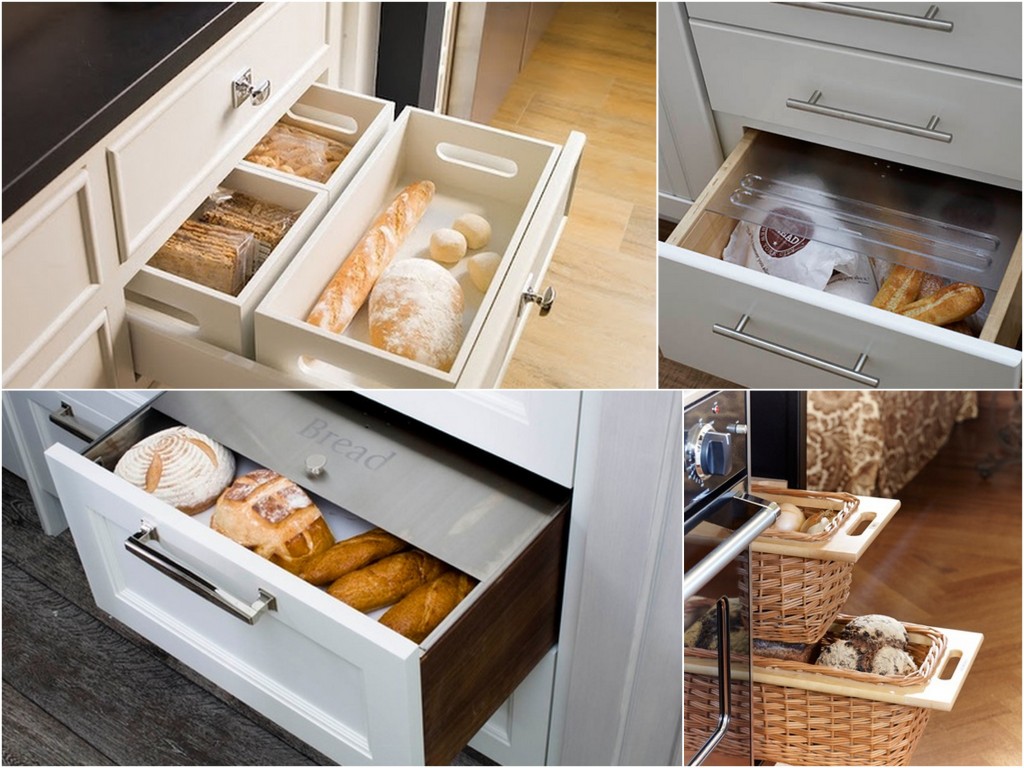
- Drawer: Only if ventilated and cleaned often.
Here’s a quick comparison of possible locations:
| Location | Pros | Cons |
|---|---|---|
| Countertop | Convenient, visible, easy access | Heat, sunlight, pests possible |
| Pantry | Dark, cool, away from appliances | Can be humid if unventilated |
| Drawer | Hidden, tidy look | Traps moisture, needs cleaning |
| Refrigerator | Prevents mold in humid weather | Dries out bread fast |
| Freezer | Long-term, no mold | Extra step to thaw |
Storing Different Types Of Bread
Not all bread is equal when it comes to storage. Each type has unique needs.
Sliced Sandwich Bread
This bread is usually pre-packaged in plastic. It stays fresh longest when kept in its bag, sealed tightly, and stored in a bread box or pantry. In humid climates, consider freezing half for later.
Artisan Or Crusty Bread
These loaves have thick crusts that protect the inside. Store them in a paper or cloth bag, or a bread box. Avoid plastic, which makes the crust soggy.
Sourdough
Sourdough’s natural acidity helps resist mold. Store cut side down on a cutting board, in a paper bag, or in a bread box. Avoid the fridge unless mold is a big concern.
Gluten-free Bread
Gluten-free bread often lacks preservatives. It goes stale quickly and can mold faster. For store-bought, follow the package instructions. For homemade, freeze what you won’t eat in two days.
Sweet Breads And Brioche
Sweeter breads have higher moisture and sugar, which means they mold quickly. Store in an airtight container at room temperature for up to two days, then freeze.
Storage Tips For Small Kitchens
If you have a tiny kitchen, you might not want a big bread box on your counter. Here are some space-saving ideas:
- Use an over-the-fridge cabinet for bread storage.
- Try a hanging cloth bag inside a pantry door.
- Dedicate a small drawer just for bread, but add a liner for easy cleaning.
- Store bread in a microwave (when not in use)—just don’t forget it’s there!
- Use a multi-use container that doubles for other foods when not storing bread.
A key insight: Don’t store bread near the oven or toaster, as heat speeds up staling and can attract pests.

Mistakes To Avoid
Many people make simple mistakes that ruin their bread. Here’s what to watch for:
- Storing warm bread: Always let bread cool before storing, or it will sweat and mold.
- Overcrowding the bread box: Too much bread means poor airflow and more mold.
- Not sealing bags: Air exposure dries bread out.
- Forgetting to clean storage spots: Crumbs and moisture are a mold magnet.
- Ignoring “best by” dates: For packaged bread, use or freeze by this date to avoid waste.
A less obvious mistake: Never store bread directly on a metal surface. Metal can cause condensation and speed up mold growth.
How To Revive Stale Bread
Even with perfect storage, bread sometimes goes stale. Good news—stale bread isn’t always wasted. Here’s how to bring it back:
- Oven method: Splash the loaf with water, wrap in foil, and heat at 350°F for 10–15 minutes.
- Toaster: For sliced bread, toasting revives softness and flavor.
- Microwave: Wrap bread in a damp paper towel and heat for 10–15 seconds.
Stale bread is also great for breadcrumbs, croutons, or French toast. Don’t throw it away—get creative!
For more on reducing food waste, see our guide on [how to store vegetables in the fridge](https://yourkitcheninsider.com/how-to-store-vegetables-in-the-fridge).
Eco-friendly Bread Storage
More people are looking for sustainable ways to store bread. Here are some ideas:
- Use cloth or beeswax wraps instead of single-use plastic.
- Choose a wooden bread box from sustainable sources.
- Compost stale bread instead of tossing it in the trash.
- Buy only as much bread as you need, and freeze the rest.
Eco-friendly storage not only helps the planet but can also keep your bread fresher by avoiding airtight plastic that traps heat and moisture.
Frequently Asked Questions
How Long Does Bread Last At Room Temperature?
Most bread stays fresh for 2–5 days at room temperature, depending on type and storage method. Store-bought, sliced bread with preservatives lasts longer. Artisan and homemade bread go stale faster but can be revived if needed.
Is It Better To Keep Bread In The Fridge Or On The Counter?
For most bread, the counter or a bread box is better. Refrigeration speeds up staling and should only be used in very humid climates or if you won’t eat the bread within a few days.
What Is The Best Container For Storing Bread?
A bread box is the best choice for most homes. It balances air and humidity, keeps pests away, and works for many bread types. For long-term storage, use the freezer with airtight wrapping.
How Can I Prevent Mold On My Bread?
Keep bread in a cool, dry place with some ventilation. Use a bread box or cloth bag. Always let bread cool before storing and clean storage spots regularly.
Can I Freeze Bread, And How Do I Thaw It?
Yes, freezing bread is ideal for long-term storage. Slice before freezing, wrap tightly, and use within three months. Thaw at room temperature or toast straight from frozen for best results.
If mold or staleness is still an issue, our guide on keeping bread from getting moldy covers more prevention tips, and if you bake your own loaves, see our bread machine troubleshooting guide for common issues.
Storing bread properly in your kitchen isn’t complicated, but it does require a little attention to detail. By choosing the right spot and method, you’ll enjoy tastier bread, waste less, and keep your kitchen running smoothly. Try out these tips and see which method works best for your household—you’ll quickly notice the difference in every slice.

Hey, My name is MAMON. I am a SEO content creator and affiliate marketer with over 8 years of experience. I create honest product reviews, in-depth buying guides, and practical how-to articles to help readers make informed decisions. My mission is to provide trustworthy, research-backed content that delivers real value.
Leave a Reply