
What is a duel fuel range (more commonly spelled “dual fuel”)? It’s a kitchen range that pairs a gas cooktop with an electric oven. You get gas’s instant, adjustable flame for stovetop cooking. You also get electricity’s steady heat for baking and roasting. Instead of choosing between an all-gas range or an all-electric range, a dual fuel range splits the job. Gas handles the burners. Electricity handles the oven.
If you’ve searched what is a duel fuel range while shopping for a new stove, you’ve probably seen both spellings. “Duel” and “dual” both point to the same appliance. The correct spelling is “dual fuel,” from “dual” meaning two. That’s because the range runs on two separate fuel sources. Below, we’ll cover how a dual fuel range works, how to use one, what cookware it needs, and whether it’s worth the extra cost.
Key Takeaways
- A dual fuel range uses gas for the cooktop burners and electricity for the oven. This combines gas’s responsive heat control with electric’s consistent baking temperature.
- Dual fuel ranges require both a gas line and a dedicated 240-volt electrical circuit. That can add $300 to $1,500+ to installation if your kitchen isn’t already wired for it.
- For convection mode, most manufacturers recommend lowering the recipe’s stated temperature by about 25°F. Don’t reduce cook time instead.
- Nearly any cookware that works on a standard gas cooktop and in a standard oven will work on a dual fuel range.
What is a duel fuel range, exactly?
A dual fuel range looks like an ordinary range from the outside. Internally, it’s really two separate cooking systems built into one body. The cooktop runs on natural gas or liquid propane. It gives you an open flame you can adjust instantly, the same control professional cooks favor for searing, sautéing, and charring. The oven runs on electricity instead. It uses heating elements that cycle on and off to hold a steady, consistent temperature.
This combination exists because each fuel behaves differently in each spot. On the cooktop, gas wins on responsiveness. Turn the knob and the flame changes instantly, with no lag. Inside an oven, that same on/off behavior works against you. A gas oven’s flame cycles to hold temperature, which creates small fluctuations and a more humid heat. An electric oven’s heating elements hold a much steadier temperature. They also produce a drier heat, which many bakers prefer for browning and crisping. A dual fuel range gives you the fuel that performs best in each spot.
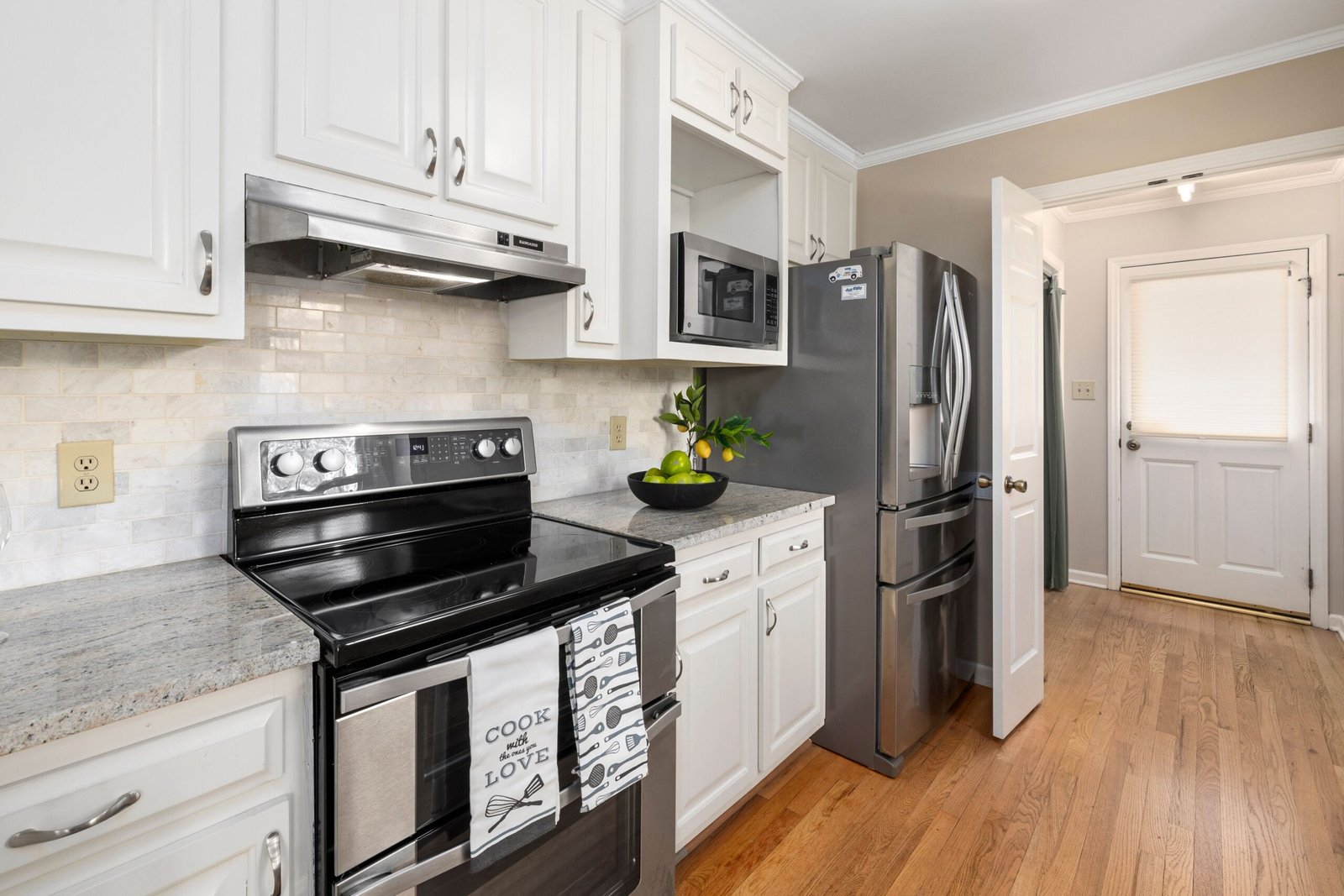
What installation a dual fuel range needs
This is the part that surprises people asking what is a duel fuel range. A standard gas range only needs a 120V outlet for its ignition and display. A dual fuel range needs more: a gas line for the cooktop, plus a dedicated 240-volt circuit for the oven. That’s the same voltage your clothes dryer typically uses. Whirlpool notes that dual fuel ranges need both hookups, unlike a standard gas or electric range that only needs one. If your kitchen isn’t already wired for 240V, running that circuit can add $300 to $1,500 or more to your installation cost. Before buying, confirm your kitchen can support both hookups.
How to use a dual fuel range
Using a dual fuel range feels close to using a regular gas range and a regular electric oven combined. A few habits are worth knowing.
Using the gas cooktop
The burners work exactly like a standard gas cooktop. Turn the knob, and the flame ignites and adjusts immediately. Place your cookware on the grates and dial in the flame size you need. Adjust on the fly, the same way you would on any gas range.
Using the electric oven
Preheat before baking unless your recipe says otherwise. Large roasts and some poultry dishes often skip preheating, since they cook slowly at a stable temperature anyway. Select your baking mode and target temperature on the control panel. Avoid opening the oven door repeatedly while baking. Electric ovens lose heat quickly when the door opens, and they take a moment to recover.
Adjusting for convection
A convection setting circulates hot air with a fan for faster, more even cooking. Most manufacturers recommend lowering your recipe’s stated temperature by about 25°F for convection, rather than shortening the cook time. Convection heat penetrates food more efficiently at a given temperature. One important exception: when roasting meat, don’t reduce the temperature if you’re relying on an internal temperature check to know when it’s done. Undershooting the target can leave the roast undercooked at the center, even though the outside looks finished. Always verify doneness with a meat thermometer.
Cookware for a dual fuel range
A dual fuel range’s cooktop and oven behave like standard gas and electric appliances. So cookware compatibility follows the same rules you’d use for either one individually:
- Gas cooktop cookware: Any cookware suited to a standard gas burner works here. Cast iron, stainless steel, carbon steel, and most cookware with a flat, stable bottom are all fine. Avoid thin, warped, or curved-bottom cookware that won’t sit evenly on the grates.
- Oven/baking cookware: Metal bakeware, with or without a nonstick finish, is the standard choice. If using glass or ceramic, confirm it’s labeled oven-safe and temperature-resistant. Not all glass and ceramic cookware tolerates high oven heat.
- Convection cookware: Favor shallow, low-sided pans that let hot air circulate freely around the food. Deep, covered pots block that airflow.
Whatever you choose, check your range manufacturer’s manual for cookware guidance. Some brands note specific restrictions for their convection settings.
Watch: what are dual fuel ranges?
This video walks through the basics of how a dual fuel range works. It’s useful if you’re comparing one against a straight gas or electric range.
Is a dual fuel range worth it?
Once you understand what is a duel fuel range at a mechanical level, the real question is whether the extra cost pays off. Dual fuel ranges typically cost $200 to $800 or more above a comparable all-gas range. Add the electrical installation cost if your kitchen needs a new 240V circuit. Whether that premium is worth it depends on how you cook:
- Worth it if: You bake or roast regularly and want consistent oven results. You already have, or are willing to add, a 240V circuit. You also value gas’s responsiveness on the cooktop.
- Skip it if: Your kitchen isn’t wired for 240V and adding it isn’t in budget. You rarely bake. Or you’re fine with a gas oven’s performance for roasting.
Cost aside, the appliance’s day-to-day appeal comes down to a simple split: gas gives you instant, adjustable heat where you need fast reactions. Electric gives you steady, predictable heat where consistency matters most. Serious home bakers tend to get the most value from that split. So do people who entertain and need the oven to perform the same way every time. Someone who mostly cooks quick stovetop meals may not notice enough of a difference to justify the added installation cost.
Still deciding between fuel types more broadly? Our guide to choosing a gas range and our guide to range vs. stove terminology cover the broader landscape. For cooktop-only setups, see our best gas cooktop reviews and buyer’s guide. Browsing specific dual fuel models? Our ZLine range reviews and buyer’s guide covers a popular dual fuel lineup.
Caring for a dual fuel range
A dual fuel range combines two different systems. Its maintenance splits along the same lines as its cooking functions:
- Gas cooktop: Clean burner caps and grates regularly to prevent clogged gas ports, which can cause uneven or weak flames. Most sealed burners lift off for easy cleaning with warm soapy water.
- Electric oven: Follow the manufacturer’s guidance on self-cleaning cycles. Wipe up spills before they bake onto the interior surfaces, since electric heating elements can make residue harder to remove later.
- Igniters and electronics: Keep the electronic ignition ports free of food debris. Don’t submerge or spray control panels directly, since they house the range’s electronics.
Frequently asked questions
Is “duel fuel range” the correct spelling?
No, though it’s a very common typing mistake. The correct term is “dual fuel range,” from “dual” meaning two. That refers to the two fuel types, gas and electric. Both spellings refer to the same appliance.
Can I install a dual fuel range myself?
Installation should be handled by a licensed electrician, plus a qualified gas fitter for the gas connection. It involves both a gas line hookup and a dedicated high-voltage electrical circuit. Most manufacturers and local codes require professional installation for both.
Does a dual fuel range work during a power outage?
The gas cooktop will still ignite with a manual lighter if needed. But the electric oven won’t function without power, and neither will the digital controls on many models. That’s a meaningful tradeoff compared to an all-gas range with a standing pilot, which can often still operate during an outage.
What’s the difference between a dual fuel range and a gas range with convection?
A gas range with convection still uses gas to heat the oven, just with a fan added to circulate that air. A dual fuel range’s oven is electric from the start, with heating elements instead of a flame. That’s what gives it steadier, more consistent baking temperatures.
Do dual fuel ranges cost more to run than gas ranges?
Usually, yes, a little. Electricity tends to cost more than natural gas per unit of heat in most U.S. markets. The oven is only one part of your monthly energy use, though. Most homeowners don’t notice a large difference on their utility bill. The bigger cost is usually the upfront installation, not the ongoing energy use.
Are dual fuel ranges harder to repair than standard ranges?
They can be, simply because there are more parts. A dual fuel range has both gas components and electric components to maintain. A repair technician may need to diagnose issues on either side. Standard gas or electric ranges only have one system to troubleshoot. That said, dual fuel ranges from major brands are generally reliable when installed correctly.
Final thoughts
So, what is a duel fuel range in practice? It’s a range built to give you the best of both fuel types. You get a responsive gas cooktop for everyday cooking, paired with an electric oven’s steady heat for baking and roasting. The tradeoff is installation complexity: you’ll need both a gas line and a dedicated 240V circuit, plus a higher price tag than a standard gas range. For serious bakers who don’t want to give up gas on the cooktop, that tradeoff is usually worth it.

Hey, My name is MAMON. I am a SEO content creator and affiliate marketer with over 8 years of experience. I create honest product reviews, in-depth buying guides, and practical how-to articles to help readers make informed decisions. My mission is to provide trustworthy, research-backed content that delivers real value.
Leave a Reply