
What is the difference between a range and a stove? In modern American kitchens, there isn’t one: “range” and “stove” both refer to the same all-in-one appliance that combines a stovetop (or cooktop) with an oven underneath. Appliance brands like Whirlpool, KitchenAid, and Maytag use the two words interchangeably. The real distinctions worth knowing are between a range/stove and a cooktop (burners only, no oven) and between a range/stove and a wall oven (a standalone oven with no burners at all).
If you’ve ever wondered what is the difference between a range and a stove while shopping for a new kitchen appliance, you’re not alone, and the confusion is understandable. The word “stove” has an older history that predates the combined appliance, which is where a lot of the mix-up comes from. Below, we’ll walk through where each term actually comes from, clear up the real distinctions that matter when you’re buying, and cover what separates a range from a cooktop and a wall oven.
Key Takeaways
- In modern usage, “range” and “stove” are synonyms for the same appliance: a combined stovetop and oven in one unit.
- Historically, “stove” referred to any heating apparatus, including wood- or coal-burning stoves used to heat a room, not necessarily for cooking.
- The distinction that actually matters when shopping is range/stove vs. cooktop (no oven) vs. wall oven (no burners).
- Ranges come in freestanding, slide-in, and drop-in installation styles, which affect how they fit into your cabinetry, not what they’re called.
Where the confusion comes from
The word “stove” is actually older than the modern kitchen range. According to Whirlpool, stoves historically consisted of a cavity for burning wood or coal and were originally used to heat homes, not necessarily to cook food, think of a cast-iron stove warming a cabin. “Range,” when used as a noun, originally just meant a row or line of things, and how it came to mean the cooking appliance is largely unclear, though the usage likely dates back centuries.
As home cooking moved away from wood and coal toward gas and electricity, the two words drifted together. Today, if you call a range a stove, or a stove a range, anyone in the U.S. will know exactly what you mean. Both describe the same combined appliance: a cooktop on top for boiling, searing, and sautéing, and an enclosed oven below for baking, roasting, and broiling.
What actually is a range/stove
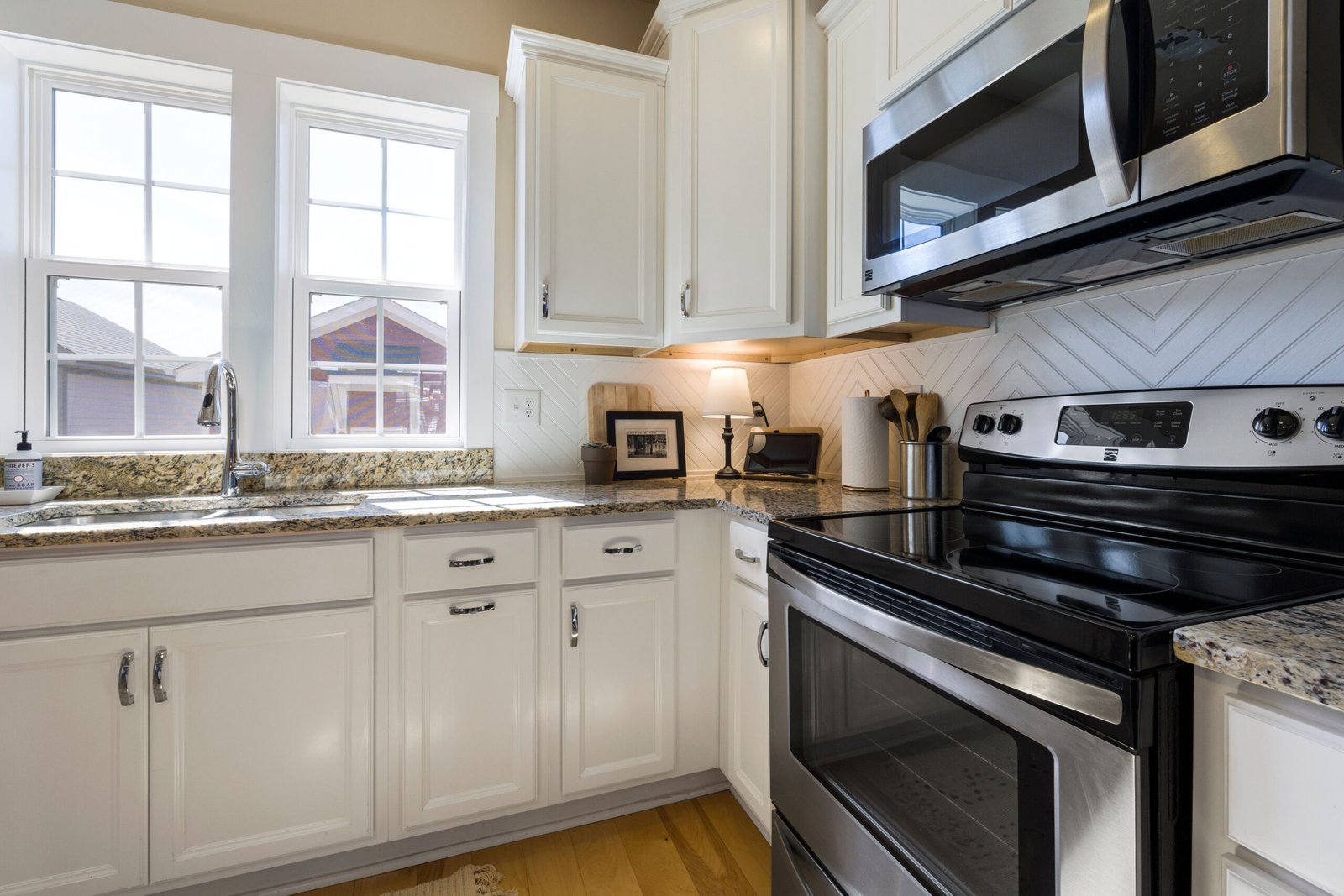
A range, also called a stove, is the standalone appliance that puts a cooktop and an oven together in one unit. It runs on gas, electricity, or a mix of both (a dual-fuel range typically has a gas cooktop paired with an electric oven). Nearly all home cooking appliances marketed as “ranges” or “stoves” in U.S. stores today are this combined unit, and it’s the most common cooking appliance found in American kitchens because it’s space-efficient and generally cheaper than buying a cooktop and wall oven separately.
The distinctions that actually matter
Instead of range vs. stove, the terminology that’s actually useful when you’re shopping breaks down like this:
Range/stove vs. cooktop
A cooktop is essentially a range with the oven removed. It’s a standalone burner surface, gas, electric, or induction, that installs directly into a countertop or kitchen island, with no oven cavity underneath. Cooktops are almost always paired with a separate wall oven installed elsewhere in the kitchen. Choosing a cooktop over a range is a layout decision: cooktops free up design flexibility (the burners don’t have to be directly above the oven) but require more total installation space and cost than a single all-in-one range.
Range/stove vs. wall oven
A wall oven is exactly what it sounds like: an oven cavity built into cabinetry, with no burners or cooktop attached at all. Wall ovens are sold as single or double units, giving you significantly more baking capacity than a standard range oven, and they’re typically paired with a separate cooktop. If you cook and bake heavily, especially around holidays, a wall oven plus cooktop setup gives more flexibility than a single range, at the cost of needing more kitchen space and a bigger installation budget.
Rangetop
One more term worth knowing: a rangetop is a commercial-style cooktop, usually larger and more powerful than a standard home cooktop, styled after restaurant kitchen equipment. Like a cooktop, it has no oven attached and needs to be paired with a wall oven.
Range and stove installation styles
Since “range” and “stove” describe the same appliance, the styles below apply to either name equally, they’re about how the unit fits into your kitchen, not what it’s called:
- Freestanding: Has finished side panels and can stand alone without cabinets on either side. The most common and typically most affordable option.
- Slide-in: Designed to fit flush between two cabinets, with the cooktop edges resting on the surrounding countertop for a built-in look. Controls are on the front rather than a back panel.
- Drop-in: Installed into cabinetry with support underneath, less common in newer kitchens than it once was.
What about “cooker” and “oven range”?
You may also run into “cooker” (more common in British English, generally synonymous with “range” or “stove” in that context) and phrases like “oven range” or “stove-oven,” which are informal ways people describe the same combined appliance. None of these represent a technically distinct product category the way cooktop and wall oven do.
Common myths about ranges and stoves
A persistent misconception is that a stove is just the burners while only a range includes the oven, the idea being that a “stove” and an “oven” are always two separate things. That’s not accurate in modern usage. Multiple major appliance manufacturers, including Whirlpool and KitchenAid, explicitly describe “stove” as another name for the full range appliance, oven included, not a lesser version missing the oven. If a listing or a salesperson calls something a “stove,” don’t assume it’s burners-only; check the actual product description or spec sheet, since a genuine burners-only appliance is called a cooktop, not a stove.
Another common mix-up is treating “stovetop” as interchangeable with “stove.” A stovetop specifically refers to the burner surface on top of a range, not the whole appliance, similar to how “cooktop” works. So “put the pot on the stovetop” refers to the burners, while “buy a new stove” refers to the entire range with its oven.
What is the difference between a range and a stove when buying replacement parts?
One place the range-and-stove terminology genuinely matters is when you’re searching for replacement parts or accessories online. Manufacturers and parts retailers often list compatible parts under both “range” and “stove” search terms for the same model, so if a search for “stove” parts doesn’t surface what you need, try the same search with “range” and vice versa. Model numbers are the most reliable way to shop for parts regardless of which word a listing uses, since the terminology inconsistency is purely about naming, not about different physical products.
Watch: range vs. cooktop explained
This video breaks down the choice between an all-in-one range and a separate cooktop-plus-wall-oven setup, useful context for a kitchen remodel or new build.
Should you get a range/stove, or a cooktop plus wall oven?
Since the range-vs-stove question is mostly settled (they’re the same thing), the decision that actually affects your kitchen is range vs. cooktop-and-wall-oven. Consider:
- Kitchen size: Smaller kitchens generally favor an all-in-one range, since it saves the floor and cabinet space a separate cooktop and wall oven setup requires.
- Budget: A single range is typically less expensive than buying a cooktop and wall oven separately, both in appliance cost and installation.
- Cooking and baking volume: If you regularly need a lot of oven capacity, a double wall oven paired with a separate cooktop gives more room than most range ovens.
- Layout flexibility: A separate cooktop and wall oven let you place the burners and the oven wherever makes sense for your kitchen’s workflow, rather than stacked in one spot.
- Resale and remodel plans: If you’re renovating for resale, a range is generally the safer, more universally expected setup for U.S. buyers, while a cooktop-and-wall-oven configuration reads as a higher-end, custom kitchen choice.
- Repair considerations: With a range, a malfunction in either the cooktop or the oven can mean losing use of the whole appliance until it’s fixed. With separate units, a broken cooktop doesn’t take your oven offline, and vice versa.
If you’re leaning toward a gas range, our guide to choosing a gas range covers BTU output, burner configuration, and installation style in more depth. If you’re comparing cooktop options specifically, see our best gas cooktop reviews and buyer’s guide, and if a double oven setup is on your radar, our guide on freestanding gas ranges also covers where that style fits in.
Frequently asked questions
A few more questions that come up once people understand what is the difference between a range and a stove at the terminology level.
Is it correct to call a stove a range, or vice versa?
Yes. In modern American English, “range” and “stove” are used interchangeably to describe the same combined cooktop-and-oven appliance. Appliance manufacturers themselves use both terms for the same products.
What is the difference between a range and a stove historically?
Historically, “stove” referred to any wood- or coal-burning heating apparatus, which wasn’t always used for cooking, while “range” specifically described the cast-iron cooking appliance with a wide cooking surface that became common in American kitchens. The two terms converged as cooking technology shifted to gas and electricity.
Is a cooktop the same as a stove?
No. A cooktop is just the burner surface with no oven attached, installed directly into a countertop, while a stove (or range) combines the burners and an oven in one unit. A cooktop is typically paired with a separate wall oven.
Do I need a range or would a cooktop and wall oven work better for me?
It depends mainly on kitchen size and budget: a range saves space and money as an all-in-one unit, while a separate cooktop and wall oven offer more layout flexibility and generally more total oven capacity, at a higher cost.
Final thoughts
So, what is the difference between a range and a stove? In practice, none, the two words describe the same appliance in modern American kitchens. The distinctions that actually matter when you’re shopping are range/stove vs. cooktop and range/stove vs. wall oven, since those are genuinely different products with different installation needs and capacities. Once you know that, choosing the right cooking setup for your kitchen comes down to space, budget, and how you actually cook.

Hey, My name is MAMON. I am a SEO content creator and affiliate marketer with over 8 years of experience. I create honest product reviews, in-depth buying guides, and practical how-to articles to help readers make informed decisions. My mission is to provide trustworthy, research-backed content that delivers real value.
Leave a Reply