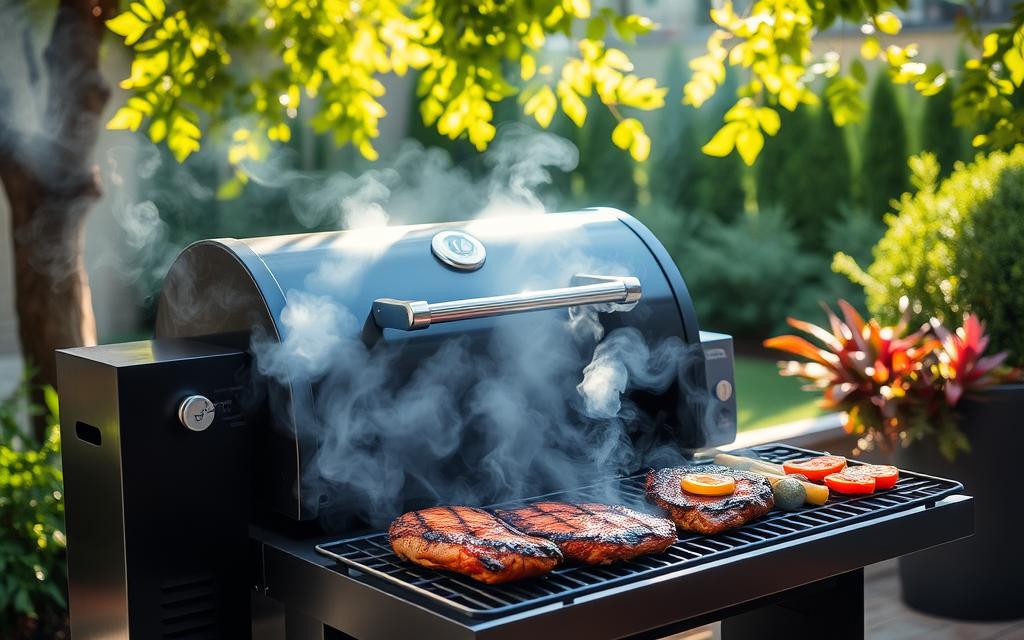
Pellet grills are known for their ease and precise temperature control. But they don’t always deliver the deep, smoky flavor you crave. If you’re wondering how to get more smoke flavor from pellet grill cooking, the answer lies in understanding how these grills work, then tweaking a few techniques.
Pellet smokers burn pellets efficiently to hold a set temperature. That efficiency is great for convenience, but it also means less smoke than a charcoal or wood-fired grill produces. The way pellets burn can add up to a milder smoke flavor overall.
The good news: there are real, tested ways to boost that smoky taste. Experimenting with different wood pellets, adjusting temperature, and mastering smoke control can make a big difference. This guide covers practical techniques for getting richer, smokier flavor out of your pellet grill.
Key Takeaways
- Pellet grills naturally produce less smoke than charcoal or wood-fired grills, since they burn pellets efficiently to hold a set temperature.
- Lower cooking temperatures (165°F-250°F) let smoke linger longer on the food, deepening flavor.
- Smoke tubes, smoke boxes, and a grill’s built-in smoke setting are the most reliable add-ons for extra smoke.
- Wood pellet variety matters: fruit woods add a mild, sweet note, while hickory and mesquite bring a bolder taste.
- Watch for thin, blue smoke rather than thick, white smoke, a sign of incomplete combustion and a harsher flavor.
Understanding Wood Pellets and Their Flavor Profiles
Wood pellet choice changes flavor more than almost any other single factor. Learning the wood profiles is a good first step toward how to get more smoke flavor from pellet grill cooking.
Different Types of Wood Pellets
Fruit tree pellets, like apple and cherry, give a sweet, mild taste suited to lighter meats such as chicken and fish. Hardwood pellets, like hickory and mesquite, bring a bolder flavor that holds up against red meat and big cuts like brisket and ribs.
Best Wood Pellets for Smoke Flavor
Pellets made from 100% natural hardwood, with no added oils or flavoring agents, burn more consistently and produce cleaner smoke. Traeger, Camp Chef, and Bear Mountain are common picks. Hickory remains a favorite for its strong, versatile flavor.
Mixing Wood Pellets for Unique Flavors
- Blending pellet varieties can create a flavor that’s uniquely yours.
- Start with a mild pellet like maple, then layer in something stronger, like mesquite.
- Add strong woods in small amounts first. It’s easy to add more smoke later, but hard to take it back out.
How to Get More Smoke Flavor from Pellet Grill Cooking: Temperature Control
How you manage temperature has as much influence on smoke as pellet choice does.
Ideal Smoking Temperatures
For a strong smoky taste, cook in the 225°F to 250°F range. This lets smoke build on the food instead of burning off quickly. Some recipes start lower, around 160°F to 200°F, then finish higher, up to 275°F, for better fat rendering.
How Temperature Influences Flavor
Cooking above 275°F burns pellets fast and cuts smoke output sharply. Staying in the 225°F-250°F window lets smoke linger on the food’s surface, building richer flavor over time.
Tips for Maintaining Consistent Heat
- Use your grill’s dedicated smoke setting to hold temperatures in the ideal smoke-producing range.
- Check the temperature periodically rather than assuming it’s holding steady.
- A separate probe thermometer reads more accurately than most built-in grill displays.
- Keep gaskets and seals in good shape. A leaky lid lets heat and smoke escape early.
Maximizing Smoke Production
Once temperature is dialed in, the next lever is smoke production itself.
Utilizing Low and Slow Cooking Techniques
Cooking meat in the 165°F to 225°F range takes longer. But it gives smoke far more time to penetrate the meat and build deeper flavor. The payoff is worth the wait.
The Role of Smoke Settings on Your Grill
Many newer pellet grills, including Traeger models with a Super Smoke setting, boost smoke at 225°F or lower by pulsing the fan and auger so pellets smolder rather than burn cleanly. It’s designed to work in that lower temperature window, so it won’t add extra smoke once you’re cooking hotter than 225°F.
The Effects of Grill Ventilation
Good airflow helps smoke circulate and settle onto food instead of escaping too fast. Try adjusting your vents through a cook to find the setting that holds smoke around the meat longest.
| Smoke Flavor Factor | Impact on Smoke Production |
|---|---|
| Cooking Temperature | Lower temperatures (165°F-225°F) allow more smoke absorption and deeper flavor |
| Grill Ventilation | Proper airflow helps smoke circulate and cling to food |
| Smoke Settings | Dedicated smoke modes maximize smoke output during the cook |
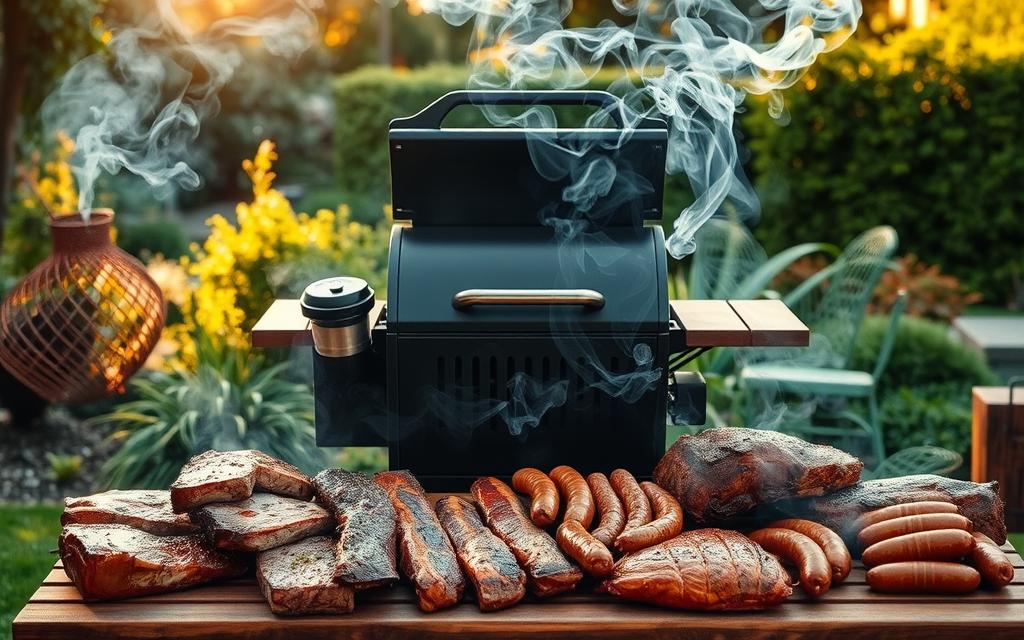
Rich, smoky results on a pellet grill come down to balancing low-and-slow cooking, deliberate smoke control, and consistent grill management.
Enhancing Smoke Flavor with Marinades
Marinades add another layer of smoky depth with the right ingredients and timing.
Best Ingredients for Smoky Marinades
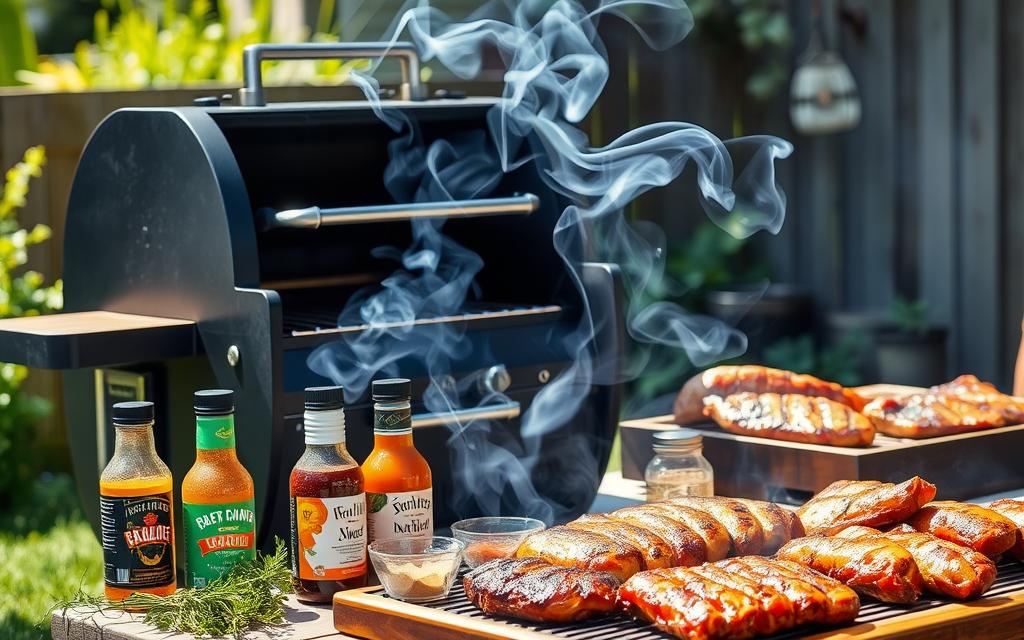
Skip mustard or oil-heavy marinades. A thick coating can block smoke from reaching the meat. A simple mix of water, salt, and extra pepper works better, since it leaves the surface open for smoke to settle in.
How to Marinate Foods for Added Flavor
Keep the meat’s surface moist by spritzing it with a 50/50 mix of water and apple cider vinegar during the cook. This keeps the exterior from drying out, helps smoke adhere, and can build a nice smoky bark.
Timing: When to Apply Marinades
Longer marinating generally means a stronger smoky note, though overdoing it can turn bitter. Two to four hours works for most cuts; up to 24 hours gives a more pronounced effect.
Choosing the Right Meats for Smoking
Different meats pick up smoke differently, so matching wood to meat matters.
Meats That Absorb Smoke Best
Hardwoods like hickory, mesquite, and apple add rich, bold flavor to red meat and poultry. Milder woods like white oak lean toward delicate, subtly sweet notes. Skip softwoods such as pine or cedar entirely. They turn food bitter and aren’t considered food-safe to burn.
How to Select Meat Cuts for Maximum Flavor
- Cold meat, straight from the fridge, gives smoke more time to settle before the surface heats up.
- Skip foil until later in the cook. It blocks smoke from reaching the surface.
- Larger, thicker cuts spend more time in the smoke zone, which usually means more flavor by the time they’re done.
Considerations for Different Proteins
Smoking temperatures for most proteins fall between 165°F and 275°F. Times and safe finishing temperatures vary by cut:
- Salmon: Marinate 2-4 hours, smoke at 180°F for about 30 minutes, then raise to 225°F until it reaches 145°F internally, the FDA/USDA-recommended safe minimum for seafood.
- Chicken drumsticks: About 1 hour at 275°F, to a safe 165°F internally.
- Tri-tip: Smoke 60-90 minutes, then sear 4 minutes per side over higher heat.
- Pork ribs: The classic 3-2-1 method: 3 hours smoked, 2 hours wrapped, 1 hour unwrapped with sauce.
- Whole chicken: 225°F for roughly 2.5 to 3 hours, until it reaches 165°F.
- Prime rib: Smoke at 275°F to about 125°F for rare, then rest 15 minutes before carving.
Utilizing Smoke Tubes and Boxes
If you’re still working out how to get more smoke flavor from pellet grill cooking, smoke tubes and boxes are some of the most effective add-ons for a pellet grill setup.
What is a Smoke Tube?
A smoke tube is a perforated stainless steel tube filled with pellets and lit separately from the grill’s hopper. It can produce smoke for five hours or more, depending on size and how densely it’s packed.
Leveraging Smoke Boxes Effectively
Smoke boxes are small metal containers filled with wood chips or pellets. Set on the grill grate, they smolder slowly and add a steady stream of extra smoke.
Best Practices for Creating Extra Smoke
- Make sure pellets going into a smoke tube are fully dry before lighting.
- Let the tube burn about 7 minutes before adding it to the grill, so it’s smoldering rather than flaming.
- Try hickory, oak, or mesquite in the tube for a flavor different from your main hopper pellets.
- Run a tube or box for roughly half the cook time, not the whole thing, to avoid an overpowering, bitter result.
Experimenting with Seasoning and Rubs
Simple seasonings let smoke reach the meat more easily than thick, heavy rubs.
How Seasonings Impact Smoke Flavor
Skip binders like mustard or oil under a rub. A simple 2-to-1 mix of salt to pepper, with fresh-cracked pepper for extra grip, tends to pull in more smoke than a complex blend. Apply the rub, then let it sit uncovered for about an hour so it dries and adheres.
Creating Your Own Smoking Rubs
- Experiment with spice combinations that complement your chosen wood.
- Use quality, additive-free pellets for a cleaner overall taste.
- Try pecan, oak, hickory, or mesquite pellets to see how each shifts the final flavor.
Timing for Applying Rubs
Chilling seasoned meat before it goes on the grill gives it more time to absorb smoke before the surface warms. Elevating the food slightly, on a second rack or a small stand, also improves smoke exposure.
Adding Extra Smoke with Wood Chips
Wood chips are a simple, low-cost way to layer extra smoke into any cook, reverse sears included.
How to Use Wood Chips in Pellet Grills
Soak chips in water for 30 minutes to an hour first. This slows how fast they burn and stretches out the smoke. Wrap the soaked chips in a foil pouch, or use a smoker box, and set it on the grate near the firepot.
Best Practices for Soaking and Using Chips
- Soak chips 30-60 minutes before use to extend smoke time.
- Use a foil pouch or dedicated smoker box to hold chips on the grate.
- Add fresh chips every 30-45 minutes on longer cooks to keep smoke flowing.
Wood Chip Combinations for Enhanced Flavor
Oak, maple, hickory, and mesquite chips each bring something different. Start small with any new combination, and use chips in moderation. Too much smoke turns bitter fast.
Enhancing the Cooking Environment
A few environmental tweaks can meaningfully change how much smoke ends up on your food.
Manage Humidity and Smoke Flavors
Moisture in the cooking chamber helps smoke particles stick to meat instead of passing by. A water pan is a simple way to raise humidity and improve absorption.
Using a Water Pan in Your Grill
Beyond adding moisture, a water pan helps steady the internal temperature as it slowly heats and releases vapor, creating a more consistent smoking environment.
The Benefits of Indirect Cooking
Placing meat on an upper rack, if your grill has one, lets natural convection spread smoke and heat more evenly. A stand or trivet to elevate the meat works similarly without a second rack.
Monitoring Smoke Flavor During the Cook
Watching the smoke itself is one of the most reliable ways to judge a cook. Thin, blue smoke is what you want. Thick, white smoke usually means incomplete combustion, and it can leave food tasting bitter.
Tools to Measure Smoke Intensity
Some newer pellet grills include smoke-detection sensors alongside their digital thermometers, giving you a readout instead of relying on sight and smell alone.
Identifying Signs of Over-Smoking
- Thick, billowing white smoke
- A bitter or harsh taste in the finished food
- Visible soot or ash buildup on the meat’s surface
If you spot these signs, dial back the smoke source. It’s easier to add more smoke later than fix an over-smoked cut.
Adjusting Cooking Time for Optimal Flavor
Starting at a low temperature, around 225°F, gives pellets time to smolder and produce that ideal blue smoke. Raise the temperature as the cook progresses, but keep watching the smoke. Mastering this balance takes some trial and error.
Cleaning and Maintaining Your Pellet Grill
A clean grill produces better, more consistent smoke than a neglected one.
How Cleanliness Affects Smoke Quality
Built-up ash and grease block airflow and interfere with how evenly pellets burn, cutting down on both smoke and flavor.
Routine Maintenance Tips
Clean the ash and grease tray after every use. Do a deeper clean of the smokestack, grease bucket, and interior every few weeks, more often if you grill a lot.
Troubleshooting Common Pellet Grill Issues
If smoke or flavor seems off, check for air leaks around the lid and seal them. Confirm your temperature probes read accurately, and address any auger or ignition problems right away. Keeping pellets stored properly and dry also goes a long way toward consistent smoke.
Conclusion
Learning how to get more smoke flavor from pellet grill cooking comes down to a handful of habits working together: the right pellets, a lower cooking temperature, good airflow, and a smoke tube or box for an extra boost. None of it requires expensive upgrades, just some patience and a willingness to experiment.
Start with one or two changes, like switching wood or adding a smoke tube, rather than overhauling everything at once. Watch the smoke itself, keep the grill clean, and adjust based on what shows up in the finished food. After a few cooks, you’ll land on the exact level of smokiness you’re after.

Hey, My name is MAMON. I am a SEO content creator and affiliate marketer with over 8 years of experience. I create honest product reviews, in-depth buying guides, and practical how-to articles to help readers make informed decisions. My mission is to provide trustworthy, research-backed content that delivers real value.
Leave a Reply