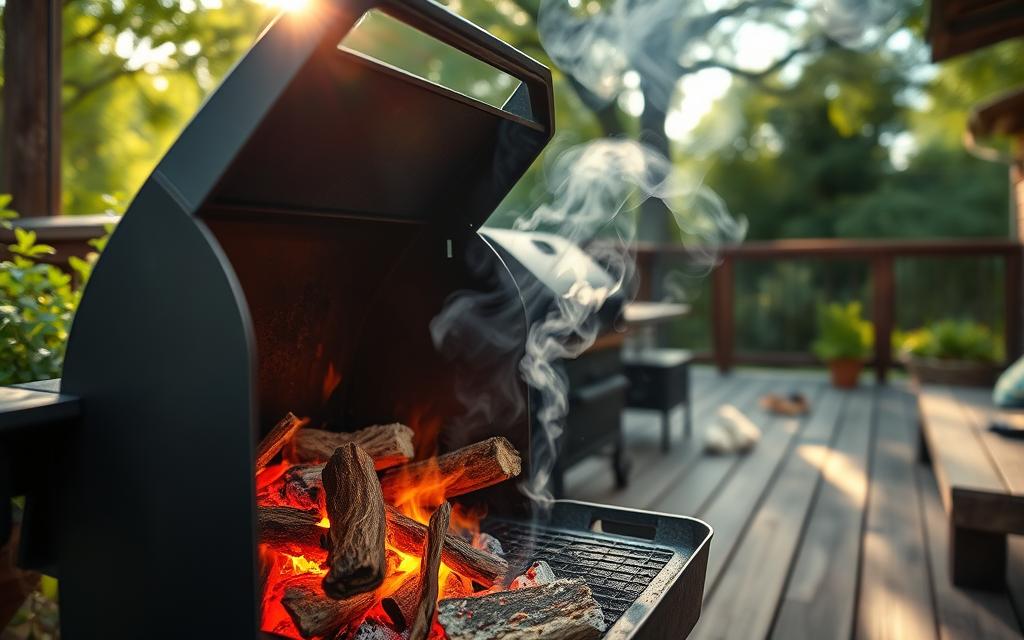
Pellet grills are easy to use, but what happens when the igniter breaks? It can happen after a power outage or when the igniter itself fails. The good news is you can still light your grill without it. Here’s how to start a pellet grill without igniter, from understanding your grill’s parts to several safe ways to get the fire going by hand.
Key Takeaways
- Knowing how to start a pellet grill without igniter means using manual methods like fire starters, a long-reach lighter, or a chimney starter
- Manual lighting involves adding a small amount of pellets to the firepot and carefully igniting them by hand
- Understanding your grill’s key components, especially the igniter, helps with both troubleshooting and everyday maintenance
- Most manufacturers don’t officially document a manual-start procedure, so treat it as an advanced, use-with-caution technique
- Proper ventilation, a clear surrounding area, and protective gear are non-negotiable every time you light a grill manually
Understanding Pellet Grills and Their Components
Pellet grills combine the convenience of a gas grill with the smoky flavor of a wood-fired smoker. Knowing the parts that make one work is the first step to fixing it when something goes wrong.
What is a Pellet Grill?
A pellet grill burns wood pellets as fuel. The pellets sit in a hopper and get fed into a firepot by an auger. An igniter lights them, creating the heat and smoke that flavor your food.
Key Components of a Pellet Grill
The main parts of a pellet grill are:
- Pellet Hopper: Where the wood pellets are stored.
- Auger: Moves pellets from the hopper to the firepot.
- Firepot: Where pellets burn to create heat and smoke.
- Igniter: Lights the pellets in the firepot.
- Fan: Circulates heat and smoke through the grill.
- Thermocouple: Checks the grill’s temperature and reports it to the controller.
- Controller: Lets you set and hold a cooking temperature.
Importance of the Igniter
The igniter starts the cooking process by lighting the pellets. Without it, the grill can’t get going on its own. Understanding what it does makes troubleshooting and manual lighting much less intimidating.
Reasons to Start a Pellet Grill Without an Igniter
Owning a pellet grill is great, but sometimes the igniter fails or you lose power entirely. Knowing how to start a pellet grill without igniter turns either situation into a minor inconvenience instead of a ruined cookout.
Power Outages
Power outages can strike without warning. Without electricity, your igniter simply won’t fire, but you can still grill manually. That matters most during outdoor events or when repairs will take too long.
Igniter Malfunction
Igniter problems are common on pellet grills. If yours fails, pellets won’t light, or you might see a “failed to ignite” error on the display. Check your manufacturer’s official troubleshooting steps first. A dirty firepot or damp pellets cause this error more often than an actually dead igniter.
Learning Alternative Methods
Learning to start your grill without the igniter is a genuinely useful skill. It prepares you for the unexpected, and it deepens your understanding of how your grill works.
Whether it’s a power outage, an igniter issue, or just curiosity, starting your grill manually is worth knowing. With the right safety steps and a few basic materials, your pellet grill stays reliable even when things don’t go as planned.
Safety Precautions Before Starting
Before you start your pellet grill manually, safety comes first. Good airflow keeps smoke from building up. Keep the area around your grill clear of anything that can catch fire, like paper or dry leaves.
Wear heat-resistant gloves to protect your hands and arms. Never use alcohol or gasoline to light a grill. Both are dangerous and can cause a fire far bigger than you intended.
Proper Ventilation
- Set up your grill somewhere with plenty of open air, away from buildings or enclosed spaces.
- Skip grilling in bad weather. Wind or rain disrupts airflow and makes manual lighting harder to control.
- Watch the smoke as you go and adjust airflow as needed.
Keeping the Area Clear
- Remove anything flammable near the grill, like dry leaves or paper.
- Make sure there are no low tree branches or structures directly above the grill.
- Check your owner’s manual for the required clearance, and when in doubt, give it more room. The Illinois State Fire Marshal’s grilling safety guidance recommends keeping any grill well clear of the house, deck railings, and overhanging branches, not just the printed minimum.
Using Protective Gear
When lighting your grill manually, wear heat-resistant gloves along with long sleeves and sturdy shoes.
Safety should come first whenever you’re manually igniting a pellet grill, since you’re working with an open flame close to your hands. Following these precautions consistently is what keeps outdoor cooking safe.
Materials You’ll Need for Starting
Starting your pellet grill without an igniter just takes a few extra materials.
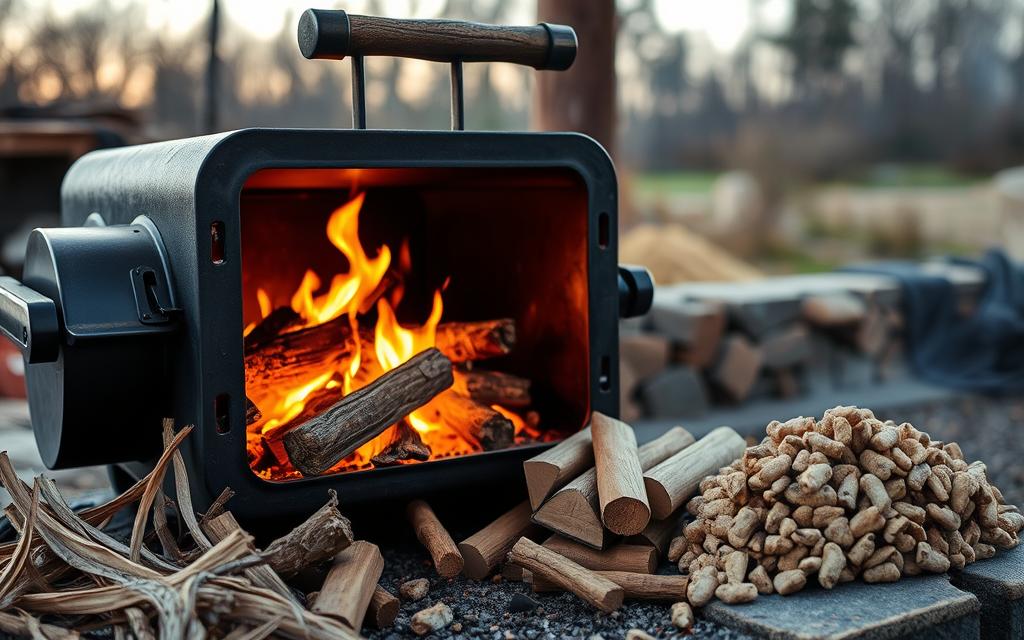
Fire Starters
A reliable fire starter is the core of manual ignition. Fire-lighter cubes and fire-starter gel both work. Many experienced owners actually prefer a butane torch instead, since it avoids chemical additives near your food and gives more control over the flame.
Dry Kindling
You’ll also want dry kindling on hand, like small wood chips or shredded paper. It helps the initial flame catch and spread to the pellets, so keep it dry.
Alternative Ignition Sources
Long fireplace matches, a long-reach lighter, or a small butane torch all work well. Each lets you light the pellets without reaching over an open flame.
With these materials ready, you can start your pellet grill even without a working igniter.
How to Start a Pellet Grill Without Igniter: Step-by-Step Guide
Starting your pellet grill manually is more straightforward than it sounds.
Preparing the Grill
Remove the grill racks, grease pan, and heat baffle to reach the firepot. Handle these carefully, since they can still be hot from a previous cook.
Adding Pellets to the Firepot
Add only a small handful of pellets, roughly 1/2 cup, directly to the firepot rather than filling it. Overfilling is one of the most common mistakes here: a large pile of unburned pellets can flare up unpredictably once it finally catches. Make sure the pellets are clean and free of oils or debris.
Using Fire Starters Safely
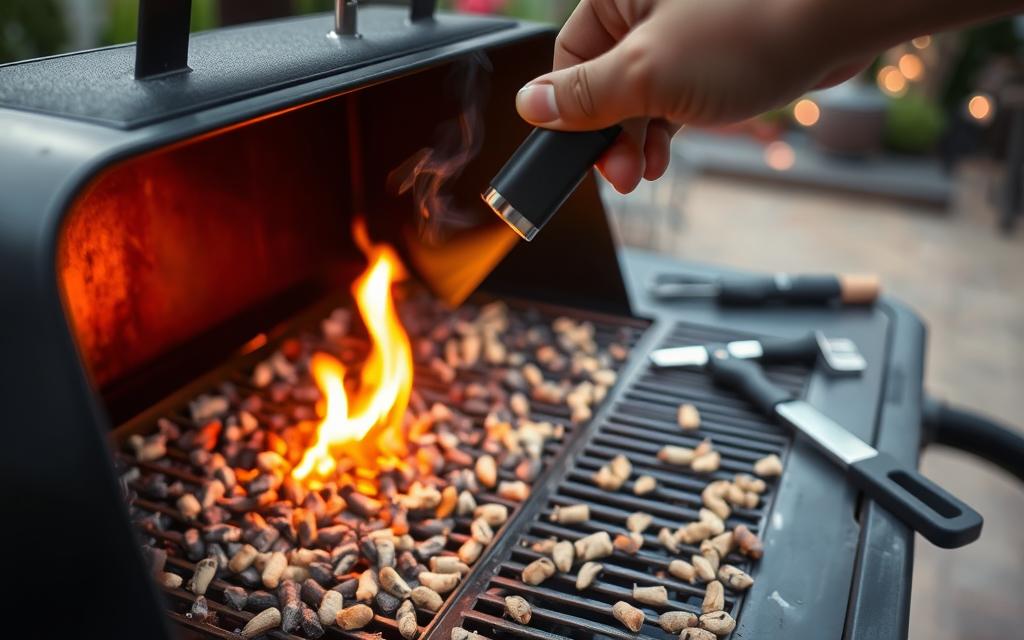
Place a fire-lighter cube, a small amount of gel, or a butane torch flame directly on the pellets and let them catch. Give the fire several minutes to establish itself before turning on the controller. Firing up the fan too early can blow out a fledgling flame.
Starting a pellet grill without an igniter calls for a bit more patience than pressing a button. Keep the area ventilated and stay clear of anything flammable. With practice, manual lighting becomes routine.
Utilizing a Lighter for Ignition
A long-reach lighter is one of the simplest tools for manual ignition, and it’s especially handy during a power outage.
Choosing the Right Lighter
Pick a long-reach lighter with an extended nozzle so you can light the pellets without your hand near the flame. Skip a standard pocket lighter, since it won’t reach the firepot safely.
Technique for Ignition
- Open the grill’s lid for good ventilation.
- Locate the firepot, where the pellets sit.
- Hold the long-reach lighter over the pellets and ignite them.
- Let the flame spread evenly across the firepot before closing the lid.
Monitoring the Flames
Keep an eye on the flames after lighting. Adjust airflow or add a few more pellets if the burn isn’t steady. It becomes second nature with practice.
Good ventilation, a clear area, and protective gear let you use your grill confidently even without a working igniter.
The Role of a Chimney Starter
A chimney starter, the kind normally used for charcoal, works surprisingly well for pellet grills too. It offers a reliable, contained way to get pellets burning before they touch the firepot.
What is a Chimney Starter?
A chimney starter is a metal cylinder that channels airflow upward through the fuel, helping it catch fire quickly and burn evenly.
How to Use a Chimney Starter
- Fill the chimney starter with pellets, packing them loosely enough for air to move through.
- Place a fire starter cube or crumpled newspaper underneath, in the chimney’s lower chamber.
- Light the starter and let the pellets catch. This typically takes 15 to 20 minutes, similar to lighting charcoal.
- Once the pellets are glowing, carefully pour them into your grill’s firepot.
Benefits of Using This Method
- Consistent Start: A chimney starter gives an even, reliable ignition every time.
- Faster Heating: It typically heats pellets faster than lighting them directly in the firepot.
- No Chemical Starters Needed: You skip liquid or gel starters entirely, avoiding any risk to flavor.
A chimney starter is one of the more dependable options when your igniter is out of commission. It takes a few extra minutes but gives a controlled, even start.
Using Liquid Starters: Pros and Cons
Liquid and gel starters can light a pellet grill, but they need more care than a butane torch or chimney starter. Choose a product made specifically for grills rather than a general-purpose option.
Selecting the Right Liquid Starter
Look for starters labeled specifically for pellet or wood grills. Never use alcohol or gasoline. Both are genuinely dangerous and can leave your food tasting like fuel.
Safe Application of Liquid Starters
Apply a small amount to the pellets and let it soak in for a minute before lighting, which helps them catch evenly. Using too much is the main risk, since excess fluid can cause a sudden flare-up when it ignites.
Risks to Consider
Liquid starters light a grill quickly, but overuse or the wrong product can cause dangerous flare-ups and an off-taste in your food. Several pellet grill guides recommend a butane torch instead, specifically to avoid this risk.
Troubleshooting Common Issues
Owning a pellet grill is rewarding, but it comes with the occasional hiccup: a fire that won’t start, flames that won’t hold steady, or too much smoke. Most have a straightforward fix.
If the Fire Doesn’t Catch
Check that your pellets are dry and fresh, since wet pellets are hard to light no matter how much starter you use. Add more starter material if needed. If it still won’t catch, check the auger to confirm it’s feeding pellets into the firepot.
Managing Inconsistent Flames
Flames that keep changing size can throw off your cook. That’s often a sign of low-quality pellets or an airflow problem. Check your pellets for moisture or debris, and make sure fans and vents are clear. Our guide on how to store wood pellets for grill covers keeping pellets dry between cooks, which prevents a lot of this.
Resolving Smoke Issues
Too much smoke usually means damp pellets or poor ventilation. Confirm your pellets are dry, your vents are clear, and the grill sits somewhere with good airflow. If you’re chasing more smoke flavor rather than less, our guide on how to get more smoke flavor from a pellet grill covers that instead.
Working through these issues methodically gets you back to cooking fastest.
| Issue | How Often It Comes Up | Possible Causes |
|---|---|---|
| Grill won’t turn on | Common | Electrical outlet problems, damaged power cord, faulty control board, blown fuses |
| Inconsistent temperatures | Common | Faulty RTD probe, control board issues, airflow problems |
| Insufficient smoke production | Common | Damp or low-quality pellets, jammed auger, dirty fire pot |
| Uneven cooking | Common | Airflow issues, hot spots, temperature fluctuations |
| Error codes on display | Common | Faulty control board, sensor malfunctions, wiring problems |
| Auger jam | Occasional | Wet pellets, foreign objects, control board issues |
| Grease buildup/flare-ups | Common | Lack of cleaning, poor grease management |
| Igniter not igniting pellets | Occasional | Faulty igniter, wiring problems, control board issues |
| Unpleasant odors | Occasional | Grease buildup, pellet quality issues, ventilation problems |
| Weak or non-existent flame | Occasional | Insufficient pellet delivery, airflow problems, igniter malfunction |
Maintenance Tips for Your Pellet Grill
Keeping your pellet grill in good shape is what gives it a long life. Regular cleaning and a quick check of the igniter go a long way.
Regular Cleaning Practices
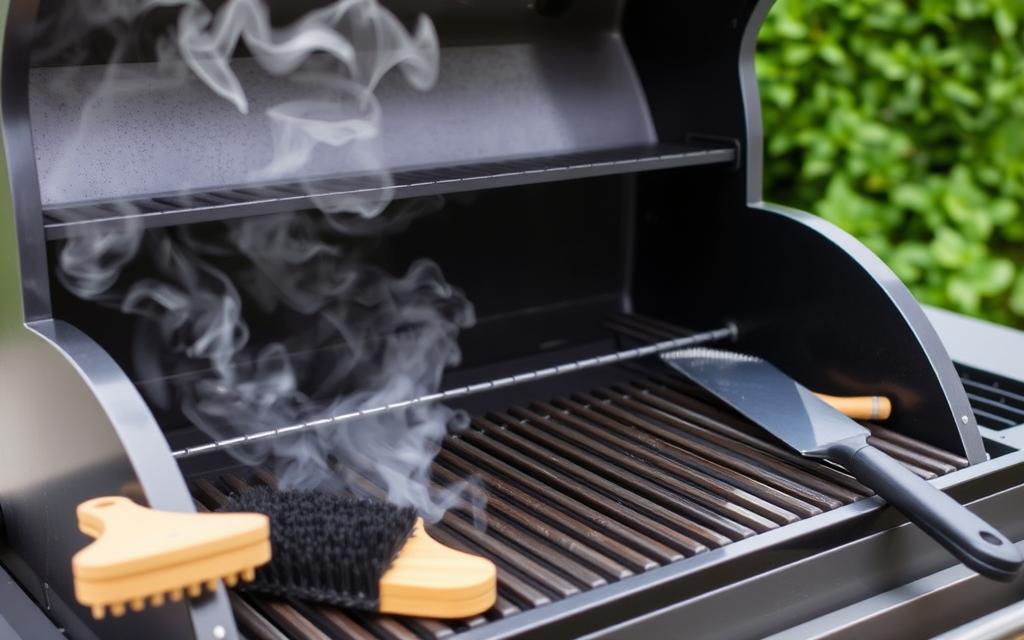
Clean the grease drip tray, burn pot, and ash collection tray roughly every three to five cooks. Wipe down the grates and exterior before and after grilling with a griddle scraper and a soft rag.
Checking Igniter Functionality
Check the igniter periodically to confirm it’s heating properly. If it stops working reliably, check your manufacturer’s official parts and support page before buying a replacement.
Inspecting Other Components
Check the auger and fan too, looking for damage or obstructions. Both need to work correctly to hold the grill at a steady temperature.
Following these habits keeps your pellet grill running well for years.
When to Seek Professional Help
As useful as manual ignition is, sometimes DIY isn’t the answer.
Signs of Serious Issues
If you’ve tried everything and the grill still won’t run, it’s time to get help. Persistent ignition failures, strange noises, or recurring error codes usually point to a problem that needs a trained technician.
Finding a Qualified Technician
Look for someone experienced with your specific grill model. A technician familiar with pellet grill repair and igniter troubleshooting will find and fix the issue faster than trial and error.
Importance of Regular Inspections
A periodic professional inspection catches small problems before they turn into expensive ones. If your current grill is nearing the end of its life rather than just needing a repair, our pellet grill buyer’s guide can help you compare replacement options.
Igniter and temperature problems are the issues reported most often on pellet grills, alongside display errors and pellet-related auger jams.
Conclusion: Enjoying Your Grill Effortlessly
Starting your pellet grill without an igniter sounds intimidating, but with the right steps and a healthy respect for safety, it’s a manageable skill. Always put safety first whenever you’re working with an open flame near your grill.
Recap of Key Steps
This guide walked through how to start a pellet grill without igniter using fire starters and dry kindling. You also saw how to use a long-reach lighter or a chimney starter as alternatives.
Encouragement to Experiment and Enjoy
With practice, manual lighting stops feeling like an emergency workaround and starts feeling like just another part of grilling. Once your fire is going, our guide on how to reverse sear on a pellet grill is a good next stop.
Final Thoughts on Grill Safety
Whenever you light a grill manually, safety comes first: good airflow, a clear surrounding area, and protective gear every time.
Keep your grill clean and well maintained, and manual ignition becomes a rare inconvenience rather than a regular chore.

Hey, My name is MAMON. I am a SEO content creator and affiliate marketer with over 8 years of experience. I create honest product reviews, in-depth buying guides, and practical how-to articles to help readers make informed decisions. My mission is to provide trustworthy, research-backed content that delivers real value.
Leave a Reply