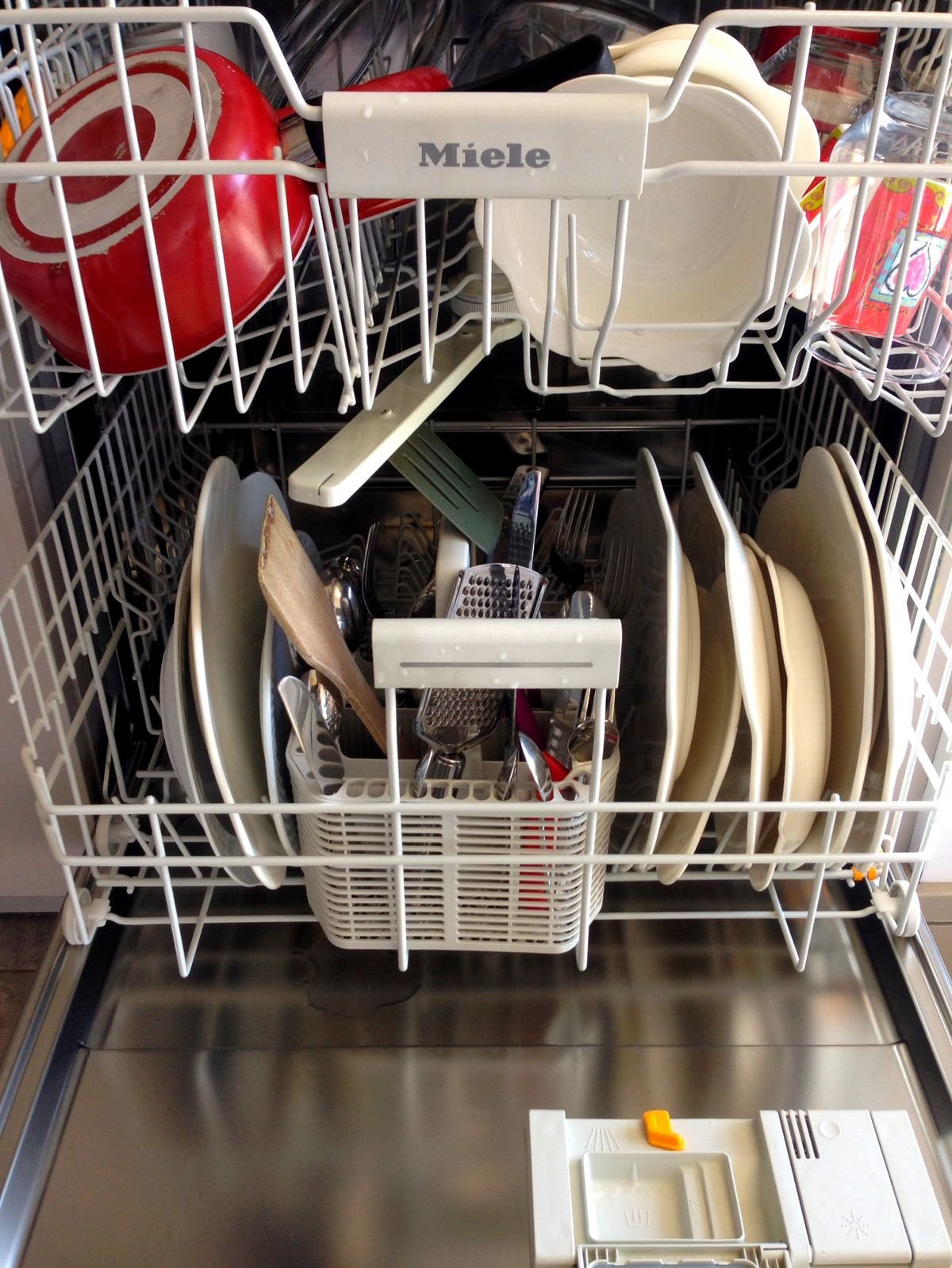
If your dishwasher isn’t draining and you’re finding standing water at the bottom of the tub after every cycle, a clogged pump is usually the reason. Learning how to clean a dishwasher pump can help restore proper drainage and prevent recurring problems. The good news: cleaning it is a straightforward, tool-light job you can usually finish in 15 to 20 minutes without pulling the machine out of its cabinet.
Key Takeaways
- Standing water at the bottom of the tub after a cycle is the clearest sign you need to clean your dishwasher pump.
- Most pumps sit directly under the removable filter and can be reached without disassembling the machine.
- GE Appliances warns against using chemical drain cleaners like Drano in a dishwasher, since they can damage the rubber seals and internal parts.
- A five-minute filter and pump cleaning every month prevents most drainage clogs before they start.
How Do You Know Your Dishwasher Pump Needs Cleaning?
If you open your dishwasher after a completed cycle and find water pooled at the bottom of the tub, that’s the main sign. Other clues include a burning or musty smell during the wash, dishes coming out gritty or still coated in food, or a louder-than-usual grinding noise as the machine tries to drain.
A dishwasher pump’s job is to push water in and out of the tub through every cycle. Food particles, glass fragments, bits of plastic, and grease all pass through that same chamber. Over time, that debris builds up around the impeller (the small spinning wheel that moves the water) and blocks it from turning properly.
Common Causes of a Clogged Dishwasher Pump
A handful of everyday habits account for most pump clogs:
- Skipping the pre-scrape. Large scraps like rice, pasta, bones, and fruit pits are the most frequent cause of a jammed impeller, since they’re too big to pass through the pump but small enough to wedge against the blades.
- Broken glass or dishware. A chipped glass or cracked plate can shed small shards that lodge in the impeller and stop it from spinning.
- Using dish soap instead of dishwasher detergent. Regular hand soap produces far more foam than a dishwasher pump can move, and the excess suds can overwhelm the drain system.
- Hard water mineral buildup. In areas with hard water, mineral deposits accumulate gradually inside the pump housing and narrow the passages the impeller relies on.
- Grease accumulation. Fatty residue from pots and pans can coat the pump chamber over time, especially if the dishwasher runs on shorter, cooler cycles that don’t fully break it down. Left unaddressed, that same buildup can scorch on the heating element and cause lingering odors; if that’s already happened, see our guide on how to get burnt plastic smell out of a dishwasher.
Tools You’ll Need
- A pair of gloves, since food debris and occasional glass fragments collect near the pump
- A soft-bristled brush or old toothbrush
- A sponge or absorbent towel for standing water
- A screwdriver (Phillips or Torx, depending on your model)
- White vinegar or a dishwasher-safe degreaser
How to Clean Dishwasher Pump: Step-by-Step
Most dishwasher pumps are accessible without pulling the whole unit out of its cabinet. Here’s the process most manufacturers, including Bosch, walk owners through for routine maintenance.
- Unplug the dishwasher, or shut off power at the breaker. Never work inside the tub while the machine is connected to power.
- Remove the bottom rack to get clear access to the tub floor.
- Twist and lift out the filter. On most models, the filter sits in the center or rear of the tub and turns counterclockwise to release. Rinse it under warm water with a soft brush to clear trapped food and grease.
- Locate and remove the pump cover, which sits directly beneath where the filter was seated. Some covers lift off by hand using a small tab; others are held with one or two screws.
- Inspect the pump chamber and impeller. Look for glass shards, fruit pits, bottle caps, or broken plastic, common culprits behind a jammed impeller. Remove debris by hand or with needle-nose pliers, and confirm the impeller spins freely once it’s clear.
- Wipe down the chamber with a damp sponge, using a small amount of dish soap if there’s greasy buildup. Avoid pouring dish soap directly into the tub, since it isn’t formulated for dishwashers and can cause oversudsing that mimics a pump clog.
- Reassemble the pump cover and filter in reverse order, making sure the filter twists fully into its locked position; a loose filter is a common cause of poor draining after a cleaning.
- Run a rinse cycle with 2 cups of white vinegar in the bottom of the tub and no dishes loaded. This flushes any remaining residue out of the spray arms and drain lines.
Watch: Unblocking and Cleaning a Dishwasher Drain Pump
What Not to Do
- Don’t use chemical drain cleaners. GE Appliances explicitly warns that products like Drano or Liquid Plumber are too caustic for a dishwasher and can damage the rubber seals and internal components.
- Don’t run the dishwasher with the filter or pump cover removed. It’s tempting to test the drain immediately, but running a cycle without these parts installed can send debris straight into the pump motor.
- Don’t force a jammed impeller with excessive pressure. If it won’t turn freely after clearing visible debris, there may be a deeper obstruction or a failing motor that needs a professional’s attention.
- Don’t ignore the drain hose. A clean pump won’t fix a kinked or clogged hose downstream. If your dishwasher is still draining slowly after cleaning the pump, see our guide on how to clean a dishwasher drain hose.
How Often Should You Clean the Dishwasher Pump?
For most households, a monthly filter and pump check is enough to prevent buildup from becoming a clog. Households that run the dishwasher daily, skip scraping plates before loading, or have hard water may want to check every two to three weeks instead. Between full cleanings, a quick monthly vinegar rinse cycle helps keep grease and mineral deposits from accumulating in the first place.
Loading habits matter too. Scraping large food scraps off plates before loading, and being mindful of where you’re putting your dishwasher detergent, both reduce how much debris ends up anywhere near the pump.
When to Call a Professional
Most pump cleanings are a DIY-friendly, 15 to 20 minute job. Call a professional if:
- The impeller won’t turn even after the chamber is fully cleared of debris
- You hear grinding or a burning smell that continues after cleaning
- Water is still standing in the tub after a full cleaning and vinegar flush
- The pump cover or housing appears cracked or visibly damaged
A technician can test the pump motor directly and tell you whether it needs replacement rather than just cleaning, which isn’t something you can diagnose from the outside. A dishwasher pump motor replacement is a common repair, and getting a diagnosis before buying parts saves you from replacing a component that wasn’t actually the problem. If your dishwasher is older or has had multiple repairs already, it’s also worth asking the technician whether continued repairs make more financial sense than replacement.
Preventing Future Clogs
- Scrape, don’t necessarily rinse, large food scraps before loading dishes. A quick scrape into the trash removes the bulky debris most likely to jam the impeller, without wasting water on a full pre-rinse most modern detergents don’t need.
- Run the garbage disposal briefly before starting the dishwasher if the two share a drain line, so leftover disposal debris doesn’t back up into the dishwasher’s drain path.
- Use dishwasher-safe detergent only, never hand dish soap. This is the single most common oversudsing mistake, and it can make a functioning pump look like it’s clogged.
- Clean the filter monthly, and the full pump chamber every one to three months depending on how often you run the dishwasher and how hard your water is.
- Avoid loading dishes with intact food scraps, bones, or fruit pits, which are the most common causes of a jammed impeller.
- Inspect dishware for chips or cracks before loading them regularly. A slowly deteriorating glass or plate can shed small fragments into the pump over repeated cycles well before it visibly breaks.
FAQ
Where is the dishwasher pump located?
Almost all dishwasher pumps sit at the bottom of the tub, directly beneath the removable filter. You typically don’t need to pull the machine out of its cabinet to reach it.
Can I use vinegar to clean my dishwasher pump?
Yes. White vinegar is safe for the pump chamber and effective for breaking down grease and mineral residue. Avoid bleach or chemical drain cleaners, which can damage rubber components.
Why does my dishwasher have standing water even after I cleaned the filter?
The pump chamber itself, the pump cover, or the drain hose may still be blocked. Work through each in order: filter, pump chamber, then drain hose and drain valve.
Is it normal to see a little water at the bottom of a dishwasher?
A small amount of water, roughly a cup, sitting in the filter area is normal on many models and helps keep the pump seal from drying out. Standing water covering the entire tub floor is not normal and points to a clog.
Wrapping It Up
A clogged dishwasher pump is one of the most common reasons a dishwasher stops draining properly, and in most cases it’s also one of the easiest fixes. Working through the filter, pump cover, and impeller in order, and following up with a vinegar rinse, resolves the majority of standing-water complaints without a service call. If you’ve cleaned everything and the problem persists, that’s the point to bring in a professional rather than keep taking the machine apart.

Hey, My name is MAMON. I am a SEO content creator and affiliate marketer with over 8 years of experience. I create honest product reviews, in-depth buying guides, and practical how-to articles to help readers make informed decisions. My mission is to provide trustworthy, research-backed content that delivers real value.
Leave a Reply