
Here’s how to clean a pepper grinder the right way: empty the peppercorns, dry-brush the mechanism, wipe the exterior with a barely damp cloth, then let everything air dry before you refill it. Clean it every one to two months with regular use. Clean it sooner if the mechanism starts sticking or grinding unevenly. Most damage doesn’t come from the cleaning itself. It comes from using water or oil where it doesn’t belong, and that single mistake ruins more pepper mills than anything else.
This guide covers how to clean a pepper grinder by material type. It also covers how often to clean one, plus fixes for sticking, clogging, and rust.
Key Takeaways
- Never submerge a pepper grinder’s grinding mechanism in water. Most manufacturers, including Cole & Mason, recommend a dry brush for the mechanism and a barely damp cloth for the exterior only.
- Clean a pepper grinder every one to two months with regular use. Clean it right away if pepper stops grinding evenly or the mechanism feels sticky.
- Wood pepper mills need the least water of any material. Ceramic grinding cones can handle a rinse and dry, but the wood body around them should stay dry.
- Most sticking and clogging comes from oily pepper residue or trapped moisture, not from a worn-out grinder.
- If a mill won’t grind at all, disassembling it and cleaning it dry almost always fixes the problem, and replacement rarely does.
Why a Pepper Grinder Needs Regular Cleaning
Ground pepper leaves behind a fine, oily residue every time you use the mill. On its own, a little residue isn’t a problem. Over weeks of regular use, that oil builds up inside the mechanism. It mixes with dust and pepper fragments and starts to gum up the moving parts. That’s what makes a grinder feel stiff, grind unevenly, or stop working altogether.
Moisture makes the problem worse. A pepper mill stored near a stove or a sink picks up steam and humidity. That humidity turns oily residue into a sticky paste, and in wood mills, it can encourage mold inside the body over time. None of this happens overnight. That’s why a mill you’ve never cleaned often grinds noticeably worse after a year or two, even though nothing about it has actually failed.

What Not to Do: The Mistakes That Damage a Pepper Mill
Before the steps, it helps to know what to avoid, since this is where most damage happens.
Don’t submerge the mechanism in water. The grinding mechanism, whether it’s the whole unit in a basic mill or just the ceramic or steel cone at the base, can’t handle full submersion. Cole & Mason’s own cleaning guidance recommends a dry brush for the mechanism instead. Water trapped inside causes clogging, and in metal mechanisms, it causes rust.
Don’t use cleaning sprays or solvents. Household cleaning sprays leave residue that transfers to food the next time you grind pepper into it. Plain water on a cloth, used sparingly on the exterior only, does the job just as well.
Don’t put a wood mill in the dishwasher. Heat and prolonged water exposure warp, crack, or delaminate a wood pepper mill body. Even mills labeled dishwasher-safe usually mean the removable parts only, not the wood housing. Check your specific model’s manual rather than assume.
Don’t grind directly over a steaming pot. Steam rising into an open mill introduces moisture into the mechanism, and it adds up over repeated use. Season away from the pot instead, then move the food to the plate or season right before serving.
If you’ve already run into a mill that won’t open or won’t grind at all, two guides can help: how to open an OXO salt and pepper grinder and how to put a pepper grinder back together. Both cover these specific problems in more depth than this guide does.
How to Clean a Pepper Grinder: Step-by-Step
1. Empty the Mill Completely
Unscrew or unlock the top of the mill according to your model. Invert it over a bowl or the trash and grind out any remaining peppercorns. If a few peppercorns stick, a couple of empty rotations usually clears them. An empty mill is much easier to inspect and clean.
2. Dry-Brush the Mechanism
Grab a small, dry brush, a clean pastry brush, an unused paintbrush, or even a dry toothbrush works. Use it to clean out the grinding mechanism itself. Focus on the threads, the gears or burrs, and any crevices where pepper dust collects. This one step resolves most sticking issues, since built-up pepper residue causes them far more often than an actual mechanical fault.
3. Wipe the Exterior With a Barely Damp Cloth
Lightly dampen a soft cloth with plain water and wring it out well so it’s not dripping. Wipe down the outside of the mill, then dry it right away with a second, dry cloth. This keeps the exterior clean without introducing moisture anywhere near the mechanism.
4. Clean the Ceramic or Steel Grinding Cone, If Removable
Many modern mills, including those with a CrushGrind-style mechanism, let you unscrew and remove the grinding cone separately from the body. Robert Welch’s care instructions for their CrushGrind mills note that you can rinse the ceramic cone under water. Just dry it thoroughly before it goes back in. It’s the wood or acrylic body around it that needs to stay dry, not the ceramic mechanism itself.
5. Let Everything Air Dry Completely Before Refilling
This is the step people skip, and it matters. Any moisture you leave in the mechanism will clump and clog fresh peppercorns almost immediately. Give all the parts at least 30 minutes of air drying, longer in humid climates, before you reassemble and refill.
This video from Cole & Mason shows the disassembly and cleaning steps in order:
Cleaning Differences by Material
Not every pepper mill uses the same materials, and that changes how much water it can safely tolerate.
Wood mills need the driest treatment of the three. Never wet the wood body itself. Stick to a dry brush inside and a barely damp cloth outside, and keep wood mills away from the sink and stove entirely.
Acrylic and plastic mills tolerate slightly more moisture on the exterior without warping. The mechanism inside still needs to stay dry, though, since most acrylic mills use the same ceramic or steel grinding cores as wood mills.
Stainless steel and electric mills wipe clean the most easily of the three. Electric models add a battery compartment and motor, though, and those must never get wet. If you own an electric mill, our guide to electric salt and pepper grinders covers care notes specific to those models.
How Often Should You Clean a Pepper Grinder?
Clean a daily-use mill about once a month. Clean an occasional or weekly-use mill once every two to three months. Outside that schedule, clean it any time you notice uneven grinding, clumpy output instead of fine dust or coarse flakes, or a mechanism that feels harder to turn than it used to.
Switching a mill between different peppercorns, say from black pepper to a pink peppercorn blend? Do a quick dry-brush clean in between so the flavors don’t mix.
Troubleshooting Common Problems
Grinder feels stuck or won’t turn. Residue buildup causes this far more often than a broken mechanism. Empty the mill, dry-brush it thoroughly, and let it dry completely before you try again. Still stuck after a full clean? Check whether a peppercorn wedged sideways inside the mechanism.
Pepper comes out clumpy instead of a fine grind. Moisture usually causes clumping. Stop using the mill and let it air dry for a few hours in a cool, dry spot. Then check whether anything splashed or steamed near it recently.
Grinder is developing rust spots. Rust on a metal mechanism means water reached a part that should have stayed dry. Our full guide on how to prevent rust in salt and pepper grinders covers prevention and what to do once rust has already started.
Salt residue is building up if you use the same mill for salt. Salt corrodes faster than pepper and clogs differently.
Electric and Battery-Powered Mills Need One Extra Step
Electric pepper mills add a battery compartment and a small motor to the same basic mechanism as a manual mill. That compartment should never see moisture at all, not even a damp cloth nearby. Remove the batteries first before you clean an electric mill. This protects the contacts from accidental moisture and keeps the motor from engaging while you brush out the mechanism. Wipe the battery compartment with a completely dry cloth only. Check the contacts now and then for white, chalky buildup, since that usually signals a battery left in too long rather than a cleaning problem.
Storing a Pepper Grinder to Keep It Clean Longer
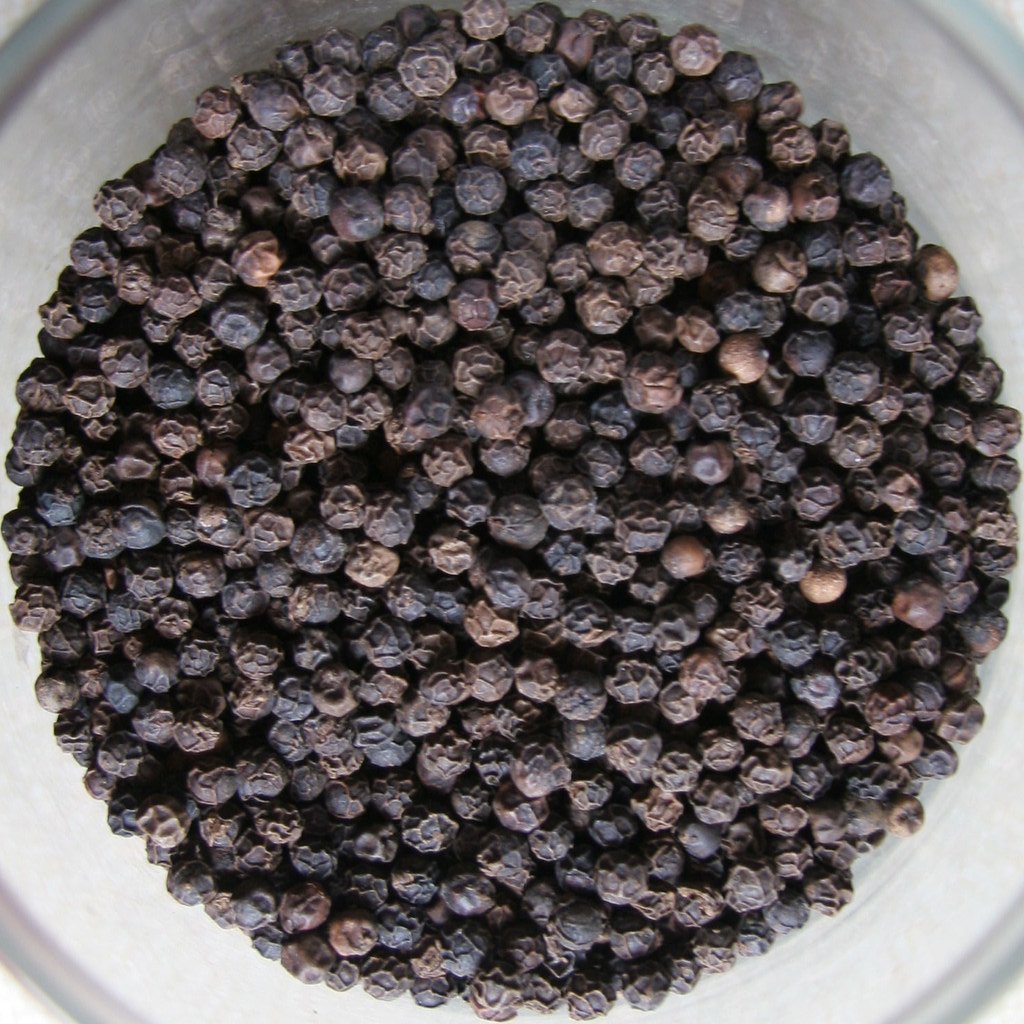
Where you store a mill between uses matters almost as much as how you clean it. Keep it away from the stove, the sink, and any spot that catches steam or splashes. A spice rack, a drawer, or a spot on the counter a couple feet from the cooktop all work better than right next to it. Standing the mill upright rather than laying it on its side also keeps residual oil from pooling on one side of the mechanism.
Fresh, dry peppercorns help too. Old or poorly stored peppercorns carry more oil and moisture into the mechanism than fresh ones do. Not sure which peppercorns work best in your model? Our guide to how to use a pepper grinder covers loading and grind-size adjustment in more detail.
Choosing a Pepper Grinder That’s Easier to Clean
Is your current mill a constant hassle to keep clean? Consider a model built for easier maintenance next time you replace one. Mills with a removable, dishwasher-safe grinding cone, ceramic CrushGrind-style mechanisms in particular, deep-clean far more easily than mills with a fixed mechanism. Our guide on how to choose the right salt and pepper grinder walks through what to look for, including maintenance factors like this one.
Frequently Asked Questions
Can I put a pepper grinder in the dishwasher?
Generally no, unless the manufacturer’s manual says otherwise for a specific removable part. Heat and prolonged water exposure damage wood mills, and they can affect the seals and mechanisms on plastic or steel ones too. Hand-clean with a dry brush and a barely damp cloth instead.
Why does my pepper grinder feel sticky?
Built-up pepper oil, sometimes mixed with a little humidity, causes most sticky mechanisms. A thorough dry-brush cleaning followed by full air drying fixes this in most cases, and you won’t need to replace the grinder.
Is it safe to use vinegar or soap to clean a pepper grinder?
It’s best to avoid both. Vinegar and soap residue can transfer into ground pepper and change the taste of your food. Manufacturers like Cole & Mason and Robert Welch recommend plain water on the exterior only, plus a dry brush for the mechanism.
How do I know if my pepper grinder needs cleaning versus replacing?
If the mill still turns and grinds, even unevenly, cleaning almost always fixes it. You’ll usually only need to replace it if the mechanism has visibly cracked, metal parts have rusted through, or a wood body has warped or split.
Can I clean a pepper grinder with compressed air?
Yes. A can of compressed air, the kind people use for cleaning keyboards, can dislodge dust and small pepper fragments from tight spots in the mechanism. Treat it as a helpful addition to a dry brush, not a replacement for regular cleaning.
Should I clean a new pepper grinder before using it for the first time?
It’s a good habit, mainly to clear out manufacturing dust or packing residue. A quick dry-brush through the mechanism, plus a wipe of the exterior with a barely damp cloth, is enough before you load it with peppercorns for the first time.

Hey, My name is MAMON. I am a SEO content creator and affiliate marketer with over 8 years of experience. I create honest product reviews, in-depth buying guides, and practical how-to articles to help readers make informed decisions. My mission is to provide trustworthy, research-backed content that delivers real value.
Leave a Reply