Imagine starting your day with the smell of freshly brewed coffee, a cozy ritual many of us love. But have you ever thought about how many watts a coffee maker uses? This guide explores how much power coffee makers need and how to choose an efficient one.
Coffee is a big part of daily life in the U.S., enjoyed in offices and at home alike. Knowing how many watts your coffee maker uses can help you save energy and money, making choices that are good for both your wallet and the planet.
Key Takeaways
- Average coffee makers consume 550-1500 watts of power, depending on type and features.
- Drip coffee makers are the most energy-efficient, while single-serve and espresso machines use more power.
- Coffee makers draw up to about 1.7 kW during the brewing process itself, though only for a few minutes.
- Sustainable solutions like solar generators can power your coffee maker in off-grid or emergency situations.
- Understanding your coffee maker’s energy usage can help you manage your household’s overall energy consumption and costs.
Power Terms: What Watts and kWh Mean for Your Coffee Maker
To understand how many watts a coffee maker uses, it helps to know two terms. The watt (W) shows how much energy something uses at a given moment; a 1000-watt coffee maker draws 1000 watts while running. The kilowatt-hour (kWh) measures energy used over time and is what shows up on your electricity bill: multiply wattage by hours run, then divide by 1,000.
What is a Watt and Kilowatt-hour
A watt (W) is the basic power unit, equal to one joule per second. A kilowatt-hour (kWh), by contrast, measures energy used over time, and it’s what you’ll see listed on your electricity bill.
How Power Consumption is Measured
Power consumption is how much electricity an appliance uses at a given moment, usually measured in watts. To figure out your coffee maker’s energy use, use this formula: Energy (kWh) = [Wattage (W) × Time (hours)] / 1000.
Understanding Your Energy Bill
Your energy bill shows electricity use in kilowatt-hours for the billing period. According to the U.S. Energy Information Administration, the average U.S. residential electricity rate was 16.48 cents per kWh in 2024, so knowing your coffee maker’s wattage lets you estimate its real cost.
| Appliance | Typical Wattage Range |
|---|---|
| Drip Coffee Maker | 600 to 1200 watts |
| Single-Serve Coffee Maker | 900 to 1500 watts |
| Espresso Machine | 1000 to 1500 watts |
Average Power Consumption of Different Coffee Makers
Choosing an energy-efficient coffee maker matters more than most people expect, since power use across the category ranges from 550 to 1,500 watts.
Drip coffee makers, the most common type, use 550 to 1,200 watts; smaller ones use less, while larger 10 to 12-cup models reach the top of that range. Single-serve pod machines like Keurig and Nespresso generally use more, 900 to 1,500 watts, since they heat water quickly for a single cup on demand. Espresso machines are also energy-hungry, with some models reaching 1,500 watts, since high-pressure brewing and extras like milk frothing add to the draw.
| Coffee Maker Type | Typical Power Consumption (Watts) |
|---|---|
| Drip Coffee Makers | 550 – 1,200 |
| Single-Serve Pod Machines | 900 – 1,500 |
| Espresso Machines | 1,000 – 1,500 |
If your priority is keeping wattage low, our guide to low-wattage coffee makers rounds up efficient models worth considering.
Factors Affecting Coffee Maker Energy Usage
How many watts a coffee maker uses can vary quite a bit within the same category. Knowing what drives that variation helps you use less energy and lower your bills.
Brewing Time and Temperature
The brew time and temperature setting matter a lot, since longer cycles and higher temperatures use more power. Look for machines with adjustable settings if saving energy is a priority.
Machine Size and Capacity
Machine size and batch capacity also affect power draw, since bigger machines generally use more power. Picking one sized to your actual needs helps avoid wasted energy.
Additional Features Impact
Today’s coffee makers often add warming plates and programmable timers. These are convenient but use more energy, so balance features against efficiency.
| Coffee Maker Type | Average Power Consumption |
|---|---|
| Drip Coffee Makers | 550-900 watts |
| Single-Serve Machines | 900-1500 watts |
| Espresso Machines | 1000-1500 watts |
Understanding these energy consumption factors, along with general coffee maker efficiency and power usage variables, helps you choose better and spend less on electricity.
How Many Watts Does a Coffee Maker Use
Thinking through your coffee maker’s energy use is worth it for your morning routine. On average, a coffee maker uses around 800 watts to brew a 4-cup pot in 10 minutes, which works out to about 0.13 kWh, or roughly 2 cents at the national average electricity rate.
Here’s the formula again for reference: Energy (kWh) = wattage (W) × time (hours) / 1,000. For example, a 2,000-watt coffee maker running for 2 minutes uses about 0.067 kWh. At the national average rate of 16.48 cents per kWh, that’s roughly 1 cent per brew. Actual energy use and cost will shift based on your coffee maker’s model, features, and local electricity rates.
| Appliance | Wattage Range |
|---|---|
| Coffee Maker | 550W – 1500W |
| Microwave | 600W – 1200W |
| Refrigerator | 300W – 800W |
| Toaster | 800W – 1500W |
| Blender | 500W – 700W |
| Electric Kettle | 1200W – 1500W |
Coffee makers use a fair amount of power compared to other kitchen appliances, though only for a few minutes at a time. You can cut down on energy use by unplugging it when not in use or choosing a more efficient model.
How Many Watts Different Coffee Maker Types Use
Not all coffee makers use the same amount of energy, since the type of machine affects how much power it draws. Here’s how many watts each category typically uses:
Drip Coffee Makers
Drip coffee makers are the most common type. Smaller models use 550 to 900 watts, while larger ones use 750 to 1,200 watts. Models with extra features, like programmability or thermal carafes, tend to use more power.
Single-Serve Machines
Single-serve pod coffee makers, like Keurig or Nespresso, use 900 to 1,500 watts, since they need to heat water quickly for each individual cup. This is what makes them draw more power than most drip brewers.
Espresso Machines
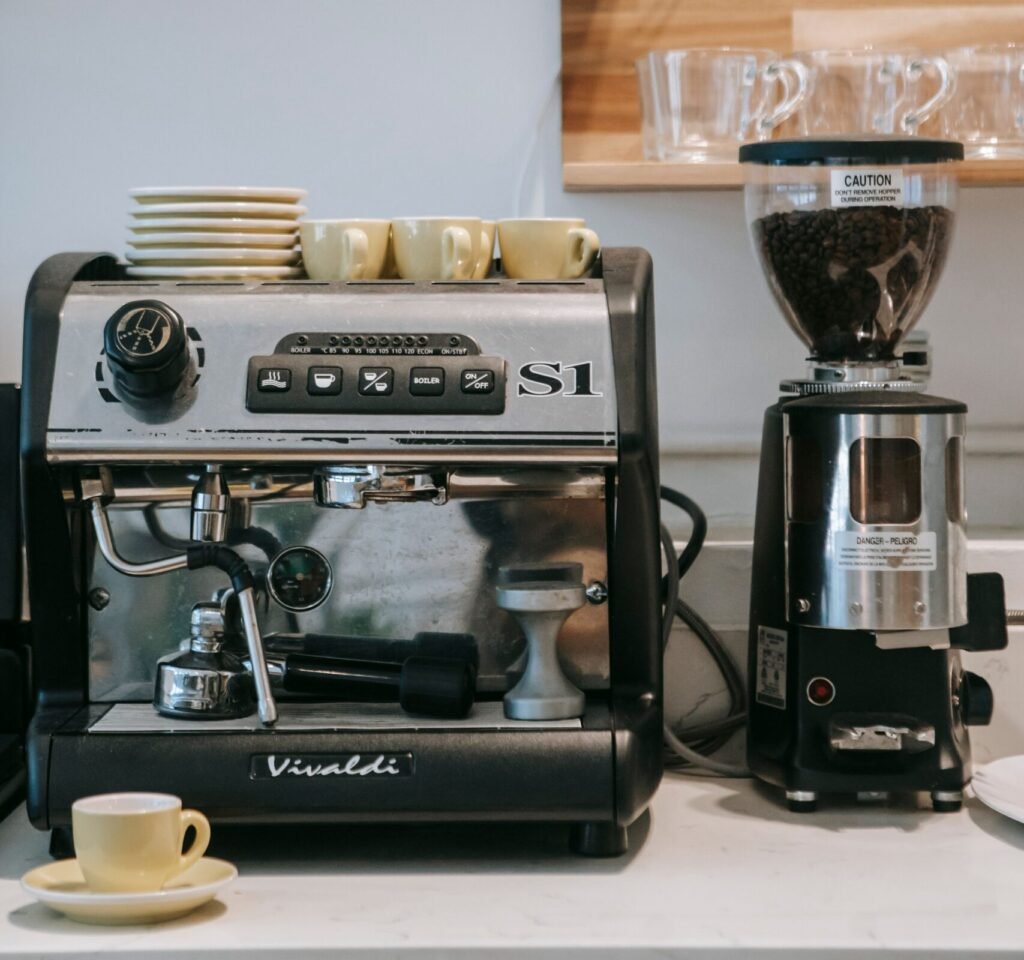
Automatic espresso machines typically need 1,000 to 1,500 watts, since generating high-pressure water and steam takes more energy than simple drip brewing.
| Coffee Maker Type | Typical Wattage Range |
|---|---|
| Drip Coffee Makers | 550 – 1,200 watts |
| Single-Serve Machines | 900 – 1,500 watts |
| Espresso Machines | 1,000 – 1,500 watts |
Energy use varies within these ranges depending on the machine’s features, size, and brand, so it’s worth checking a specific model’s nameplate rating before you buy.
Energy Usage During Different Brewing Stages
The brewing process itself is the main energy draw, using up to about 1.7 kilowatts to heat and circulate water; espresso machines need extra power on top of that to pressurize water. After brewing, keeping coffee warm uses much less, typically 200 to 400 watts. Some machines shut off automatically once the water reaches a set temperature, which helps save energy too.
- Coffee makers use up to 1.7 kW of power during the brewing process.
- Espresso machines also need power to pressurize the water, on top of heating it.
- Keeping coffee warm typically uses 200-400 watts of power.
- Some models have an auto-off feature to conserve energy once they reach the target temperature.
Understanding how your coffee maker uses power at each stage can help you brew more efficiently and reduce your energy use overall.
Comparing Coffee Maker Power Usage to Other Kitchen Appliances
Coffee makers are often overlooked in conversations about kitchen energy use, yet they add up. Here’s how they compare to other common kitchen appliances.
Common Appliance Wattage Chart
| Appliance | Wattage Range |
|---|---|
| Coffee Maker | 550W – 1,500W |
| Microwave | 600W – 1,200W |
| Kettle | 1,200W – 1,500W |
| Refrigerator | 300W – 800W |
| Blender | 500W – 700W |
| Toaster | 800W – 1,500W |
Coffee makers draw about the same wattage as microwaves and toasters, 550 to 1,500 watts. Curious how those compare? Our guides on toaster wattage and blender wattage break down the numbers.
Nameplate wattage only tells part of the story, since it ignores how long an appliance runs. Refrigerators use lower wattage but run in cycles around the clock, so they often cost more per day than higher-wattage appliances that run for just a few minutes.
Daily Energy Cost Comparison
A 1,500-watt coffee maker used an hour a day uses about 1.5 kWh, costing roughly $0.25 a day at the national average rate.
A refrigerator tells a different story. Its nameplate wattage looks lower, but its compressor cycles on and off continuously, and according to EnergySage, a typical refrigerator uses about 4 kWh per day in real use. At the same rate, that’s roughly $0.66 a day, more than double the coffee maker’s cost despite its lower wattage.
Knowing actual usage, not just nameplate wattage, helps you make smarter choices about where to cut electricity costs.
Tips for Reducing Coffee Maker Energy Consumption
A few simple habits can meaningfully cut your coffee maker’s energy use. Brew a larger batch at once and store it in a vacuum flask instead of running the machine for several small cups, since repeated short cycles add up. Also consider a lower-wattage model, and skip features you don’t use, like a warming plate left on for hours.
Always unplug your coffee maker when you’re done, since that stops standby power draw. Keeping it clean and descaled also helps it run efficiently.
Conclusion: How Many Watts Does a Coffee Maker Use
So, how many watts does a coffee maker use, in short? Most fall somewhere between 550 and 1,500 watts, with drip machines on the lower end and single-serve pod and espresso machines drawing more. The good news is that a coffee maker only pulls that power for a few minutes at a time, so even a higher-wattage model rarely costs more than a few cents per pot at typical U.S. electricity rates.
To keep costs down further, brew larger batches instead of several small ones, skip features you don’t need, and unplug the machine when idle. Small habits like these add up over a year of daily coffee. For a deeper look at how brewing works, our guide on how a coffee maker works is a good next read.
FAQs: How Many Watts Does a Coffee Maker Use
How many watts does a coffee maker typically use?
Coffee makers use 550-1500 watts, depending on the brand, size, and type. Drip coffee makers use 550-1200 watts. Single-serve pod coffee makers use 900-1500 watts. Automatic espresso machines can use up to 1500 watts.
What are the basic units of power and energy?
Watt (W) is the basic unit of power, equal to one joule per second. Kilowatt (kW) is 1,000 watts. Kilowatt-hours (kWh) measure energy over time, and that’s what shows up on utility bills.
How much energy do various coffee maker models consume?
Wattage varies by brand and model: single-serve machines like a Keurig commonly run around 1,500 watts, and premium espresso machines can reach a similar range. Small drip coffee makers use 550-900 watts, while larger models use 750-1,200 watts. Always check your specific model’s nameplate for its exact rating.
What factors affect a coffee maker’s energy consumption?
Energy use depends on the coffee maker’s type, size, and features. Larger machines need more power, and features like warming plates and timers increase power use. Brew time and heating duration matter too.
How can I calculate the energy consumption of my coffee maker?
Use this formula: Energy (kWh) = wattage (W) × time (hours) / 1,000. For example, a 2,000W coffee maker running for 2 minutes uses about 0.067 kWh, which costs roughly 1 cent at the U.S. average rate of 16.48 cents per kWh.
How do different types of coffee makers compare in energy efficiency?
Drip coffee makers are generally the most energy-efficient. Espresso machines use more, and single-serve pod machines tend to be the least efficient per cup, since they heat water fast for individual servings.
When do coffee makers use the most energy?
Coffee makers use the most power while actively brewing, drawing up to about 1.7 kW to heat water and push it through the machine. Keeping coffee warm afterward uses much less, around 200-400 watts.
How do coffee makers compare to other kitchen appliances in power consumption?
Coffee makers (550-1,500W) have similar power ratings to microwaves (600-1,200W) and toasters (800-1,500W). Refrigerators use less wattage (300-800W) but run continuously in cycles, so they often use more energy per day overall.
How can I reduce my coffee maker’s energy consumption?
Brew larger batches and store the coffee in a vacuum flask instead of making several small pots. Choose an energy-efficient model, skip unnecessary features, and unplug the coffee maker when not in use. Regular descaling and cleaning also help it run efficiently.

Hey, My name is MAMON. I am a SEO content creator and affiliate marketer with over 8 years of experience. I create honest product reviews, in-depth buying guides, and practical how-to articles to help readers make informed decisions. My mission is to provide trustworthy, research-backed content that delivers real value.
Leave a Reply