For many of us, making a fresh cup of coffee in the morning is essential. Knowing how does a coffee maker work helps you get a better cup every single day.
I remember the first time I used an automatic drip coffee maker and actually paid attention to what it was doing. I was amazed at how much temperature and grind size mattered, and that curiosity is what this guide is built on.
Key Takeaways
- See exactly how does a coffee maker work, from the heating element to the final drip
- Compare the main types of coffee makers and what makes each one different
- Learn how to dial in water temperature, grind size, and coffee-to-water ratio
- Understand the science behind coffee extraction and how it shapes flavor
- Pick up maintenance habits that keep any coffee maker brewing well for years
Understanding the Basics of How Coffee Makers Work
Making the perfect cup of coffee starts with understanding the machine doing the work.
Components of a Coffee Maker
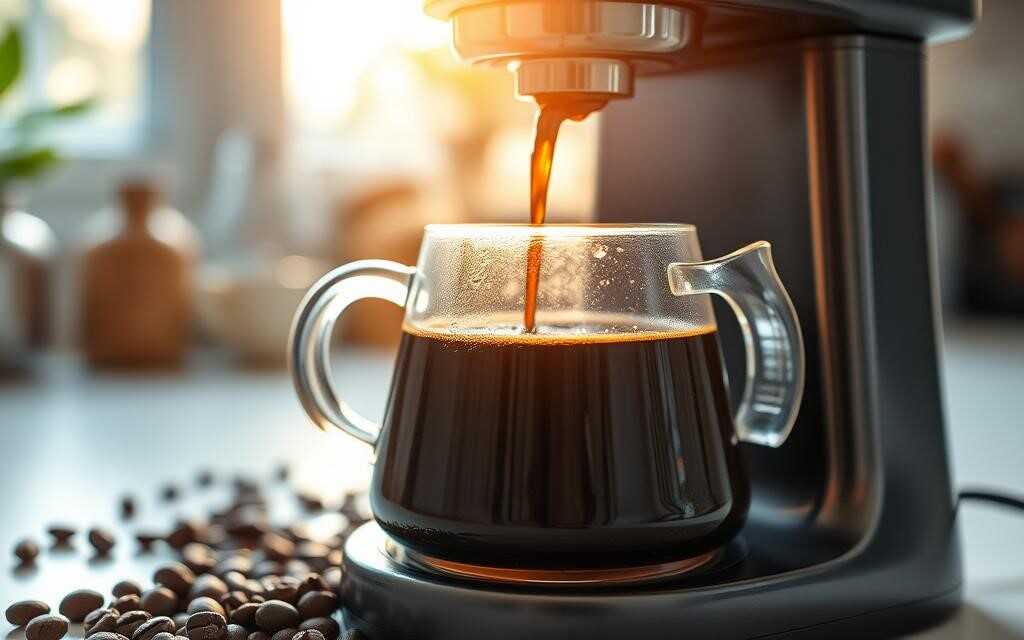
A standard coffee maker has four main parts: the water reservoir holds water before brewing, the filter basket holds the grounds, the heating element warms the water and often keeps the carafe warm afterward, and the carafe collects the finished coffee.
Types of Coffee Makers Available
- Drip coffee makers: heat water and let it drip evenly over grounds, the most common setup in American homes.
- Espresso machines: use pressure to force hot water through finely packed grounds for a concentrated shot.
- French press: steeps grounds directly in hot water, then separates them with a mesh plunger.
- Pod or capsule coffee makers: use pre-measured pods for a fast, single-serve cup.
- Moka pots: stovetop devices that use steam pressure to produce a strong, espresso-like brew.
The Importance of Quality Equipment
Well-built coffee equipment makes a real difference in the cup: accurate temperature control and consistent flow rates extract flavor more evenly, and keeping the machine clean matters just as much. If you also want to know how much electricity yours draws, see our guide on how many watts a coffee maker uses.
How Does a Coffee Maker Work
So how does a coffee maker work, step by step? It’s a short chain of events that turns cold water and ground beans into a finished drink.
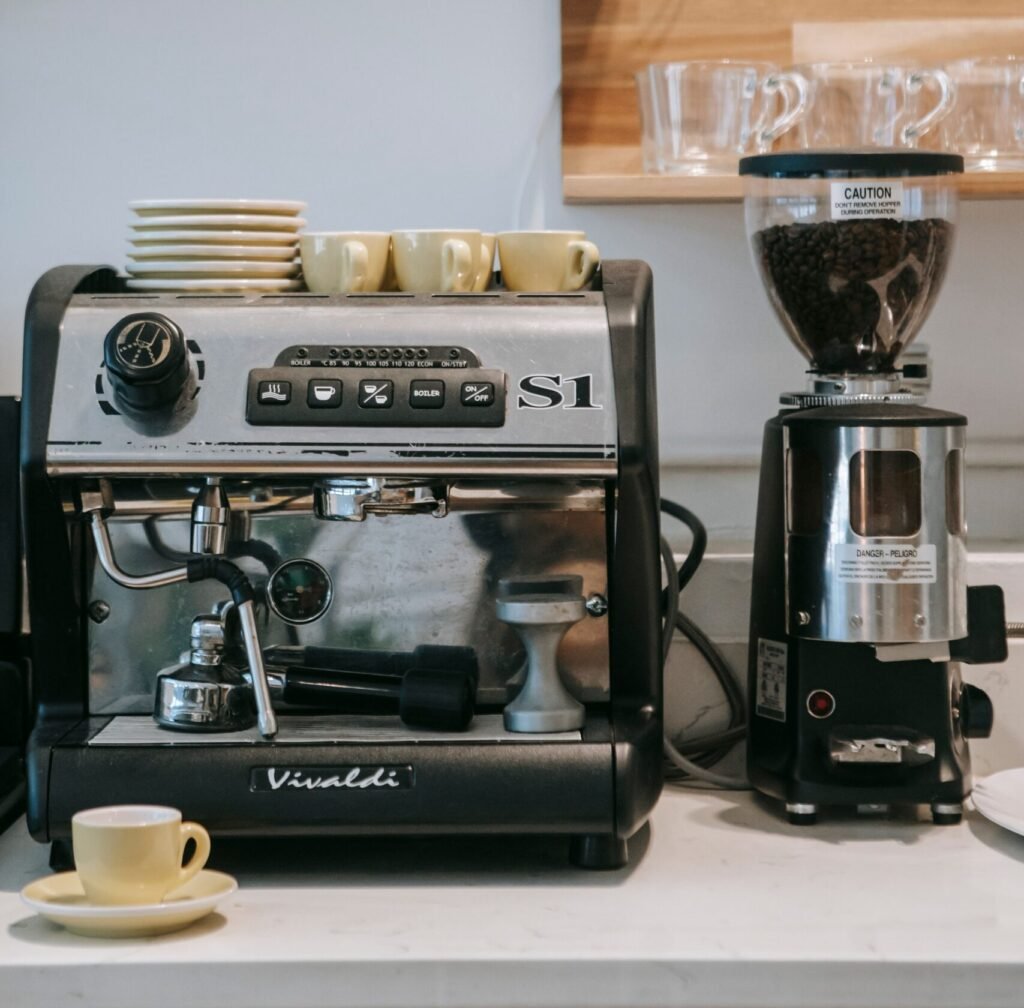
The heating element is the heart of the operation, heating water to between 195°F and 205°F, the range the Specialty Coffee Association’s brewing standards identify as ideal for extracting flavor without scorching the grounds. Pressure then pushes the hot water up a small tube and out over the grounds.
Contact time matters too. A standard drip machine takes roughly 3 to 5 minutes to brew a full pot, which the National Coffee Association’s brewing guidelines note is enough for balanced flavor without over-extracting. Espresso finishes in under a minute using pressure instead of gravity, while cold brew takes hours since it skips heat.
Staying on top of cleaning keeps the process working right, since oil and mineral buildup inside the lines and filter basket is often why a once-great machine starts tasting flat.
Newer coffee maker features, like programmable start times, don’t change this core process. They just make it easier to control once you understand how does a coffee maker work at its core.
Essential Elements for Perfect Coffee Brewing
Beyond how a coffee maker works internally, a great cup also depends on a few things you control directly: water quality, bean choice, and grind size.
Water Quality and Temperature
If your tap water tastes off, filtered or bottled water will noticeably improve the cup. As mentioned above, the ideal brewing temperature sits between 195°F and 205°F (roughly 90°C to 96°C).
Coffee Bean Selection
Picking quality coffee beans matters just as much as the machine. Origin, variety, and roast level all shape flavor, so it’s worth trying a few options.
Grind Size Importance
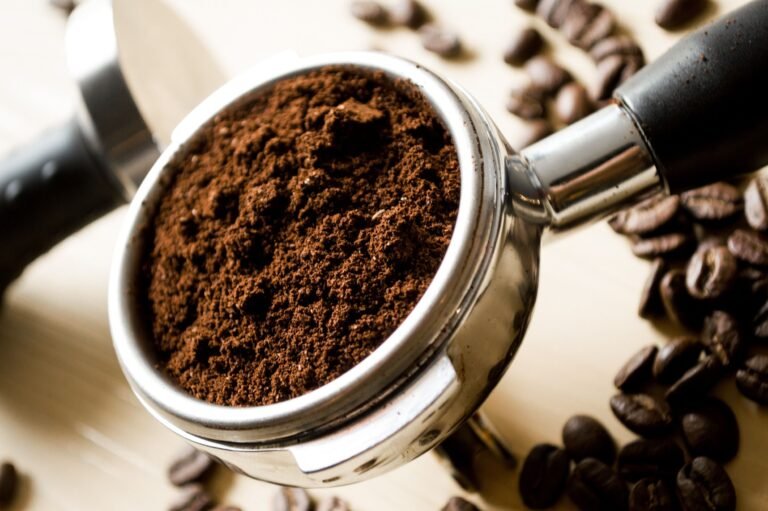
Grind size has an outsized effect on taste. Too fine tends to over-extract and taste bitter, while too coarse under-extracts and tastes weak or sour. Matching grind size to your brewing method fixes most of this.
| Brewing Method | Recommended Grind Size |
|---|---|
| Espresso | Fine |
| Pour-Over (V60, Chemex) | Medium-Coarse |
| French Press | Coarse |
| Automatic Drip | Medium-Fine |
| AeroPress | Fine-to-Medium |
Get water quality, bean selection, and grind size working together, and the rest of the process has a lot less room to go wrong.
The Science Behind Coffee Extraction
The coffee extraction process is a balancing act between water, heat, and ground coffee. It’s what unlocks the flavors that make a perfect cup of coffee, and it explains why two people can brew the same beans and get different results.
Brewed coffee is mostly water. Only about 1 to 1.5% of the final cup is dissolved solids pulled from the grounds, which determines strength and flavor. That’s why fresh coffee “blooms” when hot water first hits it, releasing trapped carbon dioxide.
Several factors control extraction: contact time, grind size, water temperature, and filter type. Finely ground coffee has more surface area, so it extracts faster, while coarser grinds need more time.
| Brew Method | Ideal Grind Size | Extraction Yield |
|---|---|---|
| Espresso | Very Fine | 7-12% dissolved compounds |
| Filter Coffee | Medium | 1-2% dissolved compounds |
| French Press | Coarse | 1-2% dissolved compounds |
Under-extraction leaves coffee tasting sour and thin; over-extraction makes it bitter and dry. The Specialty Coffee Association’s brewing standards linked above are a useful reference if you want to fine-tune beyond “tastes about right.”
Key Features of Modern Coffee Makers
Today’s coffee makers build on the same basic process with features that make it more consistent and convenient.
Automatic Functions and Temperature Control
Many machines let you schedule a brew time and offer strength settings. Better temperature control systems keep water in the 195°F to 205°F window throughout the whole cycle, not just at the start, which is a key difference between budget and higher-end models.
Brewing Capacity Options
Coffee makers range from compact single-serve machines to large-capacity pots, and some newer models include built-in grinders or milk frothers. Our coffee grinder and brewer reviews cover several combo options.
Step-by-Step: How a Coffee Maker Works From Start to Finish
Here’s the process most drip machines follow, start to finish.
- Fill the water reservoir with clean, filtered water (about 45 oz for a standard 10-cup pot).
- Place a paper or reusable filter in the filter basket.
- Measure your coffee. The “Golden Ratio” is about 2.75 oz (65 g) of grounds for a 10-cup batch.
- Pour the grounds into the filter basket, spreading them evenly.
- Set the carafe under the brew basket, ready to catch the coffee.
- Start the brew cycle. Most machines take 3 to 5 minutes for a full pot.
- Once brewing stops, serve. Many machines include a keep-warm plate or automatic shutoff.
Getting a great cup consistently comes down to these steps and adjusting temperature, grind size, and ratio as needed. For a simpler walkthrough, our guide on how to brew coffee in a coffee maker covers the same ground with more troubleshooting tips.
Optimizing Your Coffee-to-Water Ratio
A common starting point is 1 to 2 tablespoons of coffee for every 6 ounces of water, though most people adjust this to taste.
The Golden Ratio Explained
The “golden ratio” is a solid starting point, not a hard rule. A ratio between 1:15 and 1:18 (coffee to water, by weight) is generally considered balanced.
Measuring Techniques
A kitchen scale is the most accurate way to measure both coffee and water. Scoops and tablespoons work for a rough estimate, but they introduce more variation between brews.
| Brew Strength | Coffee-to-Water Ratio | Grind Size | Brew Time |
|---|---|---|---|
| Mild | 1:18 | Medium-fine | 3 minutes |
| Average | 1:16 | Medium-fine | 5 minutes |
| Strong | 1:15 | Medium-fine | 5-6 minutes |
| Robust | 1:13 | Medium-fine | 6 minutes |
As with grind size, the best way to find your ideal ratio is to try a few and note what you prefer.
Maintenance and Cleaning Guide
Keeping a coffee maker clean isn’t just about hygiene. It affects how well the machine works and how the coffee tastes, and regular coffee maker cleaning extends the machine’s life.
Rinse and Clean After Each Use
- Rinse removable parts, like the carafe and filter basket, with hot water after each use.
- Wipe down the exterior with a damp cloth to remove spills and residue.
Deep Clean Monthly
Once a month, run a cycle with equal parts white vinegar and water to clear mineral deposits that plain rinsing can’t reach.
Descale Every 3-6 Months
Descaling prevents mineral buildup from affecting heating performance and flow rate. Use a descaling solution or vinegar mixture, following the manufacturer’s instructions. Consistent maintenance is often the difference between a machine that lasts years and one that needs replacing early. If energy use factors into a replacement decision, our low-wattage coffee maker guide is worth a look.
Common Brewing Mistakes to Avoid
A few common mistakes can quietly undercut your coffee’s flavor.
Temperature Troubles
Outside the 195-205°F window, coffee tends to taste bitter (too hot) or weak and sour (too cold). Temperature is often the first thing worth checking.
Grind Size Gaffes
A grind that’s too coarse leaves coffee weak; too fine, and it turns bitter. Adjusting grind size is usually the fastest fix.
Storage Snafus
Air, light, and moisture degrade beans quickly. Store them in an airtight container in a cool, dark spot, and use within three weeks of roasting for the best flavor.
| Brewing Mistake | Potential Impact | Recommended Solution |
|---|---|---|
| Incorrect Water Temperature | Bitterness or a watered-down taste from over- or under-extraction | Keep brewing temperature in the 195-205°F range |
| Improper Grind Size | Weak (too coarse) or bitter (too fine) brew | Match grind size to your brewing method |
| Improper Coffee Storage | Stale, flat-tasting coffee from air, light, and moisture exposure | Store beans airtight, in the dark, and use within three weeks of roasting |
Advanced Brewing Tips and Techniques
Once the basics are solid, a few advanced techniques can push your coffee further.
Try a short bloom before the main brew: letting grounds sit with a little hot water for 30 seconds to a minute lets trapped gas escape and improves extraction.
Experimenting with different specialty coffee origins is worth it too. Ethiopian beans tend to be bright and fruity, while Colombian beans lean chocolatey. To explore beyond drip brewing, see our automatic espresso machine reviews.
A burr grinder produces more even grounds than a blade grinder, and a digital scale takes guesswork out of daily brewing. Manual methods like pour-over and French press give you the most direct control over temperature, grind size, and contact time.
Conclusion: How Does a Coffee Maker Work, and How to Get the Best Cup
At its core, every coffee maker follows the same idea: heat water to the right temperature, bring it into contact with ground coffee for the right amount of time, and separate the liquid from the grounds. Once you understand how does a coffee maker work at that level, improving your coffee becomes a matter of adjusting a few clear variables rather than guessing.
Water temperature, bean quality, grind size, and ratio all interact, and what tastes perfect to one person won’t taste perfect to someone else. That’s what makes dialing in your own setup worthwhile.
With a bit of attention and trial and error, you can consistently brew a cup at home that rivals what you’d get at a coffee shop.
FAQs: How Does a Coffee Maker Work
What are the essential components of a coffee maker?
A coffee maker needs a water reservoir, filter basket, heating element, and carafe.
What are the different types of coffee makers available?
Common types include automatic drip, pour-over, French press, espresso machines, and AeroPress.
Why does quality equipment matter for brewing?
Better-built machines hold temperature more consistently and extract flavor more evenly.
How does water quality affect coffee taste?
Water quality has a big impact on flavor. If tap water tastes off, filtered or bottled water will usually produce a noticeably better cup.
What factors affect coffee extraction?
Extraction depends on water temperature, grind size, contact time, and filter type. Too much makes coffee bitter; too little makes it sour or weak.
What features do modern coffee makers offer?
Many current machines offer programmable brew times, adjustable strength, precise temperature control, and in some cases built-in grinders.
How do you properly measure coffee and water for brewing?
A common starting ratio is 1-2 tablespoons of coffee per 6 ounces of water. A kitchen scale gives the most consistent results if you want to fine-tune from there.
How do you clean and maintain a coffee maker?
Rinse removable parts after every use, run a vinegar-and-water cycle monthly, and descale every three to six months to keep the machine performing well.
What are common mistakes to avoid when brewing coffee?
The most common issues are incorrect water temperature, mismatched grind size, and poor bean storage. Fixing these usually resolves most flavor complaints.
How can you fine-tune your coffee brewing process over time?
Adjust one variable at a time, such as bloom time, grind size, or bean origin, and note the results before changing anything else.

Hey, My name is MAMON. I am a SEO content creator and affiliate marketer with over 8 years of experience. I create honest product reviews, in-depth buying guides, and practical how-to articles to help readers make informed decisions. My mission is to provide trustworthy, research-backed content that delivers real value.
Leave a Reply