Distilled water is boiled, turned to steam, and condensed back into liquid, a process that strips out minerals, chemicals, and microorganisms along the way. That purity raises a natural question: how long does distilled water last compared to regular tap or bottled water? The short answer is that a sealed, unopened bottle can last for years, while an opened container is really only at its best for a matter of days to weeks, depending on how you store it. Below, we break down exactly how long distilled water lasts in each scenario, what actually causes it to go bad, and how to store it to get the most out of every gallon.
Key Takeaways
- Unopened, properly sealed distilled water can last for years; commercial bottles often carry a 2-5 year best-by date, though the water itself doesn’t spoil on a fixed timeline.
- The FDA considers properly produced, sealed bottled water to have an indefinite safety shelf life, and distilled water falls under the same guidance.
- Once opened, distilled water for drinking is best used within about a week; water for home appliances can typically be kept longer if the container stays clean and sealed between uses.
- Distilled water doesn’t “expire” chemically, but it can pick up contamination from air, dust, or a dirty container, which is what actually limits its usable life.
- Look, smell, and taste before using older distilled water: cloudiness, an odd odor, or a strange taste means it’s time to toss it.
How Long Does Distilled Water Last?
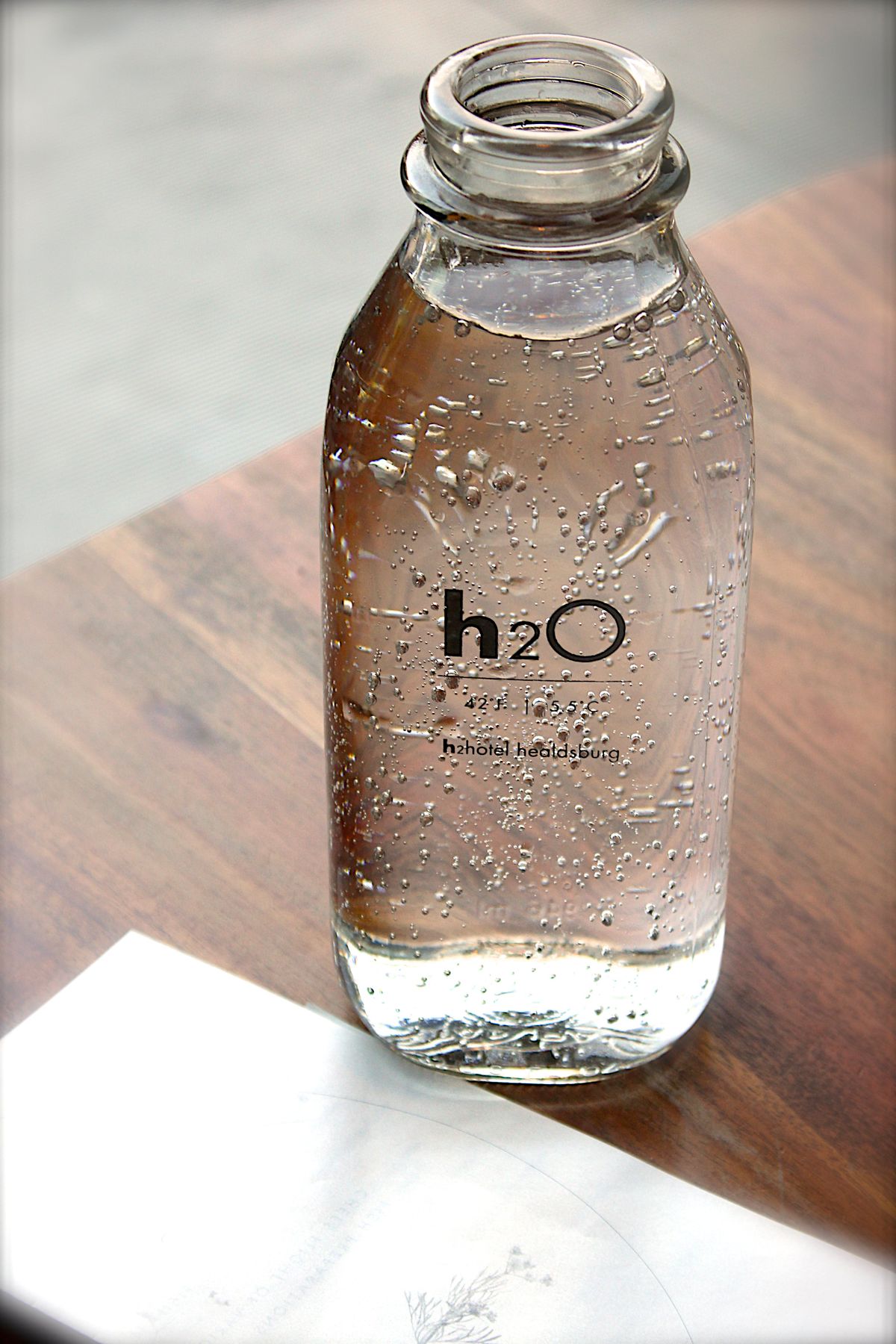
Distilled water itself doesn’t spoil the way food does, since distillation removes the minerals and organic material that would otherwise feed bacteria or mold. What actually limits its shelf life is the container and whatever gets into it after the seal is broken.
Unopened distilled water kept in a sealed, factory container can safely last for years. Many brands print a 2 to 5 year best-by date, but that date is mostly about maintaining container integrity and taste rather than a hard safety cutoff. According to the FDA, bottled water produced under Current Good Manufacturing Practice regulations and stored in an unopened, properly sealed container is considered to have an indefinite safety shelf life, which is why the agency doesn’t require an expiration date on the label at all.
Opened distilled water is a different story. Once a container is opened, airborne dust, bacteria, and other contaminants have a way in. For drinking, most guidance suggests using opened distilled water within about a week, especially if it’s kept at room temperature. Water intended for appliances, like a steam iron, humidifier, or CPAP machine, can often be kept longer between refills as long as the container stays clean and sealed when not in use.
Home-distilled water made in a countertop unit follows the same rules as store-bought once it’s collected: quality is generally best within about a week if it’s kept in a clean, sealed container, since it hasn’t gone through the same commercial packaging and quality control as bottled water.
Why Distilled Water Lasts Longer Than Tap or Bottled Spring Water
Tap water and mineral or spring water contain dissolved minerals and, in the case of tap water, residual chlorine. Those minerals can support some microbial growth over time, and chlorine dissipates, which is part of why stored tap water is generally recommended for use within about six months. Distilled water lacks both of those factors. Because there’s essentially nothing left in the water for microorganisms to feed on, sealed distilled water tends to outlast both tap water and standard bottled spring water in storage, provided the container itself holds up.
Shelf Life by Storage Condition
Here’s a general breakdown of how long distilled water lasts under different conditions:
| Condition | Typical Shelf Life |
|---|---|
| Sealed, unopened commercial bottle | 2-5+ years |
| Opened bottle, used for home appliances (iron, humidifier) | Several weeks to months, if kept clean and sealed |
| Opened bottle, used for drinking | About 1 week |
| Home-distilled water, freshly collected | About 1 week at peak quality |
These are general guidelines rather than hard rules. A container that’s kept scrupulously clean, sealed, and away from heat will generally outlast these estimates, while a container that’s left open, touched frequently, or stored somewhere warm will degrade faster.
Is It Safe to Drink or Use Expired Distilled Water?
Distilled water past its printed date isn’t automatically unsafe, since that date is a quality marker rather than a safety cutoff for a sealed container. The real question is whether the water has been contaminated since it was sealed or opened. Bacteria, mold, and algae can all eventually grow in stored water, distilled or not, if the container is compromised, left open, or exposed to light and warmth for long stretches.
For appliances like humidifiers and CPAP machines, using contaminated water is a bigger concern than using merely “old” water, since inhaling mold or bacteria from a dirty humidifier chamber can contribute to respiratory irritation. The safest approach is simple: smell and look at the water before using it. If it smells musty or off, looks cloudy, or has visible particles or film, discard it rather than risk it, regardless of how long it’s actually been stored.
Signs Your Distilled Water Has Gone Bad
Since distilled water doesn’t spoil on a fixed calendar, the most reliable way to judge it is a quick sensory check before you use it:
- Cloudiness or haze. Fresh distilled water should be completely clear. Any haziness usually points to dust, particles, or microbial growth.
- Floating particles or sediment. Even tiny specks at the bottom of the container mean it’s time to replace the water.
- An off smell. Distilled water is naturally odorless. A musty, plastic, or chemical smell suggests either container degradation or contamination.
- An unusual taste. A flat, mineral-free taste is normal for distilled water, but anything sour, metallic, or otherwise “off” is a reason to discard it.
- Visible mold or discoloration. Green, black, or blue spots inside the container mean the water and likely the container itself need to be replaced.
If any of these show up, it’s not worth the risk, especially for uses like CPAP humidifiers or infant formula where you’re breathing in or directly consuming the water. Toss it and start with a fresh, sealed container.
Distilled water’s purity makes it useful well beyond drinking:
- CPAP machines: Manufacturers recommend distilled water for humidifier chambers to prevent mineral buildup and reduce bacterial growth, with the water chamber itself refilled daily and cleaned weekly.
- Steam irons: Prevents mineral scale from clogging the steam vents.
- Automobile batteries: Used to top off lead-acid batteries without introducing minerals that can shorten battery life.
- Laboratory work: A standard for experiments and equipment where mineral content would skew results.
- Infant formula: Some pediatricians recommend distilled or purified water for mixing formula, though you should always follow your pediatrician’s specific guidance.
- Cosmetics and skincare: A common base ingredient precisely because it’s free of minerals and additives.
- Humidifiers and neti pots: Reduces mineral dust and lowers the risk of introducing contaminants into sensitive areas like the sinuses.
How to Maximize Distilled Water’s Shelf Life
A few simple habits go a long way toward getting the full shelf life out of your distilled water:
- Choose glass over plastic for long-term storage. Glass doesn’t leach chemicals or degrade the way plastic can over years of storage, though food-grade, BPA-free plastic is fine for shorter-term use.
- Keep containers sealed. Every time a container is opened, airborne particles and microbes get a chance to get in. Reseal tightly after each use.
- Store away from strong odors and chemicals. Distilled water sitting near paint, gasoline, or cleaning products can absorb odors through a container’s seal or plastic walls over time.
- Refrigerate opened containers. Cold temperatures slow microbial growth, which matters most once a seal has been broken.
- Keep it out of direct sunlight and heat. UV exposure and heat accelerate plastic degradation, which is the main thing limiting a plastic container’s usable life, not the water itself.
Making Your Own Distilled Water at Home
If you’re going through distilled water quickly for CPAP use, humidifiers, or general drinking, a countertop distiller can be more economical than buying bottles repeatedly. We cover exactly how the process works in our guide to how a water distiller works, and if you’re comparing models, our Megahome water distiller reviews and countertop water distiller buying guide both cover popular options. If you’re weighing the ongoing cost, our breakdown of how much electricity a water distiller uses can help you compare it against buying bottled distilled water long-term.
Frequently Asked Questions
Does distilled water allow bacteria to grow?
Yes, though it takes longer than in tap or mineral water since there are fewer nutrients available. If a container is contaminated, particularly one that’s been opened repeatedly or left uncapped, bacteria and mold can still take hold over time.
Can I drink distilled water past its printed expiration date?
If the container was never opened and shows no signs of damage, cloudiness, or odor, it’s generally still safe. The printed date reflects quality and container integrity more than a hard safety limit.
How long does distilled water last once opened for a CPAP machine?
Refill the humidifier chamber daily with fresh water and clean the chamber weekly. An opened bottle of distilled water kept sealed between refills can typically be used for a few weeks, but always check for cloudiness or odor first.
Does storing distilled water in the fridge extend its shelf life?
Refrigeration doesn’t meaningfully extend the life of a sealed, unopened container, but it does help slow contamination once a bottle has been opened.
Why does my home-distilled water taste flat?
Distillation removes the minerals like calcium and magnesium that give tap water its characteristic taste. This is normal and doesn’t indicate the water has gone bad.
Is it better to store distilled water in glass or plastic?
Glass is the better choice for long-term storage since it won’t leach chemicals or break down over years the way plastic can. For water you’ll use within a few weeks, food-grade BPA-free plastic is perfectly fine.
Can I mix old distilled water with a fresh batch?
It’s better not to. If the older water has started to degrade or pick up contamination, mixing it into a fresh container can shorten the shelf life of the whole batch.
Conclusion
So, how long does distilled water last? Sealed and unopened, it can realistically last for years, and the FDA treats properly produced, sealed bottled water as having an indefinite safety shelf life. Once opened, plan on using it within about a week for drinking, or a few weeks to months for appliances, as long as the container stays clean and sealed between uses. Distilled water doesn’t expire the way food does, but a dirty or open container is exactly how it can pick up the contamination that actually causes problems, so a little care in storage goes a long way toward getting the full shelf life out of every bottle.

Hey, My name is MAMON. I am a SEO content creator and affiliate marketer with over 8 years of experience. I create honest product reviews, in-depth buying guides, and practical how-to articles to help readers make informed decisions. My mission is to provide trustworthy, research-backed content that delivers real value.
Leave a Reply