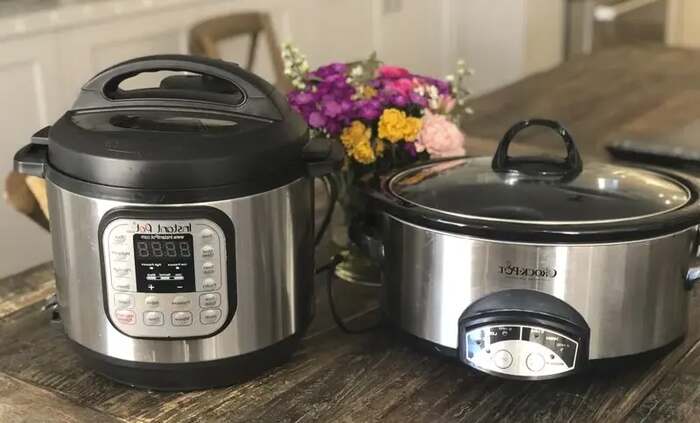
You already own a rice cooker, and now you are eyeing a slow cooker for pot roasts and weeknight stews. Before you spend another $40 to $80 on a second countertop appliance, it is worth asking: can rice cooker be used as slow cooker duty, too?
The short answer is yes, but only under the right conditions. Some rice cookers have a dedicated slow cook setting built for exactly this job. Others do not, and forcing an all-day braise through a basic one-button cooker can overcook your food or stress a heating element that was never designed to run for eight hours straight. This guide covers how each appliance actually works, how to tell which kind of rice cooker you own, and when it still makes sense to buy a dedicated slow cooker.
Key Takeaways
- A rice cooker can substitute for a slow cooker only if it has a labeled “slow cook” setting, or if you are willing to manually cycle the “cook” and “warm” functions to mimic low, steady heat.
- Standard rice cookers work through a magnetic or thermostatic switch that shuts off once the pot passes the boiling point of water (212°F), not through pressurized steam, so they behave differently from a true slow cooker on the inside.
- The USDA notes that slow cookers hold food in a safe 170°F to 280°F range for hours at a time; a rice cooker without a slow cook mode cannot reliably match that, which matters most when you are cooking raw meat or poultry.
- If you regularly cook for a crowd, want a “set it and walk away for 8 hours” appliance, or cook a lot of raw meat dishes, a dedicated slow cooker is still the safer, more consistent choice.
Can a Rice Cooker Be Used as a Slow Cooker?
Yes, in many cases. Rice cookers with a built-in slow cook function operate almost identically to a standalone slow cooker: you add ingredients, select the setting, and the appliance holds a low, steady temperature for several hours without your input. Brands like Zojirushi, Tiger, Cuckoo, and several multi-function models from Aroma and Cosori include this mode.
If your rice cooker does not have a labeled slow cook button, you can still approximate the effect by manually cycling between the cook and warm settings, though the results are less consistent and require more attention than a true slow cooker or a rice cooker built for the job. The two appliances share some DNA (both use an enclosed pot, a heating element, and a lid that traps steam and moisture) but they were engineered around different goals: a rice cooker is built to finish quickly and switch off, while a slow cooker is built to hold a low temperature for hours.
How Rice Cookers and Slow Cookers Actually Work
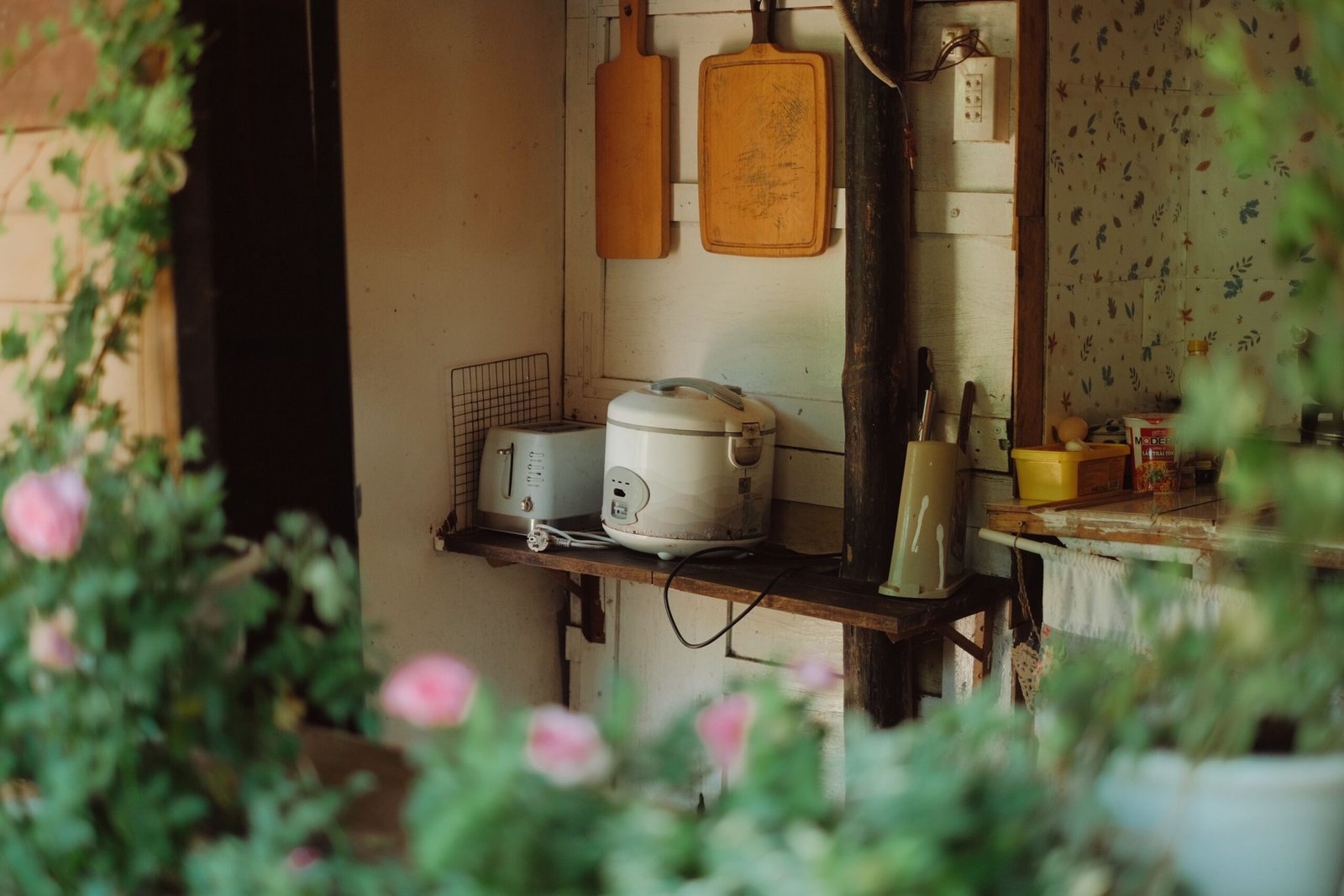
A basic rice cooker does not cook rice with high-pressure steam the way some older articles claim. Instead, it relies on a simple physical trick. Water boils at a fixed 212°F (100°C) at sea level, and as long as liquid water remains in the pot, the temperature cannot climb past that point. A magnetic or bimetallic thermostat sits under the inner pot and senses this. Once all the water has been absorbed or boiled off, the temperature spikes above 212°F, the sensor releases the switch, and the cooker automatically drops into “keep warm” mode.
A slow cooker works on a completely different principle. Instead of watching for a boiling-point spike, it uses a low-wattage heating element wrapped around the outside of a ceramic or stoneware crock, running continuously at a set low or high temperature. According to the USDA’s Food Safety and Inspection Service, slow cookers typically hold food between 170°F and 280°F, well below a rolling boil, which is what makes them so effective at breaking down tough, inexpensive cuts of meat over 6 to 8 hours without scorching the food.
This is the core mismatch when you slow cook in a rice cooker without a dedicated setting: the “cook” mode is built to detect boiling, not hold a gentle simmer for hours. That is why manufacturers add a separate, purpose-built circuit for slow cooking rather than relying on the standard cook cycle.
Check Your Rice Cooker’s Settings Before You Start
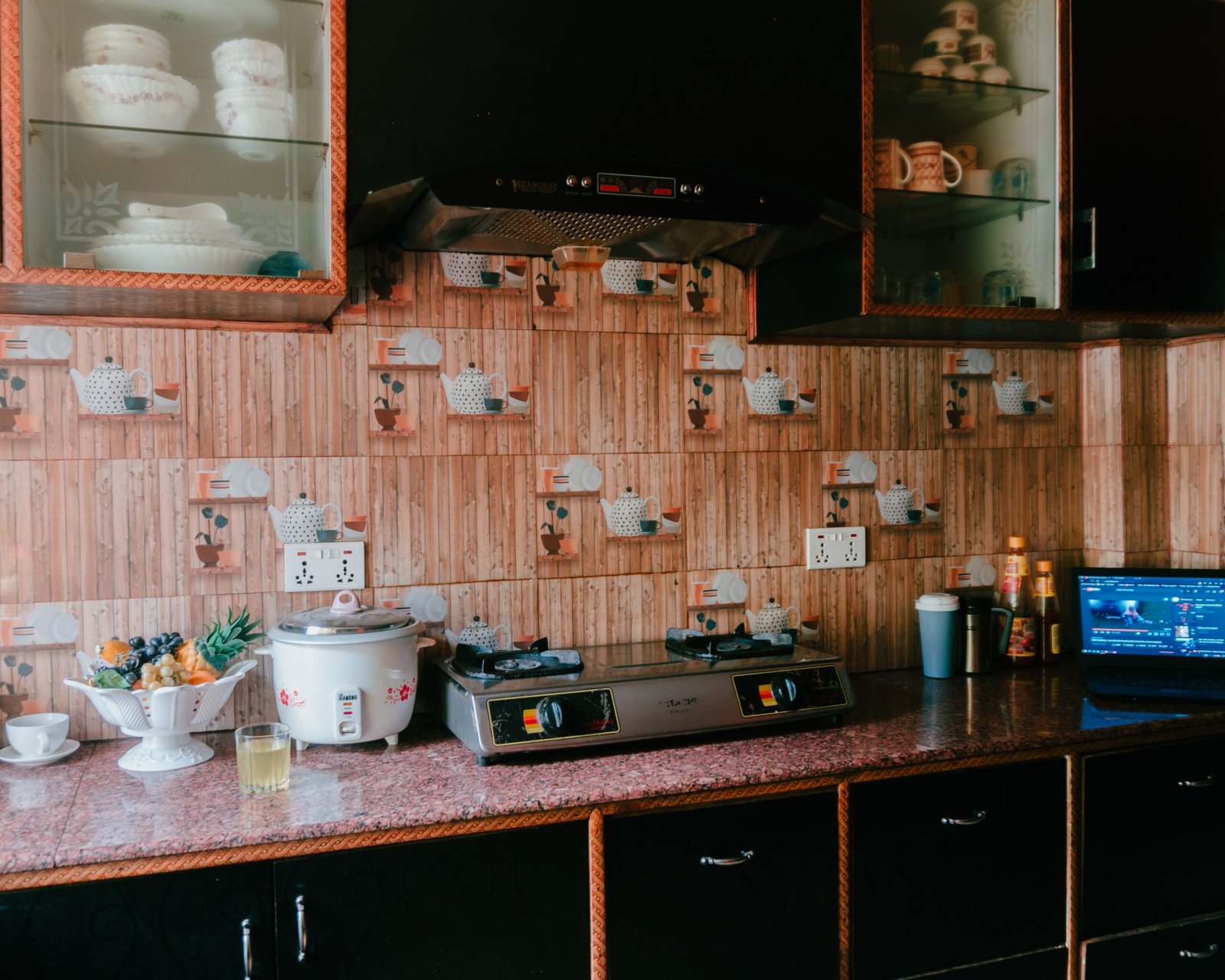
Not every rice cooker slow-cooks equally well, and the difference comes down to what is printed on the control panel.
Models with a labeled slow cook setting
If your Japanese-style rice cooker or multi-function cooker has a button marked “Slow Cook,” you can generally follow standard slow cooker recipes without adjusting the liquid amounts. Add your ingredients, select the setting, and walk away for the recommended cook time, the same way you would with a dedicated crock pot.
Models without a slow cook setting
Some rice cookers, including several Zojirushi models built primarily for grain cooking, either lack a slow cook function entirely or offer only a partial version limited to liquid-heavy dishes like soups and stews for up to about four hours. Manufacturers generally warn against forcing an all-day braise through the standard cook cycle on these units, since it can overwork the heating element in ways it was not designed to handle. Always check your specific owner’s manual before attempting an extended cook.
Basic one-button rice cookers
The simplest rice cookers, the kind with a single “cook” button and no digital display, can only approximate slow cooking through the manual cycling method described below. They will never hold as steady or as low a temperature as a purpose-built slow cooker.
How to Approximate Slow Cooking in a Basic Rice Cooker
If your rice cooker does not have a slow cook setting, this manual method comes closest to replicating one, though it requires more supervision than a true slow cooker.
- Add your ingredients and enough liquid. Place meat, vegetables, and seasonings in the pot with enough broth, water, or sauce to keep the bottom from scorching. Too little liquid burns food fast once it boils away and the thermostat trips to warm.
- Start on the regular cook setting for about 20 to 30 minutes to bring everything up to temperature.
- Switch to warm and check the food. Once the cooker clicks to keep-warm on its own, taste for doneness. If it needs more time, restart the cook cycle for another 15 to 20 minutes, then let it click back.
- Repeat over a few hours until the meat is tender, checking every 30 to 45 minutes. This mimics a slow cooker’s steady heat, but it needs your attention, unlike a true slow cooker or a rice cooker with a dedicated slow cook button.
Because this method involves stepping away from the kitchen for stretches, it is best suited to dishes you are already planning to check on periodically, rather than a fully unattended all-day cook.
Food Safety Matters More Than Convenience
Saving money on a second appliance is a reasonable goal, but food safety should decide whether you actually go through with it, especially if you plan to slow cook raw meat or poultry.
The USDA Food Safety and Inspection Service explains that the combination of direct heat, a tightly covered lid, and hours of steady cooking is what destroys bacteria safely in a slow cooker. That combination depends on the appliance reliably holding a temperature high enough, and for long enough, to move food out of the 40°F to 140°F “danger zone” where bacteria multiply fastest.
A rice cooker with a genuine slow cook setting is engineered to hold that range. A basic rice cooker being manually cycled between cook and warm is not guaranteed to, since the warm setting on many models is tuned to hold cooked rice at a safe serving temperature rather than actively cook raw meat. If you are working with raw chicken, pork, or beef in a cooker without a slow cook mode, sear or fully cook the meat first before finishing it low and slow, rather than starting from raw.
Other USDA-backed basics still apply no matter which appliance you use: keep raw meat refrigerated until it goes into the pot, thaw meat completely before cooking (never start from frozen), cut large cuts into smaller pieces so they cook through evenly, and refrigerate leftovers within two hours of finishing.
Rice Cooker vs. Dedicated Slow Cooker: Which Should You Buy?
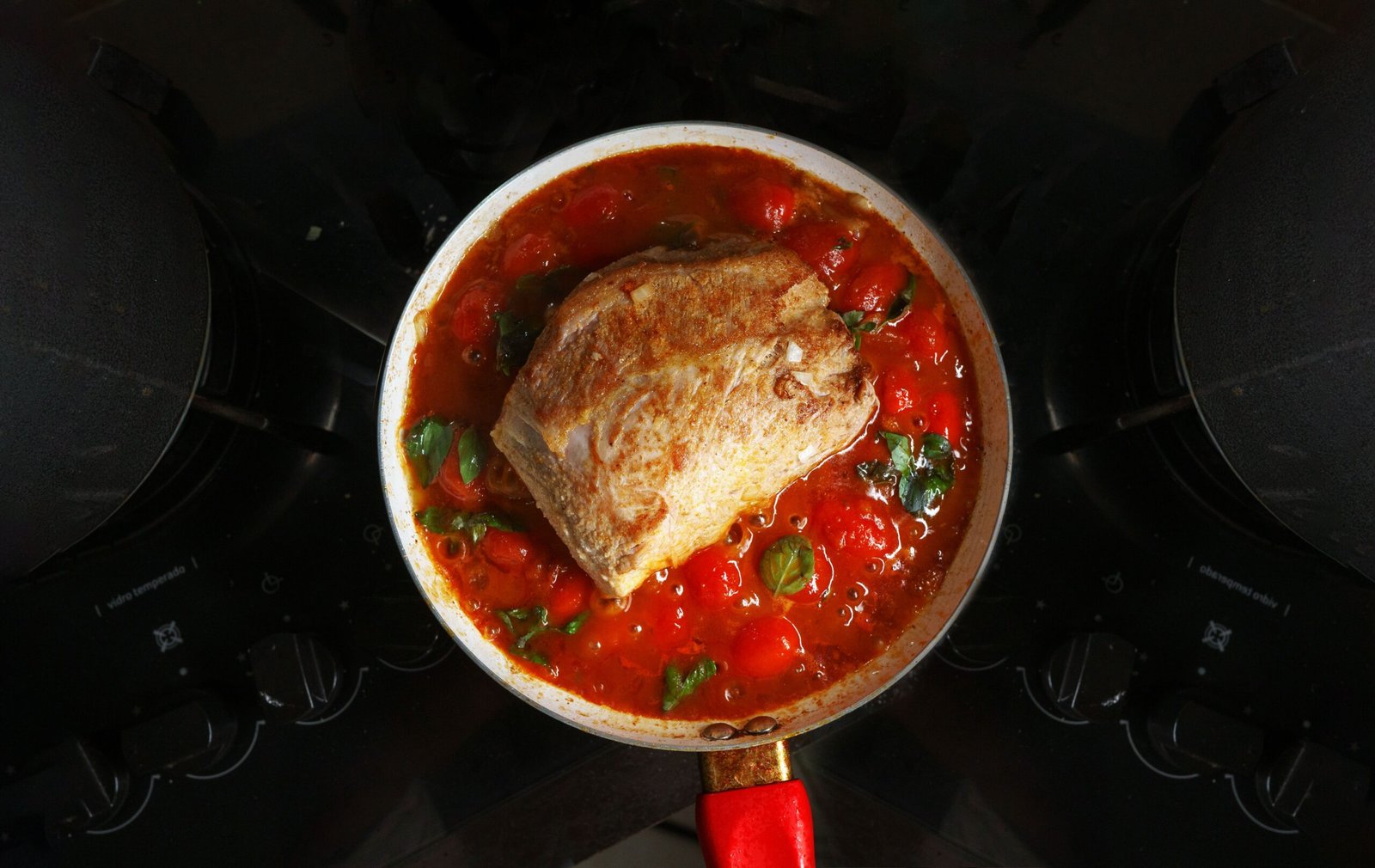
If you already own a rice cooker with a slow cook function, buying a separate slow cooker mainly comes down to capacity and convenience rather than necessity. Most rice cookers top out around 5 to 10 cups, which is fine for two to four servings of chili, stew, or braised meat, but tight for a holiday-sized pot roast that a 6 to 8-quart slow cooker handles easily.
A dedicated slow cooker also tends to offer more predictable low and high settings, a bigger capacity for feeding a family or a crowd, and a design built from the ground up for unattended, all-day cooking. As appliance reviewers at Reviewed.com note when comparing multicookers, slow cookers, and pressure cookers, a true slow cooker is still the best pick when the priority is set-it-and-forget-it convenience for tough cuts of meat, soups, and stews over a long stretch of the day. A rice cooker with a slow cook setting can absolutely get you there for smaller batches, but a basic rice cooker being manually cycled is a workaround, not a full replacement.
For soups and other liquid-heavy dishes, either appliance works well since there is less risk of scorching. For dry, low-liquid braises and large roasts, lean toward whichever appliance has a genuine slow cook mode and enough capacity for what you are making.
Watch: Slow Cooking in a Rice Cooker
This video shows the slow cook function on a Panasonic rice cooker being used to prepare tender beef ribs, a good example of how the dedicated setting handles a longer, low-and-slow braise.
Frequently Asked Questions
Will using a rice cooker as a slow cooker damage it?
It can, if the model has no slow cook setting and you run the standard cook cycle for hours on end rather than manually cycling between cook and warm. Manufacturers of cookers without a slow cook mode generally advise against forcing extended low-heat cooking, since the heating element is not built for that kind of sustained run time. Always check your owner’s manual first.
How long should I slow cook food in a rice cooker?
On a model with a dedicated slow cook setting, follow the same 4 to 8-hour range you would use in a standard slow cooker recipe, adjusting for the size of the cut and your cooker’s specific timing. Using the manual cycling method in a basic rice cooker, plan on checking the food every 30 to 45 minutes over a similar multi-hour window.
Can I put raw chicken or beef directly into a basic rice cooker to slow cook it?
It is safer to fully cook raw meat first, either by searing it or running it through a complete cook cycle, before switching to the low, cycling phase, especially if your rice cooker does not have a dedicated slow cook setting. This avoids leaving raw meat in the temperature danger zone for too long.
Conclusion
So, can rice cooker be used as slow cooker? If yours has a labeled slow cook setting, the answer is a confident yes, and you can follow slow cooker recipes with very little adjustment. If your rice cooker is a basic one-button model, you can still get reasonably close with the manual cook-and-warm cycling method, as long as you are willing to check on it periodically and take food safety seriously with raw meat.
Either way, understanding how your specific appliance actually works, rather than assuming all rice cookers behave the same way, is the difference between a tender, safely cooked meal and a burnt or undercooked one. If slow cooking is something you plan to do often, in large batches, or mostly hands-off, a dedicated slow cooker is still worth the counter space.

Hey, My name is MAMON. I am a SEO content creator and affiliate marketer with over 8 years of experience. I create honest product reviews, in-depth buying guides, and practical how-to articles to help readers make informed decisions. My mission is to provide trustworthy, research-backed content that delivers real value.
Leave a Reply