
Learning how to use wood pellets on a gas grill is the easiest way to add real hardwood smoke without buying a dedicated smoker. Wrap a handful in a foil pouch and drop it over a lit burner. Within 10 to 15 minutes you’ll have steady smoke rolling across your food. Below is exactly how to use wood pellets on a gas grill, which pellets fit which meat, and the food-safety steps that matter most.
Key Takeaways
- The foil pouch method costs nothing extra: fill heavy-duty foil with a third of a cup of wood pellets, seal it, and poke holes on top.
- Set your grill up for two-zone indirect heat so the pellet pouch smolders over direct flame while food cooks on the cooler, unlit side.
- Always verify doneness with a food thermometer. The USDA lists 145°F for whole cuts of beef, pork, lamb and veal, 160°F for ground meats, and 165°F for all poultry.
What Are Wood Pellets?
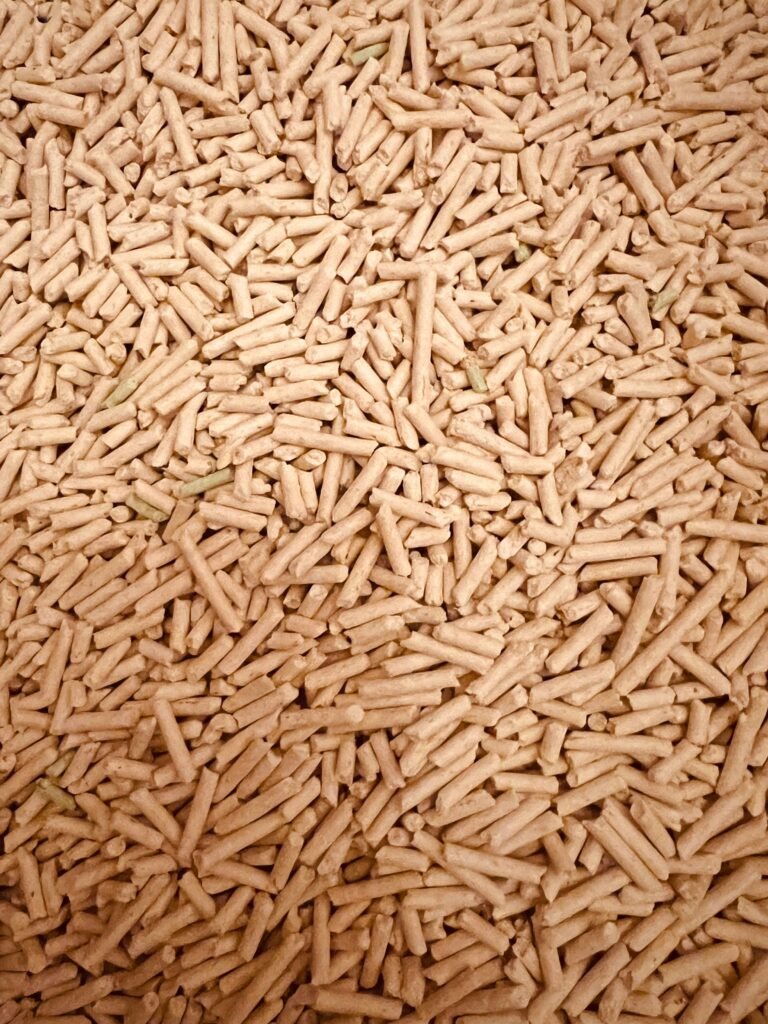
Before getting into how to use wood pellets on a gas grill, it helps to know what you’re actually working with. Wood pellets are made by grinding dried hardwood into fine sawdust, then compressing it under high heat and pressure. That pressure releases lignin, the wood’s natural binder, which fuses the sawdust into a solid pellet without any glue or filler. The result is a dense, low-moisture fuel that lights fast, burns evenly, and produces far less ash than lump charcoal or wood chunks.
Not every pellet on the market is meant for cooking. Heating pellets sold for pellet stoves are milled from mixed softwoods and construction scrap. Some contain bark or chemical binders that turn acrid, or even toxic, when burned near food. Stick to pellets labeled “100% food-grade hardwood” or “BBQ pellets.” These are made from a single named hardwood, like oak or hickory, with no added fillers.
Why Use Wood Pellets on a Gas Grill?
A propane or natural-gas burner gives you consistent heat but none of the wood-fired flavor a charcoal or offset smoker delivers. Wood pellets close that gap. Compared with wood chips, pellets pack more surface area into the same volume. That means they smolder longer and produce a steadier stream of smoke instead of one quick burst. They’re also easier to store: a sealed bag takes up a fraction of the space of split logs, and it won’t attract moisture the way loose chips can.
You’ll still want a real smoker or a dedicated pellet grill for an all-day brisket. But for weeknight chicken thighs, a rack of ribs, or a quick batch of smoked vegetables, pellets on a gas grill get you most of the flavor with none of the extra equipment.
What You’ll Need
Before you learn how to use wood pellets on a gas grill step by step, gather these basics:
- Food-grade hardwood pellets (hickory, oak, apple, cherry, pecan, alder, or mesquite)
- Heavy-duty aluminum foil, a disposable foil pan, a metal smoker box, or a stainless pellet smoker tube
- A gas grill with at least two independently controlled burners
- Grill tongs or heat-resistant gloves
- A digital meat thermometer
3 Ways to Use Wood Pellets on a Gas Grill
There’s more than one way to use wood pellets on a gas grill, and the right method depends on how much equipment you’re willing to buy and how long you plan to cook.
Method 1: The Foil Pouch (No Extra Equipment)
- Tear off a sheet of heavy-duty aluminum foil roughly 12 by 12 inches. Standard foil tends to tear once the pellets start smoldering, so use the thicker “heavy duty” roll if you have it.
- Fold the sheet in half, then fold about a half-inch of the two open sides over to form an envelope shape.
- Fill the pouch about a third full with pellets. A full cup of pellets can smolder for roughly 90 minutes, so scale the amount to how long you’re cooking.
- Fold and crimp the open top to seal the pouch completely.
- Poke 6 to 8 small holes in the top of the pouch with a fork so smoke can escape.
- Place the pouch directly on top of the grate over a lit burner, close the lid, and wait until you see smoke coming through the holes before adding your food.
Method 2: A Smoker Box or Disposable Pan
If you’d rather skip the foil-folding, a stainless steel smoker box does the same job with less fuss. A cheap disposable aluminum pan covered in foil works too. Fill it about a third full with pellets, poke holes in the foil, and set it over a lit burner the same way you would the pouch. A metal box holds up better to repeated use and is easier to empty between cooks.
Method 3: A Pellet Smoker Tube
A perforated stainless tube, usually 6 or 12 inches long, is the closest thing to a set-it-and-forget-it option. Fill the tube with pellets and light one end with a torch or long lighter until it catches. Blow out the flame so the pellets smolder instead of burning outright. A 12-inch tube can produce smoke for 4 to 5 hours, which makes it the better pick for longer cooks like pork shoulder or a whole chicken.
Setting Up Your Gas Grill for Two-Zone Heat
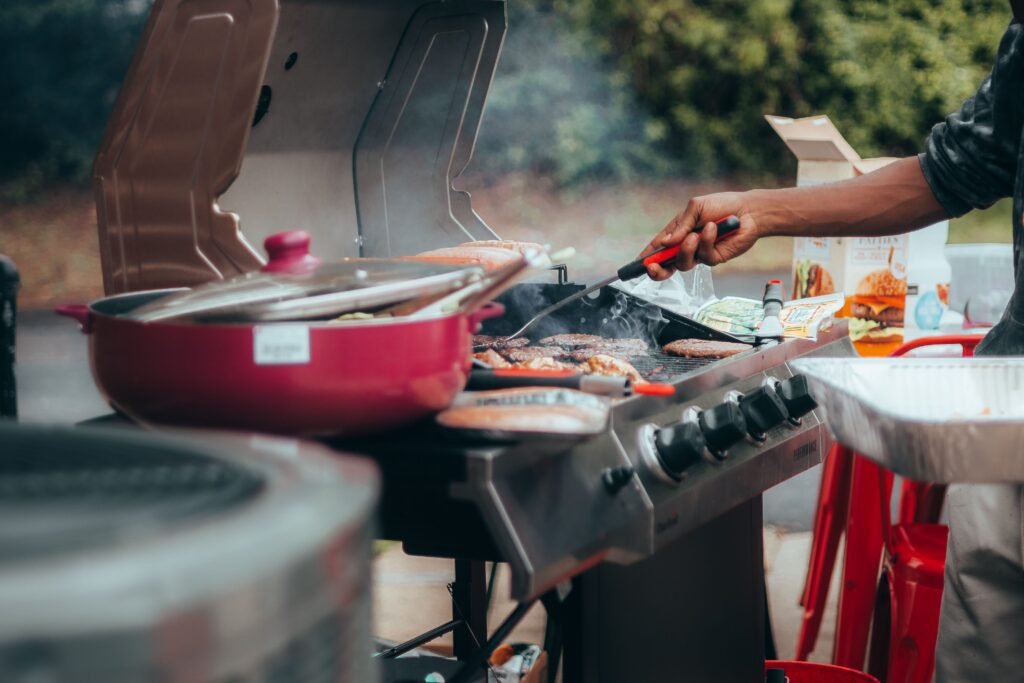
A big part of learning how to use wood pellets on a gas grill is heat management, not just the pellets themselves. Wood-pellet smoke works best paired with indirect heat, the setup used for low-and-slow barbecue. Light only one or two burners and leave the rest off. Place the pouch, box, or tube over the lit burner, and set food on the grate above the unlit side. Close the lid and hold the grill between 225°F and 275°F, adjusting the lit burner as needed. This keeps food from cooking too fast on direct flame while giving the pellets enough heat to smolder steadily.
Best Wood Pellets for Different Meats
Pellet flavor ranges from mild and sweet to bold and heavy, and pairing the wrong one with delicate proteins like fish can overpower the dish. Use this as a starting point, then adjust to taste:
- Beef: Hickory, oak, mesquite, pecan, or cherry all work well; skip apple, which reads as too mild for beef’s richness.
- Poultry: Apple, cherry, pecan, alder, hickory, and mesquite all pair well; oak and maple tend to mute the meat’s flavor.
- Fish: Alder, oak, and mesquite are traditional choices; stronger woods like hickory can easily overwhelm delicate fillets.
- Vegetables: Maple, pecan, and hickory add a pleasant sweetness without overpowering lighter produce.
- Pork: Apple, cherry, hickory, and pecan are classic pairings, especially for ribs and shoulder.
Blending two pellet flavors, such as hickory and cherry, is common among experienced grillers who want a more complex smoke profile. If you’re stocking up, our guide on how to store wood pellets for a grill covers keeping them dry. Damp pellets lose their smolder and can jam a hopper-fed grill.
Safe Internal Temperatures (USDA Guidelines)
Smoke adds flavor, not a way to judge doneness. Meat cooked over indirect heat and smoke can develop a pink “smoke ring” just under the surface even when it’s fully cooked, so color is not a reliable indicator. The USDA Food Safety and Inspection Service recommends checking every cut with a food thermometer:
- Whole cuts of beef, pork, lamb, and veal (steaks, chops, roasts): 145°F, plus a 3-minute rest
- Ground beef, pork, lamb, and veal: 160°F
- All poultry, whole or ground: 165°F
- Fish: 145°F
Insert the thermometer into the thickest part of the meat, away from bone, and for poultry check both the innermost thigh and the thickest part of the breast.
Grill Safety Tips
Adding a smoking pouch changes how your grill behaves. The U.S. Consumer Product Safety Commission reports gas grills cause roughly 600 fires or explosions and about 30 injuries in the U.S. each year, often tied to leaking connections or grills left idle between uses. A few habits reduce that risk:
- Grill outdoors only, well away from siding, railings, or overhangs.
- Check hoses and connections for cracks before lighting, especially after a tank refill.
- Never leave a lit grill unattended, especially with a smoking pouch adding extra heat.
- Keep a Class K or ABC fire extinguisher within reach for grease flare-ups.
- Clean grease from grates and burner tubes after each session; residue fuels the next flare-up.
Clean burners hold a steadier smoking temperature. See our guide on how to clean a gas grill with minimal effort for the full process.
Common Mistakes to Avoid
- Soaking pellets in water first. Unlike wood chips, pellets are designed to smolder dry. Soaking them just delays combustion and can turn them to mush.
- Skipping the foil holes. A sealed pouch with no vents will smother the pellets instead of letting them smoke.
- Placing the pouch over the wrong burner. The pellets need direct flame underneath to smolder; food goes on the unlit side, not next to the pouch.
- Overfilling the pouch or box. A tightly packed pile of pellets burns unevenly and can choke off airflow. A third full leaves room to breathe.
- Using heating-grade pellets. Pellets sold for pellet stoves aren’t held to food-safety standards and can contain bark, dust, or additives you don’t want anywhere near your dinner.
Watch: Using Wood Pellets on a Gas Grill
This video walks through loading, lighting, and managing wood pellets for smoke on an outdoor grill, a useful visual reference alongside the steps above.
Frequently Asked Questions
Do I need to soak wood pellets before using them?
No. Soaking is a wood-chip technique meant to slow combustion; pellets are engineered to smolder dry, and soaking them just breaks them apart and delays smoke production.
Can I use wood pellets on a charcoal grill too?
Yes. The same foil pouch or smoker box method works on charcoal, placed directly on top of the hot coals.
How many wood pellets should I use per cook?
A third of a cup is enough for shorter cooks like burgers or chicken breasts. For longer sessions, a full cup can smolder for around 90 minutes, or use a smoker tube for 4 to 5 hours of continuous smoke.
What’s the difference between wood pellets and wood chips?
Both are made from hardwood, but pellets are compressed and denser, which lets them smolder longer and more consistently than loose chips. Chips ignite and burn out faster, so they need more frequent replenishing during a long cook.
Will wood pellets damage my gas grill?
No, as long as they’re contained in a pouch, box, or tube rather than poured loose onto the burners or grates. Direct contact with burner ports can clog them over time, so always use a barrier between the pellets and the grill’s gas components.
What’s the fastest way to use wood pellets on a gas grill?
The foil pouch method is the quickest to set up since it needs no extra equipment beyond foil you likely already have. It takes about five minutes to build and 10 to 15 minutes to start smoking once it’s on the grill.
Bottom Line
Once you know how to use wood pellets on a gas grill, getting real smoke flavor comes down to three things: food-grade pellets, a vented container, and a two-zone setup that keeps food off direct flame. Start with a foil pouch to test the method. Upgrade to a smoker box or tube once you know how much smoke you like. Always finish by checking internal temperature with a thermometer rather than guessing from color. For more, our guide on how to get more smoke flavor from a pellet grill covers techniques for a deeper smoke profile.

Hey, My name is MAMON. I am a SEO content creator and affiliate marketer with over 8 years of experience. I create honest product reviews, in-depth buying guides, and practical how-to articles to help readers make informed decisions. My mission is to provide trustworthy, research-backed content that delivers real value.
Leave a Reply