Ask five cooks for the best way to boil eggs and you will probably hear five different answers. Some swear by starting in cold water, while others drop eggs into a rolling boil, steam them, or use a pressure cooker. The truth is that each method wins at something different. In this guide, we compare six popular methods using published guidance from the American Egg Board, test results from Milk Street’s kitchen, and manufacturer instructions. As a result, you can pick the best way to boil eggs for your goal, whether that is easy peeling, a runny yolk, or a big batch for the week.
Key Takeaways
- For easy peeling, steaming is the standout. In Milk Street’s testing, steamed shells slipped off, while boiled shells only cracked.
- Meanwhile, for reliable hard-boiled eggs, the American Egg Board’s cold-start method uses a 12-minute stand for large eggs.
- A boiling-water start gives soft yolks the most control: 5 to 7 minutes for runny to barely set.
- For hands-off cooking, an electric egg cooker uses the water level as its timer and shuts off on its own.
- No matter the method, eggs that are 7 to 10 days old peel more easily than very fresh eggs.
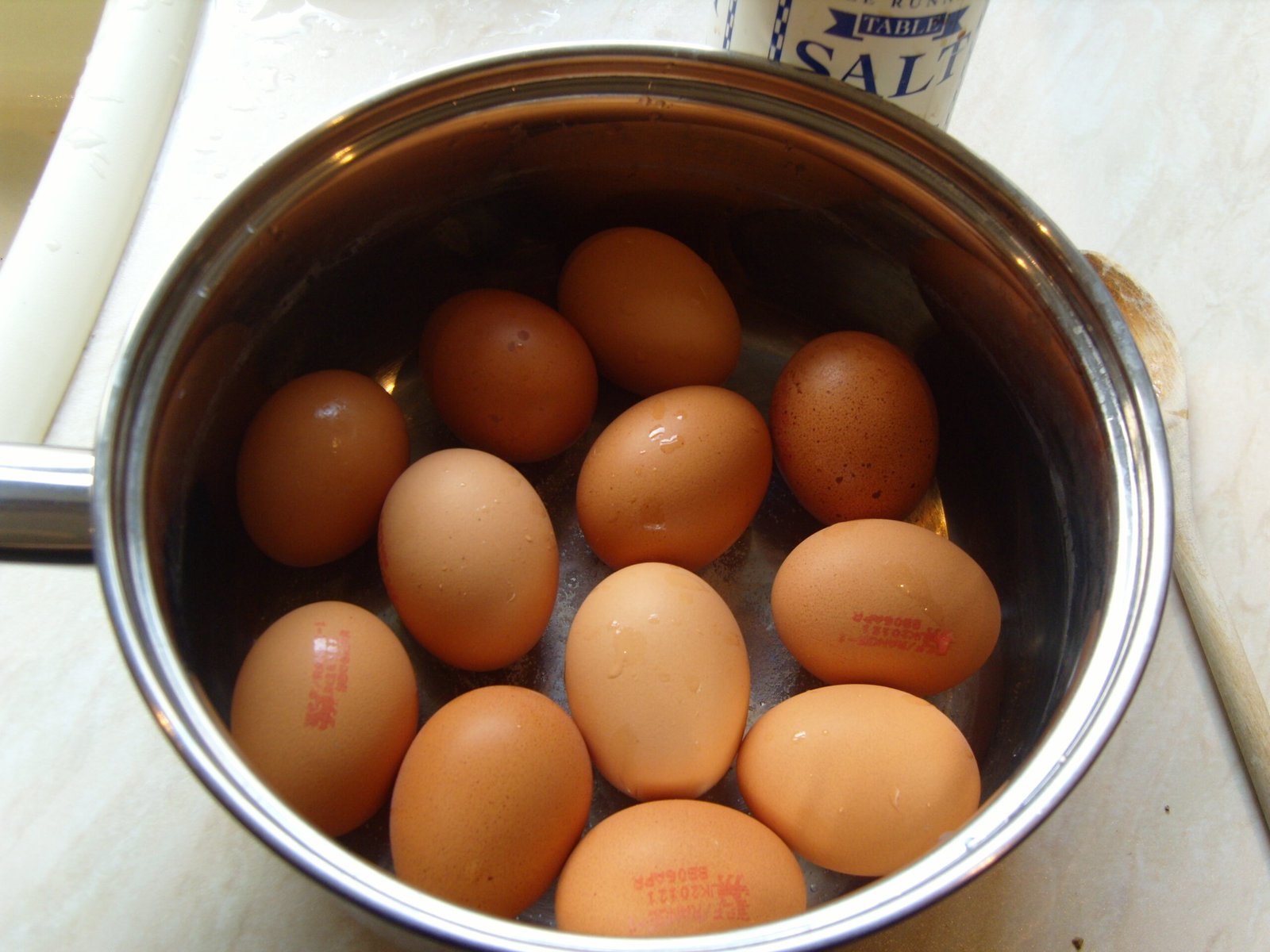
Photo: Sarah McCulloch via Wikimedia Commons (CC BY-SA 4.0).
The Best Way to Boil Eggs: Quick Comparison
Before we look at each method in detail, here is a side-by-side summary. Each row shows what the method does best and where it falls short.
| Method | Best For | Typical Time (Large Eggs) | Drawback |
|---|---|---|---|
| Cold-water start | Consistent hard eggs | Boil, then 12-minute stand | Timing depends on burner speed |
| Boiling-water start | Soft and jammy yolks | 5 to 7 minutes soft, 12 hard | Cold eggs can crack |
| Steaming | Easiest peeling | 12 minutes | Needs a steamer basket |
| Electric egg cooker | Hands-off daily eggs | Set by water level | Limited batch size |
| Pressure cooker | Large batches | Follow your model’s guide | Time to build and release pressure |
| Oven baking | No pot to watch | Varies by oven | Uneven results, possible brown spots |
In short, there is no single winner. Instead, the best way to boil eggs depends on whether you care most about peeling, texture, or convenience.
Method 1: Cold-Water Start
The cold-water start is the classic home method, and it is the one the American Egg Board recommends on its Incredible Egg site. You place eggs in a single layer, cover them with cold water by about 1 inch, and heat just to a boil. Then you remove the pan from the heat, cover it, and let the eggs stand.
For timing, the Egg Board suggests about 9 minutes for medium eggs, 12 minutes for large eggs, and 15 minutes for extra-large eggs. Afterward, cool the eggs in ice water or under cold running water.
Why it works: The eggs heat gradually and finish in gentle residual heat, so the whites stay tender. In addition, the yolks are less likely to develop a green ring.
Downside: Your total time depends on how fast your burner heats the water. Therefore, results can vary slightly from one stove to another.
Method 2: Boiling-Water Start
With this method, you bring water to a boil first, lower it to a rapid simmer, and gently add cold eggs. Because the clock starts the moment the eggs hit the water, timing is far more precise. According to Eggland’s Best, 5 minutes gives a very runny yolk, up to 7 minutes gives a barely set yolk, and 12 minutes gives a fully hard-cooked large egg.
Why it works: Precise timing makes this the best way to boil eggs when you want a soft or jammy center for toast, ramen, or salads.
Downside: Cold eggs can crack when they hit hot water. To reduce cracking, lower them with a slotted spoon rather than dropping them. You can also heat the water quickly in an electric kettle first; our guide to the best electric kettle covers fast options.
Method 3: Steaming (Best for Easy Peeling)
Steaming has become a favorite among test kitchens, and for good reason. In its peeling experiments, Milk Street found that the shells of steamed eggs slipped right off, while boiled eggs’ shells only cracked. Its method uses 1 inch of water in a saucepan with a steamer basket, adds the eggs once the water boils, and steams them for 12 minutes.
- First, add about 1 inch of water to a saucepan and fit a steamer basket inside.
- Next, bring the water to a boil over high heat.
- Then add the eggs to the basket, cover, and steam for 12 minutes for hard eggs.
- Finally, cool the eggs and peel them.
Interestingly, Milk Street also tested the viral “shake it in a cup” peeling hack. It worked about 60 percent of the time, and only with warm eggs straight from the pan, not with eggs shocked in ice water.
Why it works: Steam heats the egg quickly and evenly, which seems to help the membrane separate from the white.
Downside: You need a steamer basket or insert. If you own a rice cooker with a steam tray, it can do the job; see our guide on how to steam using a rice cooker.
Video: America’s Test Kitchen shows its method for easy-to-peel hard-cooked eggs.
Method 4: Electric Egg Cooker
An electric egg cooker is essentially an automated steamer. You fill a measuring cup to the soft, medium, or hard line, pour the water onto a heating plate, and set the eggs in a tray above it. Then a thermal sensor shuts the cooker off once the water has turned to steam.
Why it works: The water level acts as the timer, so you get the same result every time without watching a pot. Most models also include a pin for piercing the shell, which helps prevent cracks.
Downside: Most single-tier cookers hold 6 to 7 eggs, so large batches need a two-tier model. They also take some counter space.
Method 5: Pressure Cooker
Many home cooks now hard-cook eggs in an electric pressure cooker. Typically, you place the eggs on a rack above a small amount of water, cook under pressure, then release the pressure and move the eggs to an ice bath. Because cook and release times vary by brand and model, follow the guidance in your manual.
Why it works: A pressure cooker handles a full dozen or more at once, and many owners report easy peeling.
Downside: Building and releasing pressure adds several minutes, so it is not the fastest choice for one or two eggs. For general tips, see our guide on how to use a pressure cooker.
Method 6: Baking in the Oven
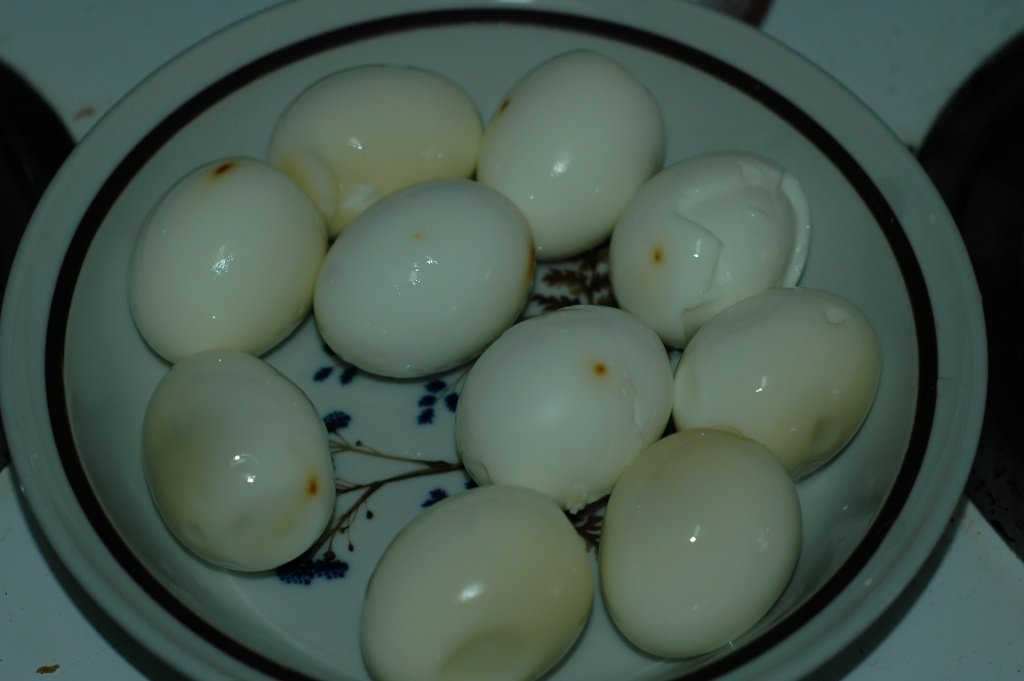
Photo: Teresa Trimm via Flickr (CC BY-SA 2.0).
Some cooks bake whole eggs in a muffin tin to avoid watching a pot. While this is convenient for large batches, results vary more than with water-based methods. Ovens heat unevenly, and eggs can develop small brown spots on the shell side where they touch the hot pan.
Why it works: It is hands-off and frees up your stovetop.
Downside: Texture can be rubbery, and timing changes from oven to oven. If you prefer baked eggs out of the shell, our guide on how to cook eggs in a toaster oven offers a more reliable approach.
So, What Is the Best Way to Boil Eggs?
Based on the published evidence, here is how we would choose:
- Easiest peeling: Steam for 12 minutes, as in Milk Street’s testing.
- Most reliable hard eggs: Use the Egg Board’s cold start with a 12-minute stand.
- Perfect soft yolks: Start in boiling water and cook for 5 to 7 minutes.
- Least effort: Use an electric egg cooker.
- Big batches: Use a pressure cooker or a two-tier egg cooker.
For most home cooks, steaming is the best way to boil eggs if peeling is your biggest frustration. Otherwise, the cold-water method is the most forgiving everyday choice.
Tips That Improve Every Method
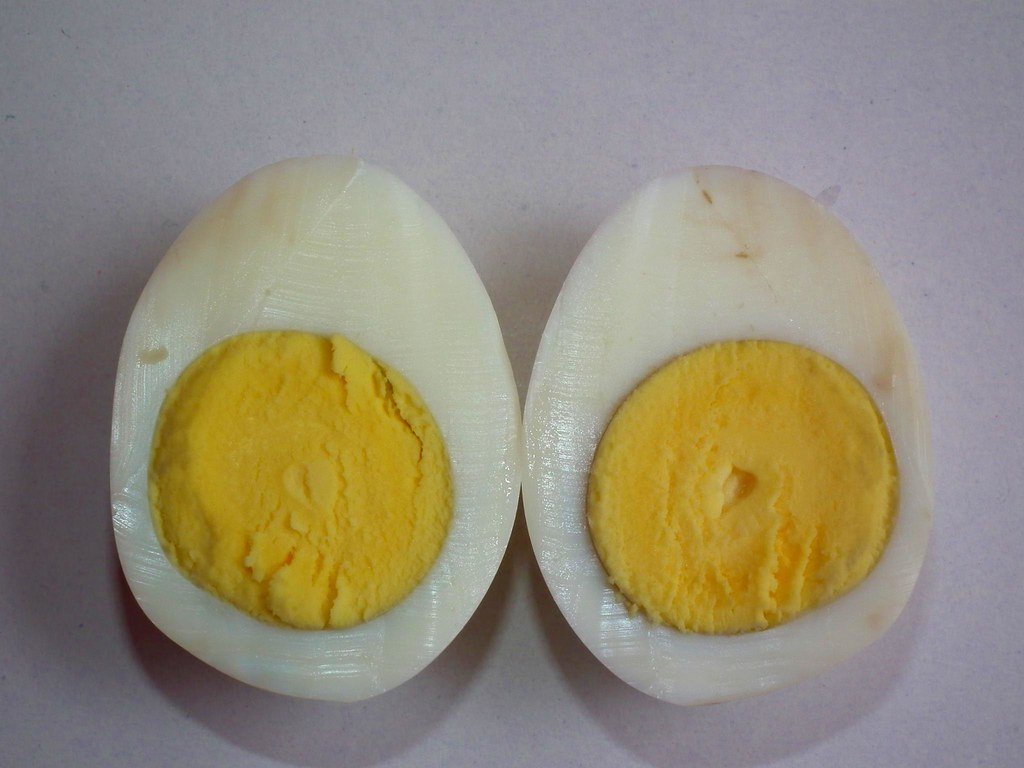
Photo: Rameshng via Flickr (CC BY-SA 2.0).
Use Eggs That Are a Week Old
According to the American Egg Board, very fresh eggs are harder to peel. So, buy and refrigerate eggs 7 to 10 days before you plan to cook them.
Cook in a Single Layer
Crowded eggs knock together and cook unevenly. Therefore, use a pot or basket wide enough for one layer.
Cool Them Quickly
For most methods, an ice bath stops carryover cooking and helps prevent the green ring. According to the University of Arkansas Cooperative Extension Service, that ring comes from a reaction between sulfur in the white and iron in the yolk. However, if you plan to use the cup-shake peeling trick, Milk Street found it works best with warm eggs.
Peel From the Wide End
The air pocket sits at the wide end, which gives you an easy starting point. In addition, peeling under cold running water helps lift the membrane.
Adjust for Altitude
Water boils at a lower temperature at high elevation. For example, Colorado State University Extension lists a boiling point of about 203°F at 5,000 feet, compared with 212°F at sea level. As a result, eggs take longer to cook in mountain kitchens.
A Simple Weekly Routine Using the Best Way to Boil Eggs
If you want an easy system to follow, combine the strengths of each method. This routine works well for most households that eat eggs several times a week.
- Shop ahead: First, buy a dozen eggs about a week before your prep day, so they peel more easily.
- Steam a batch on Sunday: Next, steam 6 to 12 eggs for 12 minutes over 1 inch of boiling water.
- Cool and label: Then cool the eggs, return them to the carton, and write the date on the lid.
- Peel as needed: After that, peel only what you will eat that day, since peeled eggs should be eaten the same day.
- Make soft eggs fresh: Finally, for weekend breakfasts, use the boiling-water start for a 5- to 7-minute soft egg.
With this approach, you get easy-peel hard eggs for snacks and salads, plus fresh soft eggs when you have more time. In addition, you only need one batch of hard eggs per week, since they keep in the shell for up to seven days.
How Many Eggs Can Each Method Handle?
Batch size is another practical way to decide. A wide pot can hold a dozen eggs in a single layer for the cold-water method, while a steamer basket usually fits 6 to 12 depending on its diameter. Meanwhile, most single-tier electric egg cookers hold 6 or 7 eggs, and two-tier models hold up to 14. Pressure cookers fit as many as their rack allows. So, if you regularly cook more than a dozen eggs, choose the pot, a large steamer, or a pressure cooker.
Storing Boiled Eggs Safely
Once cooked, store eggs carefully. According to the American Egg Board, hard-boiled eggs in the shell keep in the refrigerator for up to one week, while peeled eggs should be eaten the same day. Also, store them in the carton to prevent odor absorption.
For safety, the Egg Safety Center notes that cooking eggs until the white and yolk are firm helps destroy bacteria. So, serve fully cooked eggs to young children, older adults, pregnant people, and anyone with a weakened immune system.
Common Mistakes With Any Method
- Using very fresh eggs. In fact, they are the hardest to peel.
- Boiling too violently. As a result, eggs crack and whites turn rubbery.
- Guessing the time. Instead, use a timer for every batch.
- Skipping the cool-down. Otherwise, carryover heat overcooks the yolk.
- Ignoring your pot. Over time, hard water can stain it; see our guide on cleaning discolored stainless steel pots.
Frequently Asked Questions
What is the best way to boil eggs so they peel easily?
Steaming is the top choice for peeling. Milk Street found that steamed shells slipped off, while boiled shells only cracked. Also, using eggs that are 7 to 10 days old helps.
Is it better to start eggs in cold or boiling water?
Generally, start in cold water for consistent hard-boiled eggs. Start in boiling water when you want precise soft or jammy yolks.
Should I add salt or vinegar to the water?
Many cooks add them, but neither is required by the Egg Board’s method. Instead, focus on egg age, timing, and cooling, which have a bigger effect on peeling.
Do I need to pierce eggs before boiling?
It is optional. However, a tiny hole in the wide end lets air escape from the air pocket, which can reduce cracking. That is why many electric egg cookers include a piercing pin in the measuring cup.
How long should I steam eggs?
Milk Street steams eggs for 12 minutes over 1 inch of boiling water for hard-cooked results.
Can I boil eggs in the microwave?
Only with a microwave egg boiler designed for whole eggs. Otherwise, steam builds up inside the shell and the egg can burst.
What is the best way to boil eggs for meal prep?
For a dozen or more, use a pressure cooker, a two-tier egg cooker, or a wide pot with the cold-water method. Then store them in the shell for up to a week.
Final Thoughts
The best way to boil eggs depends on what you want from them. If peeling is your biggest problem, steam them for 12 minutes. If you want dependable hard eggs, use the cold-water start with a 12-minute stand. For soft yolks, start in boiling water and cook for 5 to 7 minutes. Whichever method you choose, use slightly older eggs, cook them in a single layer, and cool them promptly for the best results.

Hey, My name is MAMON. I am a SEO content creator and affiliate marketer with over 8 years of experience. I create honest product reviews, in-depth buying guides, and practical how-to articles to help readers make informed decisions. My mission is to provide trustworthy, research-backed content that delivers real value.
Leave a Reply