
Stainless steel pots are a favorite in many kitchens because they are strong, resist rust, and last for years. But even the best stainless steel pots can lose their shine and get discolored over time. You might see rainbow stains, brown spots, or even blueish tints after cooking certain foods or using high heat. If you’re wondering how to bring back the original sparkle, you’re not alone. Many people struggle with keeping their pots looking clean and new.
In this guide, you’ll learn why stainless steel pots get discolored and what you can do about it. We’ll cover simple cleaning methods, show you how to prevent stains, and explain what to avoid. You’ll also find real examples and tips that most beginners miss.
With the right approach, your stainless steel pots can look as good as the day you bought them.
Why Stainless Steel Pots Get Discolored
Stainless steel is called “stainless” because it resists stains and rust. But “resistant” does not mean “impossible to stain. ” Several things can cause your pots to look dull or develop colored marks. Understanding these causes helps you clean smarter and avoid damage.
Common Causes
1. Overheating
High heat is the most common reason for rainbow discoloration or blue/yellow patches. When stainless steel is exposed to intense heat, the chromium in the steel reacts with oxygen, creating thin oxide layers that reflect light in different colors.
2. Mineral Deposits
Water with a lot of minerals (hard water) can leave white or gray spots. Boiling water for pasta or steaming vegetables often causes these mineral stains.
3. Food Residue
Starchy or salty foods, especially those left in the pot for a long time, can cause dark spots or dullness.
4. Cleaning Products
Using bleach, harsh chemicals, or abrasive cleaners can damage the surface and lead to stains or pitting.
What Beginners Often Miss
Some people try to scrub stains away with steel wool or rough pads. This can scratch the pot and make stains worse in the future. Others use the dishwasher, not realizing that dishwasher detergent can be too harsh for stainless steel.
How To Identify Different Types Of Discoloration
Not all discoloration is the same. Knowing what kind you have will help you choose the right cleaning method.
| Type of Discoloration | Appearance | Main Cause |
|---|---|---|
| Rainbow Stains | Blue, yellow, or purple tint | Overheating |
| White Spots | Chalky or powdery patches | Mineral deposits |
| Brown or Black Spots | Dark specks or streaks | Food residue, burnt food |
| Dullness | Loss of shine | General wear, improper cleaning |
Essential Supplies For Cleaning Discolored Stainless Steel Pots
Before starting, gather the right supplies. Using the wrong tools can make things worse.
Recommended Supplies
- Baking soda (sodium bicarbonate)
- White vinegar (distilled)
- Non-abrasive sponge or soft cloth
- Microfiber cloth
- Dish soap (mild)
- Cream of tartar (for tough stains)
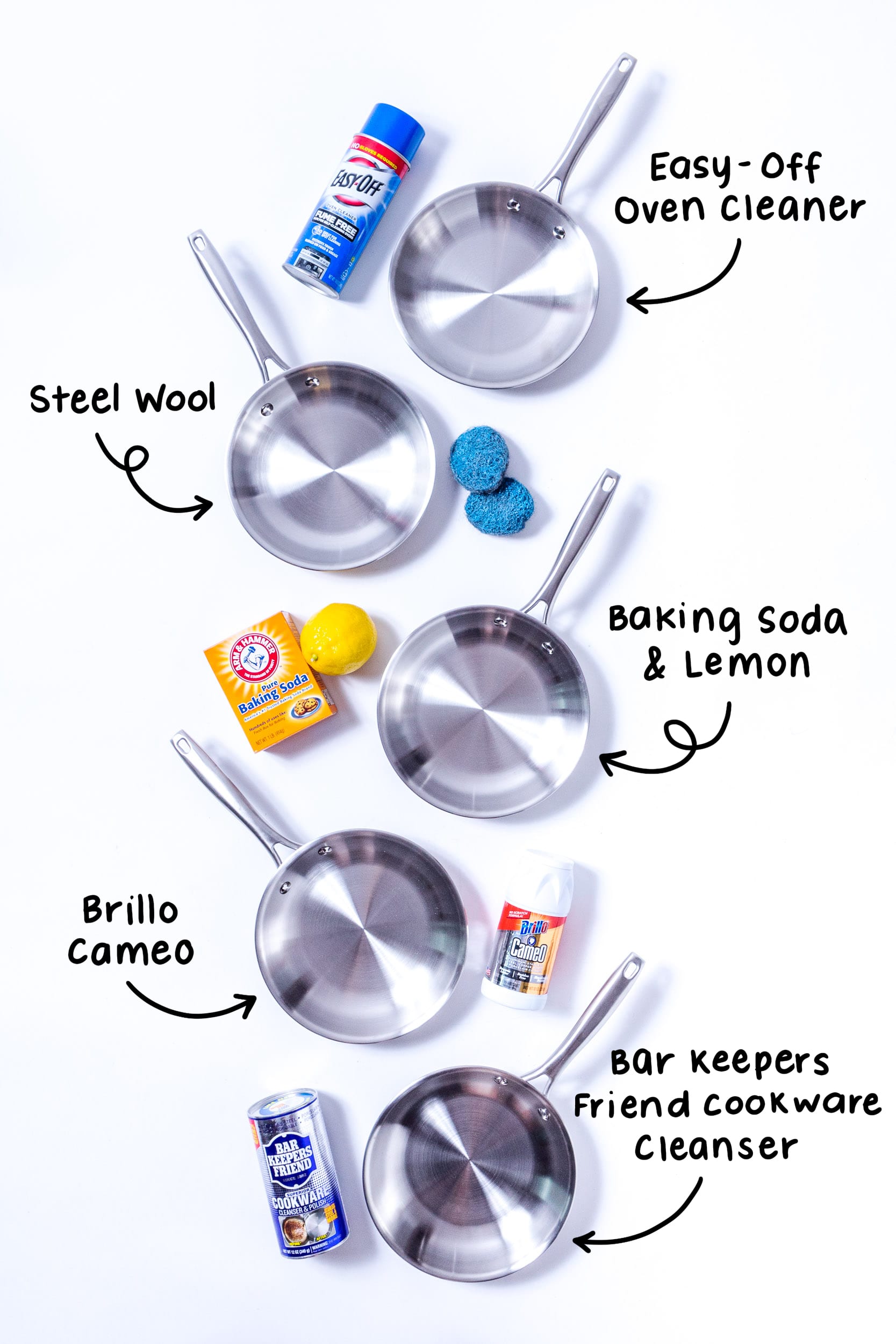
- Bar Keepers Friend or similar stainless steel cleaner
- Warm water
- Plastic spatula (for gentle scrubbing)
What To Avoid
- Steel wool or metal scouring pads (they scratch the surface)
- Bleach (damages stainless steel)
- Ammonia-based cleaners
- Oven cleaner
Many beginners think the tougher the scrub, the better the result. In reality, stainless steel needs gentle cleaning to keep its finish.
Step-by-step Methods To Clean Discolored Stainless Steel Pots
Let’s look at reliable ways to clean different types of stains and restore your pots.
1. Removing Rainbow Or Heat Discoloration
Rainbow colors look pretty but signal that the pot was overheated. Here’s how to remove them safely.
- Cool the Pot: Always let the pot cool completely before cleaning.
- Add Vinegar: Pour enough white vinegar to cover the bottom of the pot (about 1 cup).
- Let Soak: Leave for 5-10 minutes.
- Wipe with Soft Cloth: Use a microfiber cloth to rub the area gently.
- Rinse and Dry: Wash with warm soapy water, rinse, and dry with a clean towel.
If stains remain, make a paste of baking soda and water. Rub gently, rinse, and dry.
2. Eliminating White Spots And Mineral Deposits
Mineral stains often look like dried milk or chalk.
- Mix Vinegar and Water: Combine 1 part vinegar with 3 parts water.
- Boil in Pot: Fill the pot with the solution and bring to a boil for 5 minutes.
- Cool and Empty: Let the pot cool, then pour out the liquid.
- Wipe Residue: Use a non-abrasive sponge to wipe away the loosened deposits.
- Rinse and Dry: Wash with soap, rinse, and dry well.
3. Tackling Brown Or Black Spots
Burnt food or oil can leave stubborn spots.
- Soak with Soapy Water: Fill the pot with warm soapy water and let it sit for 30 minutes.
- Scrape Gently: Use a plastic spatula to remove loosened bits.
- Apply Baking Soda Paste: Make a thick paste with baking soda and water. Spread it on the spots.
- Wait 15 Minutes: Let the paste sit on the stains.
- Scrub Gently: Use a soft sponge to rub in a circular motion.
- Rinse and Dry: Wash, rinse, and dry as usual.
For very tough spots, a little cream of tartar mixed with water can boost the cleaning power.
4. Restoring Shine To Dull Pots
Sometimes, the pot just looks lifeless or smeared.
- Wash with Dish Soap: Clean as normal with mild dish soap.
- Rinse with Vinegar: After washing, wipe with a cloth dipped in vinegar.
- Polish with Microfiber Cloth: Dry and buff the pot for a mirror-like shine.
5. Using Commercial Stainless Steel Cleaners
If home remedies aren’t enough, try a product like Bar Keepers Friend.
- Read Instructions: Follow the label carefully.
- Dampen Pot: Wet the surface first.
- Sprinkle Cleaner: Apply a small amount of powder or cream.
- Rub Gently: Use a soft, damp cloth to clean.
- Rinse and Dry: Wash away all cleaner, rinse, and dry.
When To Use Commercial Cleaners
- For blue or rainbow stains that don’t respond to vinegar or baking soda
- For restoring shine after heavy use
- For removing rust-like spots
How Often Should You Clean Discolored Pots?
Regular cleaning keeps stainless steel looking great, but deep cleaning isn’t needed every day.
| Cleaning Task | Recommended Frequency |
|---|---|
| Normal washing (dish soap) | After each use |
| Vinegar rinse | Every 2-3 weeks |
| Baking soda scrub | As needed for stains |
| Commercial stainless cleaner | Monthly or for stubborn stains |
Cleaning too often with abrasive products can actually harm the finish. Focus on gentle, regular care.
Preventing Discoloration In Stainless Steel Pots
You can save time and effort by preventing stains before they start. Here’s how:
Use Medium Heat
Stainless steel heats up quickly. Cooking on medium heat prevents most rainbow stains and keeps your pot’s shine. Only use high heat for boiling water.
Add Salt At The Right Time
If you add salt to cold water, it can pit and stain your pot. Always wait for water to boil before adding salt.
Dry Immediately
After washing, dry your pot with a towel instead of letting it air-dry. This reduces water spots and mineral stains.
Avoid Harsh Cleaners
Stick to mild dish soap and gentle sponges. Avoid bleach, ammonia, and rough pads.
Store Properly
Stacking pots can cause scratches. If you need to stack, place a soft cloth or paper towel between each pot.
Credit: www.thekitchn.com
Real Examples: Cleaning Different Types Of Stains
Let’s see how these steps work in real-life kitchen situations.
Example 1: Rainbow Stain After Boiling Eggs
After boiling eggs, you find a blue and purple ring inside your pot. This is from overheating. Pour 1 cup of vinegar into the pot, let it soak for 10 minutes, then wipe with a microfiber cloth. Most of the color disappears, and a quick baking soda rub removes the last bit.
Example 2: White Chalky Spots After Steaming Vegetables
Hard water leaves white spots. Fill the pot with 1 part vinegar and 3 parts water, boil for 5 minutes, and wipe clean. The spots come off easily.
Example 3: Brown Burnt Spot From Rice
Rice stuck to the bottom leaves a dark mark. Soak in warm soapy water for an hour. Scrape with a plastic spatula, then use a baking soda paste. After 15 minutes, the spot wipes away.
Example 4: Dullness After Dishwasher Use
The dishwasher left your pot looking dull. Wash with dish soap, rinse with vinegar, and polish with a microfiber cloth. The shine returns.
Mistakes To Avoid When Cleaning Stainless Steel Pots
Some cleaning habits do more harm than good. Watch out for these common mistakes:
1. Scrubbing With Steel Wool
This causes fine scratches that trap food and stains.
2. Letting Pots Soak Overnight
Long soaking, especially with salty or acidic foods, can damage the finish.
3. Using Bleach Or Harsh Chemicals
These break down the protective layer on stainless steel.
4. Air Drying In Hard Water Areas
This causes mineral spots that are hard to remove.
5. Ignoring Stains
Waiting too long makes stains more difficult to clean.
Many new cooks don’t realize that stainless steel needs care to keep its “stainless” look. Treat your pots gently, and they’ll reward you with years of service.
Credit: www.reddit.com
Comparing Cleaning Methods: Home Remedies Vs. Commercial Products
Which cleaning method is best? Let’s compare using a simple table.
| Cleaning Method | Pros | Cons | Best For |
|---|---|---|---|
| Vinegar & Baking Soda | Cheap, safe, always available | May require repeat cleaning for tough stains | Heat stains, mineral deposits |
| Cream of Tartar | Effective on tough stains | Less common in kitchens | Burnt spots |
| Commercial Cleaner | Strong cleaning power, restores shine | More expensive, chemical smell | Old or stubborn stains |
The best approach is to start with home remedies for most stains. Use commercial cleaners only when needed.
Essential Tips For Long-term Stainless Steel Care
- Always preheat your pot before adding oil or food. This prevents sticking and burning.
- Clean pots soon after use to prevent stains from setting.
- Polish with a microfiber cloth after each wash for lasting shine.
- Store pots with lids off so moisture doesn’t get trapped.
- Use only mild dish soap and avoid lemon-based cleaners, which can dull the finish.
Many people think stainless steel is “no maintenance,” but regular care makes a big difference.

Credit: www.youtube.com
When To Replace Your Stainless Steel Pot
Stainless steel pots can last many years, but sometimes it’s better to replace them.
- If the bottom warps or the pot does not sit flat, heat will not spread evenly.
- Deep scratches or pitting (small holes) can trap bacteria.
- If you see rust spots that do not clean off, the protective layer is damaged.
- Handles that become loose or unsafe should be fixed or replaced.
For most people, stainless steel pots last 10–20 years with proper care.
What To Do If Stains Don’t Come Off
If you’ve tried every method and stains remain, don’t panic. Some stains are only on the surface and will not affect cooking. However, if a stain bothers you:
- Try a different commercial cleaner (check reviews first).
- Repeat the baking soda and vinegar method, but be patient.
- For severe mineral buildup, fill the pot with vinegar, let it sit overnight, then scrub gently.
If you still have no luck, consider that the stain is only cosmetic. Most discoloration does not affect food safety.
Frequently Asked Questions
Can Discolored Stainless Steel Pots Still Be Used For Cooking?
Yes, discoloration is usually only a surface issue and does not affect the pot’s safety or cooking ability. As long as there are no deep pits, rust, or loose parts, you can use the pot as normal.
Is It Safe To Use Vinegar And Baking Soda Together?
Yes, vinegar and baking soda are safe for cleaning stainless steel. They react to form a gentle fizz that helps lift stains. Just rinse well after cleaning to remove any residue.
Will The Dishwasher Ruin My Stainless Steel Pot?
Many dishwashers use harsh detergents and very hot water that can dull or discolor stainless steel over time. Hand washing with a mild soap is gentler and helps keep your pot shiny.
What Should I Do If My Pot Develops A Rusty Spot?
First, check if it’s really rust or just a stain. Try cleaning with baking soda and vinegar. If the spot does not come off, the pot may have been damaged by bleach or hard water. Small rust spots can be scrubbed gently with a paste of baking soda and water.
Where Can I Find More Information On Stainless Steel Care?
For more details and scientific explanations, visit the Stainless Steel Wikipedia page.
For related cookware-care tips, see our guides on removing heat stains from a stainless steel cooktop and cleaning a granite frying pan.
Stainless steel pots are a smart investment for your kitchen. With the right care, cleaning, and a few simple habits, you can keep them looking bright and spotless for many years. Next time you see a rainbow stain or stubborn spot, you’ll know exactly what to do—no more worries, just clean, shiny pots ready for your favorite recipes.

Hey, My name is MAMON. I am a SEO content creator and affiliate marketer with over 8 years of experience. I create honest product reviews, in-depth buying guides, and practical how-to articles to help readers make informed decisions. My mission is to provide trustworthy, research-backed content that delivers real value.
Leave a Reply