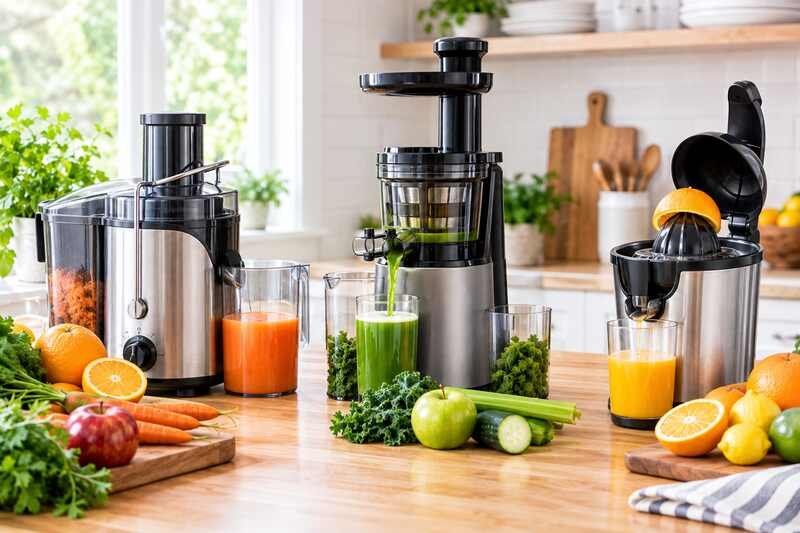
You wake on a busy morning in the United States, craving bright, fresh flavor instead of a packaged drink. You slice an apple and toss some leafy greens into a press. Within minutes you enjoy a vibrant glass that tastes like whole fruits and garden vegetables. That quick win came from choosing the right tool, especially when you understand how much does a juicer cost before buying one for your kitchen.
A reliable juice extractor or modern cold press brings out more nutrients from whole fruits and vegetables. Brands like Breville and Omega show how a quality juicer machine can simplify your routine.
Whether you prefer a manual press juicer or an electric juicer, the goal is the same: extract clean, nutrient-dense juice. This guide breaks down real price ranges by category, plus the features actually worth paying for, so you can pick the best option for taste, ease, and long-term value.
Key Takeaways
- Juicers span roughly $60 to $1,900+, split into three broad tiers: budget centrifugal, mid-range masticating, and premium cold-press.
- A good juice extractor processes whole fruits and vegetables efficiently, and price often tracks motor durability more than juice quality alone.
- Cold press models preserve flavor and deliver vibrant results, typically at a higher upfront cost.
- Choose between manual press and electric juicer based on your routine and how often you plan to juice.
- Investing in a quality juicer machine saves time and can reduce long-term repair and replacement costs.
Understanding How Much Does a Juicer Cost
Picking the right juice machine blends performance expectations with budget limits. Start by thinking of this purchase as an investment in your daily routine and in long-term kitchen appliance value.
Prices break down fairly cleanly into three tiers. Budget centrifugal juicers generally run $60 to $150, covering models built for occasional use and simple fruit-and-vegetable juicing. Mid-range masticating or slow juicers typically fall between $150 and $500, adding stronger motors and better juice yield for regular use. Premium cold-press machines run $500 to $1,900 or more, with the highest tier aimed at daily juicers and small commercial kitchens.
“Many customers find that a higher-rated machine pays for itself with better juice and less waste.”
- Durability matters: look for stainless steel parts and solid warranties, which often separate a $150 machine from a $500 one.
- Reviews and ratings: real user ratings reveal long-term satisfaction better than spec sheets alone.
- Support: manufacturer warranty length is a reasonable proxy for how confident a brand is in its own motor.
Whether you choose a budget or pro-level unit, weigh the initial price against daily use and expected lifespan. A $600 juicer used every morning for five years often costs less per glass than a $70 juicer replaced three times over the same period.
Slow Masticating Versus Centrifugal Models
Different extraction styles change flavor, shelf life, and how much juice you get from fruits and vegetables, and they land at different price points for a reason.
Cold press benefits
Slow masticating units run at low speeds to crush fruits and vegetables gently. This reduces heat and oxidation, so your juice keeps more nutrients and stays fresh longer.
A high-quality cold press juicer squeezes more liquid from produce. That means a higher juice yield and drier pulp, so you waste less of your fruits and vegetables, a real cost saving that partly offsets the higher purchase price over time.
High-Speed Performance
Centrifugal machines use a fast-spinning feed chute to shred fruits and vegetables quickly. They cut prep time and work well when you need a quick glass, and their simpler motors are a big reason they sit at the lower end of the price range.
Fast models can make more foam and may reduce shelf life compared with cold press systems. If speed matters most and budget is tight, these machines deliver rapid results with less chopping and less upfront cost.
| Feature | Slow Masticating | Centrifugal |
|---|---|---|
| Speed | Low | High |
| Juice yield | High | Moderate |
| Feed chute size | Smaller (prep needed) | Larger (less prep) |
| Texture & shelf life | Stable, lasts longer | Foamier, drink sooner |
| Typical price range | $150–$1,900+ | $60–$200 |
- Choose slow masticating if you want high juice yield and low pulp, and don’t mind paying more upfront.
- Choose centrifugal if speed, a larger feed chute, and a lower price matter more than maximum yield.
Key Features to Look for in a Juice Extractor
Focus on practical features that make daily juice prep faster and cleaner. These choices save time and keep you using the machine every morning, which is really where the value of a pricier model shows up.
Feed Chute Size
An extra-large or wide feed chute lets you fit whole fruits and many vegetables without pre-cutting. That cuts prep time and makes morning routines faster, and it’s a feature that tends to show up more consistently on centrifugal models regardless of price.
Stainless Steel Components
Choose models with true stainless steel parts. They resist acids from fruits and stand up to daily use far longer than plastic components. Stainless surfaces also make for an easier clean-up routine.
Motor Power
For cold press juicer models, pick a motor built to handle fibrous produce like celery and leafy greens. Stronger motors keep pulp drier and give a higher juice yield, and motor quality is one of the biggest reasons two machines with similar features can differ by hundreds of dollars.
Also check touch controls, warranty length, and independent reviews so you buy a reliable extractor built to last.
| Feature | Why it matters | What to look for | Benefit |
|---|---|---|---|
| Feed chute size | Reduces prep time | Extra large / wide feed | Fit whole fruits, faster mornings |
| Stainless steel parts | Durability and hygiene | Food-grade stainless steel | Resists acid, easy clean |
| Motor power | Handles fibrous vegetables | High torque, low RPM for cold press | Higher juice yield, drier pulp |
| Controls & service | Daily use and longevity | Simple controls, solid warranty | Reliable machine, easier repairs |
Evaluating Your Daily Juicing Needs
Start by estimating your weekly juice sessions to match the machine, and the price you pay, to your actual lifestyle. If you plan to press every morning, a slow masticating model earns back its higher price through steady performance and a high juice yield.
Think about space on your counter, too. Many cold press juicer machines are larger and need room for feed chutes and pulp containers. Measure your counter before you buy, regardless of budget.
If convenience matters more than maximum yield, pick a press that handles whole fruits and vegetables with minimal chopping. That feature cuts prep time and keeps your routine consistent during busy weeks, even if it means stepping down a price tier.
Decide if you need a professional-grade machine or a modest cold press that fits your budget. Users who leave five-star reviews often say the price was worth the daily health gains over months of use.
- Daily use: slow masticating for longevity and high juice yield, even at a higher price.
- Family needs: pick higher juice yield machines for larger servings to reduce cost per glass.
- Space and budget: check footprint and price together before selecting your press juicer.
Essential Maintenance and Cleaning Tips
A short cleaning routine makes sure every glass of juice tastes fresh and bright. A few minutes after each use keeps parts working and stops buildup, and good maintenance is one of the simplest ways to protect the money you spent on the machine.
Dishwasher-Friendly Parts
Choose models with dishwasher-safe components for an easier clean-up experience. Many users give high ratings to units that rinse quickly and dry fast. That convenience often makes the higher price of a premium model worth it over years of regular use.
- Remove residual pulp from the strainer after each session to prevent clogs and motor strain.
- If parts are not dishwasher-safe, scrub the mesh screen immediately with the included brush.
- Regular maintenance of your juicer machine preserves performance and flavor, and protects your investment.
- Check the manufacturer’s manual for any delicate parts before running them through a dishwasher, since damaging them can mean an unplanned replacement cost.

“Proper care ensures you get the best performance from your machine and keeps every glass fresh.”
Top Recommended Juicer Brands and Models
Top models combine strong motors, thoughtful design, and easy clean-up features that save time and frustration. Here are reliable picks that match different needs and budgets, with current pricing as of this writing (always double-check the retailer’s listed price, since juicer prices shift with promotions).
Nama J2 Cold Press Juicer — around $599, 200-watt motor, 15-year warranty, 50 RPM. This press delivers a high juice yield and durable stainless steel parts.
Nama J3 Cold Press Juicer — around $499, compact design, same 50 RPM performance. Great if you need a space-saving machine that still fits whole fruits and greens.
Shine Multi-Batch Compact Cold Press — around $149.95, 150-watt motor, 3-year warranty for household use. A budget-friendly cold press that balances value and daily performance, and it’s frequently discounted further.
- Breville Juice Fountain Plus — an 850-watt centrifugal option, typically priced around $150, built for speed and a large feed chute.
- Look for models with a large or wide feed chute and food-grade stainless steel components for long life and easier maintenance.
- Brands like Hamilton Beach, Omega, and Breville offer varied choices so you can match price and features to your routine and family size.
“Compare price, warranty, and real-user ratings to find the best value press juicer for your home.”
Frequently Asked Questions
How much does a juicer cost on average?
Most home juicers fall between $60 and $500, with budget centrifugal models at the low end and mid-range masticating juicers filling the middle. Premium cold-press machines can run $500 to nearly $2,000 for commercial-grade units.
Is a more expensive juicer actually worth it?
Often, yes, if you plan to juice regularly. A pricier masticating or cold-press model typically extracts more juice per pound of produce and lasts longer, which can offset the higher purchase price within a year or two of daily use.
Are there hidden costs beyond the juicer’s price?
The main ongoing cost is produce itself, since juicing uses a lot of fruits and vegetables per glass. Replacement parts like strainer screens or masticating augers are a smaller, occasional cost worth checking before you buy, since availability and price vary by brand.
Should I start with a cheap juicer before upgrading?
If you’re not sure you’ll juice consistently, a budget centrifugal model in the $60 to $100 range is a reasonable way to test the habit. If you already know you’ll juice daily, buying a mid-range masticating model up front is often more cost-effective than replacing a budget unit within a year.
Conclusion
Choose a durable unit with stainless steel parts to enjoy fresh, nutrient-rich drinks daily.
Investing in a high-quality machine can transform your routine and boost wellness. Pick slow masticating or fast centrifugal based on your schedule, taste, and budget. Prioritize long-lived parts, a solid warranty, and clear controls over the lowest sticker price alone.
Look for food-grade stainless steel components and easy cleaning features. That combination saves time and keeps flavor bright. Match capacity and price to your household, and choose a model you will genuinely use every day. If you’re still weighing your options, this complete buyer’s guide walks through the decision in more depth, and this overview of what a juicer actually does is a good starting point if you’re brand new to juicing.
Focus on simplicity, reliability, and maintenance. Do this and the right press, at the right price for your routine, will become a small, powerful habit that enhances your kitchen and your health.
One last practical step: register your warranty as soon as the juicer arrives, and keep the receipt somewhere you can find it. Motor issues are the most common reason people contact support, and having your warranty on file speeds up any repair or replacement, whichever price tier you land on.

Hey, My name is MAMON. I am a SEO content creator and affiliate marketer with over 8 years of experience. I create honest product reviews, in-depth buying guides, and practical how-to articles to help readers make informed decisions. My mission is to provide trustworthy, research-backed content that delivers real value.
Leave a Reply