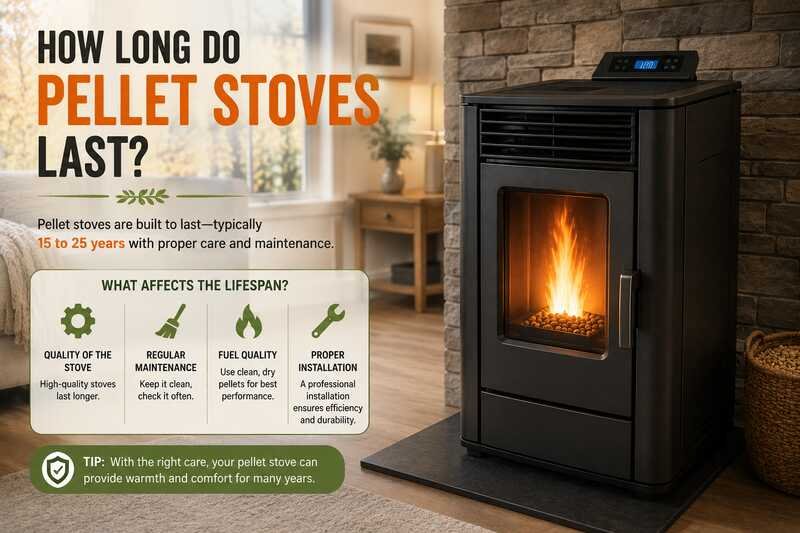
How long do pellet stoves last? Most pellet stoves last about 10 years with regular use. With proper maintenance, a well-built unit can run for 15 to 20 years, making it a genuinely long-term investment for U.S. homeowners looking to cut heating costs. The actual lifespan comes down to three things: construction quality, how often you run it, and the environment it sits in.
Key Takeaways
- Pellet stoves generally last around 10 years, but can reach 15-20 years with proper maintenance.
- Daily burn pot cleaning and annual professional servicing are the two habits that matter most for longevity.
- High-quality, certified pellets and a properly sized unit both add years to a stove’s service life.
- Usage patterns and environmental conditions, like humidity and ventilation, directly affect durability.
- Budgeting for pellets, electricity, and yearly servicing helps you plan the true cost of ownership.
Understanding Pellet Stoves: A Modern Heating Solution
Pellet stoves are a modern, eco-friendly heating choice, offering a clean, efficient way to heat a home unlike a traditional wood stove that needs manual loading and constant tending. They burn compressed wood or other biomass waste pellets, and an electric auger feeds those pellets into the fire automatically, creating a controlled burn instead of the flare-ups you get from stacked logs. If you’re still comparing heating options, our guide on the pros and cons of a pellet stove covers how that trade-off plays out in real households.
How Pellet Stoves Work
The fuel hopper holds the pellets. An auger moves them to the fire, and the stove’s control unit manages the process, keeping the burn efficient and the heat output steady.
Components and Features
Pellet stoves have a fuel hopper, an auger, a combustion chamber, and a blower fan that spreads warm air evenly, which is a big part of what makes a room feel consistently cozy.
Benefits of Pellet Heating
- Clean, efficient burning, with lower emissions compared to a traditional wood stove
- Automatic operation, requiring less manual effort and day-to-day attention
- Precise temperature control and consistent heat output
- Eco-friendly heating, since pellets are made from renewable wood waste
- Cost-effective heating, with fuel costs that are often lower than other heating sources
Pellet stoves aren’t just marketed as clean-burning: they’re regulated that way. Under the EPA’s New Source Performance Standards for residential wood heaters, pellet stoves sold today must meet the same particulate-emissions limits as wood stoves, tightened from 4.5 grams per hour down to 2.0 grams per hour. That’s one reason a certified, well-built stove tends to run cleaner and last longer.
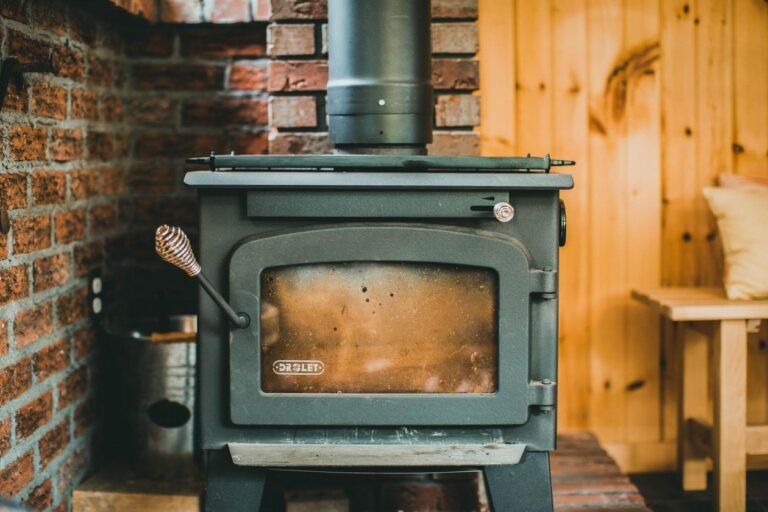
How Long Do Pellet Stoves Last: Average Lifespan Expectations
Pellet stoves are known for their durability and long service life. Most manufacturers and technicians put the average lifespan at around 10 years with normal use, though several factors can push that number up or down.
High-quality stoves can last well over 10 years with good care, while cheaper models might not go as long depending on how hard they’re worked. Installation quality, how often you run the stove, and the grade of pellets you burn all play a role.
With the right care, some pellet stoves reach 15 to 20 years of service, making a good unit a genuinely long-term investment. Keeping it clean, servicing it yearly, and burning top-grade pellets are the three habits that do the most to extend its life.
| Pellet Stove Lifespan | Factors Impacting Durability |
|---|---|
| Up to 10 years (typical) |
|
| Over 10 years (well-maintained) |
|
| Up to 15-20 years (exceptional cases) |
|
In practice, the gap between a stove that dies at 8 years and one still running strong at 18 almost always comes down to maintenance, not luck.
Factors Affecting Pellet Stove Durability
The life of your pellet stove depends on several things: the stove’s quality, how you use it, and the environment it’s in.
Quality of Construction
Pellet stoves built with top-notch materials and careful engineering last longer. Steel strength, electrical reliability, and the durability of moving parts all matter. Choosing a well-made stove from a trusted brand is one of the smartest moves a buyer can make; our guide on how to choose the best pellet stove for you covers what separates a durable unit from a disposable one.
Usage Patterns
Stoves that run constantly for long stretches wear out faster than ones used moderately. Letting the unit cool down between burn cycles, rather than running it nonstop, helps it last longer.
Environmental Conditions
Humidity, temperature swings, and poor air quality can all work against a pellet stove over time. Keeping the space well-ventilated and staying on top of regular maintenance are key to durability. A properly vented system matters for safety too; see our guide on whether a pellet stove needs to be vented for the details.
Get these three factors right, and your heating investment will serve you well for many years.
Essential Maintenance Requirements for Longevity
Regular cleaning and care are vital for efficient, safe operation, and following the manufacturer’s guidance is what actually extends how long your stove lasts.
Clean the burn pot daily; it keeps fuel burning cleanly and stops ash from building up. The ash pan typically needs emptying once or twice a week.
Check the venting system monthly, which stops carbon monoxide from building up. A deep clean of the venting system once a year is a good idea for both safety and performance.
Looking after the hopper and auger system prevents feeding problems and keeps the burn steady. Checking the gaskets every three months helps avoid air leaks, which can cut efficiency and create safety risks.
Getting a yearly check-up from a certified technician matters too: a professional will clean everything from the appliance to the hopper. Correctly installed venting supports that same goal; our guide on pellet stove venting requirements is worth a look if you haven’t confirmed your setup meets code.
Regular pellet stove cleaning and maintenance like this is what separates a stove that dies early from one that runs for two decades.
Daily and Weekly Maintenance Tasks
Cleaning the burn pot and tending to the glass are the two tasks that matter most for keeping your stove working well and safely.
Burn Pot Cleaning
Clean the burn pot daily while the stove is off and cool. This removes ash and clinkers, keeping airflow moving the way it should.
Ash Removal Procedures
Ash builds up inside the stove over time. Empty the ash bin weekly, or sooner if it fills faster than expected, and dispose of the ashes carefully since a full bin can block airflow.
Glass Care Tips
Keep the stove’s glass clean with a vinegar-and-water mix or a stove-safe glass cleaner. Clean it gently once the stove has fully cooled, to avoid scratching the surface.
Regular pellet stove cleaning extends your stove’s life. Our step-by-step guide on how to clean a pellet stove safely and effectively covers each task in more depth, and the video below is a useful visual reference if you’re tackling this for the first time.
Spend just a few minutes each day and week on these tasks, and your pellet stove will keep you warm and comfortable for many years to come.
Annual Service and Deep Cleaning Guide
Keeping your pellet stove in top shape also takes a proper deep clean and professional service once a year, a routine that keeps a stove running well past the point where a neglected one would start failing.
Start by emptying the hopper of any unused pellets, then clean the burn pot to remove ash and debris. Don’t forget the exhaust system, since creosote and blockages tend to build up there unnoticed.
- Vacuum the interior parts to remove dust and debris
- Check and clean the blower motors and fans
- Test the sensors and electrical parts to confirm they’re working correctly
- Make sure the gaskets are in good shape, and replace them if needed
Check your owner’s manual for the manufacturer’s specific steps, or hire a pro; a certified technician has the training and tools for a genuinely thorough clean.
Staying on top of this annual routine is one of the most reliable ways to add years to your stove’s service life.
Signs Your Pellet Stove Needs Repair
A pellet stove can make your home cozy and cut your heating costs, but it needs regular attention. No matter where you live in the U.S., from a cold Northeast winter to a mild West Coast one, knowing when your stove needs help is key to fixing problems before they get expensive.
Common Problems
A stove that heats unevenly might point to issues with the auger, fan, or sensors. Strange sounds like grinding or rattling could mean parts are worn out or loose, and trouble lighting or holding a flame often points to a failing igniter or an off air-to-fuel ratio. Too much ash buildup usually means the stove isn’t burning the way it should.
Troubleshooting Steps
Start by checking the pellets you’re using: the wrong shape or too much moisture can cause feeding and heating issues on their own. Then clean the stove as the manufacturer recommends, including the burn pot, glass, and ash pan.
If those steps don’t fix the problem, call a pro. A certified pellet stove technician can diagnose and fix more serious issues that go beyond routine cleaning.
Warranty Coverage and Protection
Warranty coverage is worth checking closely when you buy a pellet stove. Most warranties run from 24 to 30 months overall, but the specifics vary between brands and models. The ignitor, auger, and firepot are usually covered for 2 to 4 years, while parts like glass or handles often carry a shorter 1 to 2 year warranty.
Keeping your pellet stove in good shape matters here too: following the manufacturer’s cleaning and use guidelines helps keep the warranty valid.
| Component | Typical Warranty Coverage |
|---|---|
| Ignitor, Auger, Firepot | 2-4 years |
| Glass, Handles | 1-2 years |
| Overall Stove | 24-30 months |
A properly installed, well-maintained, and correctly operated pellet stove is also simply a safer heating source for your home. Follow the manufacturer’s advice and keep up with regular maintenance, and you’ll keep your stove running well and your warranty intact.
Cost of Ownership Over a Pellet Stove’s Lifespan
How long a pellet stove lasts is only part of the picture. What it costs to run over that lifespan matters just as much when you’re deciding if it’s right for your home.
According to Angi’s 2026 cost data, wood pellets run about $200 to $400 per ton, with most homeowners paying around $250. A typical home burns two to four tons a season, roughly $400 to $1,600 a year in fuel alone. The electricity to run the auger and blower fan adds another $30 to $100 a year; our breakdown of how much electricity a pellet stove uses covers that in more detail.
Professional servicing, recommended once or twice a year, typically runs $150 to $500 annually. Add that to fuel and electricity, and a well-maintained stove might cost $600 to $2,200 a year to operate.
Stretched across a 15 to 20 year lifespan, those numbers make a real case for buying quality upfront rather than the cheapest stove available: a more efficient unit burns less fuel and needs fewer repairs, usually offsetting a higher sticker price within a few seasons. Our guide on what it costs to install a pellet stove breaks down the installation side of that budget.
Maximizing Your Pellet Stove’s Lifespan
Best Practices
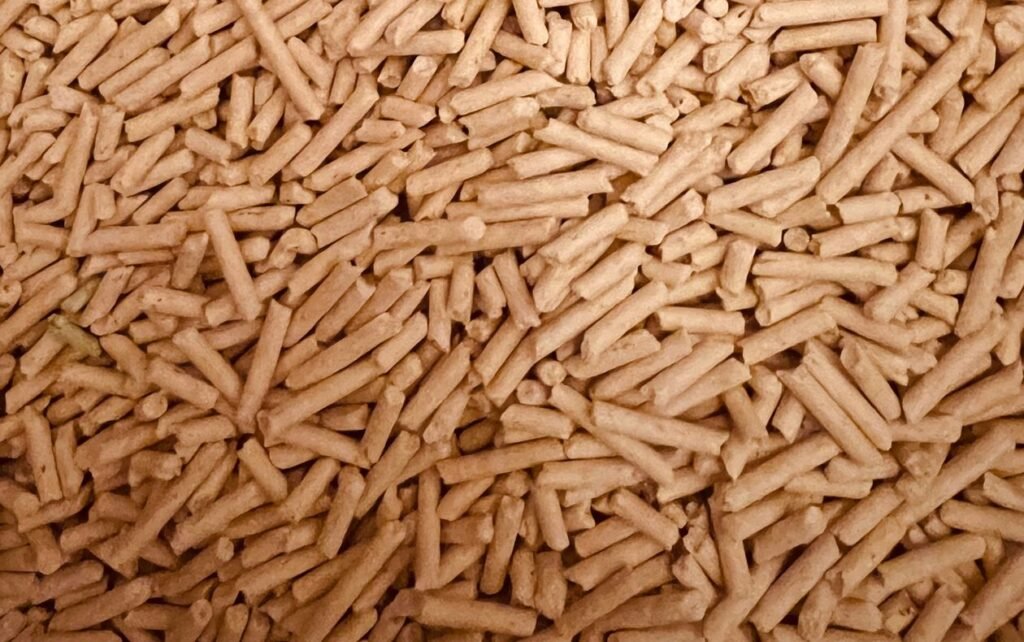
Follow the manufacturer’s cleaning and maintenance tips closely, and use top-quality wood pellets. Pellets that meet standards like EN plus, DIN plus, or ÖNORM tend to burn cleaner and produce less ash.
Professional Maintenance Tips
Getting your stove checked by a professional every year keeps it in top shape.
Make sure your stove is installed correctly and the venting stays clean, which prevents problems that can quietly shorten its life. Shopping for a new unit? Our roundup of the best pellet stoves is a good place to start.
Follow these tips, and your pellet stove will keep your home warm and comfortable for many years, giving you a reliable source of heat for decades.
Frequently Asked Questions
How long do pellet stoves actually last with good care?
About 10 years with typical use. With consistent maintenance, including daily burn pot cleaning and annual professional servicing, a quality unit can reach 15 to 20 years.
What shortens a pellet stove’s lifespan the most?
Skipping regular cleaning is the biggest culprit, followed by burning low-quality pellets and running the unit constantly without letting it rest. Poor ventilation and high humidity also wear down components faster than normal.
Is it worth repairing an older pellet stove instead of replacing it?
It depends on the stove’s age and the repair cost. If the unit is under 10 years old and the repair is minor, servicing it is usually cheaper than replacing it. Once major components like the auger motor or control board fail on a stove past its typical lifespan, replacement is often more cost-effective.

Hey, My name is MAMON. I am a SEO content creator and affiliate marketer with over 8 years of experience. I create honest product reviews, in-depth buying guides, and practical how-to articles to help readers make informed decisions. My mission is to provide trustworthy, research-backed content that delivers real value.
Leave a Reply