Yes, a pellet sto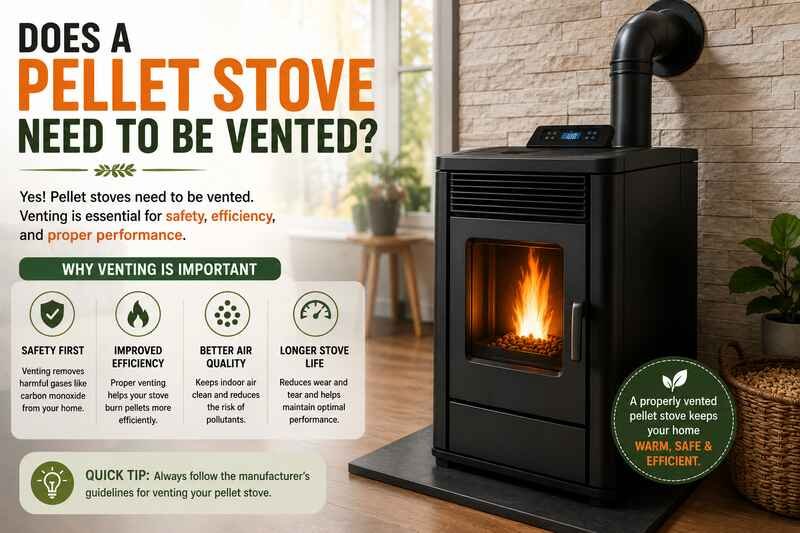 ve needs to be vented. Every pellet stove burns fuel and produces combustion byproducts, including carbon monoxide, that have to be carried safely outside your home through a dedicated vent pipe. Good venting is vital for a pellet stove’s safe and efficient use: it removes harmful gases, brings in fresh combustion air, and keeps the stove running smoothly with the right airflow.
Key Takeaways
- Pellet stoves always require proper venting to expel combustion byproducts and bring in combustion air.
- Venting is crucial for indoor air quality and for preventing carbon monoxide hazards.
- Professional installation is recommended to ensure the venting system meets safety and building code requirements.
- Vertical venting through the roof is generally preferred for pellet stoves, since it maintains warm gases and natural draft.
- Clearance requirements and proximity to combustible materials vary by manufacturer, so always check the label on your specific vent pipe.

Understanding Pellet Stove Basics
Pellet stoves use compressed wood or biomass pellets as fuel. They work like modern furnaces, with systems that feed fuel and control heat automatically. Knowing how they work is key when choosing a stove for your home; our guide on how to choose the best pellet stove for you covers that decision in more depth.
What is a Pellet Stove?
A pellet stove is a heating unit that burns wood or biomass pellets. It’s designed for efficient, clean heat, which makes it a good choice for those looking for a greener heating option.
How Pellet Stoves Work
Pellet stoves feed pellets from a hopper using an auger. An electric igniter starts the burn, a fan spreads the heat, and a thermostat keeps the temperature steady.
Key Components of a Pellet Stove
The main parts of a pellet stove are:
- Hopper: Holds the wood pellets.
- Burn Pot: Where the pellets burn.
- Auger: Feeds pellets into the burn pot.
- Heat Exchanger: Transfers heat to the air.
- Convection Fan: Spreads the heated air.
- Exhaust Fan: Pulls combustion gases out through the vent pipe.
- Ash Pan: Catches ash from burning.
- Control Board: Manages the stove’s operation.
Pellet stoves are efficient and eco-friendly, since they use renewable fuel and burn clean. Knowing how they work is the first step to deciding if one is right for your home, and to understanding why venting isn’t optional.
Does a Pellet Stove Need to Be Vented
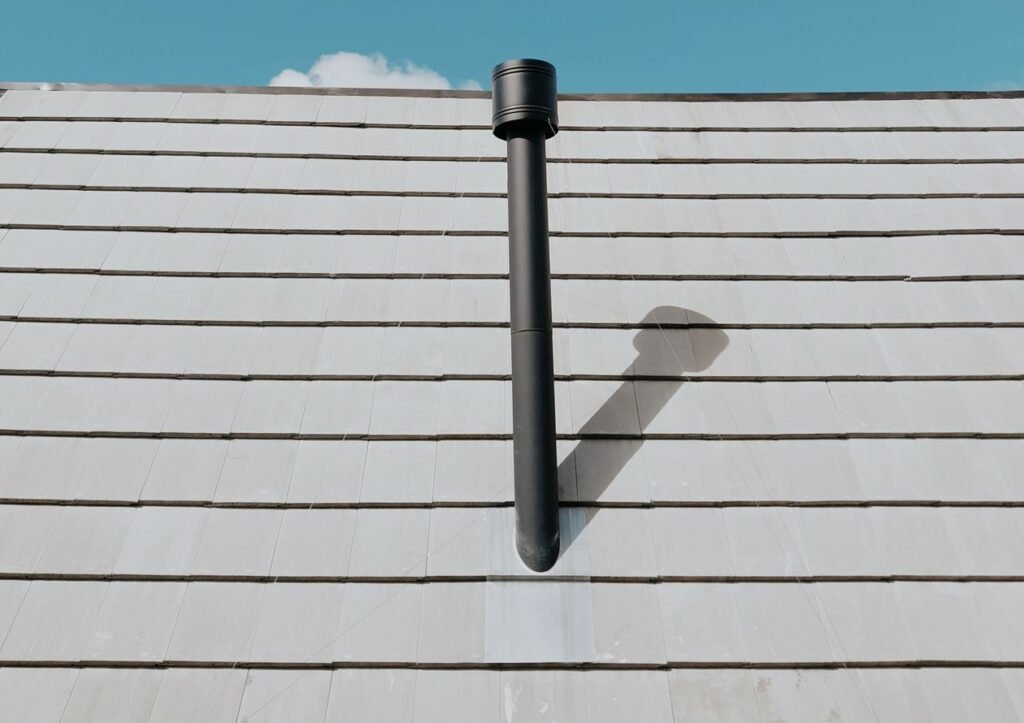
Every pellet stove needs to vent combustion byproducts outside and draw in fresh combustion air. This isn’t optional: it’s a matter of safety, and it’s required by building codes across the U.S.
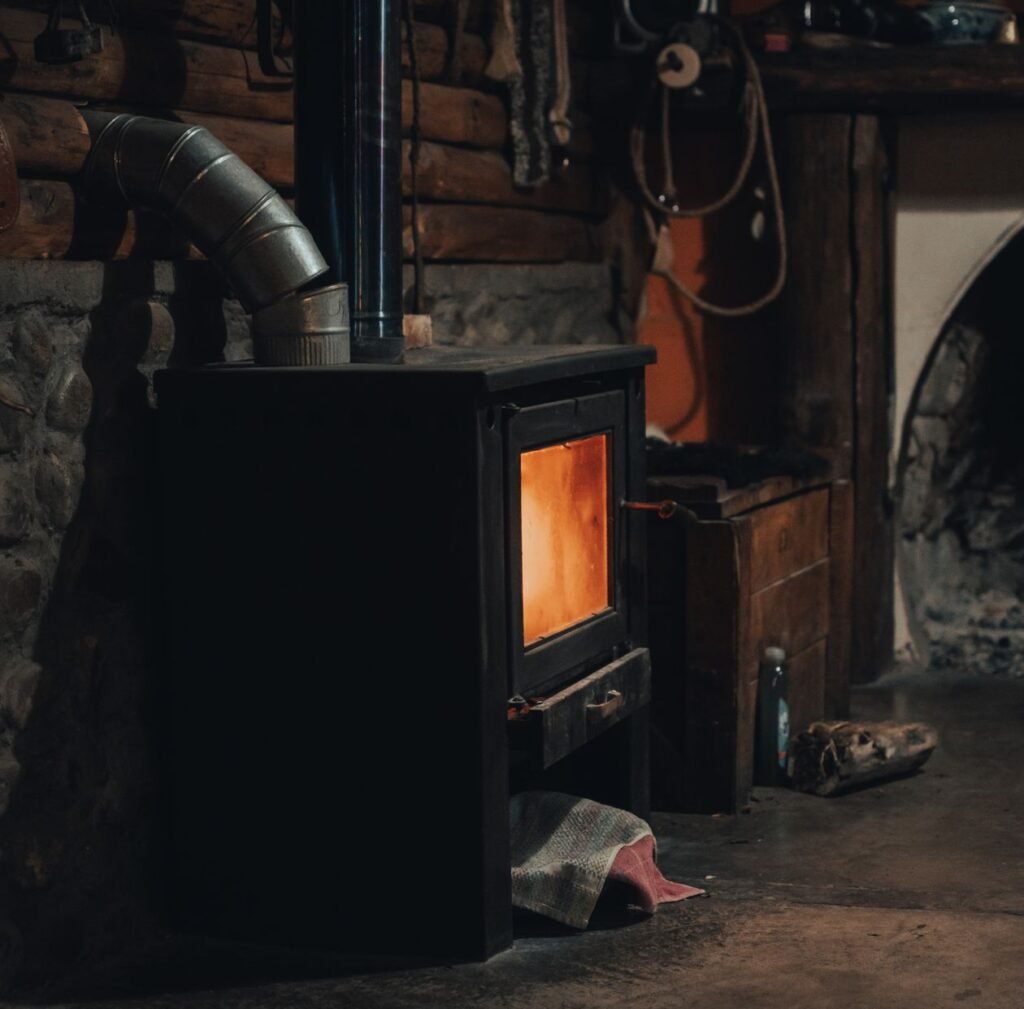
Venting keeps harmful gases like carbon monoxide out of your home. Pellet stoves use a sealed vent pipe system, and you can install it horizontally through a wall or vertically through the roof, depending on your home and stove model.
Venting Options for Pellet Stoves
- Horizontal venting through an exterior wall: This is a common and affordable choice.
- Vertical venting through the roof: This is often more efficient but can be more complex to install.
- Existing chimney retrofitting: Some pellet stove inserts can use an existing chimney, fitted with a liner, for venting. Our guide on whether pellet stoves need a chimney covers this option in detail.
Choosing the right venting option is important. Follow local codes and the stove’s installation manual, and consider having a professional confirm your setup for safety and performance.
| Venting Requirement | Details |
|---|---|
| Vent Pipe Material | Listed stainless steel pellet-vent pipe is recommended for safe, durable venting |
| Vent Pipe Diameter | Typically 3 or 4 inches, depending on the pellet stove model |
| Vent Pipe Length | Varies by installation, but should be minimized to maintain draft and efficiency |
| Vent Pipe Clearance | Set by the manufacturer, commonly as little as 1 inch to combustibles on listed pellet-vent systems |
Knowing the venting needs for your pellet stove ensures a safe and efficient setup. Proper venting is a key safety factor for any pellet stove, no matter where in the U.S. you live.
Safety Considerations for Pellet Stove Installation
Installing a pellet stove requires a focus on safety. It’s important to ensure proper ventilation to avoid carbon monoxide buildup, and following local building codes and safety regulations is key for a safe installation.
Building Code Requirements
Local building codes must be followed when installing a pellet stove. This includes getting the right permits and passing inspections. A professional technician can help with these steps to ensure a safe setup.
Clearance Requirements
Pellet stoves generally need less clearance from flammable materials than traditional wood stoves, though the exact figure depends on the specific model and vent pipe. Always check the manufacturer’s guidelines and local codes for the clearance that applies to your unit.
Fire Safety Measures
Fire safety is crucial when installing a pellet stove. Make sure the area has heat-resistant flooring and is far from walls and furniture. Proper venting is also essential to remove harmful gases outside, meeting safety standards.
| Safety Consideration | Best Practice |
|---|---|
| Building Code Compliance | Obtain necessary permits, schedule inspections, and ensure installation meets all regulatory requirements |
| Clearance from Combustibles | Follow manufacturer guidelines and local building codes for the minimum clearance listed on your vent pipe |
| Fire Safety Measures | Install heat-resistant flooring, maintain proper distances from walls and furniture, and ensure proper venting |
By focusing on safety during installation, you can enjoy your pellet stove while reducing fire risks. A certified pellet stove technician can confirm your installation meets all safety standards before you ever light the first fire.
Types of Pellet Stove Venting Systems
Choosing the right venting system for your pellet stove is important. It depends on your stove’s location, your home’s layout, and local rules. Knowing your options can help you pick the best system for your home.
Direct Venting
Direct venting is a common choice. It sends the exhaust straight out through an exterior wall. This method is simple and often cheaper, since it doesn’t need a vertical vent or chimney.
Vertical Venting
Another option is venting up through the roof. This method is better for draft and keeping warmth in, but it needs more work. Make sure the vent is tall enough for good operation, per your stove’s manual.
Chimney Venting
Using an existing chimney is another way to vent your pellet stove. This method is good if you’re switching from a wood stove; just install a listed liner inside the chimney.
It’s crucial to have a fresh air intake for your pellet stove. This ensures good combustion and air quality inside your home.
| Venting System | Advantages | Disadvantages |
|---|---|---|
| Direct Venting |
|
|
| Vertical Venting |
|
|
| Chimney Venting |
|
|
When picking a venting system, think about your stove, your home, and local rules. A professional can help make sure your stove is vented right and safely. The video below walks through one real-world example of running vent pipe through an exterior wall.
Professional vs DIY Installation Guidelines
Setting up a pellet stove is best done by professionals, since the venting system and local safety rules are where most installation mistakes happen.
When to Hire a Professional
A certified installer makes sure your stove is safe and follows local codes, and can help you pick the right stove size for your home, which matters for both heating performance and energy use. According to Angi’s 2026 cost data, professional pellet stove installation typically runs $1,009 to $3,667, while a DIY installation might save $250 to $1,000 in labor, provided you’re confident handling the venting correctly. Our breakdown of what it costs to install a pellet stove covers that budget in more detail.
Common Installation Mistakes to Avoid
DIY pellet stove setups can run into trouble when they skip steps: incorrect venting, wrong clearances, and skipped local codes are the most common mistakes. A botched venting job can cost far more to fix later, on top of the safety risk.
Required Tools and Materials
For a proper pellet stove venting setup, you need the right tools and materials: vent pipe rated for pellet stoves, a wall thimble, high-temperature silicone sealant, and basic safety gear. A pellet stove typically uses 1 to 3 tons of pellets a season and produces 8,000 to 90,000 BTUs per hour, with hoppers holding 40 to 120 pounds of pellets.
Getting a pro to install your new pellet stove venting system is smart. It makes sure the job is done right and safely, and it protects the warranty on your new stove.
Vertical vs Horizontal Venting Options
When choosing how to vent your pellet stove, you have two main options: vertical and horizontal venting. Each has its own pros and cons, and it’s worth knowing the differences before you choose.
Vertical Venting
Vertical venting, where the vent goes straight up through the roof, is often the top choice. It has several benefits:
- It offers better natural draft, which helps remove exhaust gases efficiently.
- It keeps vent gases warm, reducing condensation risks.
- It typically needs several feet of vertical rise before any horizontal run, per most manufacturers’ installation manuals.
Horizontal Venting
Horizontal venting, where the vent goes through a side wall, is cheaper and easier to install. But it has some downsides:
- It might need a small vertical rise to remove smoke, mainly during power outages.
- It’s more likely to have condensation issues, since outside walls run cooler.
- It might not offer as strong a natural draft as vertical venting.
The choice between vertical and horizontal venting depends on several factors: where your exterior wall or roofline sits relative to the stove, your home’s layout, and the local climate. Talking to a certified pellet stove installer can help you pick the option that works best for your home’s heating efficiency.
Proper Ventilation Requirements and Specifications
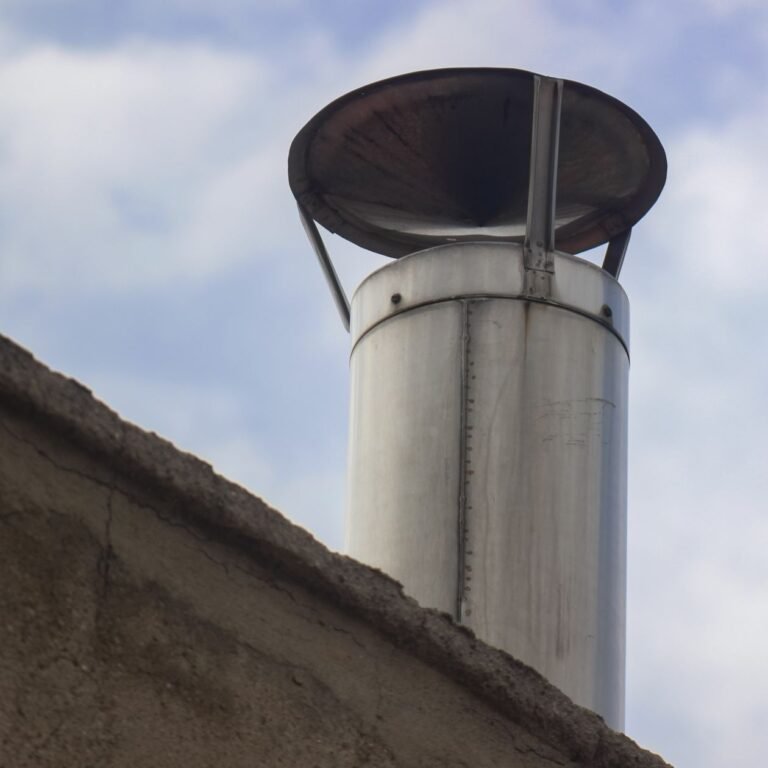
Installing a pellet stove requires careful attention to ventilation. This ensures the stove operates safely and efficiently. Key factors include vent pipe size and its distance from combustible surfaces.
Vent Pipe Sizing
Pellet stoves usually need a 3-inch or 4-inch vent pipe. The right size is vital for good airflow and burning; a too-small pipe can hurt both performance and safety.
Distance Requirements
Manufacturer specifications spell out exactly how far vent pipe must sit from your home and from other openings. As one example, DuraVent’s PelletVent Pro installation manual requires horizontal pipe to extend at least 6 inches beyond the exterior wall, and the overall vent run can be no longer than 42 feet. These rules prevent backdrafting and keep exhaust gases from re-entering the home through windows or air intakes.
Following your specific vent system’s rules is key for safe, efficient operation. Always check with local authorities and a qualified installer, since requirements vary by manufacturer and jurisdiction.
Maintenance and Cleaning of Venting Systems
Keeping your pellet stove’s venting system clean is key for safe and efficient use. Regularly check and clean the exhaust vent, make sure there are no blockages, and confirm the seals are tight. Tools like the Gardus Soot Eater can help a lot with cleaning the vent pipe, and our full guide to cleaning a pellet stove safely and effectively covers the rest of the routine.
Plan on a deep clean of the stove roughly every week during heating season. The glass needs daily or every-few-days cleaning, the burn pot should be scraped daily, and the ash pan emptied weekly or monthly. Watch the vent pipe too, and clean it before soot buildup exceeds about a quarter of an inch.
Getting a professional to inspect your pellet stove once a year is a good idea. This ensures everything, including the venting, is working right and safely. Consistent venting maintenance is also one of the simplest ways to protect how long your stove itself lasts; see our guide on how long pellet stoves last for more on that connection.
Conclusion
So, does a pellet stove need to be vented? Yes, without exception. Every pellet stove burns fuel and has to move combustion gases outside through a properly sized vent pipe, whether that’s a horizontal run through an exterior wall, a vertical run through the roof, or a lined existing chimney. The specific pipe diameter, clearance, and length requirements vary by manufacturer, so the installation manual for your exact stove model is the final word, not a generic rule of thumb.
Get the venting right, follow local building codes, and keep up with regular cleaning, and a pellet stove is one of the safer, more efficient ways to heat a U.S. home. If you’re still shopping for a unit, our roundup of the best pellet stoves is a good place to start before you plan the installation.

Hey, My name is MAMON. I am a SEO content creator and affiliate marketer with over 8 years of experience. I create honest product reviews, in-depth buying guides, and practical how-to articles to help readers make informed decisions. My mission is to provide trustworthy, research-backed content that delivers real value.
Leave a Reply