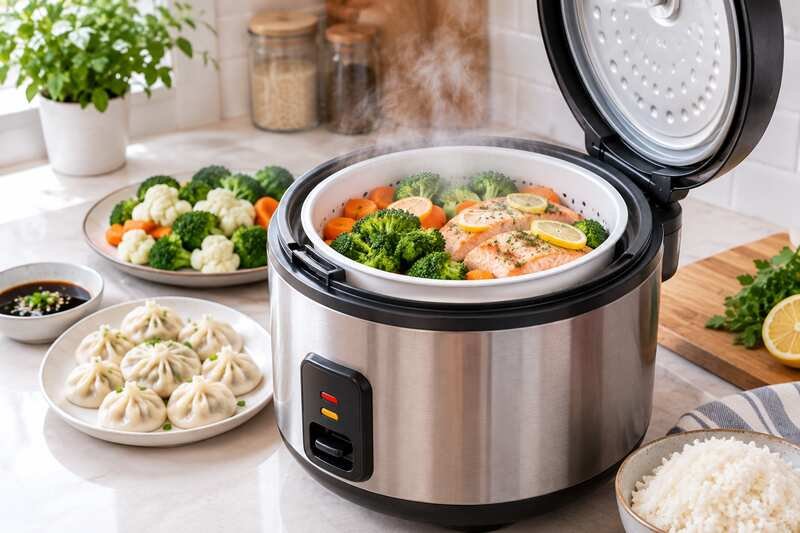
You walk into the kitchen after a long day and want a quick, healthy meal. Your rice cooker sits on the counter like an old friend. It can do more than make rice. Learning how to steam using rice cooker methods can save you time and simplify dinner. This small appliance turns one-pot cooking into a smart solution. With a steamer basket and the right water level, you can cook grains and vegetables at once. You can also prepare chicken or other proteins without extra pots.
The trick is learning simple steps and a few reliable recipes. Once you master basic settings, you will make rice and steamed sides in minutes. That change will make weeknight meals easier and more nutritious, and it means fewer pans to scrub once dinner is done.
Key Takeaways
- You can transform meals with one versatile appliance.
- Use a steamer basket to cook vegetables while grains finish.
- Proper water amounts and timing yield consistent results.
- The cooker handles proteins like chicken for complete meals, as long as you check for a safe internal temperature.
- Learning a few recipes saves time and boosts nutrition.
Understanding the Versatility of Your Rice Cooker
A 10-cup unit gives you room to cook a main and sides together without extra pans. This capacity makes the appliance ideal for family meals and one-pot dishes. You will save time and cut cleanup when parts cook at once.
Most modern rice cookers, from budget models to Japanese-style fuzzy logic cookers, ship with a stackable steamer tray. That tray sits above the cooking pot and lets steam rise through vents while the base handles rice or grains below. If your model didn’t come with one, a stainless steel or silicone basket that fits inside the pot works just as well.
The Rice Cooker as a Steamer
A rice cooker doubles as a reliable steamer when you add the right amount of water and a tray. Place grains or a pot of rice on the bottom and a steamer basket on top. Keep pieces of vegetables or chicken in a single layer for even heat. A single layer matters more than it sounds: stacked or crowded food blocks steam flow and cooks unevenly, leaving some pieces underdone while others turn mushy.
Essential Tools for Success
- A steamer basket keeps rice and vegetables separate during cooking.
- Add about two inches of water at the bottom for most vegetables.
- Hard-boiled eggs finish in roughly 10 to 13 minutes once the water is hot, depending on how firm you want the yolk.
- Follow the markings inside the pot to manage rice-to-water ratios and the amount of water needed for steaming.
- Close the lid tightly to trap steam and ensure even cooking for every meal.
- Check your water level partway through longer cycles. A dry pot can scorch rice and stall the steam supply to whatever sits above it.
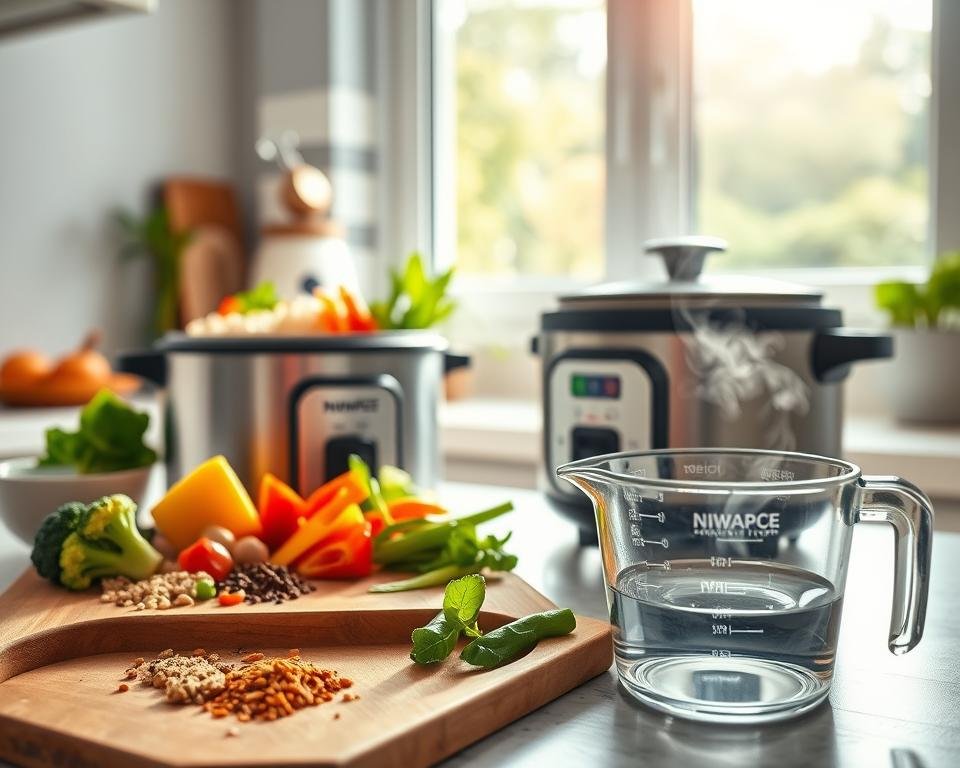
How to Steam Using Rice Cooker for Healthy Meals
Layering ingredients lets you make a full meal in one pot. Start with the right rice-to-water ratio. Most standard rice cookers call for roughly 1:1.3 for fluffy, separate grains, though the exact figure depends on the rice variety and your specific cooker. Add the measured amount of water, then set the rice in the inner pot.
Place small pieces of chicken on top of the rice. Add a selection of vegetables above the chicken for the final minutes. Use a steamer basket or a heat-safe dish if you prefer separation.
Keep the lid closed during the cooking cycle so steam cooks everything evenly. When the appliance flips to warm, check your chicken with a food thermometer before serving. According to the USDA’s Chicken from Farm to Table guidance, poultry is safe to eat once it reaches 165°F at the thickest part, and boneless breast should rest about 5 minutes before you cut into it. This single check matters more than any timer, since rice cookers vary in wattage and steam output.
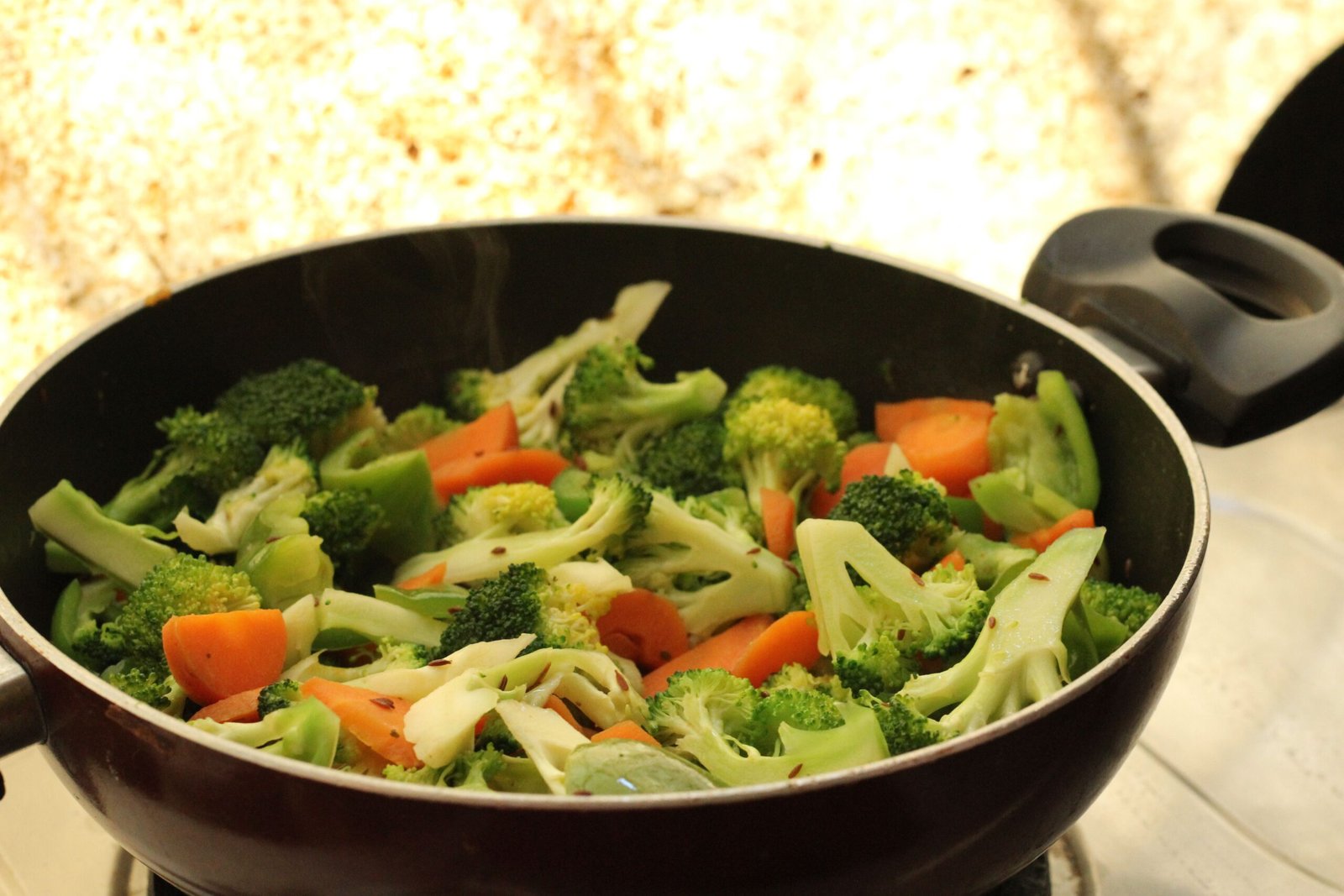
Cutting vegetables into similar sizes helps them finish steaming at the same time.
- Cut chicken into small, even pieces so every piece reaches a safe temperature at roughly the same time.
- Adjust water slightly for firmer or softer rice.
- Use the warm setting for a few minutes if needed before serving.
| Ingredient | Cut Size | Layer Position | Approx. Minutes |
|---|---|---|---|
| White rice | Whole | Bottom (1:1.3 water) | 15–20 |
| Chicken breast | 1-inch pieces | Top of rice | 15–20 (verify 165°F) |
| Broccoli | Florets | Top / steamer basket | 4.5–5 |
| Carrots | Sliced | Top / steamer basket | 8–10 |
| Green beans | Trimmed, whole | Top / steamer basket | 3–5 |
| Eggs | Whole, in shell | Steamer basket | 10–13 |
| Quick greens | Large leaves | Top, last 2–3 minutes | 2–3 |
Times above are starting points from America’s Test Kitchen’s steaming tests and will shift slightly based on how full your basket is and how hot your cooker runs.
Food Safety When Steaming Proteins and Eggs
Rice cookers run at a gentler, more consistent heat than a stovetop, which is part of why they’re forgiving for beginners. That same gentleness means it’s worth double-checking doneness rather than relying on the clock alone. A food thermometer is the only reliable way to confirm chicken has reached 165°F, since color and texture can be misleading in a steamy, enclosed pot.
Eggs carry their own guidance. The FDA’s egg safety guidance recommends cooking egg dishes until both the yolk and white are firm, and reheating any previously cooked egg dish to 165°F before serving. For whole eggs steamed in the shell, aim for the higher end of the 10-to-13-minute range if you want a fully set yolk for meal prep that will sit in the fridge for a few days.
One more habit worth building: don’t overcrowd the steamer basket. Lay food in a single layer so steam can circulate freely and reach every piece. A packed basket cooks unevenly no matter how long you leave it in the cycle, and it’s one of the most common reasons a “steamed” batch comes out with some pieces still firm.
Advanced Techniques for One Pot Cooking
Stacking ingredients cleverly lets you finish a full meal in one cycle. Use this section to learn a few pro tricks that make your appliance an efficient, reliable helper for dinner.
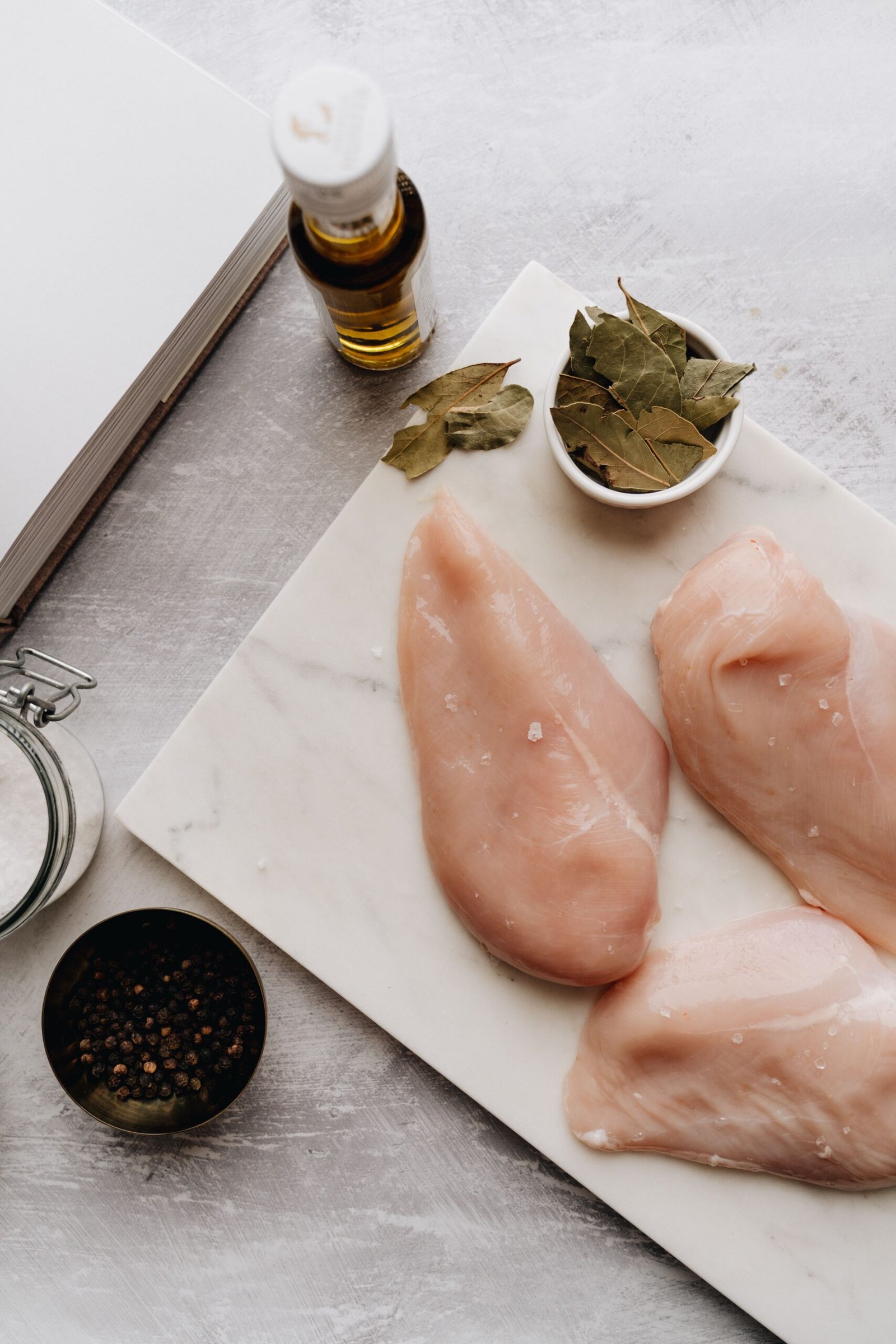
Trimming chicken into uniform pieces before it goes into the cooker helps it steam evenly.
The Tower of Doom Method
The Tower of Doom method uses a steamer stand or an inverted ramekin to build layers above the grains. Place the bottom layer of chicken or another protein above the rice, then add vegetables on top.
Steam travels upward, so denser items go lower and quick-cooking greens stay near the lid. This helps everything finish at close to the same time without overcooking the top layer while the bottom is still catching up.
Preparing Proteins and Vegetables
Cut proteins into uniform pieces for even cooking. Trim vegetables into similar sizes so they take roughly the same minutes in the pot. Odd-sized pieces are the most common reason a mixed batch finishes unevenly, since a thick carrot chunk and a thin one can differ by several minutes.
- Use heat-safe dishes when stacking to protect the appliance’s nonstick coating.
- Check water levels before you start, and add the right amount for both grains and steam.
- Pat proteins dry before seasoning so marinades and spice rubs stick instead of sliding off in the steam.
Flavor Enhancements
Add simple sauces or aromatics directly on the chicken and vegetables. Fresh ginger, soy sauce, or a splash of oyster sauce boosts flavor without extra pans. A squeeze of lemon or a drizzle of sesame oil right before serving brightens steamed vegetables that might otherwise taste flat.
Timing is key: keep an eye on short-cook vegetables so they stay bright and crisp. Opening the lid briefly to check doesn’t ruin the cycle, and it’s worth the peek if you’re steaming a vegetable you haven’t timed before. This one-pot approach saves dishes and gives you a tasty, balanced meal at home.
What to Look for in a Rice Cooker That Steams Well
Not every rice cooker handles steaming equally well. If you’re shopping for a new one specifically because you want to steam using rice cooker methods regularly, a few features make the process much easier.
- An included steamer tray or basket: Many mid-range and higher-end models bundle one. Buying a separate basket works fine, but a tray designed for your exact pot fits more securely.
- A larger capacity pot: A 6-cup cooker can steam a small side dish, but a 10-cup model gives enough clearance for a full layered meal without crowding.
- A keep-warm function with a reasonable auto shutoff: This lets you finish a protein a few extra minutes without babysitting the appliance, though you should still verify doneness with a thermometer rather than trusting the setting alone.
- A tight-fitting, vented lid: A lid that seals well keeps steam circulating instead of escaping, which shortens cook times and keeps results more consistent.
None of these features are strictly required. A basic rice cooker with an aftermarket steamer insert can produce nearly identical results to a pricier model. The features above simply remove some of the guesswork, which matters most if you plan to steam full meals on a regular weeknight rotation rather than as an occasional experiment.
Troubleshooting Common Steaming Problems
Even a simple method has a few common snags. Here’s how to fix the ones that come up most often.
- Rice is mushy but vegetables are underdone: Your water ratio for the rice may be too high, or the steamer basket sits too close to the water line. Try slightly less water on the rice side next time.
- Vegetables are unevenly cooked: Check for overcrowding or uneven piece sizes, both of which block steam from reaching every surface.
- Chicken isn’t reaching 165°F in the expected time: Cut the pieces smaller, or move them lower in the stack, closer to the direct heat source.
- The cooker switches to warm too early: Some units sense when the pot runs low on water and shift automatically. Check your water level rather than assuming the food is fully done.
Frequently Asked Questions
Can I steam frozen vegetables in a rice cooker?
Yes. Frozen vegetables generally need a few extra minutes compared with fresh, since the cooker has to first bring them up to temperature before steaming begins in earnest. Spread them in a single layer rather than a frozen clump for the most even results.
Do I need a special steamer basket, or will any bowl work?
A vented steamer basket or tray works best because it lets steam circulate on all sides of the food. A solid bowl can still work in a pinch, but it traps condensation and tends to leave food sitting in water rather than truly steaming.
How do I know my rice cooker is actually reaching a safe temperature for chicken?
Don’t rely on the timer alone. Use an instant-read food thermometer inserted into the thickest part of the chicken and confirm it reads 165°F, per USDA guidance, before serving.
Can I steam rice and soup ingredients in the same rice cooker session?
Not in the same cycle, since soup needs to simmer in liquid rather than sit above it. If you want both, steam your sides first, then use the same appliance to cook soup in a rice cooker afterward.
Conclusion
A few reliable habits let you turn one cycle into a full, balanced meal without extra cleanup. Use the steamer tray and layer ingredients so denser pieces sit lower and quick greens finish near the lid.
Pay attention to water levels, timing, and a thermometer check on any protein for consistent, safe results. A good rice cooker run can cook rice and chicken together in the same minutes it once took to make a single dish. This saves time and limits dishes, and once you know how long you can keep the leftover rice afterward, cleanup is the easy part.
Start small, try a simple recipe, and adjust water and placement as you learn. If you ever need a backup method, a microwave steamer handles small portions well, but for a full meal, learning how to steam using rice cooker techniques remains the faster, more hands-off choice. With practice, and regular cleaning between uses, your appliance becomes a go-to tool for healthy, tasty food.

Hey, My name is MAMON. I am a SEO content creator and affiliate marketer with over 8 years of experience. I create honest product reviews, in-depth buying guides, and practical how-to articles to help readers make informed decisions. My mission is to provide trustworthy, research-backed content that delivers real value.
Leave a Reply