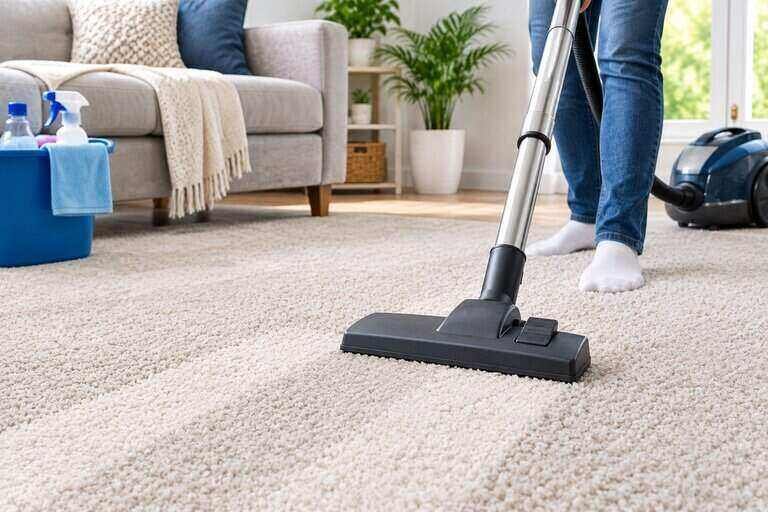
Should you vacuum after carpet cleaning? For most homeowners, the short answer is yes. Vacuuming afterward helps remove leftover residue, fluffs up flattened fibers, and keeps your carpet looking its best. This guide covers when to do it, how long to wait, and what happens if you skip this step.
Key Takeaways
- Should you vacuum after carpet cleaning? Yes, in almost every case. The right timing just depends on the cleaning method.
- After steam cleaning (hot water extraction), most pros recommend waiting the full 24 hours before vacuuming. Drying can finish sooner in good conditions, but 24 hours is the safer target.
- Dry and low-moisture methods like encapsulation dry much faster. You can often vacuum within a couple of hours.
- Skipping this step leaves cleaning residue behind. That residue attracts new dirt and speeds up re-soiling.
- A vacuum with strong suction and a real HEPA filter gets the best results. It also helps with everyday allergens between cleanings.
When to Vacuum After Professional Carpet Cleaning
Timing depends entirely on which cleaning method was used. Steam cleaning and dry cleaning behave very differently once the crew leaves.
Steam Cleaning (Hot Water Extraction)
Steam cleaning uses hot water and a cleaning solution. It’s pushed deep into the carpet fibers, then extracted back out. The method is thorough. It also leaves carpet noticeably damp.
Drying time varies with humidity, airflow, and how much water was used. Real-world estimates differ a bit as a result. Some sources put full drying at 6 hours in ideal conditions. Others recommend planning on the full 24 hours. Splitting the difference, a safe rule of thumb is to wait at least 24 hours before vacuuming. Check that the carpet feels completely dry first, especially near baseboards and under furniture.
Vacuuming damp carpet causes two problems. It can damage your vacuum’s motor, and it can push dirt back into the fibers instead of lifting it out. Neither outcome is worth the time saved.
Dry and Low-Moisture Cleaning (Encapsulation)
Dry cleaning methods, like encapsulation, use far less water. The cleaning solution crystallizes around loosened dirt as it dries. That dried residue is designed to be vacuumed away easily.
Carpets cleaned this way are often ready to vacuum within a couple of hours. That’s well before a steam-cleaned carpet would even be dry. It’s one reason offices and busy households often prefer this method, since foot traffic can resume sooner.
Signs Your Carpet Is Fully Dry
Guessing at drying time isn’t ideal. A few quick checks tell you more than the clock does.
Press your palm flat against the carpet in a few spots, including high-traffic areas and corners. If it feels cool or even slightly damp, it needs more time. Check the padding underneath too, if you can access it near a doorway or vent, since padding often stays wet longer than the visible fibers. Musty smells are another warning sign. They usually mean moisture is still trapped somewhere in the pile or pad.
Humidity and airflow both speed up or slow down this process. Running a fan, opening windows, or using a dehumidifier can meaningfully cut drying time, especially after steam cleaning.
Should You Vacuum After Carpet Cleaning?
So, should you vacuum after carpet cleaning once it’s dry? In almost every situation, yes. It’s one of the simplest ways to protect the results you just paid for.
With steam cleaning, vacuuming isn’t always strictly required. It still helps restore the carpet’s texture, though. With dry cleaning methods like encapsulation, vacuuming afterward isn’t optional. It’s the step that actually removes the dirt the cleaning solution captured in the first place.
- It removes leftover cleaning solution before it can attract new dirt.
- It restores the carpet’s original look and feel by fluffing the fibers back up.
- It keeps the carpet cleaner for longer by clearing out dirt and allergens the cleaning loosened.
| Cleaning Method | Vacuum Afterward? |
|---|---|
| Steam Cleaning | Helpful, though not always essential |
| Dry Cleaning (Encapsulation) | Yes, strongly recommended |
If you’d rather see the reasoning explained directly, this video walks through when and why to vacuum after a professional cleaning:
Why Vacuuming After Cleaning Matters
Vacuuming after a professional cleaning does more than tidy up. It actually finishes the job in a few specific ways.
Removing Residual Cleaning Agents
Even a careful professional cleaning leaves some cleaning agent in the fibers. Left alone, that residue acts like a magnet for new dirt. It’s a big reason carpets sometimes look dirty again within weeks of a cleaning. Vacuuming pulls that residue out before it causes problems.
Restoring Pile and Appearance
Cleaning equipment, especially steam cleaners, can leave temporary lines or flattened patterns in the carpet. A pass with a good vacuum lifts the fibers back up. It evens out the texture, so the carpet looks freshly done rather than pressed flat.
Speeding Up the Drying Process
A light, careful vacuum pass on a nearly-dry carpet can also help pull out surface moisture. This isn’t a substitute for proper drying time, but it can shave a little time off the final stretch, especially in humid climates.
Risks of Skipping This Step
Not vacuuming after cleaning doesn’t undo the cleaning, but it does chip away at the results. A few problems tend to show up over time.
| Issue | Why It Happens | Effect on the Carpet |
|---|---|---|
| Residual cleaning agents | Cleaning solution left behind in the fibers | Attracts new dirt faster, leading to re-soiling |
| Incomplete dirt removal | Loosened dirt and debris that never got lifted out | Changes how the carpet feels and looks underfoot |
Neither issue ruins a carpet on its own. Together, though, they shorten the time before the carpet needs cleaning again. That adds up in cost and effort over a year, especially in a busy household.
What Happens If You Vacuum Too Early?
Timing matters in the other direction too. Vacuuming before the carpet is fully dry can do real damage, not just waste effort.
Wet carpet fibers are more fragile and can stretch or fray under a vacuum’s brush roll. Standing water or heavy moisture can also damage a vacuum’s motor and electrical components. On top of that, an early pass tends to grind loosened dirt back into damp fibers instead of lifting it free, which partly undoes the cleaning. When in doubt, it’s better to wait an extra hour or two than to risk either problem.
How Long Does Professional Carpet Cleaning Actually Take?
A typical professional visit covers around 500 square feet in 60 to 90 minutes. That includes setup and any furniture moving. The timeline covers the cleaning itself, not the drying period afterward.
Larger rooms, heavier soil, and delicate carpet types can all stretch that estimate. It’s worth asking your cleaning company for a rough time estimate before they arrive. That’s especially useful if you’re planning your vacuuming schedule around it.
Choosing the Right Vacuum for the Job
Vacuuming after cleaning works best with the right equipment. A weak, poorly maintained vacuum leaves dirt and residue behind no matter how carefully you use it.
- Strong suction power to lift dirt and debris out of the fibers, not just off the surface
- Adjustable height settings for different carpet types and pile heights
- A real HEPA filter to trap fine particles instead of recirculating them into the air
- Durable construction that can handle regular, thorough use
Upright vacuums with a beater bar generally do better on thick pile carpet, since the brush roll agitates and lifts embedded dirt. Canister vacuums offer more flexibility for stairs, upholstery, and tight corners, though they can be less powerful on deep pile. Either style works well, as long as the suction and filtration are solid.
Vacuuming Technique That Actually Works
A good vacuum still needs to be used well. Go slowly, and slightly overlap each pass rather than rushing in one direction. Give high-traffic areas a second or third pass, since they hold onto more embedded dirt than the rest of the room. Check and clean the filter regularly too, since a clogged filter quietly kills suction long before it seems obviously dirty.
Creating a Healthier Indoor Environment
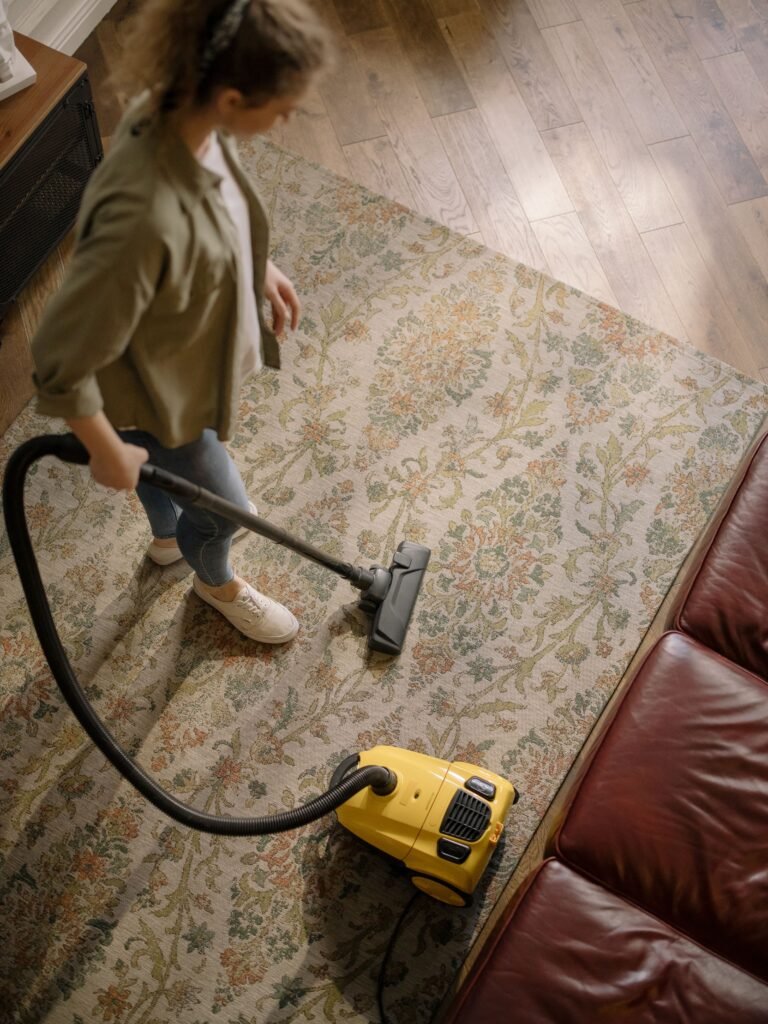
Vacuuming after cleaning isn’t just cosmetic. It also plays a role in indoor air quality, since carpet fibers trap dust mites, pollen, and pet dander between deep cleanings.
A vacuum with a genuine HEPA filter captures those particles instead of blowing them back into the room. The EPA recommends keeping indoor humidity below 60%, ideally between 30 and 50%, which also helps prevent mold from taking hold in damp carpet. If your carpet is staying wet longer than expected after cleaning, our guide on drying carpet fast after cleaning can help you get ahead of that before it becomes a mold problem.
How Often Should You Vacuum and Deep Clean?
Outside of a professional visit, regular vacuuming does most of the day-to-day work. High-traffic areas benefit from vacuuming at least once a week. Quieter rooms can usually go one to two weeks between passes without much difference.
For deeper cleaning, professional carpet cleaning every 12 to 18 months is a common recommendation. Dry cleaning methods are sometimes scheduled more often, since they’re faster and less disruptive to a household. Homes with pets or young kids often benefit from leaning toward the shorter end of that range, since spills and accidents speed up how quickly carpet needs a full reset. Professional standards for this work are outlined in the IICRC S100 standard for professional carpet cleaning, which many reputable cleaning companies follow. And whatever the schedule, remember that should you vacuum after carpet cleaning is really a separate question from how often you deep clean, since the two work together rather than substituting for each other.
DIY Options Between Professional Cleanings
Not every carpet refresh needs a professional crew. Between scheduled cleanings, a handful of DIY methods can keep carpet looking decent without much cost. Baking soda, diluted vinegar, and a good vacuum go a long way on their own. Our guide on sanitizing carpet without a steam cleaner walks through exactly how to do that.
These methods aren’t a full substitute for a professional deep clean. They do buy time between visits, though, and help stretch the results of your last cleaning further. A quick DIY spot-clean plus a thorough vacuum can often carry a household through several extra weeks before a full professional job is really needed.
Frequently Asked Questions
Can I vacuum carpet right after steam cleaning?
No, not until it’s fully dry. Vacuuming wet carpet can damage the vacuum and push dirt back into the fibers instead of removing it. Wait the full 24 hours when you’re not sure, and check with a hand test before you start.
Should you vacuum after carpet cleaning if a dry method was used?
Yes. Dry and low-moisture methods like encapsulation are actually designed for the crystallized residue to be vacuumed away once dry, usually within a couple of hours rather than a full day.
How do I know if my carpet is dry enough to vacuum?
Press your palm flat against the carpet in a few spots, including corners and under furniture. If it feels cool or even slightly damp, give it more time. A musty smell is another sign that moisture is still trapped somewhere in the pile or pad.
What happens if I never vacuum after a professional cleaning?
The carpet won’t fall apart, but leftover cleaning residue will attract dirt faster than usual, and the fibers may stay slightly flattened. Over time, that usually means needing professional cleanings more often than you otherwise would.
Conclusion
Should you vacuum after carpet cleaning? For nearly everyone, yes. When you do it depends on the method used. Give steam-cleaned carpet the full drying window, usually up to 24 hours, before vacuuming. Dry-cleaned carpet is typically ready much sooner, often within a couple of hours.
Either way, that final vacuum pass removes leftover residue and restores the carpet’s texture. It helps the results actually last. Combined with a good vacuum, regular upkeep, and the right indoor humidity, it’s one of the easiest ways to get the most out of every professional cleaning.

Hey, My name is MAMON. I am a SEO content creator and affiliate marketer with over 8 years of experience. I create honest product reviews, in-depth buying guides, and practical how-to articles to help readers make informed decisions. My mission is to provide trustworthy, research-backed content that delivers real value.
Leave a Reply