Learning how to descale an electric kettle is the fastest way to fix slow boiling, white flakes in your tea, and that chalky crust on the heating plate. Scale is simply mineral buildup from hard water, and mild acids dissolve it in minutes. In this guide, we compare the three most popular home methods: vinegar, lemon, and baking soda. We also explain the chemistry behind each one, so you know which method actually removes scale and which one only freshens the kettle. In addition, we include a descaling schedule based on U.S. water hardness levels.
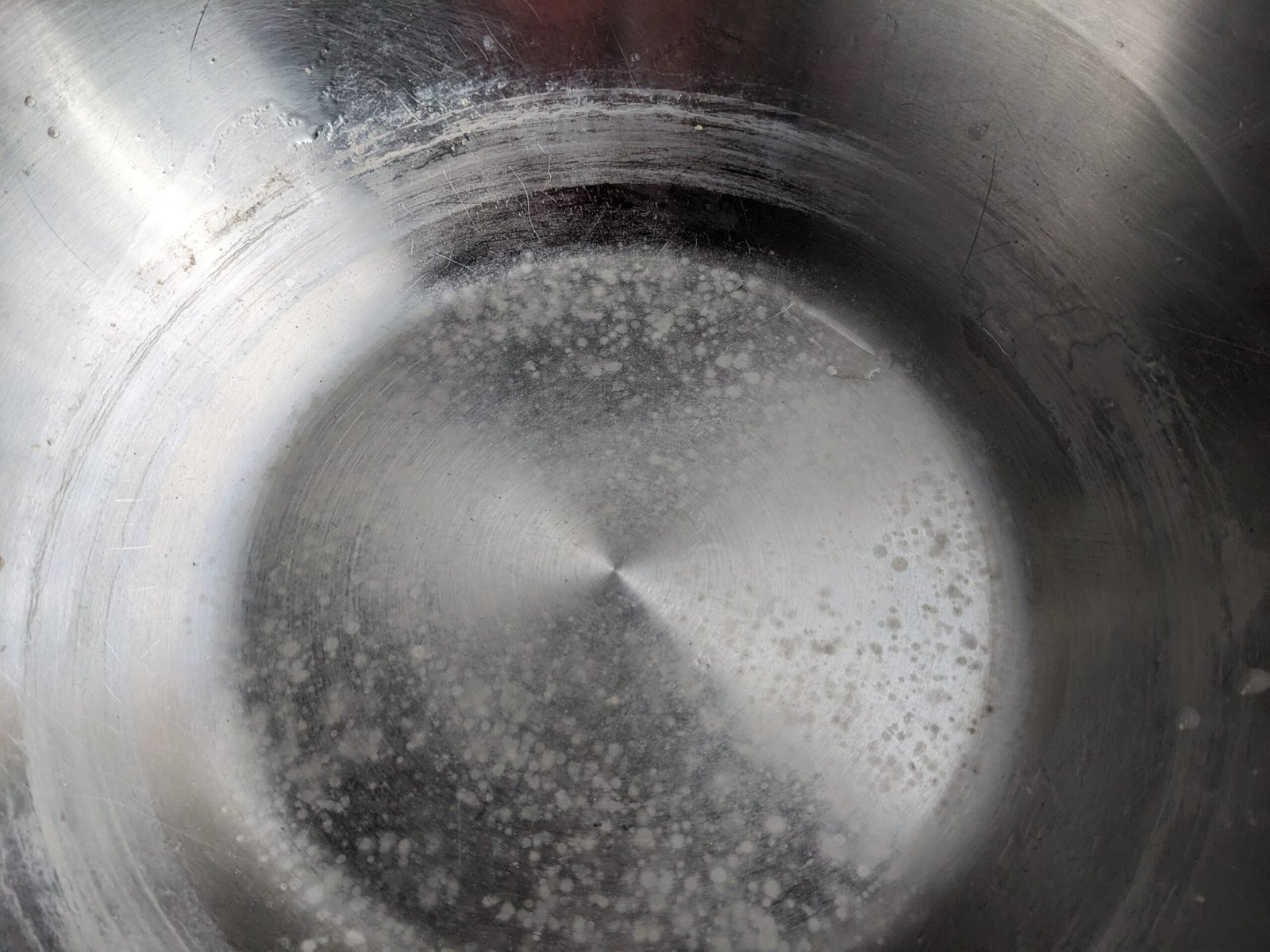
Photo: Nicbou via Wikimedia Commons (CC0).
Key Takeaways
- Vinegar is the strongest of the three methods for heavy scale, since U.S. white vinegar is typically 5% acetic acid.
- Fresh lemon juice contains about 48 grams of citric acid per liter, according to a 2008 study in the Journal of Endourology, so it works well on light scale with a nicer smell.
- Baking soda is alkaline, not acidic, so it does not dissolve limescale. Instead, it is best for odors and gentle scrubbing.
- Also, never mix vinegar and baking soda in the kettle, because they neutralize each other and weaken the cleaning power.
- Finally, descale every 2 to 4 weeks with hard water and every 2 to 3 months with soft water.
What Is Kettle Scale and Why Does It Form?
In simple terms, kettle scale, also called limescale, is a hard, chalky deposit made mostly of calcium carbonate. Tap water carries dissolved calcium and magnesium. When you heat the water, those minerals become less soluble and settle on the hottest surfaces, especially the heating plate and the bottom of the kettle.
Over time, however, that layer grows thicker. As a result, you may notice white flakes floating in your tea, a cloudy film on glass kettles, or a rough crust under the water line. Scale can also make the kettle louder and slower, because the mineral layer sits between the heater and the water.
How fast scale builds depends on your water. The U.S. Geological Survey classifies water by its calcium carbonate content, as shown below, according to its water hardness FAQ.
| USGS Classification | Hardness (mg/L as calcium carbonate) | Suggested Descaling |
|---|---|---|
| Soft | 0–60 | Every 2–3 months |
| Moderately hard | 61–120 | Every 1–2 months |
| Hard | 121–180 | Every 3–4 weeks |
| Very hard | More than 180 | Every 2 weeks |
The descaling column is our practical suggestion rather than USGS guidance. Therefore, adjust it to what you see inside your kettle. If you want to reduce scale across your whole home, our guide to water descaler vs. water softener compares the options.
How Acids Remove Scale: The Simple Chemistry
To understand how to descale an electric kettle, start with one fact: calcium carbonate dissolves in acid. When vinegar or lemon juice touches scale, the acid reacts with it and forms a soluble salt, water, and carbon dioxide gas. That is why you often see small bubbles during descaling. Once the scale turns into a dissolved salt, it rinses away.
The amount of scale a solution can remove depends on how much acid it contains. To show the difference, we calculated the theoretical maximum each common method can dissolve, based on standard chemistry.
| Method (in a 1-liter fill) | Acid Present | Max Scale Dissolved (theoretical) |
|---|---|---|
| 500 ml vinegar + 500 ml water | About 25 g acetic acid | About 21 g |
| Juice of 1 lemon (about 45 ml) + water | About 2.2 g citric acid | About 1.7 g |
| Juice of 3 lemons (about 135 ml) + water | About 6.5 g citric acid | About 5 g |
| 1 tablespoon baking soda + water | No acid | None |
We assumed 5% vinegar and 48 g/L citric acid in fresh lemon juice. Real results are lower, because scale also contains other minerals and the reaction slows as acid is used up. Even so, the table makes one point clear: vinegar carries far more acid than a single lemon, while baking soda carries none.
How to Descale an Electric Kettle with Vinegar
Vinegar is the most popular choice for one reason: it is cheap, strong, and sold everywhere in the U.S. Here is how to descale an electric kettle with white distilled vinegar, step by step.
- Unplug and empty. First, unplug the kettle and pour out any water.
- Mix the solution. Then fill the kettle about halfway with equal parts white vinegar and water. For heavy scale, use up to two parts vinegar to one part water.
- Heat it. Next, bring the solution to a boil and switch the kettle off.
- Let it soak. After that, leave it for 30 to 60 minutes. For thick crust, soak overnight without reheating.
- Scrub loose spots. Use a soft brush on any scale that remains.
- Rinse well. Pour out the solution and rinse three times.
- Boil plain water. Finally, boil and discard one or two full kettles of fresh water to remove the vinegar taste.
Meanwhile, keep a window open or the range hood on, since hot vinegar has a strong smell. Also, check your manual first, because a few brands advise against vinegar for their kettles.
Video: Home N Kitchen Hacks shows how to descale a kettle with vinegar and lemon.
How to Descale an Electric Kettle with Lemon
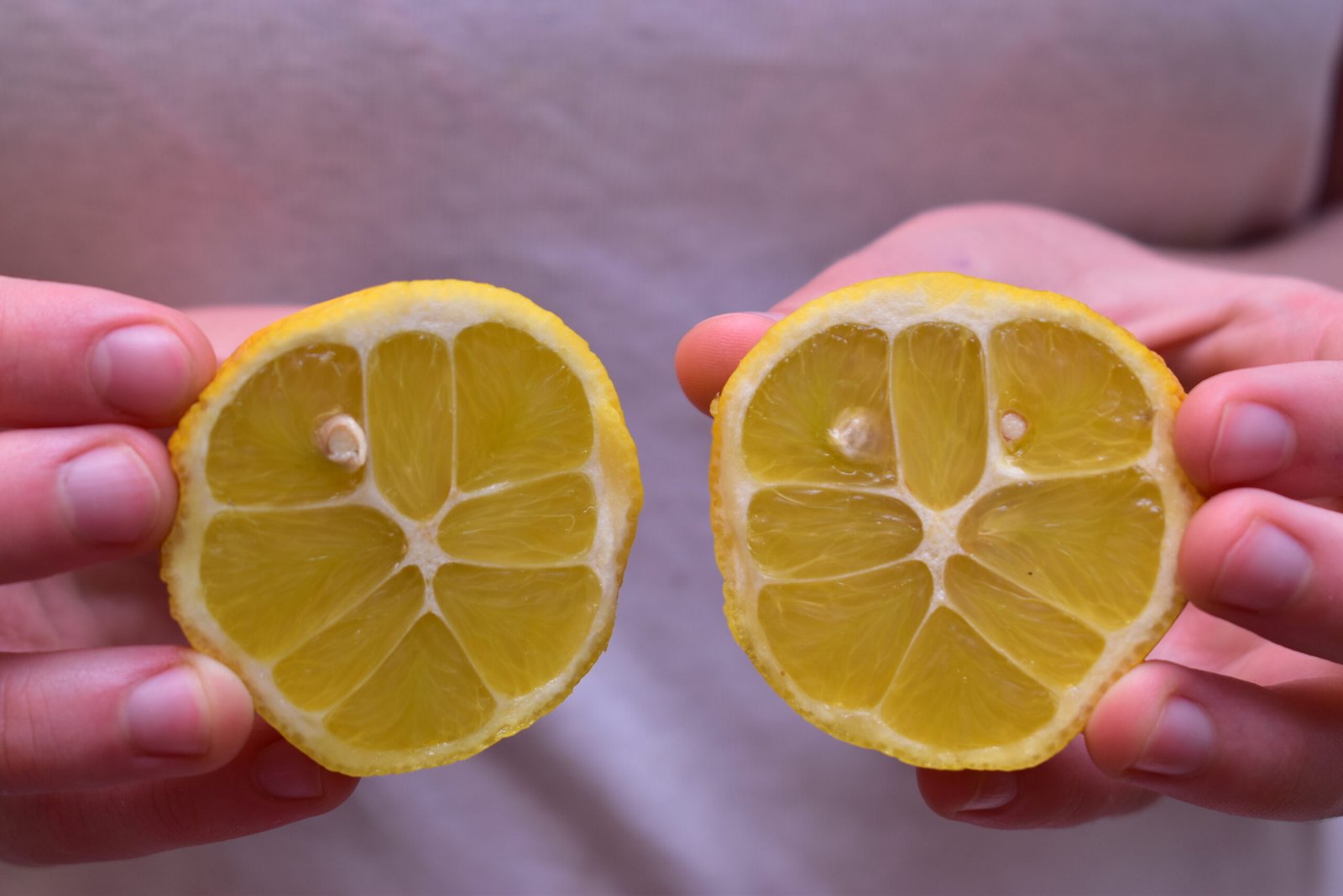
Photo: Annatsach via Wikimedia Commons (CC BY-SA 4.0).
Lemon is the best choice if you hate the smell of vinegar. Fresh lemon juice contains about 48 grams of citric acid per liter, according to a study by Penniston and colleagues published in the Journal of Endourology. The same study found lower levels in bottled lemon juice products, at about 34 to 39 grams per liter. Therefore, fresh lemons are slightly stronger than most bottled juice.
Here is how to descale an electric kettle with lemon:
- Prepare the lemons. First, squeeze the juice of two or three lemons into the kettle. Add the squeezed halves too.
- Add water. Then fill the kettle to about three-quarters full with fresh water.
- Boil and soak. Next, bring it to a boil, switch it off, and let it sit for one hour.
- Repeat if needed. If scale remains, boil again and soak for another hour.
- Rinse. Finally, discard the lemon water, rinse well, and boil plain water once.
As our chemistry table shows, one lemon carries only a small amount of acid. For that reason, use at least two or three lemons, or switch to vinegar or citric acid powder for heavy buildup. On the bright side, lemon leaves a fresh scent and almost no aftertaste.
How to Use Baking Soda in an Electric Kettle
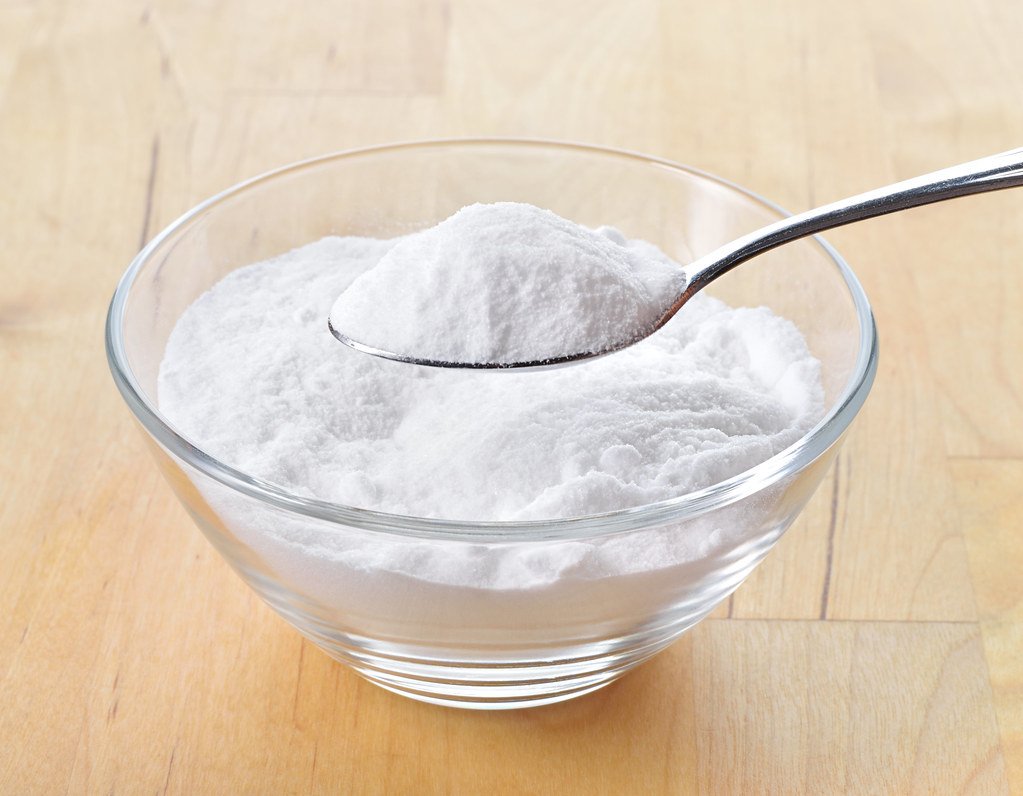
Photo: aqua.mech via Flickr (CC BY 2.0).
Many online tips on how to descale an electric kettle list baking soda, but the chemistry does not support that. Baking soda is sodium bicarbonate, a mild base. Since limescale is also alkaline, baking soda cannot dissolve it. However, baking soda still has two useful jobs in a kettle: removing odors and gently scrubbing stains.
Here is how to use it:
- For odors: First, add one tablespoon of baking soda to a full kettle of water. Then boil it, let it sit for 20 minutes, and rinse well.
- For light stains: Alternatively, mix baking soda with a little water to form a paste. Rub it on stains with a soft cloth, then rinse.
- For the outside: Finally, use the same paste on greasy marks on stainless steel or plastic exteriors.
Above all, do not combine baking soda and vinegar in the kettle. The fizzing looks impressive, but the acid and base neutralize each other, leaving mostly salty water. Instead, descale with acid first, rinse, and then use baking soda separately if you need to remove an odor. Our guide on cleaning gas burner covers with vinegar and baking soda shows where the two work well in sequence.
Vinegar vs. Lemon vs. Baking Soda: Which Works Best?
Each method has a clear role, so the table below sums up how they compare when you decide how to descale an electric kettle.
| Factor | Vinegar | Lemon | Baking Soda |
|---|---|---|---|
| Removes scale | Strong | Light to moderate | Does not dissolve scale |
| Smell | Strong while hot | Fresh citrus | Neutral |
| Aftertaste risk | Moderate | Low | Low |
| Soak time | 30–60 minutes | About 1 hour, may need two rounds | 20 minutes for odors |
| Best use | Heavy buildup | Light buildup, routine care | Odors and stains |
| Relative cost | Lowest | Higher per use | Low |
In short, vinegar is the workhorse for thick scale, lemon is the pleasant option for regular upkeep, and baking soda is a deodorizer rather than a descaler. If you want the strength of vinegar without the smell, citric acid powder is another strong option, since it is the same acid found in lemons but far more concentrated.
Signs Your Kettle Needs Descaling
Knowing how to descale an electric kettle is only half the job, because you also need to know when to do it. Fortunately, the kettle usually tells you. Watch for these signs:
- White or tan crust: First, look for a chalky layer on the heating plate or along the water line.
- Floating flakes: Next, small white specks in your mug mean scale is breaking loose.
- Slower boiling: In addition, a kettle that takes longer than usual may have a scale layer on the heater.
- Louder rumbling: Also, scale can make the boiling sound harsher.
- Cloudy glass: Similarly, glass kettles turn milky when minerals coat the inside.
- Off taste: Finally, tea or coffee may taste flat or slightly chalky.
If you notice two or more of these signs, it is time to descale. In general, thin scale takes one quick soak, while thick crust may need two or three rounds.
How Long Does Descaling Take?
Most of the time is hands-off soaking. As a guide, here is how long each step usually takes when you descale an electric kettle at home.
| Step | Light Scale | Heavy Scale |
|---|---|---|
| Mix and heat solution | 5 minutes | 5 minutes |
| Soak | 15–30 minutes | 1 hour to overnight |
| Scrub and rinse | 5 minutes | 10 minutes |
| Rinse boils | 5–10 minutes | 10–15 minutes |
In other words, a routine descale takes under an hour, and most of that time you can walk away.
How to Descale Different Types of Kettles
The basic steps for how to descale an electric kettle are the same, but each material needs a little extra care.
Stainless Steel Kettles
Generally, stainless steel handles vinegar and lemon well. However, avoid long soaks with very strong acid, since repeated overnight soaks can dull the finish. After descaling, dry the inside to prevent water spots. If you notice rainbow-colored heat tint, our guide on how to clean discolored stainless steel pots explains how to remove it.
Glass Kettles
Conveniently, glass shows scale clearly, so you can watch the acid work. In addition, rinse carefully and dry the outside with microfiber to prevent spots. Avoid pouring cold water into a hot, empty glass kettle.
Kettles with Exposed Coils
Older kettles sometimes have a visible coil inside. Generally, make sure the solution covers the coil fully, and never use a metal tool to chip scale off it.
How to Prevent Scale from Coming Back
You cannot stop hard water from leaving minerals, but you can slow the buildup. As a result, you will need to descale an electric kettle less often.
- Empty the kettle after each use. Standing water leaves more minerals as it evaporates.
- Use filtered water. In addition, some pitcher filters reduce hardness minerals.
- Boil only what you need. As a result, less water evaporates and leaves deposits.
- Descale on a schedule. Also, thin scale removes faster than thick crust.
- Consider whole-home treatment. Finally, if every faucet shows scale, see our guide to cleaning hard water from a dishwasher for other problem spots.
If your kettle stays crusty even after regular descaling, or if the heating plate is pitted, it may be time to replace it. Our guide to the best electric kettle compares stainless steel, glass, and gooseneck models.
Common Descaling Mistakes
- Mixing vinegar and baking soda. They neutralize each other.
- Skipping the rinse boil. Otherwise, your tea may taste sour.
- Using bleach. In fact, bleach does not dissolve scale and can damage metal.
- Chipping scale with metal tools. Instead, let the acid soften it first.
- Waiting too long. Meanwhile, thick scale takes several rounds to remove.
FAQ
What is the fastest way to descale an electric kettle?
The fastest method is a strong vinegar solution. Fill the kettle halfway with two parts vinegar to one part water, boil it, and let it sit for 30 minutes. Then rinse well and boil plain water once or twice.
Can I use apple cider vinegar to descale a kettle?
Yes, apple cider vinegar also contains acetic acid. However, white distilled vinegar is cheaper and leaves less color and flavor behind.
Does baking soda remove limescale?
No. Baking soda is alkaline, so it does not dissolve limescale. It is useful for odors and gentle scrubbing, though.
Is descaled kettle water safe to drink?
After a proper rinse, yes. Simply rinse three times and boil one or two batches of fresh water before you use the kettle again.
Are white flakes in my tea harmful?
Generally, the flakes are calcium and magnesium deposits. They are not known to be harmful, but they affect taste and mean it is time to descale.
Final Thoughts
Now you know how to descale an electric kettle with vinegar, lemon, and baking soda, and which method fits each job. In short, use vinegar for heavy buildup, lemon for light scale and a fresh smell, and baking soda only for odors. In addition, rinse thoroughly and boil fresh water before your next cup. With a regular schedule based on your water hardness, your kettle will boil faster, stay quieter, and make cleaner-tasting tea and coffee.

Hey, My name is MAMON. I am a SEO content creator and affiliate marketer with over 8 years of experience. I create honest product reviews, in-depth buying guides, and practical how-to articles to help readers make informed decisions. My mission is to provide trustworthy, research-backed content that delivers real value.
Leave a Reply