A rubberwood cutting board is one of the best-value wooden boards you can buy. You will find them in big-box stores, online shops, and many restaurant supply stores, often for much less than maple or walnut. But what exactly is rubberwood, and is it any good for a cutting board? In this guide, we explain where rubberwood comes from, how its hardness compares with other woods, whether it is safe for people with latex allergies, and how to care for a rubberwood board so it lasts for years.

Photo: theerawat via Flickr (CC BY 2.0).
Key Takeaways
- First, rubberwood comes from the rubber tree (Hevea brasiliensis), the same tree that produces natural latex.
- It rates about 960 lbf on the Janka hardness scale, which is softer than hard maple (1,450 lbf) but close to walnut and cherry.
- As a result, a rubberwood cutting board is gentle on knives and still durable enough for daily use.
- Rubberwood is a plantation by-product: trees are cut only after 25 to 30 years of latex tapping, then replanted.
- However, it is not naturally rot resistant, so it needs regular oiling and careful drying.
What Is Rubberwood?
To begin with, rubberwood is a light-colored hardwood from the Pará rubber tree, Hevea brasiliensis. Although the tree is native to South America, most rubber plantations today are in Southeast Asia, especially Thailand, Indonesia, Malaysia, and Vietnam. For decades, these trees were grown only for latex. Then, once latex output dropped, the old trees were burned as fuel.
Today, however, that wood is put to better use. According to the Food and Agriculture Organization of the United Nations, latex tapping starts five to seven years after planting and continues for 25 to 30 years. After about 30 years, latex yields fall to uneconomic levels, so the trees are felled and replaced with new seedlings. The FAO describes rubberwood as a “green” plantation timber for this reason. In other words, the wood is a by-product of an existing crop rather than the result of clearing natural forests.
Because of this, rubberwood is also sold under names like “parawood” and “hevea.” So, if you see either name on a label, it is the same wood.
Rubberwood vs. Rubber Cutting Boards
The names sound alike; however, these are two very different products. Specifically, a rubberwood cutting board is made of solid wood. By contrast, a rubber cutting board, such as those from Asahi or Hi-Soft, is made of synthetic or natural rubber compound and has no wood grain at all.
| Feature | Rubberwood Board | Rubber Board |
|---|---|---|
| Material | Solid hardwood from rubber trees | Synthetic or natural rubber compound |
| Look | Light wood with visible grain | Solid color, smooth surface |
| Needs oiling | Yes | No |
| Typical price | Low | High |
| Knife friendliness | Very good | Excellent |
In short, if you want the look and feel of wood at a budget price, rubberwood is the one you want.
How Hard Is Rubberwood? Janka Ratings Compared
Basically, the Janka hardness test measures how much force it takes to press a steel ball halfway into a piece of wood. Generally, the best cutting board woods fall between about 900 and 1,500 lbf. That range is hard enough to resist deep scratches but soft enough to protect your knife edge.
| Wood | Janka Hardness (lbf) | Knife Friendliness |
|---|---|---|
| Hard maple | 1,450 | Very good |
| Walnut | 1,010 | Excellent |
| Cherry | 995 | Excellent |
| Rubberwood | About 960 | Excellent |
| Teak | About 1,070 | Very good |
Rubberwood’s rating comes from the ForestSource species database, which lists a Janka hardness of 4,270 newtons, or about 960 lbf. Meanwhile, its air-dry density is roughly 560 to 650 kg per cubic meter, according to the FAO. Therefore, rubberwood sits right next to walnut and cherry, two woods prized for knife-friendly boards. For a full species comparison, see our guide to the best wood for cutting boards.
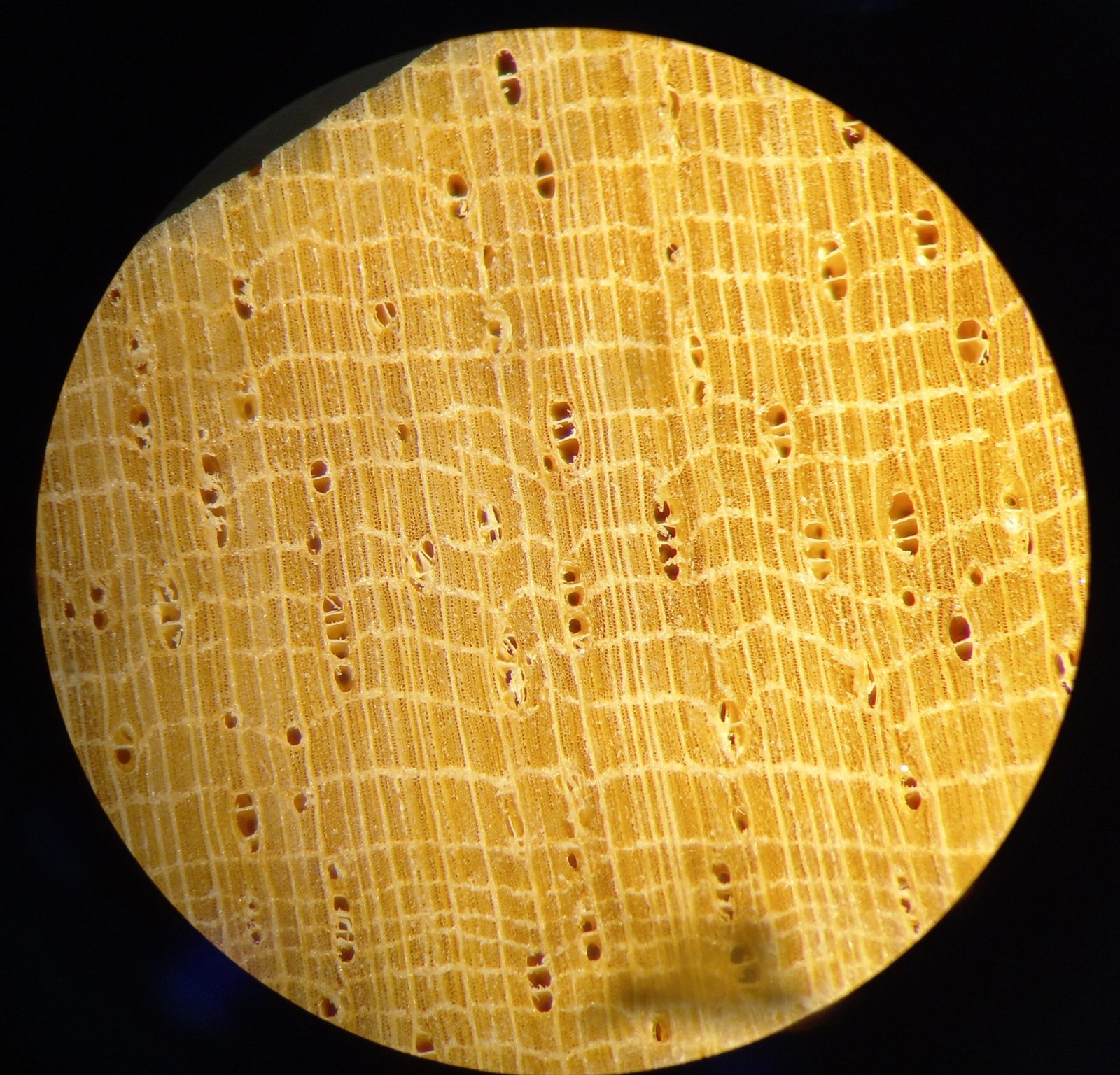
Photo: Stex-1999 via Wikimedia Commons (CC0).
Pros and Cons of a Rubberwood Cutting Board
Pros
- Affordable. To start, rubberwood boards usually cost much less than maple, walnut, or cherry boards of the same size.
- Gentle on knives. In addition, its moderate hardness helps your edges stay sharp longer.
- Sustainable. Also, the wood comes from plantation trees that are replanted after their latex years end.
- Tight, even grain. As a result, it resists deep cuts and looks clean in a kitchen.
- Widely available. Plus, you can find rubberwood boards in most big-box stores and online.
Cons
- Low natural rot resistance. According to ForestSource, the heartwood is not durable against fungi, so moisture is its enemy.
- Prone to insects when untreated. For this reason, commercial lumber is kiln-dried and treated before use.
- Can warp or crack. Similarly, the wood dries quickly and can check if it gets soaked and then dries too fast.
- Often finger-jointed. In addition, many budget boards are made from short strips glued together, so glue quality matters.
- Light color stains. Finally, beets, berries, and turmeric show up easily.
Is a Rubberwood Cutting Board Safe?
Yes, a rubberwood cutting board is safe for food prep when it is made with food-safe glue and finish. Like other hardwoods, for example, it has a tight grain that does not soak up juices as easily as open-grain woods such as red oak. In addition, the FDA Food Code allows hardwood cutting boards made of maple or a similar close-grained hardwood in food service. Rubberwood falls into that close-grained category.
However, there are two things to check. First, buy from a known brand that states the board is food safe. Cheap boards sometimes use glues or lacquer finishes that are not meant for cutting surfaces. Second, avoid boards with a shiny varnish, because knife cuts will chip it and leave flakes in your food. Instead, look for boards finished only with food-grade mineral oil or beeswax.
For more on keeping any board hygienic, see our guide on how to prevent cross contamination with cutting boards.
What About Latex Allergies?
Because rubberwood comes from the latex-producing rubber tree, this is a common question. In general, latex is collected from the tree’s bark long before it is cut, and the wood is then kiln-dried and processed. As a result, finished rubberwood is widely considered low risk for most people. Still, ForestSource notes that people with natural latex or rubber allergies may react, especially to wood dust. So, if you have a severe latex allergy, talk to your doctor before buying, or choose maple, walnut, or cherry instead.
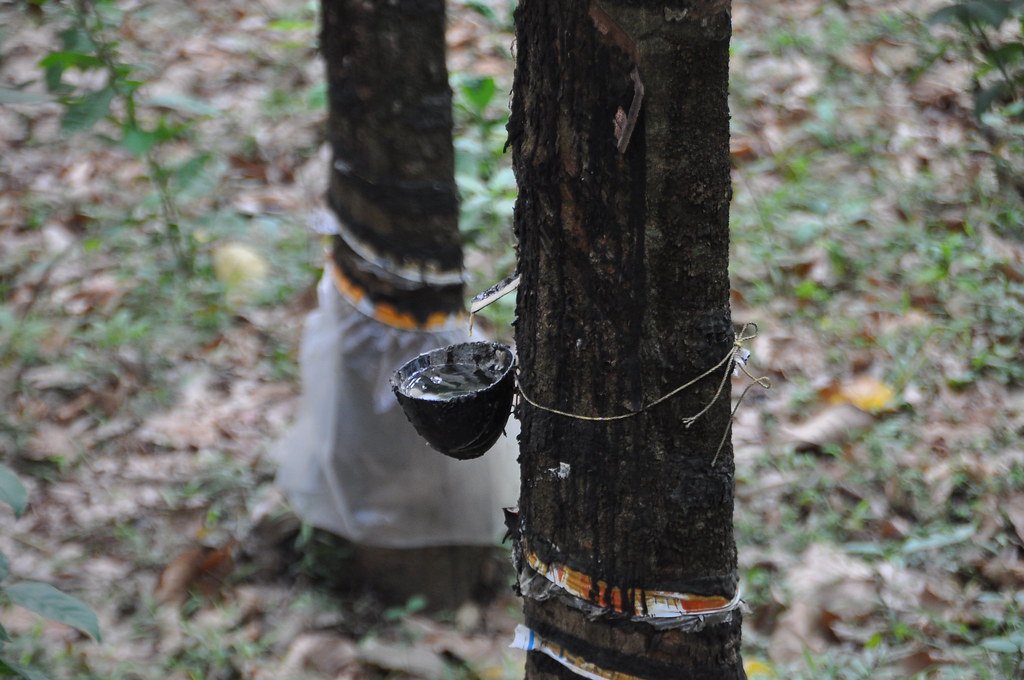
Photo: shankar s. via Flickr (CC BY 2.0).
Rubberwood vs. Other Budget Boards
If you are shopping on a budget, rubberwood usually competes with bamboo, acacia, and plastic. Here is how they compare:
| Board | Knife Friendliness | Maintenance | Sustainability | Best For |
|---|---|---|---|---|
| Rubberwood | Excellent | Oil monthly | Plantation by-product | Everyday chopping |
| Bamboo | Fair (contains silica) | Oil monthly | Fast-growing grass | Light prep and serving |
| Acacia | Good | Oil monthly | Varies by source | Serving and prep |
| Plastic | Fair | Dishwasher safe | Petroleum-based | Raw meat and poultry |
In lab testing by Prudent Reviews, bamboo caused 55 points of edge loss on a BESS sharpness tester, and plastic caused 65. Meanwhile, hardwoods such as maple, teak, and walnut caused only 15 to 42 points. Because rubberwood is similar in hardness to walnut, it should perform closer to the wood group. For more on bamboo, read whether bamboo cutting boards are safe.
Video: Woodworker’s Hardware reviews a rubberwood cutting board and explains why it lasts.
Edge Grain vs. End Grain Rubberwood
Rubberwood boards come in two main styles. Edge grain boards show long strips of wood on the surface, while end grain boards show a checkerboard of wood ends.
- Edge grain: Typically thinner, lighter, and cheaper. It is a great everyday board.
- End grain: Thicker and heavier, but even gentler on knives because the blade slips between fibers. For more details, see our guide to end grain cutting boards.
In addition, many budget rubberwood boards are finger-jointed, meaning short pieces are joined with interlocking cuts and glue. These boards are perfectly usable, but look for tight joints with no gaps.
How to Care for a Rubberwood Cutting Board
Since rubberwood is not naturally rot resistant, care matters more than with some other woods. Fortunately, the routine is simple:
- Wash by hand. First, use warm, soapy water and a soft brush. Never put it in the dishwasher.
- Do not soak it. Otherwise, standing water can cause swelling, warping, and cracks.
- Dry right away. Then towel it off and stand it upright so both sides air dry.
- Oil it monthly. After that, rub in food-grade mineral oil, let it soak in for a few hours, and wipe off the extra.
- Add board cream. Also, a mix of mineral oil and beeswax adds an extra moisture barrier.
- Sanitize when needed. After raw meat, wipe with white vinegar or 3% hydrogen peroxide, then rinse and dry.
For a full step-by-step routine, read our guide on how to take care of a wooden cutting board. Also, for deeper cleaning methods, see how to disinfect cutting boards.
What to Look for When Buying
- Thickness. In general, boards at least 3/4 inch thick resist warping better.
- Solid construction. Also, look for tight glue lines and no gaps between strips.
- Food-safe finish. Likewise, choose mineral oil or beeswax finishes, not lacquer or varnish.
- Juice groove. Specifically, a groove helps if you carve roasts or slice juicy fruit.
- Handles or feet. Similarly, handles make it easy to carry, and rubber feet keep it steady.
- Size. Pick a size that fits your counter and sink. If space is tight, our guide to small cutting boards for the kitchen can help. On the other hand, for big roasts, a large wooden cutting board gives more room.
How to Remove Stains and Odors
Because rubberwood is so pale, stains show up quickly. Fortunately, most marks come out with simple pantry items:
- Coarse salt and lemon. First, sprinkle kosher salt on the stain, then scrub with half a lemon. Afterward, rinse and dry.
- Baking soda paste. Next, for stubborn spots, mix baking soda with a little water, scrub gently, and rinse.
- White vinegar wipe. In addition, vinegar helps remove garlic and onion smells. Wipe it on, wait a few minutes, then rinse.
Once the board is clean and dry, apply a fresh coat of mineral oil. That way, the wood stays sealed and resists the next stain.
How to Refinish a Worn Rubberwood Board
One big advantage of any wooden board is that you can renew the surface. So, when your rubberwood board becomes rough, fuzzy, or deeply scarred, try this:
- Sand the surface. Start with 120-grit sandpaper to remove knife marks, then move to 220-grit for a smooth finish.
- Raise the grain. Wipe the board with a damp cloth, let it dry, and lightly sand again. As a result, the surface stays smooth after future washes.
- Re-oil generously. Finally, apply two or three coats of mineral oil, letting each one soak in overnight.
However, if the board has a deep crack, a loose glue joint, or black mold that will not sand out, replace it. In those cases, bacteria can hide in places you cannot reach.
Common Mistakes to Avoid
- Running it through the dishwasher. High heat and long soaking will crack or warp the board.
- Skipping oil. Without oil, of course, the wood dries out, splits, and absorbs stains more easily.
- Storing it flat while wet. Instead, keep it upright in a cutting board organizer so air can circulate.
- Using vegetable or olive oil. These oils can go rancid, so stick with mineral oil.
- Buying a varnished board for chopping. Varnish chips under knives, so save those boards for serving.
Who Should Buy a Rubberwood Cutting Board?
A rubberwood cutting board is a smart pick for first-time board owners, students, renters, and anyone who wants real wood without the price of maple or walnut. It also suits cooks who care about knife edges but do not want a heavy end grain block. On the other hand, if you rarely oil boards or prefer the dishwasher, plastic may be a better fit for you.
FAQ
Is rubberwood good for cutting boards?
Yes. Notably, with a Janka rating of about 960 lbf, it is gentle on knives, durable enough for daily use, and affordable.
Is rubberwood a hardwood?
Yes. Even though it is softer than maple, rubberwood is a hardwood because it comes from a broadleaf tree.
Can people with a latex allergy use a rubberwood cutting board?
Most people can, since latex is collected from the bark and the wood is processed before use. However, people with a severe latex allergy should check with their doctor first.
Is rubberwood better than bamboo?
For knives, usually yes. Bamboo contains silica, which dulls edges faster, while rubberwood is closer in hardness to walnut.
How long does a rubberwood board last?
With regular oiling and careful drying, a good rubberwood board can last many years. In contrast, boards that are soaked or put in the dishwasher may crack within months.
Is rubberwood eco-friendly?
Generally, yes. It comes from rubber trees that have already finished their 25- to 30-year latex life, and plantations are replanted.
Final Thoughts
A rubberwood cutting board offers a rare mix of value, knife friendliness, and sustainability. Its hardness is close to walnut and cherry, its price is close to bamboo, and its wood comes from trees that have already served their purpose. However, it needs a little more care than maple, since it does not resist moisture well. So, wash it by hand, dry it upright, and oil it monthly, and it will serve you well for years. Finally, for a full overview of every board material, read our main guide to the safest and healthiest cutting boards.

Hey, My name is MAMON. I am a SEO content creator and affiliate marketer with over 8 years of experience. I create honest product reviews, in-depth buying guides, and practical how-to articles to help readers make informed decisions. My mission is to provide trustworthy, research-backed content that delivers real value.
Leave a Reply