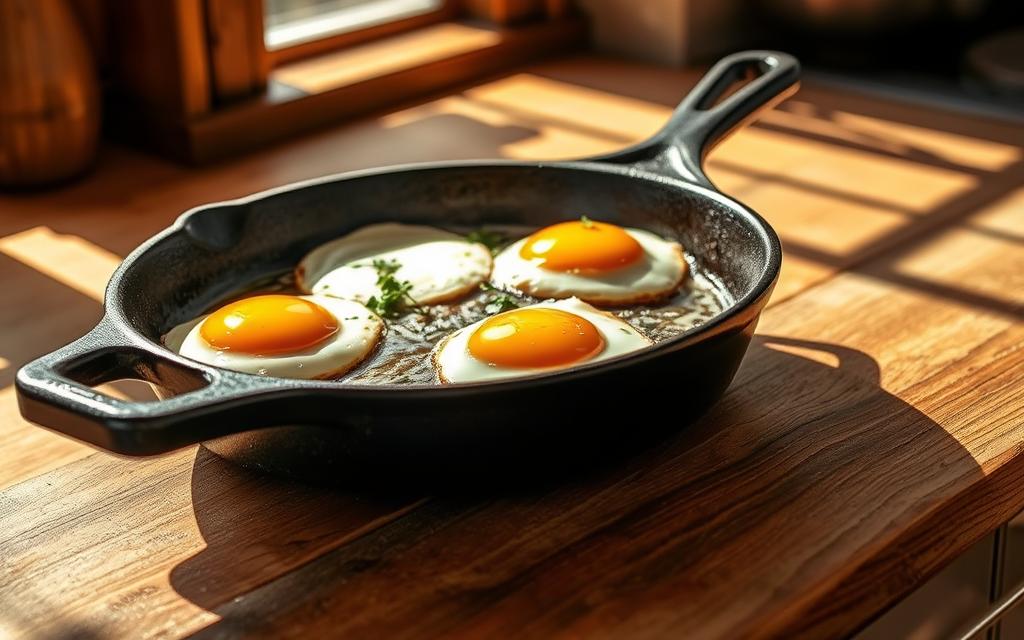
Cooking eggs in a cast iron skillet can be a fun experience, but it can be tricky if you don’t know the right ways. Eggs stick to the pan easily, so learning how to cook eggs in a cast iron skillet without sticking really comes down to a handful of steps.
To cook eggs well in cast iron, make sure your skillet is seasoned and hot. This creates a surface that eggs can slide off easily. Using the right fat or oil, along with a few simple techniques, is what actually prevents sticking.
Key Takeaways
- Use a well-seasoned cast iron skillet for the best non-stick results when cooking eggs.
- Preheat the skillet thoroughly before adding any fat or eggs to ensure even heat distribution.
- Choose the right type of fat, such as butter, bacon fat, or avocado oil, to coat the skillet and prevent sticking.
- Crack the eggs directly into the preheated skillet and let them cook for a few seconds before gently stirring or flipping.
- Adjust the heat as needed to prevent the eggs from overcooking or burning, and be patient for the perfect results.
Understanding Cast Iron Cookware
Cast iron skillets are a favorite in kitchens everywhere: they hold heat well, cook evenly, and last a long time. With the right care, they can be passed down for generations.
Benefits of Cooking with Cast Iron
- They keep heat well, great for searing, baking, and frying.
- They become non-stick with seasoning, so you use less oil or butter.
- They’re tough and can handle high heat for decades with care.
- They’re good for many cooking tasks, from vegetables to bread.
- They add a subtle depth of flavor to your food over time.
Common Myths About Cast Iron and Eggs
Many people think eggs always stick to cast iron skillets, but that’s not really true. With the right seasoning, heat control, and fat, eggs release cleanly.
| Myth | Reality |
|---|---|
| Eggs will always stick to cast iron. | Eggs can be cooked in cast iron without sticking, with proper seasoning and technique. |
| Cast iron has a rough, porous surface that grips food. | Vintage cast iron skillets were often machine-polished smoother than modern ones, which are typically finished with a pebbly shot-blasted texture, so older pans can release eggs even more easily. |
| Cast iron is difficult to maintain and clean. | With proper care, cast iron can last for generations and requires minimal maintenance. |
This video from Cast Iron Chris demonstrates frying an egg in cast iron without it sticking, a good visual companion to the steps below.
Preparing Your Skillet
Cooking eggs in a cast iron skillet can change your cooking game, but you need to prepare your pan right for the best results. That starts with proper seasoning and cleaning.
Seasoning Your Cast Iron Skillet
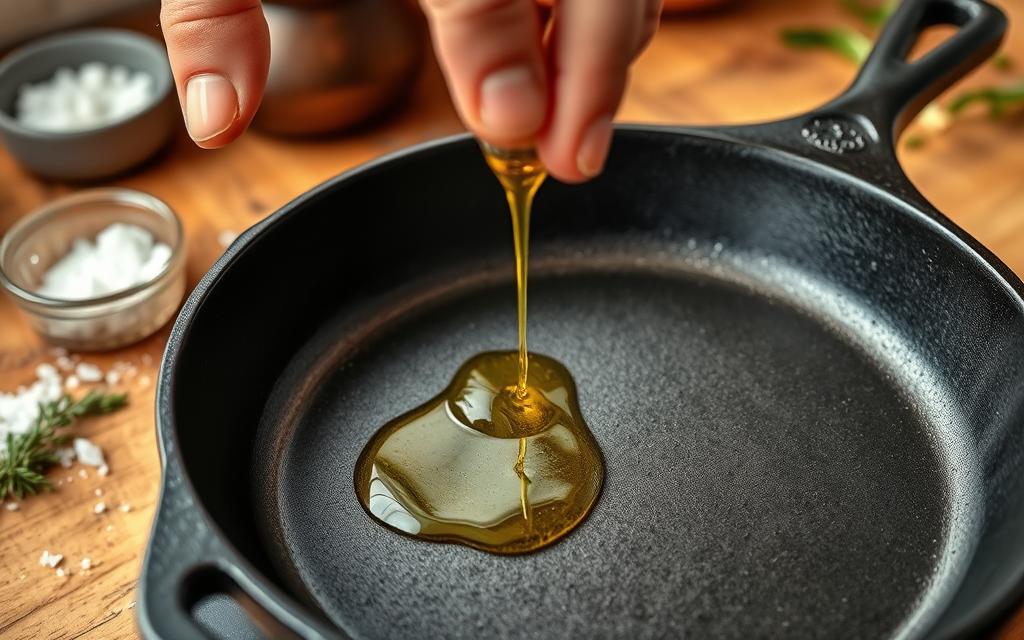
Seasoning your skillet makes it non-stick and smooth. Coat it with a thin layer of oil, like vegetable or canola oil, then bake it upside down in the oven at 450-500°F for an hour, which is the range Lodge Cast Iron’s own seasoning guide recommends.
This process hardens the oil into a protective layer. Seasoning it a few times in a row builds up an even better surface. With care, your skillet will release eggs and other foods easily.
Cleaning and Maintaining Your Skillet
Skip the soap, since it can strip the seasoning. Rinse with hot water, use a brush to get rid of stuck food, then dry it well and apply a light coat of oil to protect it.
If you see lighter spots or chipped areas, it’s time to re-season, which makes the skillet non-stick again. If your kitchen also has enamel-coated cast iron, our care guide for that material covers a gentler cleaning routine worth knowing.
Choosing the Right Eggs
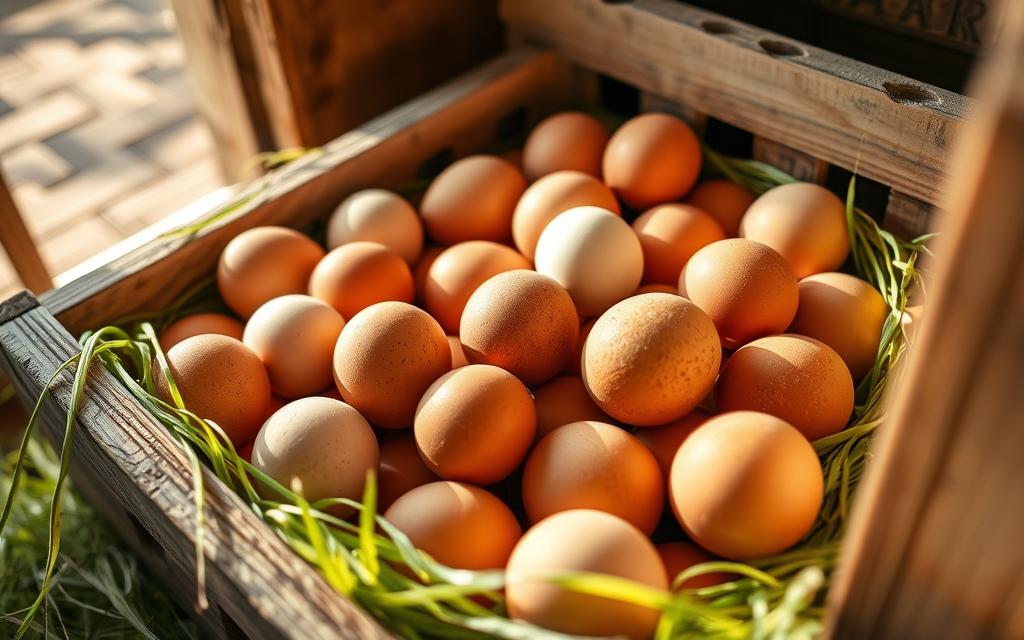
Choosing fresh eggs matters when cooking in a cast iron skillet. Check the expiration date and look for firm, rounded yolks; different egg sizes might need slight cooking time adjustments.
Freshness Matters
Fresh eggs cook better in cast iron. Look for firm, vibrant yolks, and avoid any that seem watery or flat.
Egg Types
- Large eggs: The most common size and a good all-around choice for cast iron cooking.
- Extra-large or jumbo eggs: These bigger eggs may require a bit more cooking time to ensure the yolks are cooked to your liking.
- Free-range or organic eggs: These specialty eggs often have stronger shells and more vibrant yolks, which can be great for cast iron cooking.
For the best results, use room temperature eggs, since they cook more evenly in the skillet. Whichever type you choose, pick the freshest ones for the best egg cooking techniques and breakfast recipes.
How to Cook Eggs in a Cast Iron Skillet Without Sticking: Heating It Properly
To make perfect skillet eggs, start by heating your cast iron pan right. The best temperature for eggs is medium-low. This heat cooks the eggs gently without overcooking or sticking.
The Optimal Temperature for Eggs
Preheat your cast iron skillet over medium heat for about 5 minutes to let it heat evenly. Avoid overheating, since it can make eggs stick and change their texture.
How to Test Heat Before Cooking
- Sprinkle a few drops of water on the skillet. If it sizzles and disappears fast, your pan is ready for eggs.
- Adjust the heat while cooking, lowering it a bit after adding eggs to prevent sticking or overcooking.
How to Cook Eggs in a Cast Iron Skillet Without Sticking: Adding the Right Fat
When cooking eggs in a cast iron skillet, the right fat is key to preventing sticking. You need to create a barrier between the eggs and the pan so they can slide smoothly. Butter, bacon fat, vegetable oil, coconut oil, and olive oil all work; pick whichever fits your taste.
Best Oils for Cooking Eggs
Butter adds a rich flavor but can burn easily at high heat. Bacon fat gives a savory, smoky taste. For a neutral flavor, try vegetable oil, coconut oil, or olive oil. Find your favorite by trying a few.
How Much Fat is Enough?
For 6 eggs in a 10.25-inch skillet, about 1 tablespoon of fat covers the pan’s bottom and prevents sticking, enough for a family of four. Heat the fat until it’s slightly golden before adding eggs for the best results.
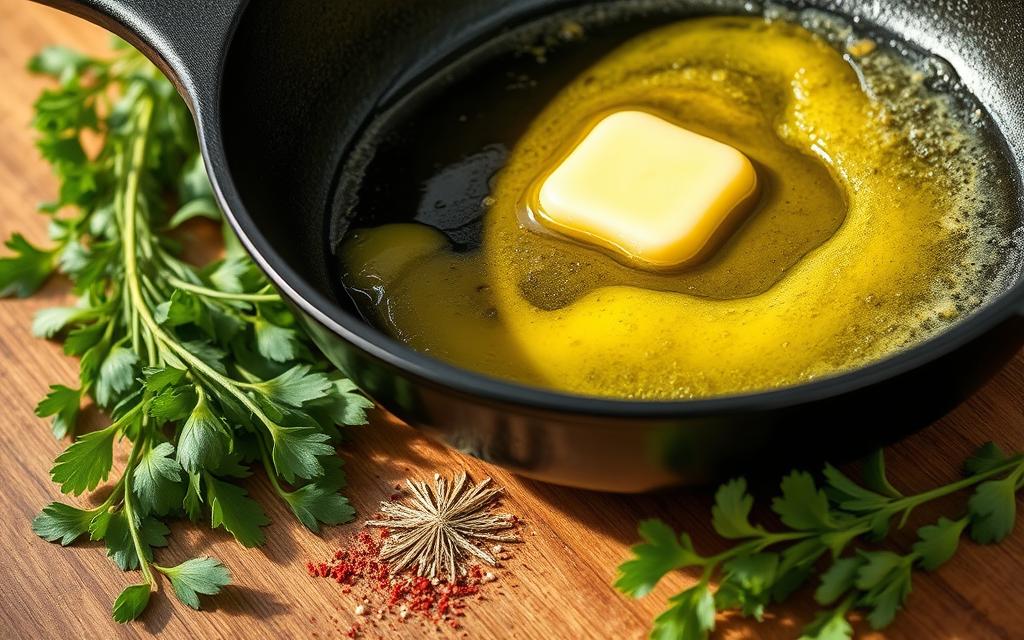
Using the right oils ensures perfectly cooked, non-stick eggs every time, and it’s a small habit that pays off with every breakfast.
Cracking and Adding Eggs
Learning to crack and add eggs to your cast iron skillet is key for perfect results. A few simple steps help your eggs cook evenly and release cleanly.
Techniques for Cracking Eggs
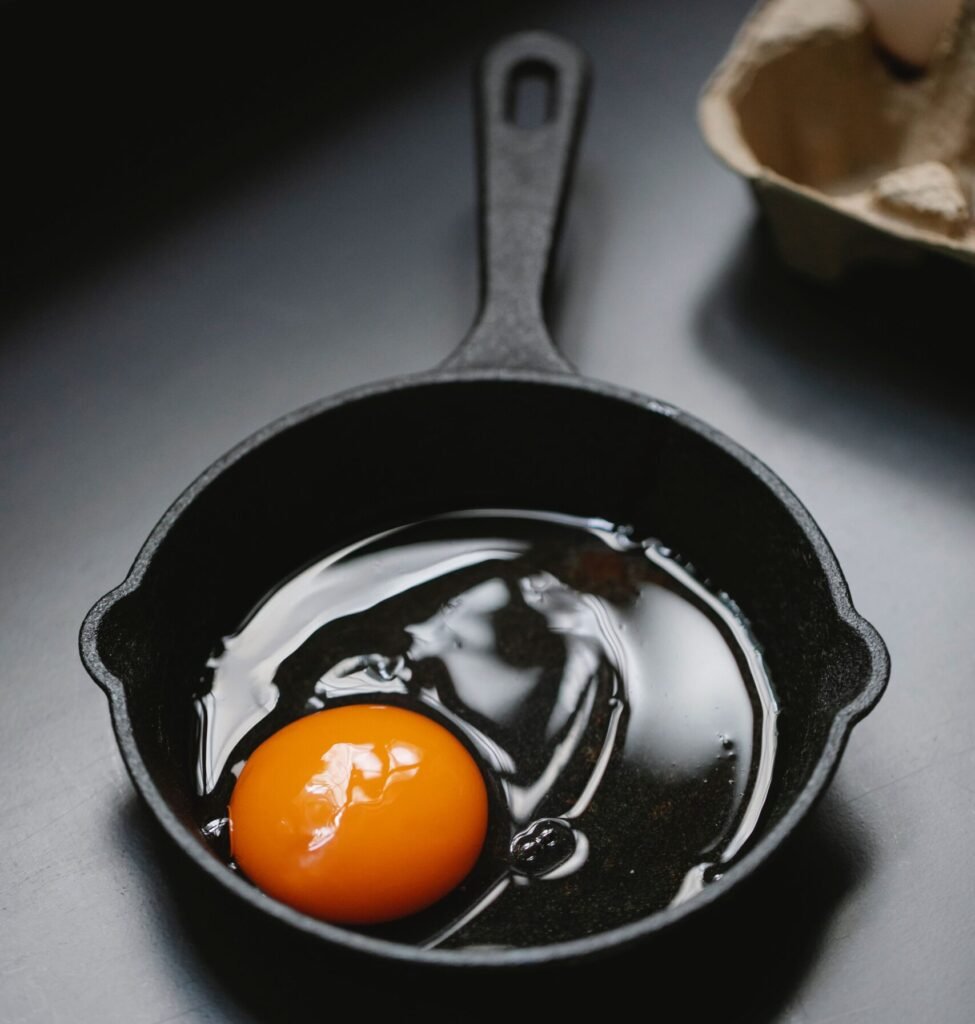
To avoid shell pieces in your dish, crack eggs on a flat surface, like your countertop or the skillet’s rim. Gently tap the egg, then use your thumbs to open the shell and pour it into the skillet.
Adding Eggs to the Skillet
- First, make sure your skillet is hot and lightly oiled or buttered.
- For scrambled eggs, whisk them well in a bowl to make them fluffy, then pour into the skillet.
- For fried eggs, slide the egg into the skillet from the shell rather than dropping it, to avoid splatters and uneven cooking.
These steps help you crack and add eggs smoothly. Handle them gently and use a preheated skillet to prevent sticking.
| Egg Cooking Technique | Cooking Time |
|---|---|
| Sunny Side Up | 1 minute uncovered, 1-2 minutes covered |
| Over Easy | 2 minutes on the first side, 30 seconds on the second side |
| Over Medium | 2 minutes on the first side, 1-2 minutes on the second side |
| Over Hard | 2 minutes on the first side, approximately 3 minutes on the second side |
These times can shift based on your skillet size, egg count, and doneness preference. Adjust heat and time to get your eggs just right.
Cooking Techniques for Perfect Eggs
Learning how to cook eggs in a cast iron skillet without sticking is a real step up for breakfast, whether you like fluffy scrambled eggs or crispy fried ones.
Scrambled Eggs in Cast Iron
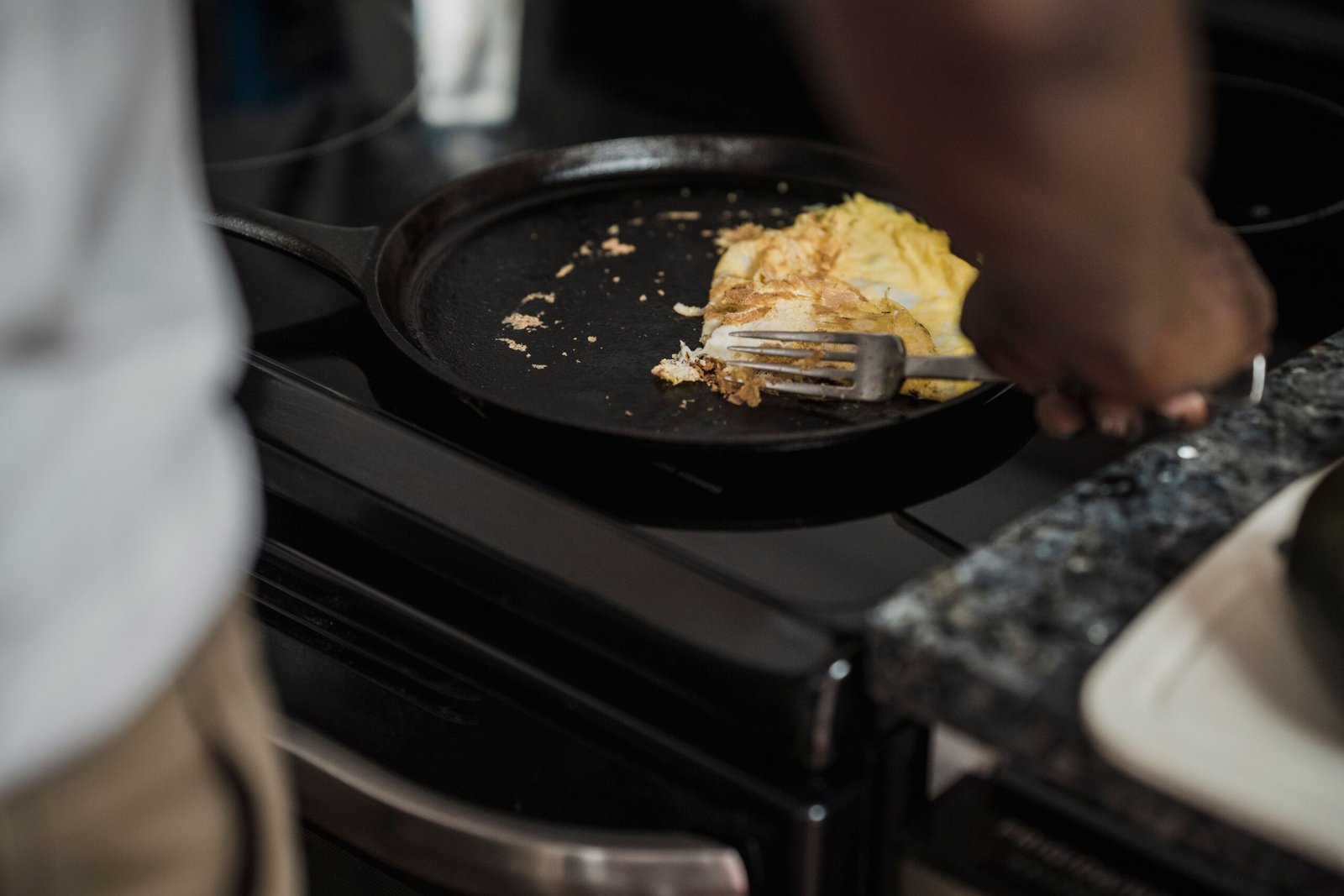
For great scrambled eggs, let them sit for 30 seconds after adding them to the pan, then stir with long, slow strokes to get big, fluffy curds. Don’t stir too much, or they’ll turn dry and rubbery.
Fried Eggs Techniques
Fried eggs need to be cooked slowly. Use medium-low heat and cover the pan for sunny-side up eggs to help the whites set. For over-easy or over-medium eggs, flip them gently with a thin metal spatula, and don’t overcook them, since they’ll keep cooking a bit from residual heat after they leave the pan.
To avoid sticking, preheat your cast iron skillet well and use plenty of fat like butter or bacon grease. Letting the eggs come to room temperature before cooking helps too.
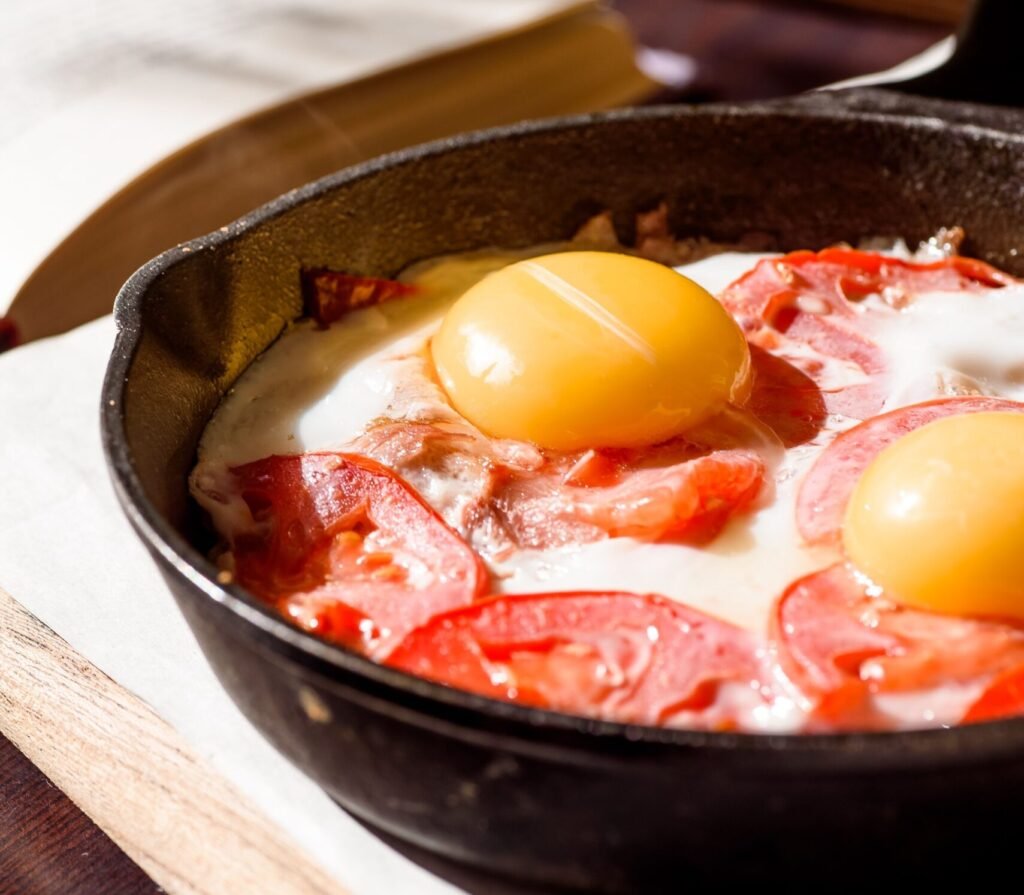
With these tips, you’ll soon be making eggs like a pro in your cast iron skillet. Try a few different styles and find what you like best.
Checking for Doneness
Timing and observation are key to perfect egg cooking, whether you’re making scrambled or fried eggs. With practice, you’ll get the hang of cooking eggs in a cast iron skillet.
Signs of Perfectly Cooked Eggs
Scrambled eggs should be soft and creamy but set, not dry. Fried eggs are done when the whites are set and the yolks are just right, whether runny, medium, or hard.
Adjusting Cooking Time
- Sunny-side up: about 1 minute uncovered, then 1-2 minutes covered for a runny yolk.
- Over easy eggs need 2 minutes on the first side and 30 seconds on the second side.
- For over medium, cook 2 minutes on the first side and 1-2 minutes on the second.
- Finish over hard eggs with 2 minutes on the first side and about 3 minutes on the second.
Eggs keep cooking a bit after you take them off the heat, so judge doneness by appearance and feel, not just the clock.
Troubleshooting Sticking Issues
If you’re still working out how to cook eggs in a cast iron skillet without sticking, a few common culprits usually explain what’s going wrong.
Common Problems and Solutions
One big reason eggs stick is an under-seasoned skillet. Make sure your cast iron pan is seasoned right, and if it looks dull, re-season it. Also, preheat the skillet well before adding eggs, since a cool skillet is a common cause of sticking.
Not using enough fat is another issue. You don’t need to soak the skillet in oil, but a thin layer is essential. Try different oils, like avocado, coconut, or grapeseed, to find what works best for you.
How to Rescue Stuck Eggs
If your eggs start sticking, turn off the heat and let the pan cool a bit. Then use a thin metal spatula to gently lift and loosen the eggs. If they’re still stuck, add a little water and cover the pan; the steam will help.
For eggs that are really stuck, sprinkle baking soda on the area and let it sit for a few minutes, then scrub gently with a soft-bristled brush or sponge. This helps break the bond between the eggs and the pan.
To avoid egg sticking in your cast iron skillet, focus on seasoning, temperature, and the right fat. With these habits, you’ll be cooking non-stick eggs every time.
Cleaning Your Skillet After Cooking
Keeping your cast iron skillet in good shape is key to its long life and non-stick surface. Clean it well after cooking, ideally while it’s still warm, to keep the seasoning intact and stop rust.
Proper Cleaning Methods
Start by scrubbing your skillet with hot water and a stiff brush or scraper. Skip the soap, since it can damage the seasoning and make the pan less non-stick. For tough food, add coarse salt and scrub with a dry kitchen cloth or paper towel, then rinse with hot water and dry it right away to avoid rust. America’s Test Kitchen’s own testing backs up this soap-free, dry-immediately approach as the most reliable way to protect a skillet’s seasoning long term.
Re-seasoning Your Skillet After Use
After cleaning and drying your skillet, apply a thin layer of vegetable oil or cooking oil while it’s still warm. This helps maintain and improve the seasoning. For extra care, re-season it fully by applying oil and baking at 450-500°F for an hour, the same range recommended for a full seasoning session. If you’d rather season without a full oil coat at all, our guide to seasoning cast iron without oil covers an alternative approach. These steps keep your skillet in great shape, making it last longer and work better.
Conclusion
Learning how to cook eggs in a cast iron skillet without sticking really comes down to four habits: season your pan well, preheat it properly, use enough of the right fat, and handle the eggs gently once they’re in the pan. Get those basics right, and cast iron becomes one of the most reliable, satisfying ways to cook eggs, whether you’re after a crisp fried egg or soft, fluffy scrambled curds.

Hey, My name is MAMON. I am a SEO content creator and affiliate marketer with over 8 years of experience. I create honest product reviews, in-depth buying guides, and practical how-to articles to help readers make informed decisions. My mission is to provide trustworthy, research-backed content that delivers real value.
Leave a Reply