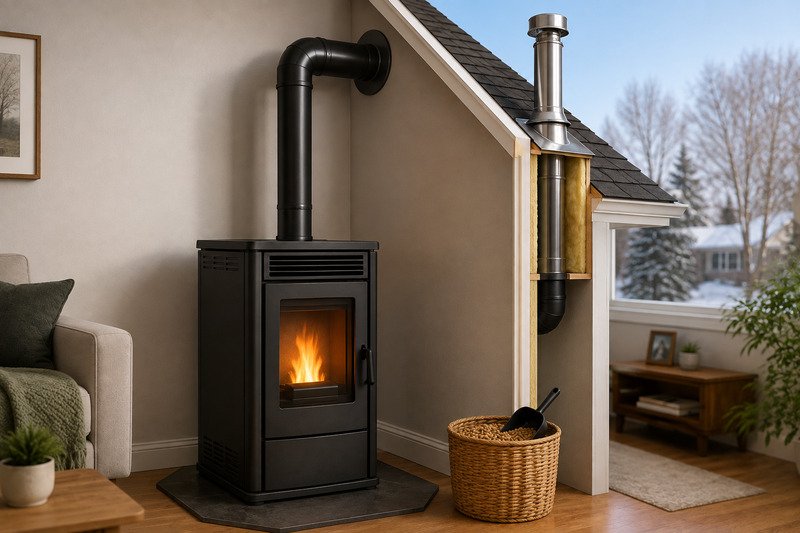
So, do pellet stoves need a chimney? Not usually. Most freestanding pellet stoves vent through a wall or roof using a dedicated metal pipe. Pellet inserts are the exception. They’re designed to slide into an existing fireplace opening, so they typically reuse that chimney with a liner.
This guide breaks down exactly when a chimney is required. We’ll also cover how pellet vent pipe works if you don’t have one. Then we’ll look at clearance and termination rules, plus what a proper installation costs either way.
Key Takeaways
- Freestanding pellet stoves don’t need a chimney. They vent through an exterior wall or roof using pellet vent (PL) pipe.
- Pellet stove inserts do use an existing chimney, but it needs a full-length stainless steel liner sized to the insert’s flue collar.
- Pellet vent pipe requires as little as 1 inch of clearance to combustibles, versus 12-18 inches for standard wood stove chimney pipe.
- Total installed cost typically runs $1,600-$4,100 for freestanding and wall-mounted stoves, and $2,500-$7,000 for inserts.
Do Pellet Stoves Need a Chimney?
The short answer is no, not in most cases. A pellet stove uses an electric blower to force exhaust out through the vent pipe. It doesn’t rely on natural draft the way a wood stove does. That’s what makes it possible to vent a pellet stove through a wall instead of straight up through a traditional chimney.
Whether you specifically need a chimney comes down to which type of pellet stove you’re installing. A freestanding pellet stove can go almost anywhere in a room. It vents through pellet-rated pipe, with no chimney involved at all. A pellet stove insert, on the other hand, is built to fit into an existing fireplace opening. It typically routes its exhaust up through that chimney using a liner. If you’re still weighing whether a pellet stove fits your home at all, start with our overview of the pros and cons of a pellet stove.
How Freestanding Pellet Stoves Vent Without a Chimney
Freestanding pellet stoves rely on a listed pellet vent pipe, often called PL vent, rather than a masonry chimney. This pipe is designed for the lower flue-gas temperatures a pellet stove produces. It’s rated for a much tighter clearance to combustibles than standard chimney pipe.
The installer runs the vent pipe either horizontally through an exterior wall or vertically through the roof. The choice depends on the stove’s location and the homeowner’s preference. According to DuraVent’s PelletVent Pro installation instructions, minimum clearance to combustibles for this pipe is just 1 inch in the U.S. and Canada. The overall vent system can run up to 42 feet total, which covers most residential installations with room to spare.
Because there’s no chimney to build or retrofit, this is the more affordable and flexible venting method. It’s also why freestanding stoves have become the more popular choice for homes without an existing masonry fireplace.
For wall-vented models, the answer to do pellet stoves need a chimney stays no for the entire lifespan of the unit.
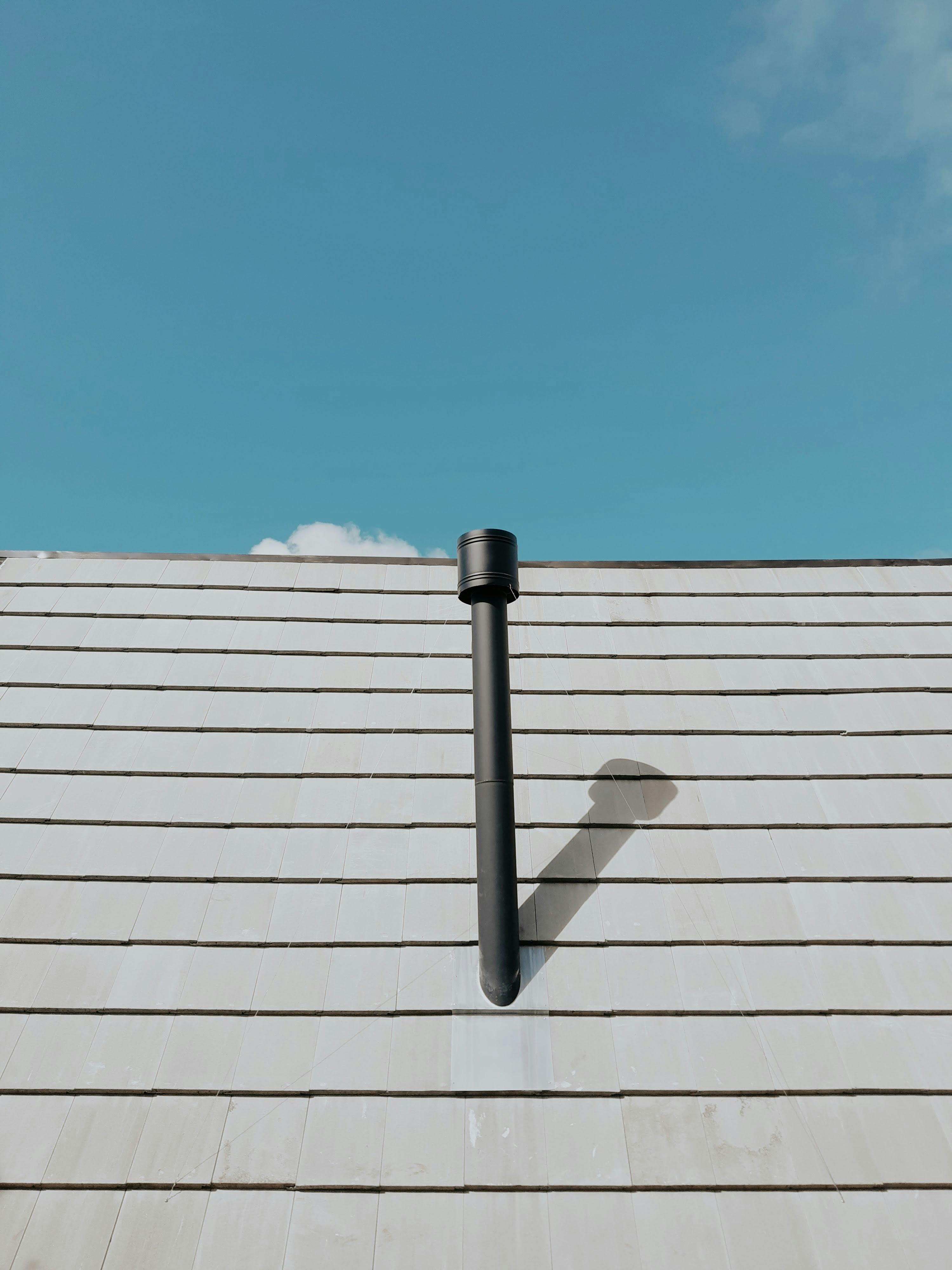
A pellet vent pipe can terminate through the roof or through an exterior wall, no masonry chimney required.
How Pellet Stove Inserts Use an Existing Chimney
A pellet stove insert is a different story. These units slide into an existing masonry fireplace opening, so they generally route exhaust through that chimney. But simply sliding an insert into place and loosely connecting it to the existing flue isn’t a safe installation.
Best practice, and what most manufacturers require, is a full-length stainless steel liner. It should run from the insert’s flue collar to the top of the chimney. Liners rated 316 or 316Ti stainless steel resist corrosion from pellet flue gases better than older aluminum liners. In colder climates, or when the chimney sits on an exterior wall, that liner is often insulated too. Insulation helps maintain proper draft and reduces creosote buildup inside the flue.
If your home already has a functional masonry chimney, reusing it with a properly sized liner is usually cheaper than new wall venting. Our guide on the pros and cons of a pellet stove covers this trade-off in more detail.
Vent Pipe Clearance and Termination Requirements
Whether or not a chimney is involved, the vent pipe has to follow specific clearance and termination rules. These come from the pipe’s listing and from NFPA 211, the fire code standard most local building codes reference directly.
For pellet vent pipe like PelletVent Pro, minimum clearance to combustibles is 1 inch. That’s dramatically less than the 12 to 18 inches typically required for standard wood stove chimney pipe. This difference is exactly why pellet stoves can be vented through spaces a wood stove chimney never could.
Termination clearances matter just as much. NFPA 211 generally requires the vent terminal to sit no less than 4 feet below or 4 feet horizontally from any door, window, or fresh-air intake, or at least 1 foot above one. The termination point should also sit at least 12 inches above grade, clear of winter snow accumulation. Local codes can add stricter requirements, so check with your building department before finalizing the vent path.
Local Building Codes and Permits
Manufacturer instructions set the minimum standard, but local building codes have the final say. Most municipalities require a permit before installation. An inspector will typically check the vent pipe clearances, the termination location, and the hearth pad before signing off.
Some jurisdictions also specify how outside air intake pipes sit relative to the exhaust termination. This prevents exhaust from being pulled back into the intake. A licensed installer familiar with your city or county code will know these local variations far better than a generic checklist can. For a full walkthrough of what a permitted installation costs, see our guide on how much it costs to install a pellet stove.
Hearth Pad and Clearance to Combustibles
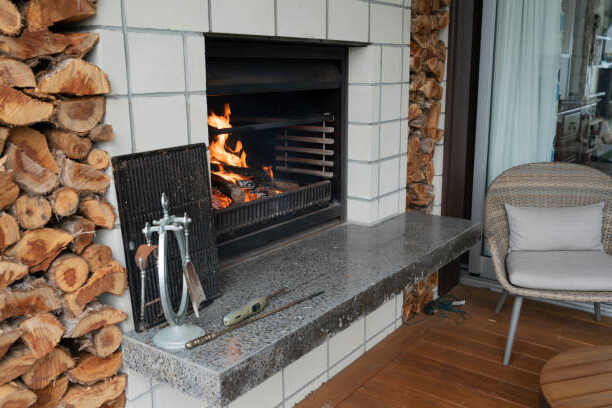
Beyond the vent pipe itself, the stove’s location in the room has its own clearance rules. Most local codes require a noncombustible hearth pad underneath and in front of the stove. A common baseline is at least 16 inches of coverage in front of the loading door and 8 inches to each side. Exact dimensions still vary by stove model and local code.
The stove also needs side and rear clearance from combustible walls and furniture. This is typically listed in the owner’s manual as a specific number of inches, based on how the unit was tested and certified. Ignoring these numbers is a common mistake in DIY installations, and a leading reason inspectors fail a first attempt.
What Does Installation Cost With and Without a Chimney?
Skipping the chimney generally means a lower total installation bill. A freestanding pellet stove venting through a wall or roof typically runs $1,600 to $4,100 installed, covering the stove, vent pipe, and labor. A pellet stove insert that reuses an existing chimney with a new liner costs more, generally $2,500 to $7,000. Insert units cost more upfront, and liner installation takes additional labor.
If your home already has a usable masonry chimney, though, reusing it with an insert can still work out cheaper than building an entirely new wall-vented installation. Our full cost breakdown in how much it costs to install a pellet stove walks through the specific line items for both installation types.
Homes With No Chimney at All
A freestanding pellet stove works fine in a home that was never built with a fireplace, including many newer builds and manufactured homes. All it needs is a suitable exterior wall or roof section where the termination clearances can be met.
Our guide on does a pellet stove need to be vented covers the venting requirement itself in more detail, separate from the chimney question specifically.
Safety Considerations for Any Venting Method
Regardless of which venting method your stove uses, a few safety habits apply across the board:
- Install carbon monoxide alarms on every level of the home, and test them monthly.
- Have the vent system, and the chimney liner if applicable, professionally inspected once a year.
- Never block the vent termination point with snow, debris, or landscaping.
- Keep the specified clearance to combustibles along the entire vent run, not just at the stove.
- Clean the vent pipe regularly to prevent ash and creosote buildup from restricting airflow.
Routine maintenance protects the investment you’ve made in the stove itself. Our guide on how to clean your pellet stove safely and effectively covers the specific steps for keeping the venting system clear between inspections.
Working With a Professional Installer
Pellet vent pipe is simpler to install than a masonry chimney, but this still isn’t a project to take on without experience. A licensed installer knows the local permit process and the clearance requirements your jurisdiction enforces. They’ll also know how to properly terminate the vent relative to windows, doors, and grade level.
Many manufacturers require professional installation to keep the warranty valid. A DIY job that technically works can still void coverage if something goes wrong later. Get quotes from a few licensed installers, and compare what each one includes, before committing to either a freestanding stove or an insert. Our best pellet stove reviews can help you compare specific models first.
Watch: How Pellet Vent Pipe Installation Works
Video: “Pelletvent Installation Guide” by DuraVent Group
Frequently Asked Questions: Do Pellet Stoves Need a Chimney?
Do all pellet stoves need a chimney to operate?
No. Freestanding pellet stoves vent through a wall or roof using pellet-rated vent pipe, and need no chimney. Only inserts, which fit into an existing fireplace opening, typically use a chimney, and even then it needs a proper liner.
Can I install a pellet stove in a home that has never had a fireplace?
Yes. As long as there’s a suitable exterior wall or roof section for the vent pipe, and the termination clearances can be met, a freestanding pellet stove works fine with no existing chimney.
Do I need a liner if I’m putting a pellet insert into an existing chimney?
Yes, in almost every case. A full-length stainless steel liner sized to the insert’s flue collar is considered best practice. It’s typically required by both the manufacturer and local code, even if the existing chimney looks sound.
How much clearance does pellet vent pipe need from combustible materials?
Listed pellet vent pipe like PelletVent Pro requires as little as 1 inch of clearance to combustibles. Standard wood stove chimney pipe typically requires 12 to 18 inches.
Is a permit required to install pellet stove venting?
In most municipalities, yes. An inspector will typically check the vent pipe clearances, the termination location, and the hearth pad before approving the installation.
Is it cheaper to install a pellet stove that doesn’t need a chimney?
Generally, yes. A freestanding, wall-vented pellet stove typically costs $1,600-$4,100 installed. A chimney-reliant insert with a new liner typically runs $2,500-$7,000, mainly due to the added liner and labor cost.
Final Thoughts
So, do pellet stoves need a chimney? For most homeowners, the answer is no. A freestanding pellet stove vents through a wall or roof using inexpensive, tightly-clearanced pellet vent pipe. No masonry chimney is required. Only pellet stove inserts depend on an existing chimney, and even then, a proper stainless steel liner is essential for safe, code-compliant operation.
Whichever type fits your home, following the manufacturer’s clearance specifications and your local building code isn’t optional. Pair a correctly vented installation with working carbon monoxide alarms and an annual professional inspection. That combination keeps a pellet stove one of the more flexible, affordable ways to heat a home that never had a chimney to begin with.

Hey, My name is MAMON. I am a SEO content creator and affiliate marketer with over 8 years of experience. I create honest product reviews, in-depth buying guides, and practical how-to articles to help readers make informed decisions. My mission is to provide trustworthy, research-backed content that delivers real value.
Leave a Reply