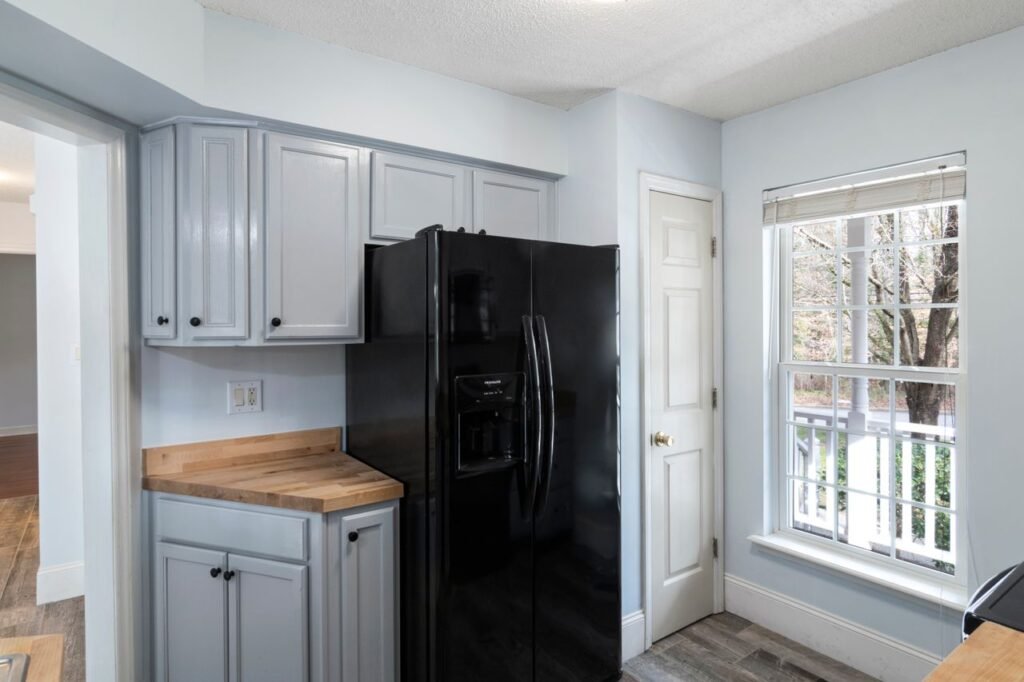
Most homeowners never think about their refrigerator’s on-and-off pattern until it starts sounding different, or the electric bill creeps up. Then the questions start: is it supposed to run this much? Is silence normal, or a warning sign?
Here’s the short answer: a healthy refrigerator runs 30 to 45 minutes out of every hour, or roughly 8 to 12 hours a day. That cycling pattern is completely normal — the compressor shuts off once the interior reaches its target temperature and kicks back on as the temperature drifts up. But “normal” isn’t one fixed number. It shifts with the season, the age of your fridge, and even how often the kids raid it for snacks.
This guide breaks down what counts as normal run time, what changes it, and how to tell the difference between a refrigerator that’s simply doing its job and one that needs a repair call.
Key Takeaways
- A refrigerator running 30–45 minutes per hour (8–12 hours/day) is operating normally.
- Modern compressors are actually engineered to run 80–90% of the time in hot or humid conditions, because cycling on and off less often is more energy-efficient than repeatedly restarting.
- Newer fridges with variable-speed (inverter) compressors may run almost continuously at low power instead of cycling — that’s by design, not a malfunction.
- Constant running paired with a warm interior, not just constant running alone, is the real red flag.
- Dirty condenser coils and worn door seals are the two most common (and cheapest to fix) causes of overwork.
What’s a Normal Refrigerator Run Cycle?
A refrigerator isn’t meant to run continuously, and it isn’t meant to sit off for long stretches either. On average, it should run between 30 and 45 minutes out of every hour, which adds up to roughly 8 to 12 hours of compressor run time per day. The rest of the time, the compressor is resting while the insulation and cold air already inside keep your food at a safe temperature.
That said, run time is a range, not a rule. A newer, energy-efficient model in a cool kitchen might run closer to 25 minutes per hour, while an older unit in a warm garage could run 50 minutes or more — and both can be perfectly normal. What matters more than the exact number is whether your fridge is holding a safe internal temperature (37–40°F) without straining to get there.
Compressor Types Change the Math
Not every refrigerator cycles the same way:
- Older/single-speed compressors (pre-2010s): Cycle fully on, then fully off. Tend toward longer, more frequent “on” periods, especially in a warm room.
- Standard ENERGY STAR models: Cycle more efficiently, generally landing in that 30–45-minutes-per-hour range under normal household conditions.
- Variable-speed (inverter) compressors: Run almost continuously at low power rather than cycling fully on and off, which is intentional and more efficient, not a sign of a problem. If your fridge is newer and seems to “never stop,” check the owner’s manual before assuming something’s wrong.
GE Appliances notes that modern compressors are actually designed to run 80% to 90% of the time, because the biggest energy draw happens at startup — so fewer, longer cycles are more efficient than frequent short ones. In hot, humid climates, that run-time percentage can approach 100%, which is still within normal operation.
Why Refrigerators Cycle On and Off in the First Place
A refrigerator’s thermostat (or electronic control board on newer models) is constantly comparing the interior temperature to your set point. When the interior warms past that threshold, the compressor kicks on, circulating refrigerant to pull heat out of the cabinet. Once the target temperature is reached, the compressor shuts off — and the well-insulated cabinet holds that cold air until the cycle repeats.
It’s also normal for the compressor to briefly stop during the automatic defrost cycle, which typically runs for about 35 minutes and happens regardless of your temperature setting. If your fridge goes quiet for half an hour and then restarts on its own, that’s usually the defrost cycle working as intended, not a fault.
Factors That Affect How Often Your Fridge Runs
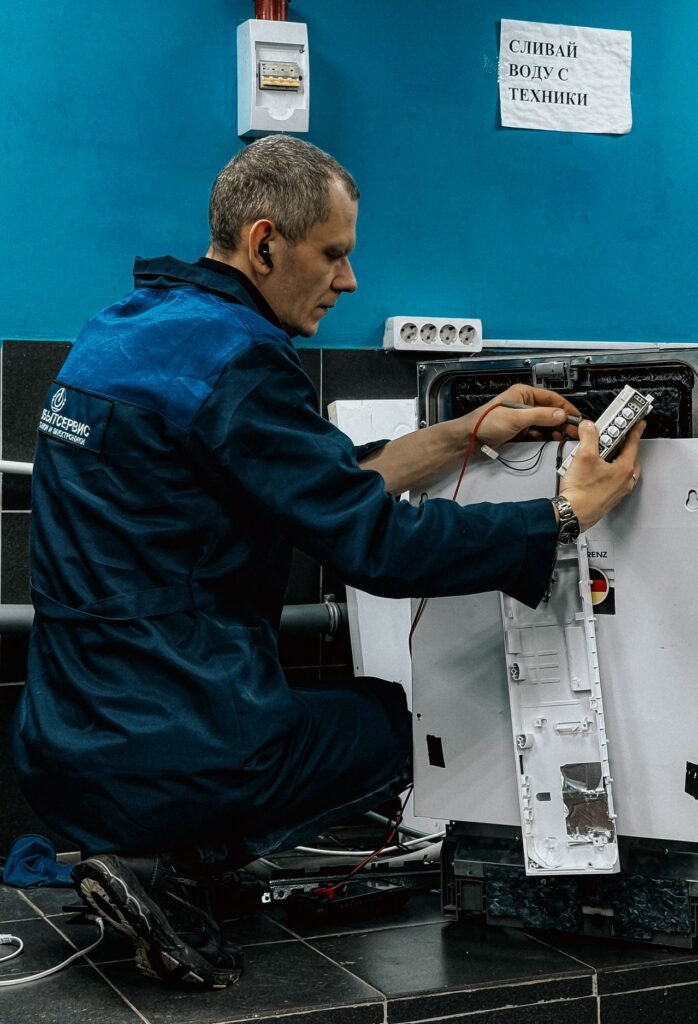
Several everyday variables push your refrigerator’s run time up or down. None of them are cause for concern on their own — they’re just part of how the appliance responds to real household life.
- Room temperature. A fridge in a warm kitchen, garage, or near a stove/window will cycle more often than one in a consistently cool, shaded spot.
- Door openings. Every open door lets warm, humid air in, which the compressor then has to work to remove.
- How full the fridge is. A well-stocked refrigerator holds temperature more efficiently than a mostly empty one, because food and drinks act as thermal mass.
- Age and efficiency. Older units, worn seals, and less-efficient compressors all mean more run time to do the same job.
- Coil cleanliness. Dust-caked condenser coils force the compressor to work harder and longer to shed heat.
- Seasonal shifts. Refrigerators typically cycle more in summer, when both room temperature and door-opening frequency (hello, cold drinks) go up.
Signs Your Refrigerator Is Running Too Much
Occasional long cycles during a heat wave or after a grocery run aren’t a problem. Watch for these combinations instead, which point to something worth investigating:
- The compressor never fully rests, and food inside still feels warm. Constant running that isn’t actually cooling the interior is the clearest sign of a real fault — a failing compressor, low refrigerant, or a blocked airflow path.
- Short cycling. The compressor turns on for just a few minutes, shuts off, then restarts almost immediately, over and over. This pattern puts unnecessary wear on the compressor and is often linked to a faulty thermostat or a control board issue.
- Frost buildup or a warm door seal. Run your hand around the door gasket. If you feel air leaking out, a worn seal is likely forcing the compressor to overcompensate.
- A noticeable jump in your electric bill with no other explanation, especially alongside longer-than-usual running.
Video: A quick walkthrough of normal vs. excessive refrigerator cycling.
If your fridge is short cycling, our guide to testing a refrigerator’s thermostat walks through the exact steps before you call a technician.
How Refrigerator Run Time Affects Your Energy Bill
Run time and energy cost are directly connected, which is exactly why performance-minded homeowners track it. Modern refrigerators typically consume between 300 and 600 kWh annually, while some of the most efficient inverter-compressor models use as little as 115–200 kWh per year. Older units tell a very different story: a refrigerator from the 1990s can use 1,400+ kWh a year compared to just 300–400 kWh for a modern ENERGY STAR model — a gap that can add up to more than $150 a year in electricity costs.
The U.S. EPA’s ENERGY STAR program notes that refrigerators over 15 years old can cost more than $80 a year extra to run, largely because aging compressors and degraded insulation force longer, less efficient cycles to hit the same temperature. If your fridge is running long and it’s also old, replacement math is often more favorable than most homeowners expect.
Shopping for a more efficient model, or one that has to handle a garage or basement’s temperature swings? Our garage refrigerator buyer’s guide covers ENERGY STAR options built for exactly that.
How to Reduce Excessive Refrigerator Running

Most of the fixes here take 20 minutes and no tools beyond a vacuum attachment.
- Clean the condenser coils twice a year. Dust and pet hair insulate the coils and force the compressor to run longer to dissipate heat. This alone can meaningfully cut wasted run time.
- Check and replace worn door seals. The dollar-bill test works well: close the door on a dollar bill and pull it out. If it slides out with no resistance, the seal needs replacing.
- Keep the fridge reasonably full, but not overpacked — airflow around the vents still needs room to circulate.
- Set the right temperature. 37°F is the recommended fridge temperature, and 0°F for the freezer. Colder than that just adds run time without a food-safety benefit.
- Give it breathing room. Leave a few inches of clearance behind and above the unit so the coils can shed heat efficiently.
- Avoid placing it next to a heat source, like a stove, dishwasher, or a sun-facing window.
For the full seasonal routine, see our refrigerator upkeep and odor removal guide.
When to Call a Repair Technician
Call a professional if you notice any of the following, especially in combination:
- The compressor runs constantly and the interior still isn’t reaching a safe temperature.
- You hear a loud clicking or buzzing every few minutes (a sign of short cycling).
- The compressor housing at the back of the fridge feels excessively hot to the touch.
- Your energy bill has jumped noticeably with no other explanation.
Frequent or unusual cycling can point to issues like dirty coils, a faulty seal, or a failing thermostat, and catching the pattern early helps avoid a full compressor replacement down the line. A technician can diagnose in minutes what would otherwise take days of guessing.
Not sure whether it’s a DIY fix? Our professional appliance repair services guide breaks down what a technician visit typically involves.
Frequently Asked Questions
Is it normal for a refrigerator to run constantly?
It can be, depending on the model. Modern compressors are designed to run 80–90% of the time, and that can approach 100% in hot or humid conditions. Constant running is only a concern if the interior temperature isn’t staying cold despite it.
How many times a day should a refrigerator cycle on and off?
There’s no single “correct” count — it depends on compressor type, room temperature, and usage. Traditional single-speed compressors might cycle several times an hour; inverter-compressor models may run in one long, low-power stretch instead of distinct on/off cycles.
Why does my refrigerator run more in the summer?
Warmer ambient temperatures mean more heat leaks in through the cabinet walls and every door opening, so the compressor has to work harder and longer to hold the same internal temperature.
Should I unplug my refrigerator if it seems to run too much?
No — unplugging risks food safety and can stress the compressor when it restarts. Instead, check the coils and door seals first, and call a technician if the interior isn’t staying cold.
Does a refrigerator use more electricity when it’s cycling on and off frequently?
Yes, generally. Because refrigerators cycle rather than run at full power continuously, frequent restarts — especially short cycling — waste more energy than fewer, longer, well-spaced cycles. Clean coils and tight seals help keep cycling efficient rather than excessive.
The Bottom Line
A refrigerator that runs 30–45 minutes per hour, or hums along nearly continuously at low power if it has an inverter compressor, is doing exactly what it’s supposed to do. The pattern to watch for isn’t “how often” on its own — it’s whether that running is actually keeping your food cold. Clean the coils, check the seals, and give the unit some breathing room, and most excessive-cycling issues resolve without a service call. If the compressor is working overtime and the inside still isn’t cold, that’s the moment to bring in a technician rather than wait it out.
Noticing puddles near the fridge too? That’s usually unrelated to run time — see what causes a refrigerator to leak water for the fix.
Sources cited:

Hey, My name is MAMON. I am a SEO content creator and affiliate marketer with over 8 years of experience. I create honest product reviews, in-depth buying guides, and practical how-to articles to help readers make informed decisions. My mission is to provide trustworthy, research-backed content that delivers real value.
Should a fridge come on after a power outage?