End grain cutting boards are the thick, checkerboard-style blocks you see in butcher shops and serious home kitchens. They cost more than ordinary wood boards, so it is fair to ask whether they are worth it. In short, they are kinder to your knives and hide cut marks better. However, they also need more oil and more care. This guide explains end grain vs. edge grain in plain terms, then reviews six end grain boards on Amazon so you can pick the right one for a U.S. kitchen.
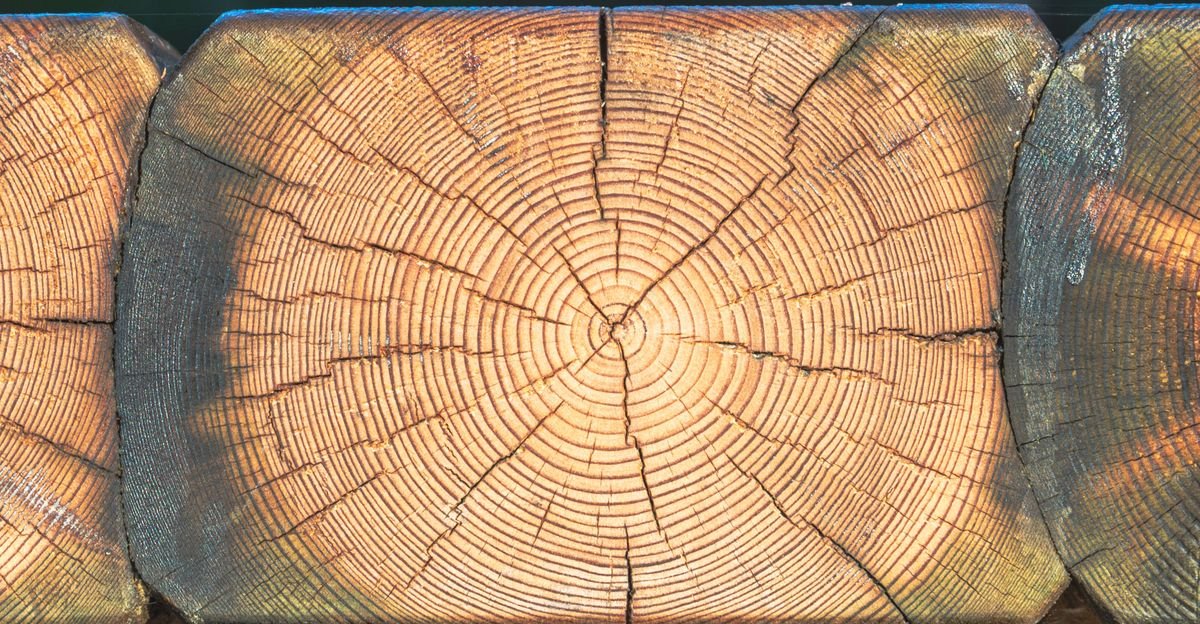
Photo: Damir K via Pexels.
Key Takeaways
- End grain boards are built from short wood blocks set on end, so the fibers face up toward your knife.
- Because the blade slips between fibers, the surface “self-heals” and your edge stays sharp longer.
- By contrast, edge grain boards use long strips glued side by side. As a result, they are lighter, cheaper, and easier to maintain.
- Both styles are equally sound for food safety when you clean, dry, and oil them correctly.
- Expect to oil end grain more often, since the open fibers soak up oil and water faster.
End Grain vs. Edge Grain vs. Face Grain: Quick Comparison
Every wood board falls into one of three styles. In fact, the difference is simply which side of the wood fiber touches your knife.
| Feature | End Grain | Edge Grain | Face Grain |
|---|---|---|---|
| Fiber direction | Vertical (ends face up) | Horizontal (edges face up) | Horizontal (wide face up) |
| Knife friendliness | Best | Good | Fair |
| Visible knife marks | Few; fibers close up | Some; can be sanded out | Most |
| Oiling needs | Highest | Moderate | Moderate |
| Typical thickness | 1.25 to 3 inches | 0.75 to 1.5 inches | 0.5 to 1 inch |
| Price | Highest | Mid-range | Lowest |
What Are End Grain Cutting Boards?
Picture a bundle of drinking straws standing upright. That is roughly how wood fibers sit in end grain cutting boards. To begin with, makers cut hardwood into short blocks, turn each block on its end, and glue the blocks together. Consequently, the top shows growth rings and a checkerboard or brick pattern.
According to John Boos, an American board maker since 1887, this layout is what gives end grain its “self-healing” reputation. When your knife comes down, the edge slides between the fibers instead of slicing across them. Afterward, the fibers close back up. In other words, the board absorbs the cut rather than fighting it.
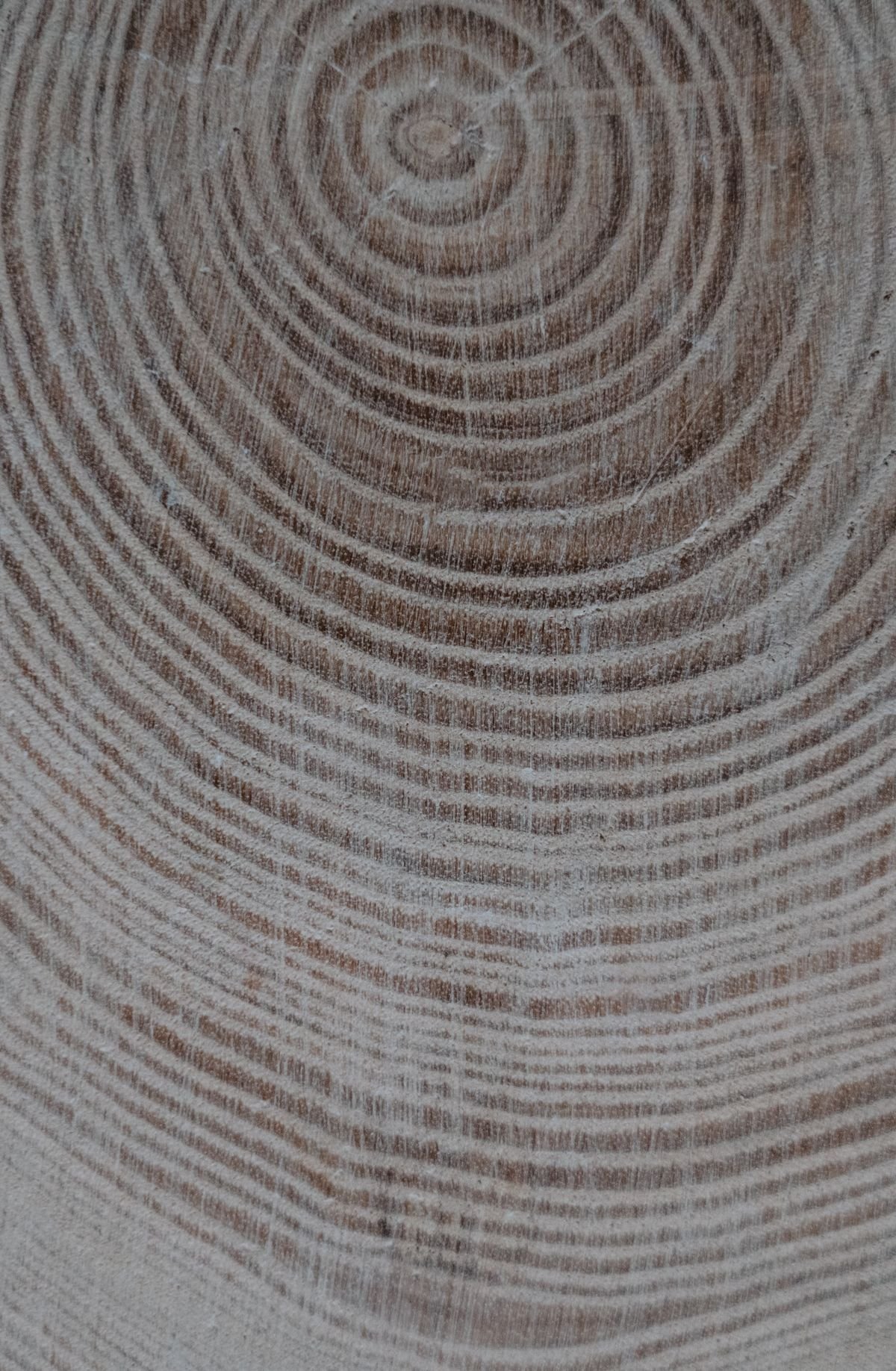
Photo: PNW Production via Pexels.
Why Knife Edges Last Longer
A sharp kitchen knife has an edge only a few microns wide. Each time it strikes a hard surface such as glass or stone, that edge rolls or chips. Wood is softer, and end grain is softer still in practice, because the blade parts fibers instead of crushing them. So you will reach for the honing steel less often. Even so, no board replaces regular sharpening; our whetstone grit guide covers that part.
Pros and Cons of End Grain
Advantages
- Gentle on blades. Fibers part around the edge, so knives dull more slowly.
- Hides wear. Shallow cuts close up, so the surface looks newer for longer.
- Heavy and stable. Thick blocks rarely slide, which makes chopping safer.
- Striking looks. Also, the checkerboard pattern doubles as a serving piece.
Drawbacks
- Thirsty wood. Open fiber ends drink oil and water. Therefore, a dry board can crack if you skip maintenance.
- Weight. For example, a 3-inch block is hard to lift into the sink.
- Cost. Cutting and gluing hundreds of small blocks takes far more labor than gluing long strips.
- No dishwasher, ever. Otherwise, heat and long soaks can split the glue joints.
Edge Grain Cutting Board: The Practical Alternative
An edge grain cutting board is made from long strips of wood glued side by side, with the narrow edges facing up. The fibers run horizontally, so your knife cuts across them. For this reason, you will see knife marks sooner. On the other hand, those marks are shallow and you can sand them out, then re-oil the board.
Overall, edge grain is often the better buy for everyday slicing. It is lighter and thinner, and it costs noticeably less for the same size. It also takes less oil, because the long fibers absorb moisture more slowly. For most home cooks who mainly dice vegetables, edge grain does the job well. If you are still choosing a species, our guide to the best wood for cutting boards compares maple, walnut, cherry, and teak.
Is a Reversible Edge Grain Cutting Board Worth It?
A reversible edge grain cutting board has two usable faces. For instance, many cooks keep one side for raw meat and the other for produce or bread. Others simply flip the board so that wear spreads evenly. Just remember that a reversible board still needs both sides washed, dried, and oiled. Plus, if you prepare raw poultry often, a separate board is the safer habit. In addition, our guide on how to prevent cross contamination with cutting boards explains why.
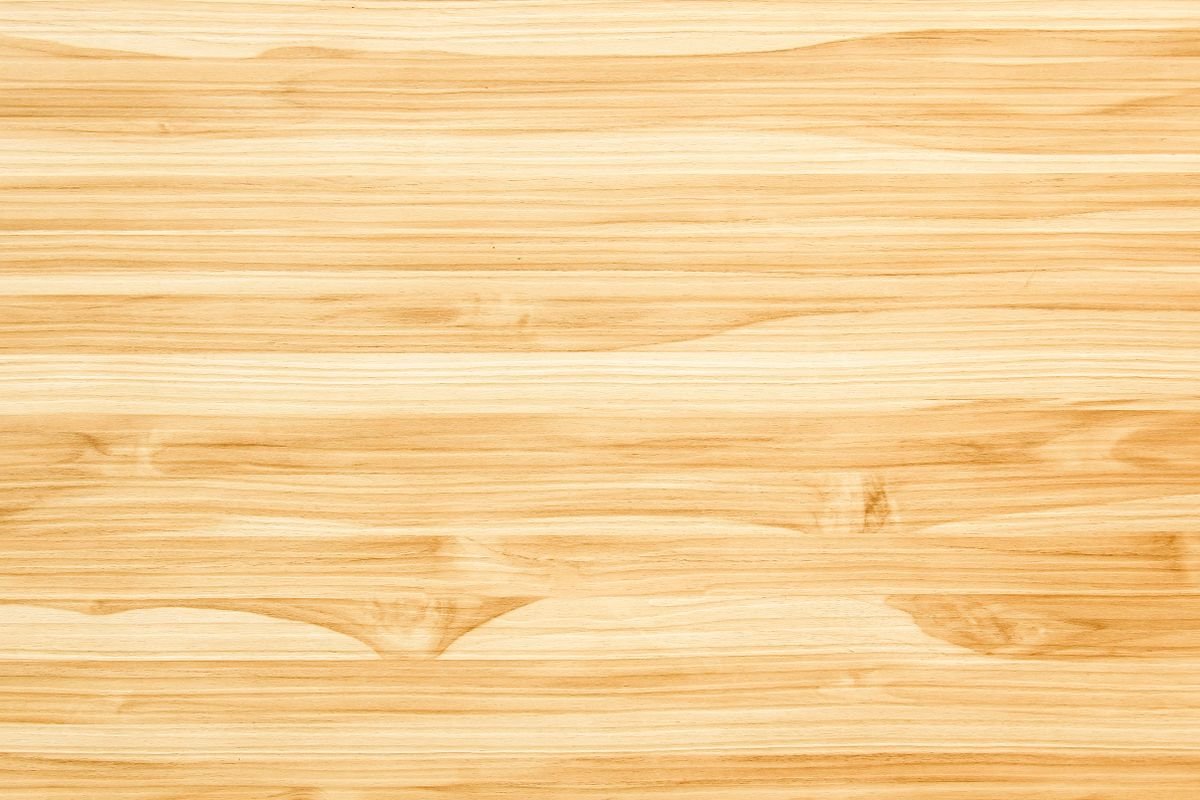
Photo: Ksw Photographer via Pexels.
Are End Grain Cutting Boards More Sanitary?
Of course, you will see bold claims online that end grain “traps” bacteria or “kills” it. Neither claim holds up well. John Boos states that both styles are equally sound for food safety, and that the choice comes down to preference. What matters more is condition. The FDA Food Code says cutting surfaces that become scratched and scored must be resurfaced, or discarded, once they can no longer be cleaned and sanitized effectively.
In practice, this works in favor of end grain cutting boards. Since shallow cuts close up, the surface stays smoother for longer. Still, a deep gouge is a deep gouge. When that happens, sand it out, wash with hot soapy water, and dry the board on its edge. For a broader look at materials, see our main guide to cutting boards that are the safest and healthiest.
Square End Grain Cutting Board vs. Rectangular
A square end grain cutting board, such as a 12 x 12 inch block, fits small counters and works well as a dedicated chopping station. It is also easy to rotate, so wear spreads evenly. In contrast, a rectangular board around 17 x 13 inches gives you room to push chopped food aside while you keep working. Generally, choose square if you want a compact, heavy block that stays put. Pick rectangular when you prep large batches or carve roasts.
Video: The Boardsmith explains end grain vs. edge grain construction.
6 Best End Grain Cutting Boards on Amazon
We picked these six boards based on listing details, wood species, size, and build features such as feet, grips, and juice grooves. Also, to keep things fresh, none of them appear in our other cutting board roundups.
1. John Boos Classic Reversible Maple End Grain Chopping Block (12 x 12 x 3)

Image: Amazon
Best square end grain cutting board. This is the benchmark block. Because it is a full 3 inches thick, it barely moves on the counter. It is reversible, so you get two working faces, and recessed finger grips on the sides make lifting it far easier. Hard maple rates about 1,450 lbf on the Janka scale, which is firm enough to resist dents yet still gentle on blades.
- Size: 12 x 12 x 3 inches
- Wood: Hard maple
- Features: Reversible, recessed finger grips, American-made
- Care: Hand wash only
Good to know: It is heavy. If you plan to move it to the sink daily, a thinner board may suit you better.
2. Sonder Los Angeles Thick End Grain Teak Board (17 x 13 x 1.5)

Image: Amazon
Best for meal prep. Sonder adds thoughtful details here. For example, the juice groove holds about 3.5 ounces, and built-in sorting compartments let you separate chopped ingredients. Meanwhile, removable rubber feet on both sides keep it from sliding, whichever face you use. Teak contains natural oils, so it handles moisture better than many hardwoods.
- Size: 17 x 13 x 1.5 inches
- Wood: Teak
- Features: Juice groove, sorting compartments, removable feet, finger grips
Good to know: Teak has natural silica, so it is slightly harder on edges than maple or walnut.
3. Virginia Boys Kitchens End Grain Walnut Butcher Block (9 x 12 x 1.5)

Image: Amazon
Best American-made walnut. Virginia Boys Kitchens handcrafts this board in Virginia and finishes it with food-safe oils instead of stain. Walnut sits around 1,010 lbf on the Janka scale, which makes it one of the most knife-friendly hardwoods. Moreover, the 9 x 12 size suits apartments and small counters well.
- Size: 9 x 12 x 1.5 inches (this variation has no feet or juice groove)
- Wood: Black walnut
- Features: 100% made in USA, unstained
Good to know: Without feet, put a damp towel underneath so it does not slide.
4. Teakhaus Thick End Grain Butcher Block with Grip Handles (XL)

Image: Amazon
Best large reversible block. Teakhaus uses 100% FSC-certified teak, which is a plus if responsible sourcing matters to you. The board is also reversible, and grip handles help with the weight. Its end grain surface is designed to protect knives during heavy chopping sessions.
- Size: Extra-large
- Wood: FSC-certified teak
- Features: Reversible, grip handles
- Care: Hand wash only
Good to know: Measure your sink first. Otherwise, an XL block may not fit for washing.
5. Ironwood Gourmet Oslo End Grain Acacia Utility Board (14 x 16)

Image: Amazon
Best for prep and serving. Made of 100% end grain acacia, the Oslo works as both a prep station and a serving board. Acacia has rich, varied color, so it looks great with cheese or bread. As for care, Ironwood recommends hand washing, never soaking, and oiling it periodically.
- Size: 14 x 16 inches
- Wood: Acacia
- Features: Prep and serving use
Good to know: Acacia is quite hard, so it may dull edges a bit faster than walnut.
6. Larch Wood Canada End Grain One Hander, Large (15 x 9.5 x 1.25)

Image: Amazon
Best lightweight option. At about 4.3 pounds, the One Hander is easy to lift with one hand, as the name suggests. Better still, it is handmade in Margaree, Nova Scotia, from eastern Canadian larch. In addition, soft rubber feet with stainless screws keep it steady. Larch is softer than maple, so it is especially gentle on fine Japanese blades.
- Size: 15 x 9.5 x 1.25 inches
- Wood: Eastern larch (Larix laricina)
- Features: Rubber feet, handmade
Good to know: Expect knots and color variation; each board looks a little different.
Side-by-Side Comparison
| Board | Wood | Size (inches) | Best For |
|---|---|---|---|
| John Boos Classic | Maple | 12 x 12 x 3 | Square chopping block |
| Sonder Los Angeles | Teak | 17 x 13 x 1.5 | Meal prep |
| Virginia Boys Kitchens | Walnut | 9 x 12 x 1.5 | Small kitchens |
| Teakhaus XL | Teak (FSC) | Extra-large | Big batches |
| Ironwood Oslo | Acacia | 14 x 16 | Prep and serving |
| Larch Wood One Hander | Larch | 15 x 9.5 x 1.25 | Light, easy lifting |
Common Mistakes to Avoid
Even the best block can fail early if you treat it like a plastic board. Here are the mistakes we see most often, along with simple fixes.
- Skipping the first month of oiling. New boards are often dry inside. So, oil them weekly at first until the wood stops absorbing.
- Using vegetable or olive oil. Cooking oils can turn rancid over time. Instead, use food-grade mineral oil or a board cream.
- Leaving it flat on a wet counter. Moisture gets trapped underneath and causes warping. As a result, one face swells while the other stays dry.
- Cutting with a cleaver on a thin board. Heavy chopping needs thickness. In that case, a 2-inch or thicker block is the safer choice.
- Ignoring deep gouges. Similarly, deep cuts hold food and moisture. Sand them out with 120 grit, then follow with 220 grit before re-oiling.
In the end, a few minutes of care each month keeps an end grain board in great shape for many years.
How to Care for End Grain Cutting Boards
Open fiber ends act like tiny sponges. That is great for knives, but it also means end grain cutting boards dry out and absorb water faster than other boards. Therefore, follow this routine to avoid cracks and warping:
- Wash right after use. Use hot, soapy water and a brush, then rinse quickly.
- Never soak it. Otherwise, standing water swells the fibers and weakens glue joints.
- Dry it upright. Wipe it down, then stand it on edge so air reaches both faces.
- Oil it often. Apply food-grade mineral oil weekly for the first month, then monthly. Keep going until the wood stops soaking it up.
- Seal with wax. Then, a beeswax and mineral oil blend adds a moisture barrier on top.
For a full walkthrough, read our guide on how to take care of a wooden cutting board. Also, if you are weighing other materials, our article on whether bamboo cutting boards are safe covers glue and knife wear.
How to Choose the Right Board
- Thickness: Aim for at least 1.25 inches. Otherwise, thinner end grain can crack along glue lines.
- Wood species: Maple (about 1,450 lbf), walnut (about 1,010 lbf), and cherry (about 995 lbf) are classic picks. Meanwhile, teak and acacia are harder and more water-resistant.
- Feet or no feet: Feet improve grip and airflow, but they make a board one-sided.
- Juice groove: Useful for roasts and juicy fruit; less important for vegetables.
- Weight: Make sure you can lift it to the sink comfortably.
- Your knives: If you own premium blades, such as the ones in our best chef knife under $100 guide, a softer wood protects that investment.
FAQ
Are end grain cutting boards better than edge grain?
For knife care and hiding marks, yes. For price, weight, and easy upkeep, edge grain wins. Still, neither is safer for food, according to John Boos.
Why are end grain boards so expensive?
Makers must cut, flip, and glue many small blocks, then flatten the surface. That takes much more labor than gluing long strips.
How often should I oil an end grain board?
Plan on weekly oiling when the board is new, then about once a month. If water stops beading on the surface, oil it again.
Can end grain boards go in the dishwasher?
No. That is because heat and moisture can split glue joints and crack the wood.
What is the best wood for end grain?
Hard maple is the most common choice. Walnut and cherry are slightly softer and very knife-friendly, while teak resists moisture well.
Final Thoughts
End grain cutting boards reward cooks who chop a lot and care about their knives. They stay smoother, look beautiful, and last for decades when oiled. Even so, an edge grain board remains a smart, budget-friendly choice for lighter prep. In short, for a square workhorse, start with the John Boos Classic. Similarly, for a lighter board, the Larch Wood One Hander is easy to live with. Whichever you pick, oil it regularly and it will serve you for years.

Hey, My name is MAMON. I am a SEO content creator and affiliate marketer with over 8 years of experience. I create honest product reviews, in-depth buying guides, and practical how-to articles to help readers make informed decisions. My mission is to provide trustworthy, research-backed content that delivers real value.
Leave a Reply