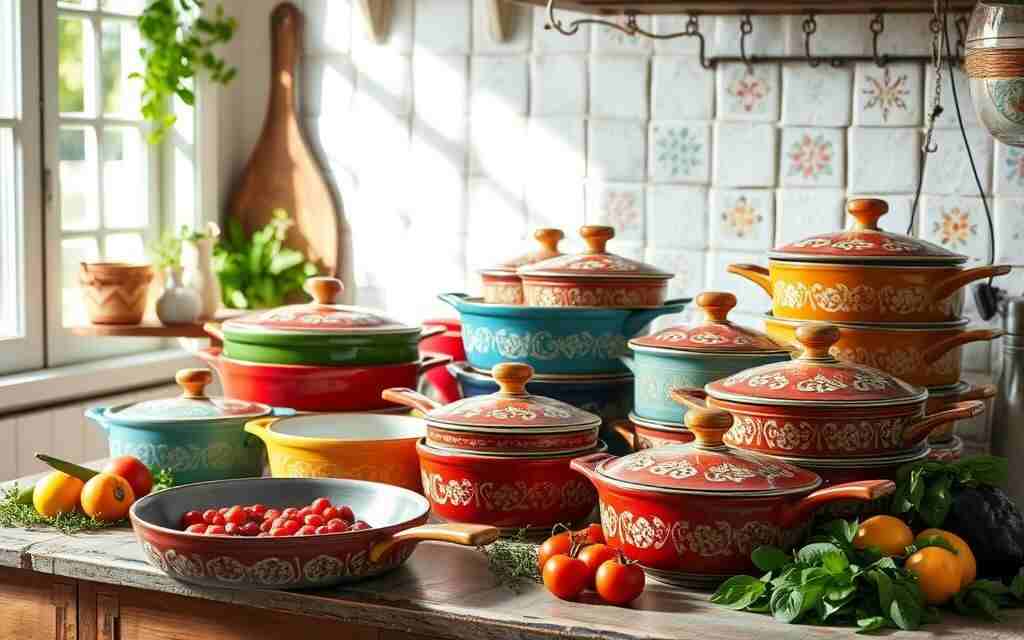
Ceramic cookware has become one of the most talked-about alternatives to traditional Teflon nonstick, and for good reason. When you weigh the ceramic cookware pros and cons, the appeal is obvious: a smooth, food-release surface made without PFOA or PTFE, in colors that make a kitchen look better on Instagram. But ceramic isn’t a flawless upgrade. It scratches more easily than stainless steel, loses its nonstick edge faster than people expect, and needs gentler handling than most home cooks are used to.
Key Takeaways
- Ceramic cookware is popular with health-conscious cooks because it’s made without PFOA, PTFE, lead, or cadmium.
- Its natural non-stick surface cuts down on the oil or butter needed for everyday cooking.
- Even heat distribution makes it well suited to eggs, sauces, and other delicate dishes.
- Most ceramic-coated pans realistically last 2 to 5 years with careful use, shorter than stainless steel or cast iron.
- Despite marketing claims about extreme heat tolerance, most manufacturers still recommend staying under about 500°F to protect the coating.
Understanding Ceramic Cookware: Types and Construction
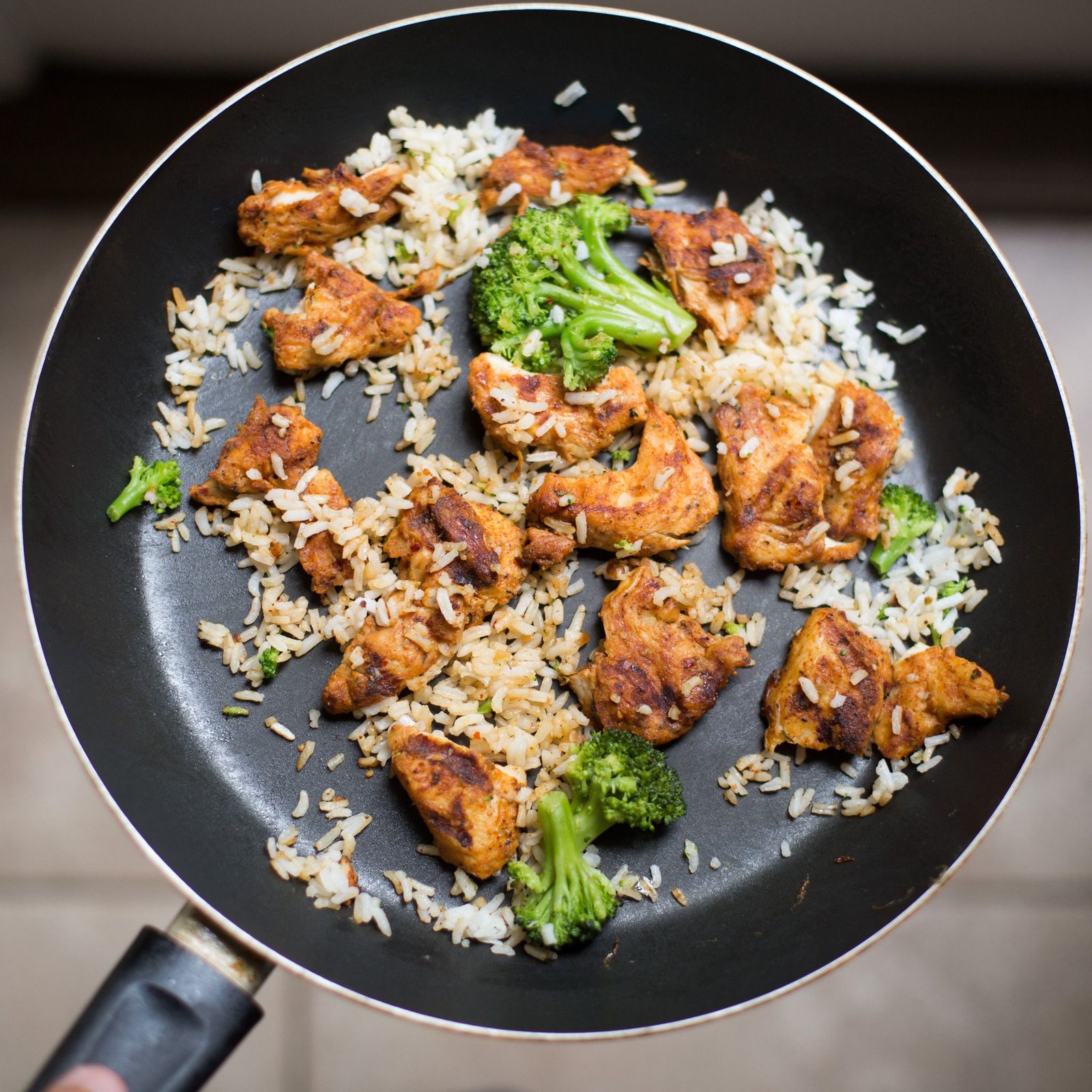
Ceramic cookware sold in the U.S. comes in two distinct forms, and the difference matters more than most buyers realize.
Pure ceramic vs. ceramic-coated cookware
Pure ceramic cookware, like Xtrema, is made from solid clay fired at extremely high temperatures, with no metal core at all. It’s naturally non-stick over time, tends to be dishwasher-safe, and doesn’t degrade the way a coating can, but it’s heavier, more fragile if dropped, and often pricier.
Ceramic-coated cookware, the type most people mean when they say “ceramic pan,” is what brands like Caraway, GreenPan, and Made In sell. It has an aluminum or stainless steel core for fast, even heat conduction, sprayed with a silica-based “sol-gel” coating and cured at high temperature to create the non-stick surface. This is the type covered throughout the rest of this guide.
| Type | Construction | Advantages | Disadvantages |
|---|---|---|---|
| Pure ceramic | Solid fired clay, no metal core | Naturally durable, no coating to wear off, excellent heat retention | Heavier, more fragile if dropped, limited color and design options |
| Ceramic-coated | Metal core with a sprayed ceramic layer | Lightweight, fast even heating, wide range of colors and price points | Coating wears down over time, more sensitive to metal utensils and scratching |
The Science Behind Ceramic Non-Stick Coating
Ceramic non-stick coatings are made primarily from silica, essentially processed sand, applied as a liquid “sol-gel” and cured onto the metal base at high heat. Unlike traditional Teflon coatings, this process introduces no PFOA or PTFE, the two chemicals most associated with health and environmental concerns in older nonstick cookware.
Here’s where marketing claims deserve a closer look. It’s true that the ceramic material itself, once cured, can technically tolerate very high temperatures, sometimes cited around 800°F, without breaking down chemically the way PTFE can above roughly 500°F. But that’s a lab number, not a practical one. In real kitchens, most cookware brands, including Caraway and Made In, still advise keeping ceramic-coated pans under about 500°F, because sustained high heat degrades the coating’s texture and non-stick performance even if it isn’t releasing toxic fumes. In other words, ceramic’s heat tolerance is a genuine safety advantage over Teflon, but it isn’t a license to blast the pan with high heat and expect the coating to last.
| Feature | Ceramic Non-Stick | Traditional Non-Stick (PTFE) |
|---|---|---|
| Base material | Silica-based sol-gel coating | Polytetrafluoroethylene (PTFE) |
| Chemical concerns | No PFOA or PTFE | Can release irritating fumes if overheated above roughly 500°F to 680°F |
| Practical heat limit | Most brands recommend staying under ~500°F despite higher lab tolerance | Manufacturers generally cap use around 500°F |
| Typical lifespan | 2 to 5 years with careful use | Often similar or slightly longer, depending on quality |
Ceramic Cookware Pros and Cons: Essential Facts
Weighing the ceramic cookware pros and cons in detail starts with understanding what it does well and where it falls short.
Benefits of using ceramic cookware
- Non-toxic construction: Free of PFOA, PTFE, lead, and cadmium, which makes it a safer default for households avoiding forever chemicals.
- Easy cleanup: Food releases cleanly off the smooth surface, and most pans wipe clean with just warm water and mild soap.
- Even heat distribution: The metal core in ceramic-coated pans spreads heat quickly and evenly, which suits eggs, delicate sauces, and pancakes especially well.
- Versatile stovetop compatibility: Works on gas, electric, and induction cooktops (check that the base is magnetic for induction).
Limitations and drawbacks
- Chipping and scratching: The coating can chip if dropped or scratched with metal utensils, and once damaged, it won’t recover.
- Shorter lifespan: Most ceramic-coated pans realistically last 2 to 5 years with regular use before the non-stick surface noticeably declines, shorter than well-cared-for stainless steel or cast iron.
- Sensitivity to thermal shock: Moving a hot ceramic pan straight to a cold surface, or rinsing it with cold water while still hot, can crack or warp the coating.
- Gradual non-stick loss: Even with careful use, most ceramic coatings become noticeably less slick well before the pan is otherwise “worn out.”
Cost-benefit analysis
Quality ceramic cookware typically costs more upfront than basic Teflon pans, though less than premium stainless steel or all-clad sets. Whether that premium is worth it depends on how often you cook, how you use it, and how much you value avoiding PFAS coatings. If you cook daily at higher heat, a stainless steel or cast iron pan may outlast several ceramic replacements over the same period.
Safety and Health Considerations
Ceramic cookware’s main safety advantage is what it leaves out. It’s made without PFOA or PTFE, chemicals that have drawn regulatory attention for decades; under the EPA’s PFOA Stewardship Program, launched in 2006, major U.S. manufacturers committed to eliminating PFOA from cookware production by 2015, and all participating companies reported meeting that target. Ceramic surfaces also don’t react with acidic ingredients like tomato sauce or citrus the way some reactive metals can.
That said, safety depends on how you treat the pan. Avoid metal utensils, since scratches expose the coating to faster wear. Don’t let a ceramic pan run empty on high heat, since overheating accelerates coating breakdown even if it doesn’t release toxic fumes at typical stovetop temperatures. And buy from brands that publish third-party testing results for heavy metals and PFAS, rather than relying on marketing language alone.
Heat Distribution and Cooking Performance
Ceramic-coated cookware generally distributes heat well thanks to its aluminum or stainless steel core, which is what actually conducts and spreads the heat; the ceramic layer itself is just the surface. This combination gives more consistent results than the coating alone would provide.
Temperature control
To preserve the non-stick coating, stick to low or medium heat for most stovetop cooking. High heat is where the coating breaks down fastest, regardless of what the packaging claims about maximum tolerance.
Stovetop compatibility
Ceramic-coated cookware generally works on gas, electric, and induction stovetops, though induction requires a magnetic base, so check the product specs before assuming compatibility.
Oven safety
Oven-safe limits vary by brand: some ceramic-coated lines are rated up to 500°F to 550°F, while others cap out lower, especially if the handle isn’t all-metal. Always check the specific manufacturer guidelines rather than assuming one number applies across brands.
| Feature | Ceramic-Coated Cookware | Stainless Steel Cookware |
|---|---|---|
| Heat distribution | Excellent, even heating from the metal core | Good, though thinner pans can develop hot spots |
| Temperature control | Best at low to medium heat to protect the coating | Handles high heat well, suited to searing and browning |
| Stovetop compatibility | Gas, electric, induction (check magnetic base) | Gas, electric, induction (check magnetic base) |
| Oven safety | Typically 450°F to 550°F depending on brand | Often 500°F or higher, handle-dependent |
Maintenance and Care Guidelines
Proper care is the single biggest factor in how long ceramic cookware actually lasts:
- Hand wash with mild soap. Skip abrasive scrubbers, which scratch the surface over time.
- Avoid sudden temperature changes. Let pans cool gradually before washing rather than running cold water over a hot pan.
- Use wood, silicone, or plastic utensils. Metal utensils are the most common cause of premature scratching.
- Season occasionally. A light coat of vegetable oil after cleaning can help maintain non-stick performance.
- Store carefully. Nest pans with a protective liner between them, and avoid stacking heavy cookware on top.
Durability and Lifespan Expectations
How long a ceramic pan lasts depends heavily on usage patterns: frequency of use, typical cooking heat, and how it’s cleaned all play a role. Frequent high-heat use accelerates coating breakdown, while gentle hand-washing extends it.
Signs it’s time to replace
- Visible scratches or chips in the coating
- Food sticking noticeably more than when the pan was new
- Flaking or peeling anywhere on the cooking surface
Once a coating is chipping or flaking, it’s best to replace the pan rather than continue using it, both for food safety and cooking performance. Many ceramic cookware brands offer warranties, so check the terms before assuming a defect isn’t covered.
Comparing Ceramic to Other Cookware Materials
Understanding ceramic cookware pros and cons is easier once you see how it stacks up against the alternatives most home cooks are also considering:
- Traditional Teflon (PTFE): Still the slickest non-stick surface available and generally longer-lasting than ceramic, but carries the PFOA/PTFE concerns that push many buyers toward ceramic in the first place.
- Stainless steel: Extremely durable, handles high heat and metal utensils without damage, and is excellent for browning, but has no natural non-stick surface.
- Cast iron: Nearly indestructible with proper seasoning and can last generations, but it’s heavy and needs ongoing maintenance.
- Copper: The best heat conductor of the common cookware materials and a favorite among professional chefs, but expensive and often requires a lining.
Choosing between them comes down to what you cook most often, how you clean up, and how much you’re willing to compromise on non-stick performance for durability, or vice versa. For a side-by-side on another popular alternative, see our breakdown of granite cookware pros and cons, which shares some of the same trade-offs as ceramic.
Frequently Asked Questions
Is ceramic cookware actually non-toxic?
High-quality ceramic and ceramic-coated cookware is made without PFOA, PTFE, lead, or cadmium, making it a genuinely safer choice than older Teflon pans when used as directed. Look for brands that publish third-party test results rather than relying on marketing claims alone.
How long does ceramic cookware actually last?
Most ceramic-coated pans last 2 to 5 years with regular use before the non-stick surface noticeably declines. Pure ceramic cookware, without a coating to wear off, can last considerably longer if handled carefully.
Can I use metal utensils on ceramic cookware?
It’s best to avoid them. Metal utensils are the most common cause of scratches that shorten a ceramic coating’s lifespan. Use wood, silicone, or plastic tools instead.
Is ceramic cookware better than a good ceramic frying pan with Teflon coating?
Neither is objectively “better” for every situation. Ceramic avoids PFAS chemicals but tends to lose its non-stick edge sooner; Teflon-based non-stick typically lasts longer at the cost of using PTFE. The right choice depends on which trade-off matters more to you.
Conclusion
Weighing the full set of ceramic cookware pros and cons, it’s a solid choice for health-conscious cooks who prioritize a chemical-free surface, easy cleanup, and even heat for everyday meals. It is not the most durable option on the market, and it needs more careful handling than stainless steel or cast iron to get a reasonable lifespan out of it. If you cook often at high heat or lean hard on metal utensils, factor that into your decision, or be ready to replace the pan sooner than the marketing might suggest. With realistic expectations and proper care and storage, ceramic cookware can still be a genuinely healthier and more enjoyable way to cook.

Hey, My name is MAMON. I am a SEO content creator and affiliate marketer with over 8 years of experience. I create honest product reviews, in-depth buying guides, and practical how-to articles to help readers make informed decisions. My mission is to provide trustworthy, research-backed content that delivers real value.
Leave a Reply