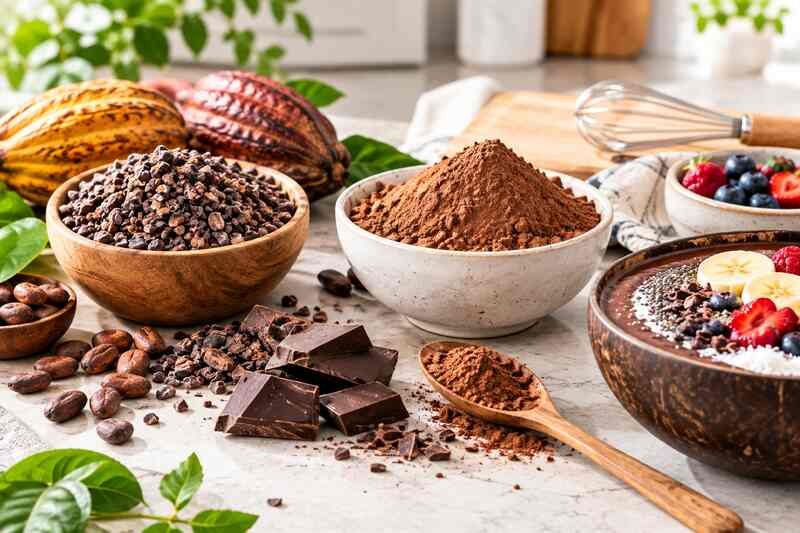
When browsing the baking aisle or shopping for healthy foods, you’ve probably seen the terms cacao and cocoa used interchangeably. In the cacao vs cocoa comparison, though, the two are not the same product. Despite coming from the same plant, they’re processed differently. That difference changes their nutrition, flavor, and how they behave in a recipe. Understanding the cacao vs cocoa distinction can help you make more informed dietary choices. It also helps you better appreciate what goes into your favorite chocolate treats.
Key Takeaways
- Cacao is made from cold-pressed, unroasted beans, while cocoa is made by roasting the same beans at high heat, which changes both flavor and nutrient content.
- A quarter-cup of minimally processed cacao powder has about 72 calories, 5g of protein, and 9g of fiber, along with iron, magnesium, and potassium, according to WebMD.
- Natural cocoa is acidic and pairs with baking soda, while Dutch-processed cocoa is alkalized and needs baking powder, a distinction that matters for how baked goods rise.
- Cacao contains caffeine and theobromine, so it carries the same pregnancy and pet-safety cautions as other chocolate products.
Origin: From the Same Bean
Both cacao and cocoa come from the Theobroma cacao tree, native to Central and South America. The tree produces pods that contain seeds, commonly called cacao beans. These beans are the starting point for every chocolate product on the shelf. That includes everything from a bar of dark chocolate to a tin of baking cocoa.
The difference between cacao and cocoa begins after harvesting, during processing. Both start from the same raw bean. How that bean is treated afterward is what defines the final product’s flavor, texture, and nutritional value.
Processing: Raw vs Roasted
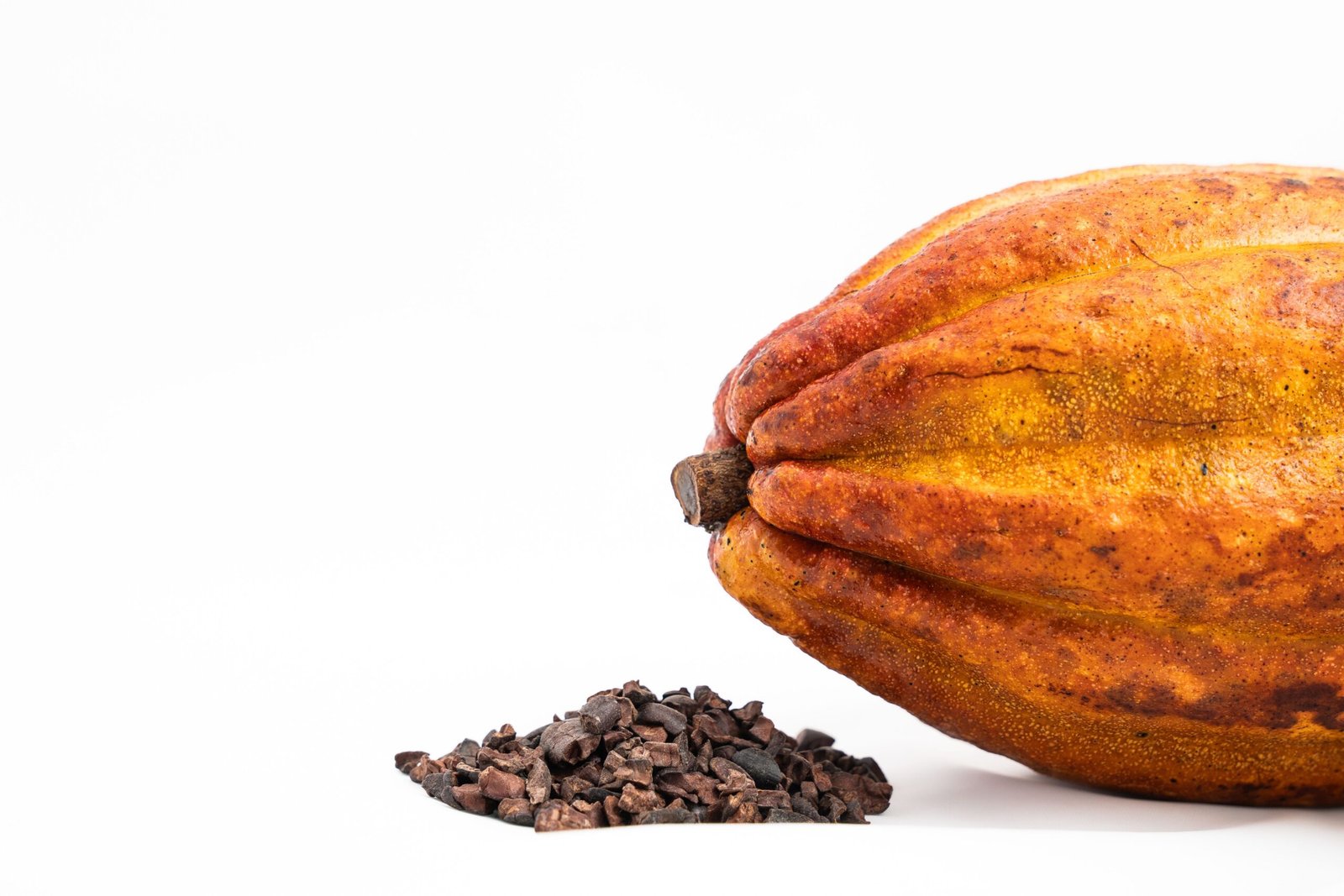
The primary difference between cacao and cocoa comes down to heat. Cacao is made by cold-pressing unroasted beans at low temperatures. That minimal processing helps retain more of the bean’s natural nutrients and enzymes. The result is a slightly bitter product, usually sold as cacao powder, cacao nibs, or cacao butter.
Cocoa, on the other hand, is created by roasting the beans at high temperatures. That heat changes the bean’s molecular structure. It reduces some nutritional content but improves sweetness and smoothness. That’s part of why cocoa shows up so often in traditional chocolate products mixed with sugar and dairy.
There’s also a third category worth knowing: Dutch-processed cocoa. It’s treated with an alkalizing agent to neutralize its natural acidity. That process makes the powder darker and milder in flavor, but it further reduces the antioxidant content compared to natural, unprocessed cocoa.
Nutritional Content: A Cacao vs Cocoa Health Comparison
In the cacao vs cocoa debate, nutrition is where cacao usually comes out ahead. A quarter-cup of organic, minimally processed cacao powder has about 72 calories, 5 grams of protein, 3 grams of fat, and 9 grams of fiber, according to WebMD. It also delivers iron, phosphorus, manganese, magnesium, and potassium in meaningful amounts.
The flavonoids in cacao are where most of the health interest comes from. Research cited by WebMD suggests these compounds help lower blood pressure and improve blood flow to the brain and heart. They may also help prevent blood clots. Antioxidants in cacao may also affect how the body responds to insulin, potentially lowering diabetes risk. Epicatechin, a specific flavonoid found in cacao, has separately been linked to cognitive benefits.
Cocoa, because of its exposure to heat during roasting, contains fewer antioxidants and nutrients than cacao. It still retains some benefits, especially when consumed in its purest, unsweetened form rather than as part of a sugary hot chocolate mix. If a health boost is the priority, cacao is generally the better choice. If taste and texture matter more, cocoa is often easier to work with.
Baking Science: Why Natural and Dutch-Process Cocoa Aren’t Interchangeable
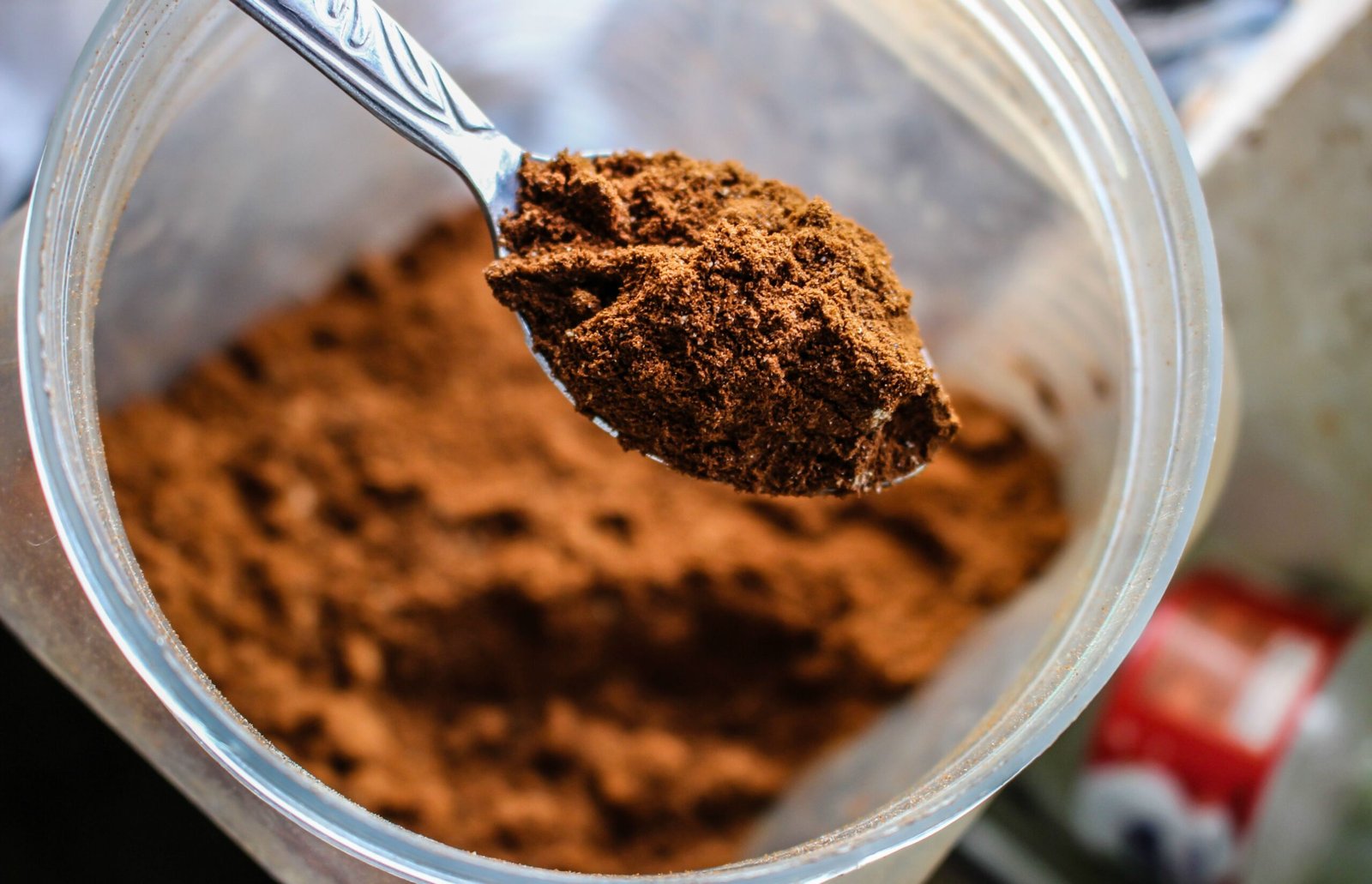
The cacao vs cocoa distinction matters most in the kitchen when a recipe specifies natural versus Dutch-process cocoa. It comes down to chemistry rather than taste. Natural cocoa is acidic and undergoes no alkalizing treatment. When it’s paired with baking soda, the acid-base reaction creates the bubbles that help a cake or cookie rise and spread properly, according to King Arthur Baking.
Dutch-process cocoa works differently. Since its acidity has already been neutralized, it needs baking powder instead. Baking powder contains both an acid and a base, so it can leaven a recipe on its own. Swapping one for the other without adjusting the leavener can cause real problems. Using natural cocoa in place of Dutch-process may leave a recipe lighter in color with a subtle tang. Using Dutch-process in place of natural can leave baked goods dense, or even give them a soapy flavor from unneutralized baking soda.
For recipes calling for more than 3 tablespoons of cocoa, King Arthur recommends adjusting the leavening agents directly. Replace the baking powder with half as much baking soda when substituting natural cocoa for Dutch-process. Or double the baking powder when doing the reverse.
Cacao Powder, Nibs, and Butter: Knowing the Forms
Cacao doesn’t come in just one form, and knowing the difference helps when a recipe calls for a specific one. Powder is made by pressing the fat, or cacao butter, out of roasted or unroasted beans, then grinding what’s left into a fine powder. It’s the form most often swapped in for cocoa powder in recipes.
Cacao nibs are simply crushed pieces of the raw or lightly roasted bean, with nothing removed. They have a crunchy texture and a bitter, coffee-like flavor, and they’re often sprinkled on oatmeal, yogurt, or baked goods rather than dissolved into a batter. Cacao butter is the fat extracted during powder-making. It’s solid at room temperature and shows up in chocolate-making, baking, and even skincare products, since it melts smoothly at body temperature.
Cocoa follows a similar breakdown, but starting from roasted beans: cocoa powder (natural or Dutch-process), cocoa butter, and cocoa mass or liquor, which is the paste left after grinding roasted beans before the fat is separated out. Most bars of chocolate are built from some combination of cocoa mass, cocoa butter, and sugar.
Uses: Baking, Beverages, and Beyond
Both cacao and cocoa have versatile uses, but they typically show up in different settings. Cacao is favored in raw, vegan, and health-conscious recipes. It’s common in smoothies, protein bars, raw desserts, and homemade chocolate with minimal added sweeteners. If you’re blending cacao into smoothies regularly, a solid blender matters more than people expect. Our Ninja smoothie blender guide covers models built for that kind of daily use.
Cocoa is the workhorse of traditional baking, showing up in brownies, cakes, hot chocolate, and commercial chocolate bars. It has a familiar taste and is generally easier to work with in cooked recipes than raw cacao. If you bake with cocoa often, having the right equipment helps consistency. Our guide on what a stand mixer is used for is a useful starting point for anyone upgrading their setup.
How to Substitute Cacao and Cocoa in a Recipe
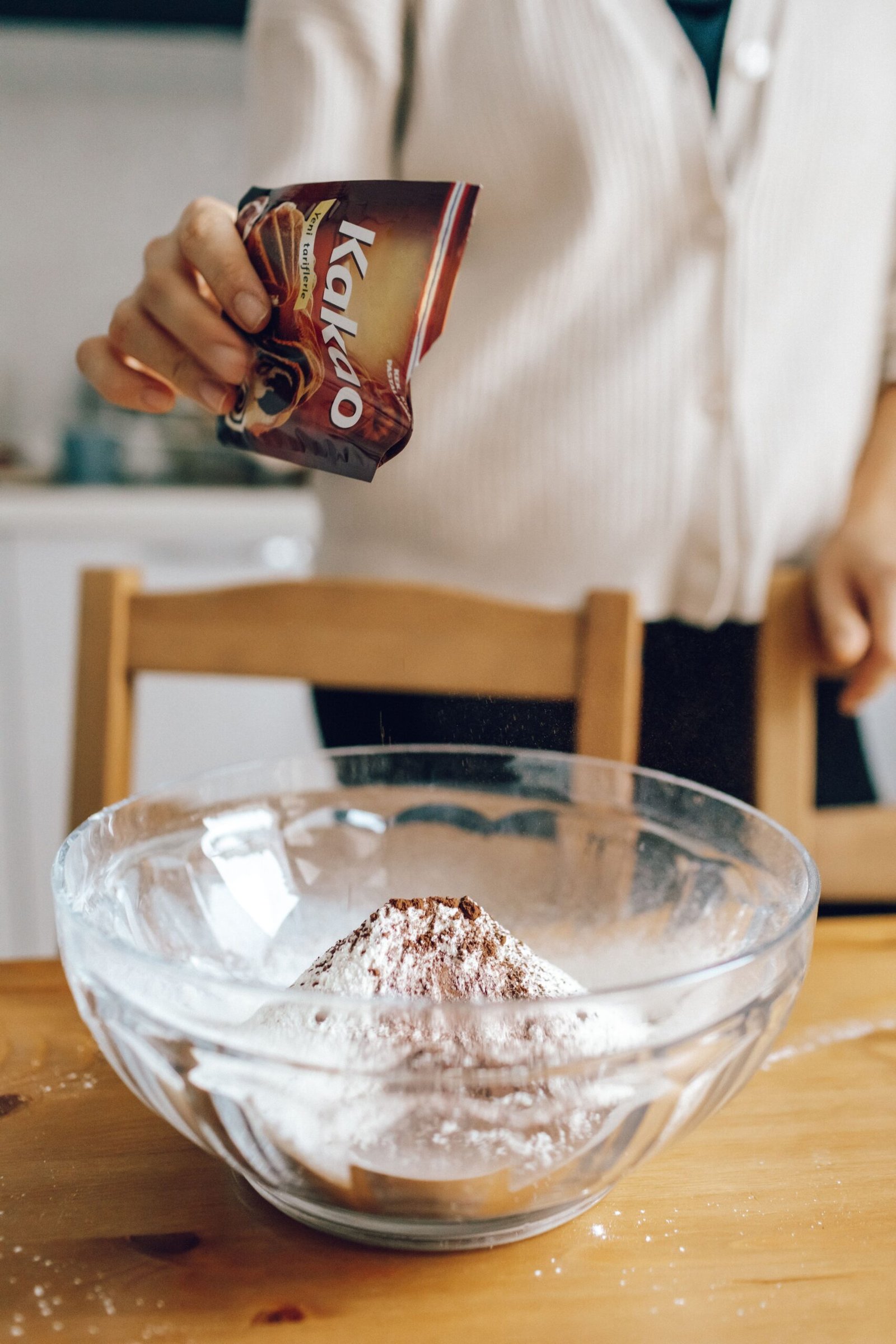
Cacao and cocoa powder can often stand in for each other in a 1:1 ratio by volume, since both start from the same bean. The catch is flavor and acidity. Cacao is more bitter and more acidic than roasted cocoa, so a straight swap can shift both the taste and the rise of a baked good.
For raw recipes like smoothies or no-bake desserts, the swap is usually simple since there’s no leavening chemistry involved. For baked goods, it’s worth paying attention to whether the recipe calls for natural or Dutch-process cocoa in the first place. Adjust the baking soda or baking powder as described above if you’re substituting cacao powder instead.
Sourcing: What “Raw” and “Ethical” Actually Mean
Cacao marketing leans heavily on words like “raw” and “ethically sourced,” and it’s worth knowing what those actually guarantee. “Raw” typically means the beans were processed below a certain temperature, usually cited as around 115°F, to preserve heat-sensitive nutrients and enzymes. There’s no single regulated standard behind the term in the U.S., so it’s worth checking a brand’s own processing claims rather than assuming “raw” always means the same thing.
Fair trade and direct trade certifications are a separate issue from raw versus roasted. They address how farmers are paid and how sustainably the beans are grown, not the bean’s nutrient content. A cacao product can be minimally processed without being fair trade, and vice versa, so read labels carefully if ethical sourcing is a priority alongside nutrition.
Cacao farming is concentrated in a handful of regions, with West Africa producing the majority of the world’s supply and Central and South America remaining the traditional source for many premium and raw cacao brands. Where a product is sourced from can affect both price and traceability, since smaller direct-trade operations are often easier to verify than beans that pass through several intermediaries before reaching a store shelf.
Why the Difference Matters
Understanding the distinction between cacao and cocoa matters for a few practical reasons. Health-conscious consumers can choose cacao for its higher nutrient content and antioxidant levels. Cooks and bakers can lean on cocoa for its familiar flavor, smoother texture, and predictable behavior in recipes that call for a specific type. Anyone looking for minimally processed, sustainably sourced foods may prefer raw cacao as a more ethical and environmentally mindful option. It skips the additional heat-processing step entirely.
Precautions to Keep in Mind
Cacao and cocoa aren’t risk-free for everyone. Both contain caffeine and theobromine, compounds that have been linked to migraines and elevated blood pressure in sensitive individuals. Pregnant women, particularly in the third trimester, should talk to a doctor before adding concentrated cacao products to their diet. Some research points to potential risks worth discussing first.
One precaution applies well beyond the kitchen: theobromine is toxic to dogs and cats, even in small amounts. Keep cacao nibs, cacao powder, and any cocoa-based baked goods stored well out of reach of pets.
Watch: Cocoa vs Cacao Explained
Frequently Asked Questions About Cacao vs Cocoa
Is cacao always healthier than cocoa?
Generally, yes, in terms of raw nutrient content. Cacao retains more antioxidants and flavonoids because it skips the high-heat roasting that cocoa goes through. That said, unsweetened cocoa still offers real nutritional value, especially compared to sugary cocoa-based mixes.
Can I substitute cacao powder for cocoa powder in a recipe?
Usually, at a 1:1 ratio by volume, but expect a more bitter, more acidic result. In recipes with baking soda or baking powder, that added acidity can affect how well the recipe rises.
What’s the difference between natural and Dutch-process cocoa?
Natural cocoa is untreated and acidic, pairing with baking soda for leavening. Dutch-process cocoa is treated with an alkalizing agent, making it darker and milder, and it needs baking powder instead since its acidity has already been neutralized.
Is cacao safe during pregnancy?
Some research suggests potential risks from concentrated cacao products, particularly in the third trimester, largely due to caffeine content. Pregnant women should check with a doctor before adding cacao products beyond typical chocolate consumption.
Why is chocolate dangerous for dogs but cacao is called a superfood for people?
Both cacao and cocoa contain theobromine, a compound humans metabolize efficiently but dogs and cats cannot. The same compound that offers antioxidant benefits to people is toxic to pets, even in small quantities.
Final Thoughts
While both cacao and cocoa stem from the same source, their differences in processing, nutrition, and usage are significant enough to matter in your kitchen. Cacao offers more antioxidants and minerals thanks to minimal processing. Cocoa offers a smoother, more familiar flavor that’s easier to bake with, especially once you understand how natural and Dutch-process versions behave differently with leaveners.
Whether you prefer the rich, familiar flavor of cocoa or the nutrient-dense punch of raw cacao, knowing the distinction lets you make better choices. That’s true both for your health and for how your next batch of brownies turns out.

Hey, My name is MAMON. I am a SEO content creator and affiliate marketer with over 8 years of experience. I create honest product reviews, in-depth buying guides, and practical how-to articles to help readers make informed decisions. My mission is to provide trustworthy, research-backed content that delivers real value.
Leave a Reply