Steamed eggs are one of the simplest and most reliable ways to cook eggs, yet many home cooks never try them. The term covers two different dishes. In American kitchens, it usually means whole eggs cooked in their shells over boiling water as an easier-to-peel alternative to boiling. Across East Asia, it also means a silky, savory egg custard, such as Chinese steamed egg, Korean gyeran-jjim, or Japanese chawanmushi. In this guide, we cover both, with timings, ratios, and step-by-step methods for the stovetop, rice cooker, egg cooker, and microwave.
Key Takeaways
- For hard-cooked steamed eggs, Milk Street steams eggs for 12 minutes over 1 inch of boiling water.
- In Milk Street’s peeling tests, steamed shells slipped off, while boiled shells only cracked.
- For Chinese steamed egg custard, one common ratio is about 1.5 parts water to 1 part beaten egg.
- Gentle heat and a covered bowl give steamed egg custard its smooth, silky texture.
- Electric egg cookers are automated steamers that use the water level as their timer.
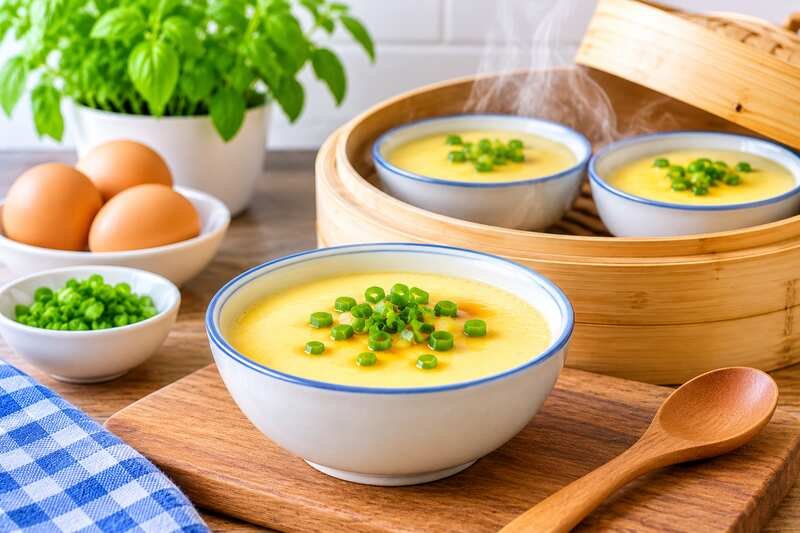
Why Steam Eggs Instead of Boiling Them?
Steaming has become a favorite in test kitchens for one main reason: peeling. In its experiments, Milk Street found that the shells of steamed eggs slipped right off, while boiled eggs’ shells only cracked. It also found that steamed eggs worked better with the viral cup-shake peeling trick.
In addition, steaming offers a few other benefits. First, you need only about 1 inch of water instead of a full pot, so the water heats faster. Second, the eggs go in once the water is already producing steam, which makes timing more predictable. Third, there is less risk of eggs knocking together and cracking in a rolling boil. As a result, steamed eggs are both easier and more consistent for many cooks.
Equipment You Need
You do not need special gear to steam eggs, but a few basics make it easier:
- Saucepan with a tight lid: First, a good lid traps steam and keeps the temperature steady.
- Steamer basket or insert: Next, a collapsible metal basket fits most pots and lifts eggs above the water.
- Heatproof bowls: For custard, use ceramic or glass bowls that can handle steam.
- Fine-mesh strainer: In addition, a strainer gives custard a smooth, glossy finish.
- Tongs or a slotted spoon: Finally, use these to move hot eggs safely into ice water.
If you already own a rice cooker or an electric egg cooker, you may not need a separate basket at all.
How to Steam Whole Eggs on the Stovetop
This method follows Milk Street’s approach for hard-cooked steamed eggs.
- Add water: First, pour about 1 inch of water into a saucepan and set a steamer basket inside. The water should sit below the basket.
- Bring to a boil: Next, cover the pan and bring the water to a boil over high heat.
- Add the eggs: Then carefully place cold eggs in the basket in a single layer using tongs or a spoon.
- Cover and steam: After that, cover the pan and keep the water at a steady boil. Steam for 12 minutes for hard-cooked eggs.
- Cool: Finally, move the eggs to an ice bath or run them under cold water, then peel.
To save time, heat the water in an electric kettle first, then pour it into the pan. Our guide to the best electric kettle compares fast options.
Steamed Egg Timing Guide
| Doneness | Approximate Steam Time (Large Eggs) | Yolk |
|---|---|---|
| Soft | About 6 to 7 minutes* | Runny center |
| Medium | About 8 to 10 minutes* | Jammy |
| Hard | 12 minutes | Fully set |
The 12-minute time comes from Milk Street. *Soft and medium times are our estimates, since steam cooks a little differently from boiling water, so test one egg first.
How to Make Steamed Egg Custard
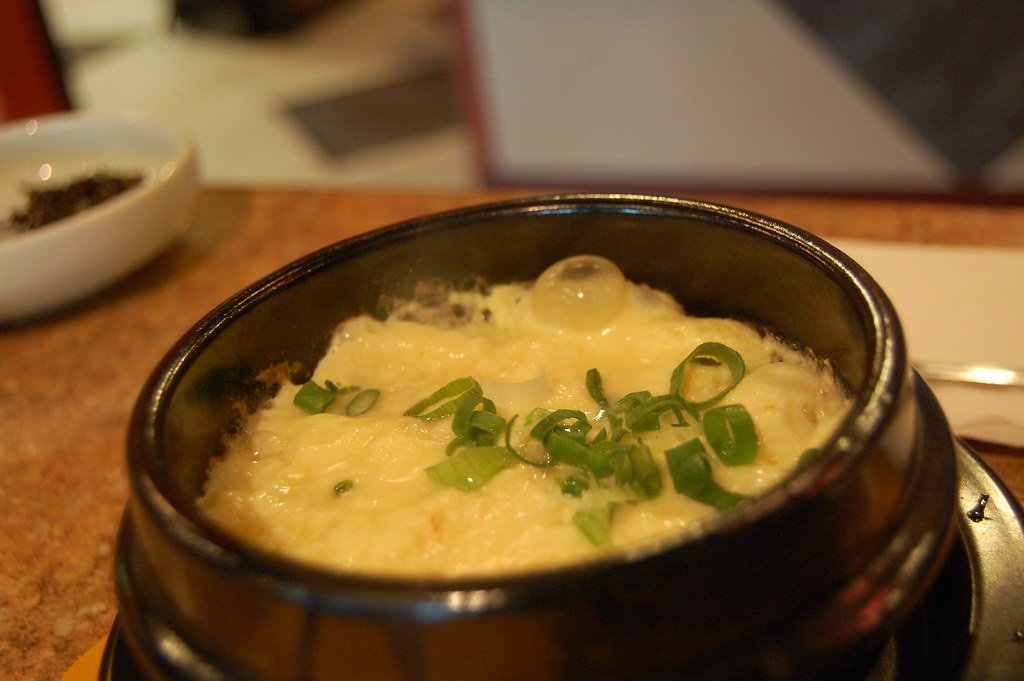
Photo: stu_spivack via Flickr (CC BY-SA 2.0).
The second style of steamed eggs is a savory custard. Chinese steamed egg, sometimes called water egg, is a traditional home dish. According to Wikipedia’s overview, beaten eggs are mixed with water for a more tender texture, and one ratio of water to eggs may be about 1.5 to 1. The mixture is then steamed until just firm, with a silky texture.
Ingredients for 2 Servings
- 2 large eggs (about 100 ml beaten)
- About 150 ml warm water or unsalted broth
- A pinch of salt
- To finish: a few drops of soy sauce, sesame oil, and sliced green onion
Step by Step
- Beat gently: First, beat the eggs with salt until just combined, without making too many bubbles.
- Add liquid: Next, stir in the warm water or broth at about 1.5 times the volume of the eggs.
- Strain: Then pour the mixture through a fine-mesh strainer into a heatproof bowl. This removes bubbles and stringy bits.
- Cover: After that, cover the bowl with a plate or foil so condensation does not drip onto the surface.
- Steam gently: Set the bowl in a steamer over simmering water and cook on low to medium heat until the center is just set and jiggles slightly.
- Finish: Finally, drizzle with soy sauce and sesame oil and top with green onion.
Generally, timing depends on the depth of the bowl, so check after about 10 minutes and continue until the center is set. If the surface looks bubbly or pitted, the heat was too high.
Korean and Japanese Variations
For example, Korean gyeran-jjim is often cooked in a small earthenware pot and puffs up into a fluffy, soufflé-like dome. Japanese chawanmushi, by contrast, is a delicate custard seasoned with dashi and often includes shrimp, chicken, or mushrooms. All three share the same principle: gentle steam and plenty of liquid for a tender texture.
Video: Wei’s Red House Kitchen shows how to make Chinese steamed eggs.
Other Ways to Make Steamed Eggs
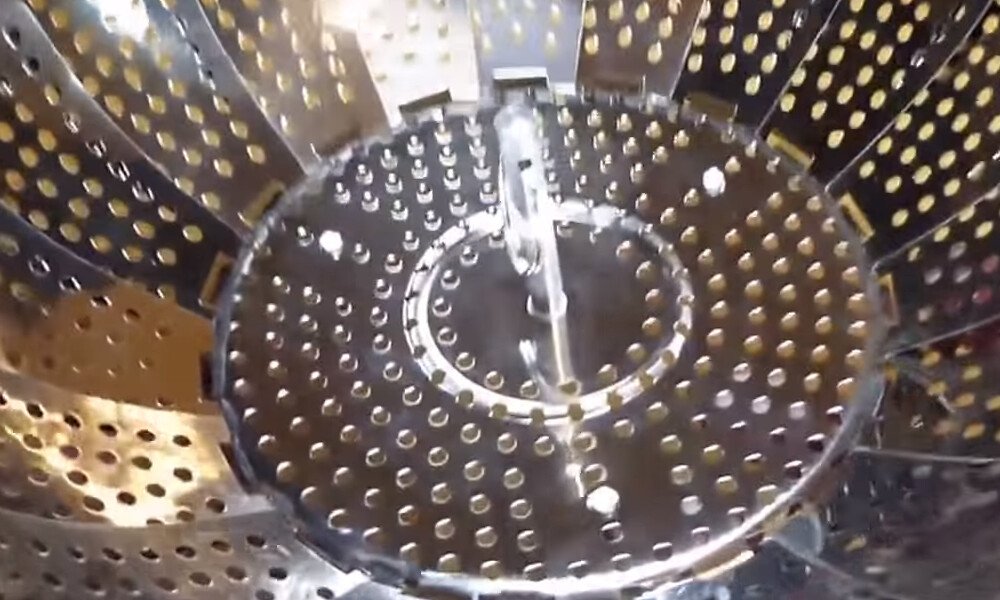
Photo: QuietHut via Flickr (CC BY 2.0).
In a Rice Cooker
Conveniently, many rice cookers come with a steam tray, which makes them ideal for steamed eggs. Add water to the inner pot, set whole eggs or a covered custard bowl in the tray, and run the steam setting. For detailed steps, see our guide on how to steam using a rice cooker. As a bonus, you can steam eggs while your rice cooks.
In an Electric Egg Cooker
Similarly, an electric egg cooker is essentially an automated egg steamer. You pour measured water onto a heating plate, place eggs in a tray above it, and the unit shuts off when the water has turned to steam. Most models also include a poaching tray and an omelet bowl.
In the Microwave
According to Wikipedia, steamed egg custard can also be made in a microwave, though the texture changes. Use a microwave-safe bowl, cover it loosely, and cook on medium power in short intervals. However, never microwave whole eggs in their shells, since steam can build up and make them burst. For more microwave steaming tips, see our guide on how to use a microwave steamer.
With a Bamboo Steamer
Finally, a bamboo steamer set over a wok works well for both whole eggs and custard. The bamboo absorbs some condensation, which helps keep water from dripping onto the eggs.
How Many Eggs Can You Steam at Once?
The answer depends on the size of your basket. A standard collapsible basket in a medium saucepan usually holds about 6 eggs in a single layer, while a wide pot or a large bamboo steamer can hold a dozen. Meanwhile, most single-tier electric egg cookers hold 6 or 7 eggs, and two-tier models hold up to 14. Either way, keep the eggs in one layer for even cooking.
Steamed Eggs vs. Boiled Eggs
| Factor | Steamed | Boiled |
|---|---|---|
| Water needed | About 1 inch | Enough to cover eggs by 1 inch |
| Hard-cooked time | 12 minutes (Milk Street) | About 12 minutes (American Egg Board) |
| Peeling | Easier in Milk Street’s tests | Varies more |
| Cracking risk | Lower, no rolling water | Higher in a hard boil |
| Equipment | Steamer basket | Any pot |
In short, steaming wins on peeling and water use, while boiling needs no special equipment. For most cooks, a simple steamer basket is a worthwhile upgrade.
Tips for Perfect Steamed Eggs
- Use slightly older eggs: For whole eggs, the American Egg Board suggests eggs that are 7 to 10 days old, since very fresh eggs are harder to peel.
- Keep the water below the basket: The eggs should sit in steam, not in water.
- Do not lift the lid often: Each peek lets out steam and slows cooking.
- Use low heat for custard: Gentle steam keeps the texture smooth and prevents bubbles.
- Strain custard mixtures: Straining removes air bubbles and gives a glossy surface.
- Cover custard bowls: A plate or foil stops condensation from dripping onto the eggs.
What to Serve With Steamed Eggs
Traditionally, steamed egg custard pairs with steamed rice; our guide on how to cook brown rice in a rice cooker makes an easy base. Meanwhile, steamed whole eggs work well in salads, grain bowls, and lunch boxes. For a quick vegetable side, try our guide on steaming broccoli in the microwave.
Troubleshooting Common Problems
| Problem | Likely Cause | Fix |
|---|---|---|
| Whole eggs undercooked | Water stopped boiling or lid lifted often | Keep a steady boil and the lid closed |
| Green ring on yolk | Overcooking or slow cooling | Cool in ice water right away |
| Custard full of holes | Heat too high | Lower the heat to a gentle simmer |
| Watery custard surface | Condensation dripping in | Cover the bowl with a plate or foil |
| Custard too firm | Too little liquid or too long | Use about 1.5 parts water and check earlier |
| Pan boiled dry | Too little water for a long steam | Check the level and add hot water if needed |
According to the University of Arkansas Cooperative Extension Service, the green ring forms when sulfur in the white reacts with iron in the yolk. Therefore, prompt cooling is just as important for steamed eggs as for boiled ones.
Flavor Ideas for Egg Custard
Once you master the basic custard, it is easy to change the flavor. For example, replace the water with chicken or vegetable broth for a richer taste. In addition, you can add finely chopped shrimp, minced pork, or shiitake mushrooms before steaming. For a Korean-style version, season with a little salted shrimp or fish sauce and top with scallions. Meanwhile, a Japanese-style custard uses dashi and a splash of soy sauce. Whatever you choose, keep add-ins small, since large pieces can sink and cook unevenly.
Steaming Eggs at High Altitude
Altitude affects steam just as it affects boiling water. According to Colorado State University Extension, water boils at about 203°F at 5,000 feet and about 198°F at 7,500 feet, compared with 212°F at sea level. As a result, the steam is cooler, and eggs take longer to cook. So, if you live at elevation, add a minute or two to the steaming time and test one egg before cooking a full batch.
Meal Prep With Steamed Whole Eggs
Steaming is an easy way to prep eggs for the week. Simply steam 6 to 12 eggs on Sunday, cool them, and store them in their carton in the refrigerator. Then peel each egg only when you are ready to eat it. That way, you have quick protein for breakfasts, salads, and snacks for up to seven days.
Food Safety and Storage
Cook steamed eggs until the whites are firm and opaque. For whole eggs in the shell, the American Egg Board says refrigerated hard-cooked eggs keep for up to one week, while peeled eggs should be eaten the same day. Steamed egg custard is best eaten fresh and warm. If you serve soft yolks or delicate custard to young children, older adults, or pregnant people, consider using pasteurized eggs.
Frequently Asked Questions
How long do you steam eggs for hard-boiled?
Milk Street steams eggs for 12 minutes over 1 inch of boiling water for hard-cooked results.
Are steamed eggs easier to peel?
Yes. In Milk Street’s testing, the shells of steamed eggs slipped off, while boiled eggs’ shells only cracked.
What is the water ratio for Chinese steamed eggs?
One common ratio is about 1.5 parts water to 1 part beaten egg. More liquid gives a softer, silkier custard.
Why are my steamed eggs bubbly or rough?
Usually, the heat was too high or the mixture was not strained. So, steam on low to medium heat and strain the eggs before cooking.
Can I steam eggs without a steamer basket?
Yes. You can set a heatproof plate on a small rack or a ball of foil inside a covered pot. Alternatively, use a rice cooker steam tray or an electric egg cooker.
Should I start with cold or room-temperature eggs?
Generally, use eggs straight from the refrigerator, since the times in this guide assume cold eggs. Room-temperature eggs cook slightly faster, so check them a little earlier.
Can I steam more than one layer of eggs?
It is best to steam eggs in a single layer so steam reaches every egg evenly. If you need more, use a wider pot or a stacked bamboo steamer, and rotate the tiers halfway through.
Is steaming healthier than frying eggs?
Steaming uses no added oil or butter, so steamed eggs have fewer calories than fried eggs made with fat.
Final Thoughts
Steamed eggs deserve a regular spot in your kitchen. For whole eggs, steam for 12 minutes over 1 inch of boiling water and enjoy shells that slip off more easily. For a comforting custard, beat eggs with about 1.5 times their volume of water, strain, cover, and steam gently until just set. Whether you use a saucepan, a rice cooker, or an egg cooker, steaming is one of the simplest ways to get consistent, delicious eggs.

Hey, My name is MAMON. I am a SEO content creator and affiliate marketer with over 8 years of experience. I create honest product reviews, in-depth buying guides, and practical how-to articles to help readers make informed decisions. My mission is to provide trustworthy, research-backed content that delivers real value.
Leave a Reply