Here’s how to maintain a water ionizer machine: rinse the pitcher and check filters daily. Test water pH and ORP monthly. Clean the electrodes with a citric acid cycle every 6 to 12 months, and swap filters on the schedule your manufacturer recommends. Skip these steps for long enough and you’ll notice it first in weaker-tasting water. Eventually the machine stops ionizing properly altogether.
This guide covers the maintenance schedule that actually matters. It also covers how to clean the electrodes safely, what to do about hard water, and when a problem is worth calling a professional for.
Key Takeaways
- Daily care is simple: rinse the pitcher and glance at the filters. Monthly care takes a bit more: test pH and ORP, and inspect filters for wear.
- Clean the electrodes with a citric acid cleaning cartridge every 6 to 12 months. Never run any mode besides the cleaning cycle while the cartridge is installed.
- Replace filters every 6 to 12 months, or when flow noticeably drops, whichever comes first.
- Hard water is the most common cause of scale buildup on the plates. An anti-scale filter or a whole-house softener both help.
- Mayo Clinic notes that alkaline water isn’t proven to be healthier than plain water for most people, and it can pose a real risk for people with kidney disease.
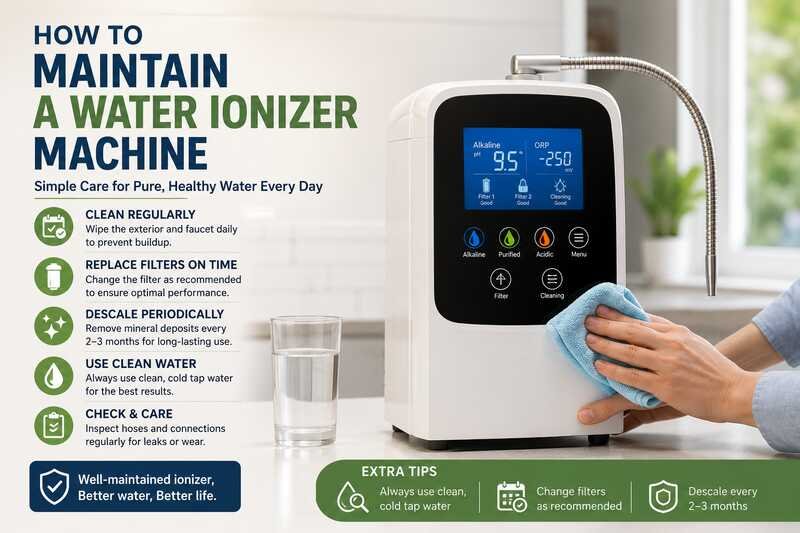
How a Water Ionizer Works
A water ionizer uses electrolysis to split tap water into two streams. Electrochemical plates, usually titanium coated with platinum, carry a current through the water as it passes over them.
One stream comes out alkaline, with a higher pH and more free hydrogen. The other comes out acidic. Most ionizers route the alkaline stream to the drinking spout. The acidic stream goes to a separate tap, often marketed for cleaning or skin care.
Alkaline water typically falls in the 8.5 to 9.5 pH range. Acidic water typically falls between 4.0 and 6.0. These are the general ranges most manufacturers target, though your exact numbers depend on your source water and your machine’s settings. Filtered, un-ionized water sits closer to neutral, around 7.0.
Plate count and material affect how consistently a machine hits those numbers. More plates generally mean more consistent ionization across a wider flow range, which is part of why higher-end machines cost more than entry-level ones. Well-maintained plates on a mid-range machine still outperform neglected plates on an expensive one, though, which is the whole reason maintenance matters as much as the initial purchase. Understanding this process is really the starting point for how to maintain a water ionizer machine well over time.
Daily and Monthly Maintenance
A water ionizer doesn’t need much daily attention, but skipping the little bit it does need adds up fast. This simple routine is really the foundation of how to maintain a water ionizer machine long-term.
Every day, rinse the pitcher with clean water after use. This one habit prevents most of the mineral buildup that makes water taste off over time. While you’re at it, glance at the filters for obvious wear, clogging, or discoloration.
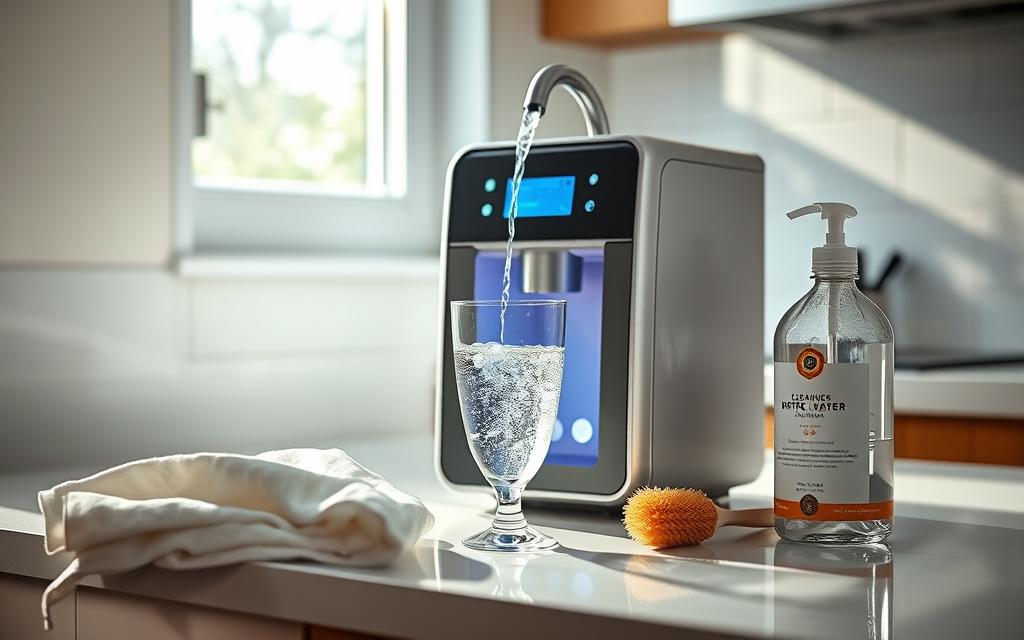
Once a month, go a step further. Test the water’s pH and ORP with reagent drops or a meter. Compare the reading against your machine’s target range. If the numbers are off, check your filters and electrodes before assuming the machine itself has a problem. Most drift in readings traces back to a filter that’s due for a change, or plates that need cleaning, not a mechanical fault.
Filter Replacement: What to Watch For
Most water ionizers use two filters working together. They strip chlorine, sediment, and other contaminants out of your tap water before ionization.
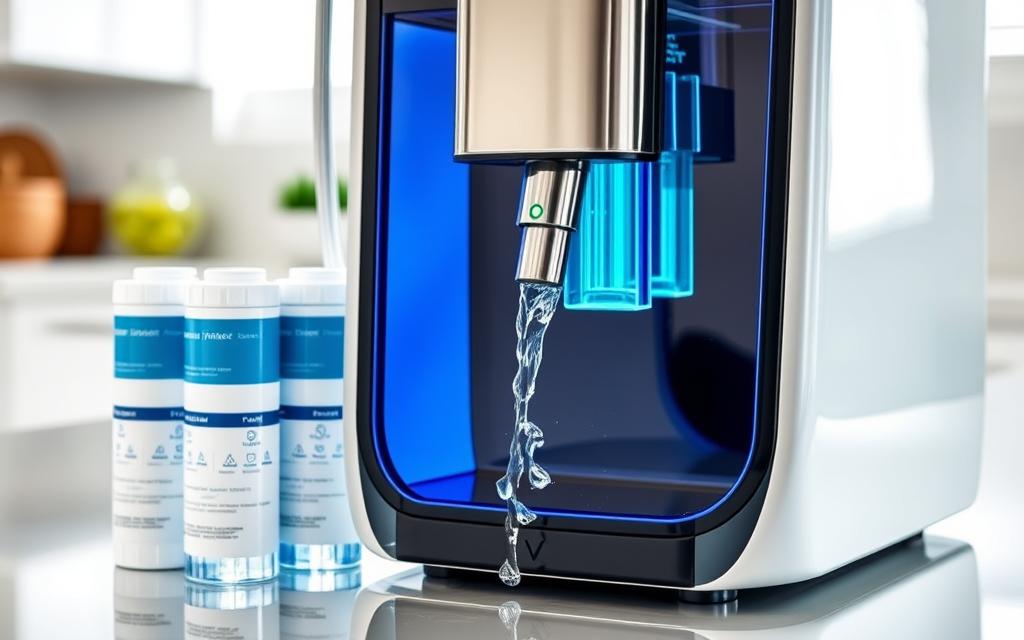
Replace filters every 6 to 12 months as a general rule, but let your actual usage and water flow guide the exact timing. A noticeable drop in flow rate, or water that starts tasting different, both signal a filter that’s reached capacity early. Households on well water or hard municipal water often need to replace filters closer to the 6-month mark. Our full guide on how to replace water ionizer filters walks through the process model by model.
Still deciding which machine to buy? Our guide on how to choose the best water ionizer machine covers filter cost and replacement frequency as part of the buying decision. That ongoing cost varies a lot between brands. Either way, filter care is one of the biggest parts of how to maintain a water ionizer machine over its lifetime.
Cleaning the Electrodes: The Citric Acid Cycle
Minerals from your water build up on the ionizing plates over months of use. That buildup is the single biggest reason an otherwise healthy machine starts ionizing less effectively. Electrode cleaning is the step people skip most often when they’re learning how to maintain a water ionizer machine, even though it matters the most.
Tyent’s cleaning guidance recommends a citric acid cleaning cartridge, run every 6 to 12 months depending on your water source. Power down the unit and swap your second filter for the cleaning cartridge. Then run the machine on its dedicated cleaning mode only, never on a drinking or acidic setting while the cartridge is installed. After the cycle finishes, most manufacturers recommend leaving the unit off for a few hours. Then swap the cleaning cartridge back out for your regular filter.
This video shows what the citric acid cleaning cycle looks like on a real machine:
If plain citric acid cartridges aren’t cutting it, undiluted white vinegar run through a cleaning cycle works as a DIY backup. Follow it with a thorough rinse on the alkaline setting. Whatever solution you use, check your specific manufacturer’s manual first. Running the wrong mode during a cleaning cycle is one of the more common ways people accidentally damage a plate.
Dealing With Hard Water
Hard water is the most common reason a water ionizer needs cleaning more often than the manual suggests. High mineral content in your source water means faster scale buildup on the plates.
Watch for white, crusty residue on the pitcher or the machine’s exterior. A gradual drop in flow rate is another tell, since scale narrows the internal passages the water has to move through.
Dealing with hard water regularly? An anti-scale filter designed for your specific ionizer model slows buildup on the plates significantly. For genuinely hard water, a whole-house water softener addresses the problem at the source, for your ionizer and every other appliance in your home. A softener does add sodium to your water, though. Ask about a potassium-based alternative when you’re shopping for one if that’s a concern.
Storing Your Ionizer When Not in Use
Planning to leave your ionizer unused for more than a couple of weeks? Drain all the water out first, including the pitcher, tubing, and internal lines. Remove the filters once everything is dry. Store them separately in a cool, dry spot rather than leaving them in the machine.
Store the ionizer itself somewhere cool and dry, away from direct sunlight. For anything longer than a month or two of inactivity, check your manual for model-specific guidance. Some manufacturers recommend running one more cleaning cycle before you put the machine away.
Keeping the Exterior Clean
The outside of the machine needs far less attention than the electrodes, but a few habits keep it looking and working right. Wipe the exterior with a soft, damp cloth, and skip harsh chemicals or abrasive pads that can dull the finish. Pay extra attention around the control panel and screen, keeping both dry.
Never submerge the unit or let water run into the housing while you clean it. That’s one of the more common ways people accidentally cause an electrical fault, and it can void your warranty too. A quick wipe-down once a week is usually enough to keep the exterior looking new, and it only takes a minute or two once it becomes part of your routine.
Troubleshooting and When to Call a Professional
Most water ionizer problems have simple fixes you can try yourself first. Check that water pressure falls within your machine’s recommended range. Confirm the filters are seated correctly and aren’t clogged. Verify the electrical connections are secure, and inspect the quick-connect fittings for anything blocking flow.
Some signs point to a problem beyond routine troubleshooting. Persistent error codes are one. A real change in water quality that cleaning and filter changes don’t fix is another. So are unusual noises from the unit. Any of these are reasons to call a professional rather than keep experimenting. On hard water and haven’t had the machine serviced in a while? That’s worth flagging too, since scale problems compound the longer they sit.
As a general rule, a professional inspection every 1 to 2 years catches problems before they become an expensive repair. This matters most if you’re on hard water or use the machine daily. Knowing when to troubleshoot yourself versus call a pro is a core part of how to maintain a water ionizer machine without wasting money on unnecessary service calls.
Is Alkaline Water Actually Healthier?
This is the question most ionizer owners eventually ask. The honest answer is: the evidence doesn’t clearly say yes.
Mayo Clinic notes that alkaline water isn’t proven to be better than plain water for most people. More research is needed before most of the claims made about it can be considered settled. Some limited research suggests a possible benefit for bone health or acid reflux when alkaline water is combined with other dietary changes. That’s a long way from the sweeping health claims often used to sell these machines. Mayo Clinic also flags a real risk: water with a pH above 9.8 can contribute to hyperkalemia, elevated blood potassium. That’s especially dangerous for people with kidney disease.
None of this means a water ionizer is a bad purchase. Plenty of owners simply prefer the taste, and the filtration these machines provide is a genuine benefit regardless of the pH claims. It just means it’s worth keeping expectations grounded in what the research actually supports, rather than in marketing copy.
Putting It All Together
None of these tasks take long, but together they’re what how to maintain a water ionizer machine comes down to: a daily rinse, a monthly water test, filter changes on schedule, and an electrode cleaning cycle once or twice a year. Stay consistent and most machines perform well for a decade or more.
Frequently Asked Questions
How often should I clean my water ionizer’s electrodes?
Every 6 to 12 months for most machines, though households with hard water or heavy daily use often need to clean closer to the 6-month mark. Use a citric acid cleaning cartridge and run only the dedicated cleaning mode.
How do I know when to replace my ionizer’s filters?
Replace filters every 6 to 12 months as a baseline. A noticeable drop in flow rate or a change in taste both mean it’s time sooner. Well water and hard municipal water shorten filter life.
Can I use vinegar to clean my water ionizer?
Undiluted white vinegar run through a dedicated cleaning cycle works as a DIY backup when you don’t have a citric acid cartridge on hand. Always rinse thoroughly on the alkaline setting afterward, and check your manual first, since not every manufacturer recommends it.
Is it safe to drink alkaline water every day?
For most healthy adults, yes, though Mayo Clinic notes it isn’t proven to be healthier than plain water. People with kidney disease should be more cautious, since very high pH water can raise blood potassium to unsafe levels.
Why is my water ionizer showing an error code?
Error codes usually point to a filter, flow, or electrical issue rather than a failed unit. Check your manual for what the specific code means. Then work through basic troubleshooting, water pressure, filter seating, and electrical connections, before assuming you need a repair.
What’s the difference between cleaning the electrodes and washing the machine?
Cleaning the electrodes targets mineral scale on the ionizing plates specifically, using a citric acid cycle. Washing covers the pitcher, exterior, and other surfaces you touch daily. Our guide on washing a water ionizer machine covers that side of things in more detail.
Does hard water shorten a water ionizer’s lifespan?
It can, if scale buildup on the plates goes unaddressed for a long time. Regular electrode cleaning and an anti-scale filter both keep hard water from causing lasting damage, so it’s more of a maintenance issue than an inevitable lifespan problem.
How long does a well-maintained water ionizer actually last?
Most quality machines last 10 to 15 years with consistent care: filter changes on schedule, regular electrode cleaning, and prompt attention to hard water issues. Machines that skip maintenance for years often need major repairs or replacement well before that mark.
Can I install a water ionizer myself, or do I need a plumber?
Many countertop models connect directly to a faucet with no plumbing work required. Under-counter models that tie into your cold water line are more involved, and a lot of owners choose to have those professionally installed to avoid leaks or fitting issues down the road.

Hey, My name is MAMON. I am a SEO content creator and affiliate marketer with over 8 years of experience. I create honest product reviews, in-depth buying guides, and practical how-to articles to help readers make informed decisions. My mission is to provide trustworthy, research-backed content that delivers real value.
Leave a Reply