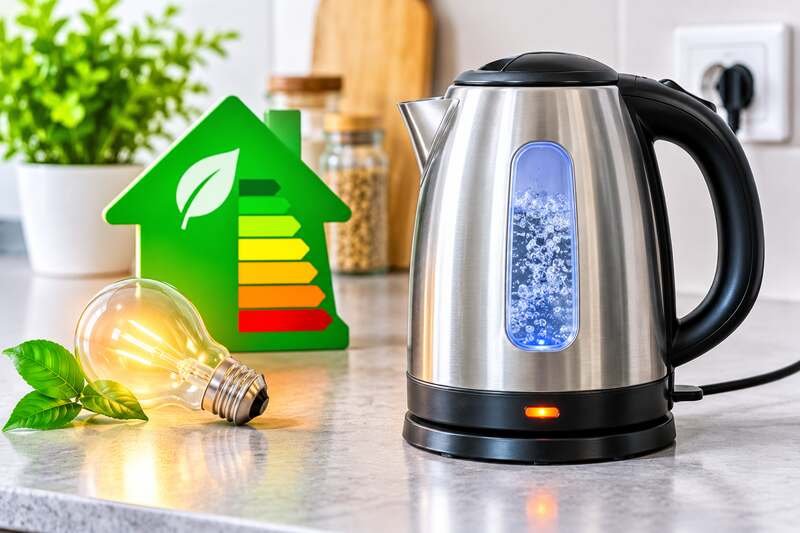
Are electric kettles energy efficient? In most U.S. kitchens, yes. An electric kettle puts its heat straight into the water, so very little energy escapes compared with a pot on a gas burner. However, how you use the kettle matters even more than the kettle itself. Overfilling, reboiling, and long keep-warm holds can waste more energy than the difference between appliances. In this guide, we compare kettles with stovetops and microwaves using ENERGY STAR data, calculate the real cost of common habits at 2026 U.S. electricity prices, and share simple ways to cut energy use.
Key Takeaways
- According to ENERGY STAR, induction cooking is about 85% efficient, while gas cooking is about one-third efficient. Electric kettles share induction’s advantage of heating water directly.
- Boiling 1 liter of water needs about 0.093 kWh of useful energy, which costs roughly 1.7 cents at the EIA’s August 2026 U.S. average of 18.16 cents per kWh.
- Filling a 1.7-liter kettle for a single 8-ounce mug uses nearly seven times the energy you actually need.
- Heating water to 175°F for green tea instead of a full boil uses about 26% less energy.
- Above all, the most efficient kettle habit is simple: boil only what you need.
Are Electric Kettles Energy Efficient? The Short Answer
So, are electric kettles energy efficient compared with other options? Yes, electric kettles are among the most energy efficient ways to heat water at home. The heating element sits inside the kettle, directly under or in contact with the water. As a result, almost all of the heat goes where you want it. In contrast, a gas flame heats the air around the pot as well as the pot itself, and much of that heat escapes into the kitchen.
An ENERGY STAR guide to electric cooking products puts the gap in clear terms: induction cooking is about 85% efficient, while gas cooking is only about one-third efficient. Electric kettles work on the same principle as induction, since both deliver heat directly to the water or the pot rather than through open flame.
How Efficient Are Different Ways to Boil Water?
To answer are electric kettles energy efficient with numbers, we calculated how much energy each one would use to boil 1 liter of room-temperature water. The useful energy needed is about 0.093 kWh, based on the physics of heating water. We then divided by each method’s efficiency.
| Method | Efficiency Used | Energy for 1 Liter | Source of Efficiency |
|---|---|---|---|
| Induction cooktop | About 85% | About 0.11 kWh | ENERGY STAR |
| Electric kettle | About 80% (assumed) | About 0.12 kWh | Our illustrative assumption |
| Gas stovetop | About 33% | About 0.28 kWh equivalent | ENERGY STAR |
We used 80% for the kettle as a cautious illustration, since efficiency varies by model, fill level, and insulation. Even with that conservative number, a kettle uses well under half the energy of a gas burner for the same liter. Keep in mind that gas and electricity are priced differently, so energy use and cost are not always the same comparison.
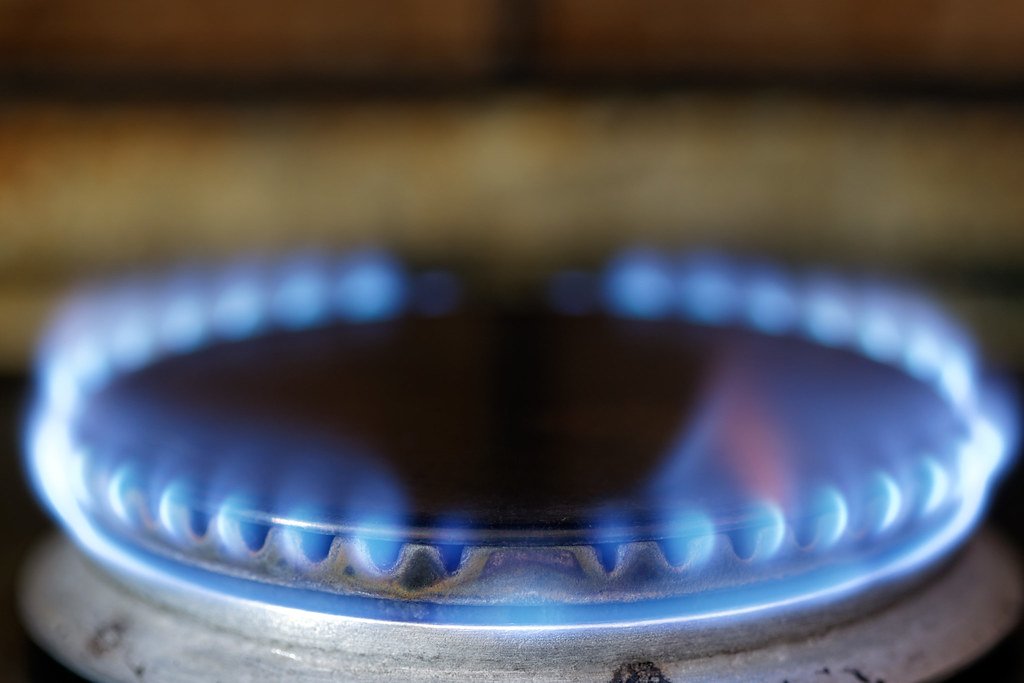
Photo: Ervins Strauhmanis via Flickr (CC BY 2.0).
What About the Microwave?
Microwaves can heat water quickly, especially a single mug. However, they heat unevenly, and the energy that reaches the water depends on the cup, the amount, and the oven. In addition, microwaving water can occasionally superheat it, which means it gets hotter than boiling without bubbling and may erupt when disturbed. For these reasons, most people find a kettle more convenient and predictable for tea and coffee. For a deeper look at microwave energy, see our guide on how much electricity a microwave uses.
Video: Your Energy Answers compares a kettle, microwave, and stove for boiling water.
How Much Energy Does an Electric Kettle Actually Use?
Wattage often makes people ask are electric kettles energy efficient at all. In reality, a kettle draws a lot of power, but only for a few minutes. Therefore, the total energy per use is small. Using the U.S. average residential price of 18.16 cents per kWh for August 2026 from the EIA’s Electric Power Monthly, here is what common amounts cost in ideal conditions.
| Amount | Useful Energy | Cost at 18.16¢/kWh |
|---|---|---|
| 1 mug (8 oz, about 0.24 L) | 0.022 kWh | 0.4¢ |
| 4 cups (1 L) | 0.093 kWh | 1.7¢ |
| Full kettle (1.7 L) | 0.158 kWh | 2.9¢ |
Real costs run somewhat higher because no kettle is perfectly efficient. Still, the numbers show that a single boil costs pennies. As a result, habits that repeat many times a day matter far more than the kettle’s brand.
The Biggest Energy Waste: Overfilling
Even if electric kettles are energy efficient by design, overfilling is the most common way to waste energy with one. Many people fill the kettle to the top for one cup of tea, then let the rest cool down. We calculated the difference:
| What You Need | What You Boil | Energy Used vs. Needed |
|---|---|---|
| 1 mug (0.24 L) | Exact amount | 1x |
| 1 mug (0.24 L) | Half kettle (0.85 L) | About 3.5x |
| 1 mug (0.24 L) | Full kettle (1.7 L) | About 7x |
In other words, boiling a full kettle for one mug uses roughly seven times the energy you need. Over a year, the savings add up. For example, if you boil an extra half liter you do not use twice a day, that is about 34 kWh per year in ideal conditions, or around $6 at the August 2026 average price. Therefore, use the water level marks, or fill your mug with cold water first and pour it into the kettle.
Temperature Control Can Save Energy
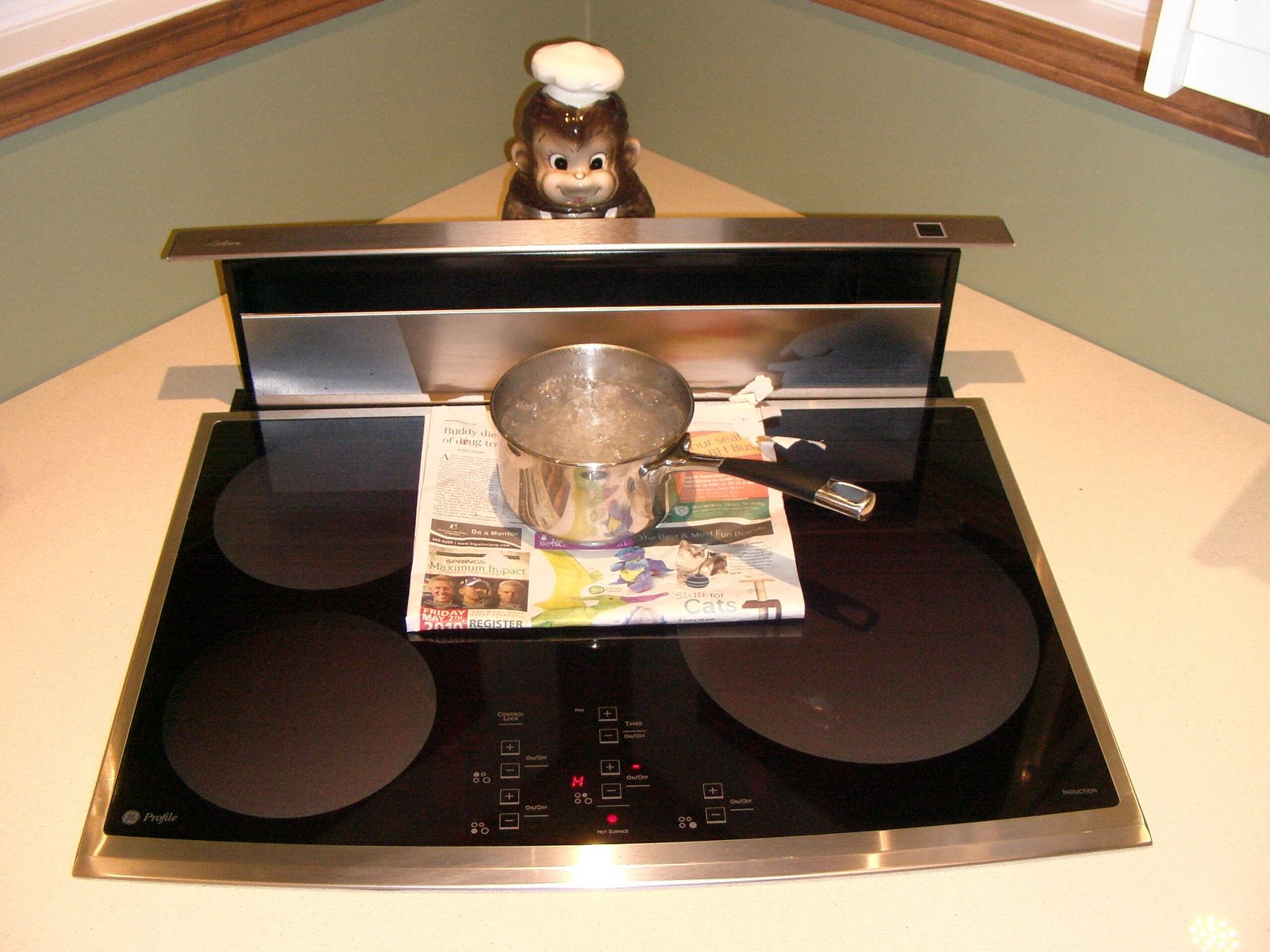
Photo: Wtshymanski via Wikimedia Commons (CC BY-SA 3.0).
Not every drink needs boiling water. Green tea, white tea, and pour-over coffee taste better below a full boil, and lower temperatures also use less energy. We calculated the savings for 1 liter of water starting at room temperature:
| Target Temperature | Common Use | Energy Saved vs. Boiling |
|---|---|---|
| 212°F | Black and herbal tea | None |
| 200°F | Pour-over and French press coffee | About 8% |
| 185°F | White and oolong tea | About 19% |
| 175°F | Green tea | About 26% |
So, if you drink green tea every day, a temperature-control kettle saves energy and improves flavor at the same time.
Annual Energy Example: Kettle vs. Gas Stove
To see the difference over a year, consider a household that boils 1 liter of water three times a day. That is about 1,095 liters per year. Using the efficiencies in our table, here is the approximate annual energy use.
| Method | Energy per Liter | Approximate Annual Energy |
|---|---|---|
| Electric kettle (80% assumed) | 0.12 kWh | About 127 kWh |
| Induction cooktop (85%) | 0.11 kWh | About 120 kWh |
| Gas stovetop (33%) | 0.28 kWh equivalent | About 309 kWh equivalent |
At the August 2026 electricity price, the kettle’s share comes to roughly $23 per year. Meanwhile, the gas stove would burn more than twice as much energy for the same water. However, gas is often cheaper per unit of energy, so compare your own utility rates before drawing cost conclusions.
Are Electric Kettles Energy Efficient for Large Households?
For bigger families, the answer to are electric kettles energy efficient is still yes, as long as the kettle size matches your needs. For example, a 1.7-liter kettle filled once for a family breakfast is very efficient, because almost all the water gets used. In contrast, a small kettle that you refill and reboil several times uses more total energy and time. Therefore, families should choose a full-size kettle and boil once, while singles and couples do better with a 1-liter model and smaller fills.
Common Myths About Kettle Energy Use
- Myth: Kettles are energy hogs. In fact, they draw high power only for a few minutes, so total use is small.
- Myth: Lower wattage saves money. However, a lower-wattage kettle uses about the same energy, just more slowly.
- Myth: Reboiling is free. On the contrary, every reboil uses energy to reheat water that has cooled.
- Myth: Stovetop kettles are greener. Instead, a gas burner typically loses far more heat to the air.
Does Keep-Warm Mode Waste Energy?
Keep-warm mode reheats the water from time to time to hold a set temperature. That uses extra energy, and the total depends on how well the kettle is insulated and how long you hold the water. Generally, double-wall kettles lose heat more slowly, so they need less reheating. However, if you only want one more cup later, it is usually more efficient to boil a small amount fresh when you need it.
Do Electric Kettles Use Standby Power?
Basic kettles with a mechanical switch use essentially no power when they are off. In contrast, digital kettles with displays or touch panels may draw a small amount of standby power while plugged in. The amount is usually tiny compared with the energy used for boiling. Still, if you want to eliminate it, unplug the base or use a switched outlet when you are away for long periods.
How Scale Affects Efficiency
Limescale builds up on the heating plate when you boil hard water. Because scale sits between the element and the water, it can slow heat transfer and make the kettle work harder. Fortunately, regular descaling with vinegar or citric acid keeps the plate clean. If hard water is a constant problem in your home, our guide to water descaler vs. water softener explains your options.
10 Ways to Make Your Kettle More Energy Efficient
- Boil only what you need. First, measure water with your mug or the kettle’s markings.
- Keep the lid closed. Then less heat escapes while the water warms.
- Use lower temperatures when you can. Next, choose 175°F to 200°F for tea and coffee that need it.
- Skip long keep-warm holds. Instead, boil fresh water for later cups.
- Descale regularly. Also, a clean heating plate transfers heat better.
- Avoid reboiling. In addition, pour soon after the kettle clicks off.
- Choose a double-wall model. Similarly, better insulation holds heat longer.
- Use the kettle to speed up cooking. For example, pre-boil pasta water in the kettle instead of on a gas burner.
- Unplug digital models when away. Meanwhile, this removes any standby draw.
- Replace a failing kettle. Finally, a worn element or heavy scale can waste energy over time.
For more ways to cut energy in the kitchen, our guide on how many watts a coffee maker uses covers another daily appliance.
What Makes a Kettle More Energy Efficient?
Not all models are equal, so when you shop, these features help a kettle use less energy over time:
- Concealed heating plate: First, it is easier to keep free of scale.
- Accurate water level marks: Also, they help you fill only what you need.
- Temperature presets: In addition, they let you skip a full boil for tea and coffee.
- Double-wall insulation: Meanwhile, it reduces heat loss during keep-warm.
- Low minimum fill line: Finally, it allows boiling a single mug efficiently.
Our guide to the best electric kettle highlights models with these features.
Quick Energy Checklist for Every Boil
Still wondering, are electric kettles energy efficient in your own kitchen? The answer depends on a few daily habits, so remember these points every time you boil water:
- Measure first: To begin with, pour in only the cups you plan to drink.
- Pick the right temperature: Next, use presets below boiling for green tea and coffee.
- Pour promptly: Then use the water right away instead of letting it cool and reboiling.
- Keep it clean: Finally, descale on a schedule that matches your water hardness.
Together, these habits matter more than any single feature on the box.
FAQ
Are electric kettles energy efficient compared with a gas stove?
Yes. ENERGY STAR estimates gas cooking at only about one-third efficiency, while electric kettles heat water directly with much less heat loss.
Is it cheaper to boil water in a kettle or a microwave?
For more than a mug, a kettle is usually the more efficient and convenient choice. For a single cup, the difference is small, but a kettle heats more evenly.
Does a higher-wattage kettle use more energy?
Not much. It delivers the same energy faster, so the total per liter stays about the same.
How much does it cost to run a kettle for a year?
Boiling 1 liter twice a day uses about 68 kWh per year in ideal conditions, or roughly $12 at the August 2026 U.S. average price. Your cost depends on your local rate and habits.
Should I leave my kettle plugged in?
Basic kettles use almost no power when off. Digital models may use a little standby power, so unplug them if you are away for long periods.
Are electric kettles energy efficient enough to replace the stove for cooking?
For boiling water, yes. In fact, many people pre-boil pasta or potato water in a kettle, then pour it into the pot on the stove, which saves time and energy. However, kettles are designed for water only, so do not cook food in them.
Is an induction cooktop more efficient than a kettle?
They are roughly similar. ENERGY STAR rates induction at about 85% efficiency, and a well-insulated kettle performs in the same general range, so convenience and speed usually decide the choice.
Final Thoughts
So, are electric kettles energy efficient? Yes, they are one of the most efficient ways to heat water at home, especially compared with a gas burner. In short, the kettle puts heat directly into the water, and each boil costs only a few cents. However, your habits matter most. Boil only what you need, use lower temperatures for tea and coffee, skip long keep-warm holds, and descale regularly. With those simple steps, your kettle will stay fast, cheap to run, and easy on your energy bill.

Hey, My name is MAMON. I am a SEO content creator and affiliate marketer with over 8 years of experience. I create honest product reviews, in-depth buying guides, and practical how-to articles to help readers make informed decisions. My mission is to provide trustworthy, research-backed content that delivers real value.
Leave a Reply