

A wooden cutting board with handle does two jobs at once. You can chop on it, then carry it straight to the stove or the table and serve from it. That is why paddle boards have become a favorite for charcuterie, bread, and everyday prep in American kitchens. In this guide, we first explain the different handle styles, the best woods to choose, and how to care for a board that pulls double duty. Then we compare eight boards on Amazon, from budget acacia paddles to handcrafted olive wood.

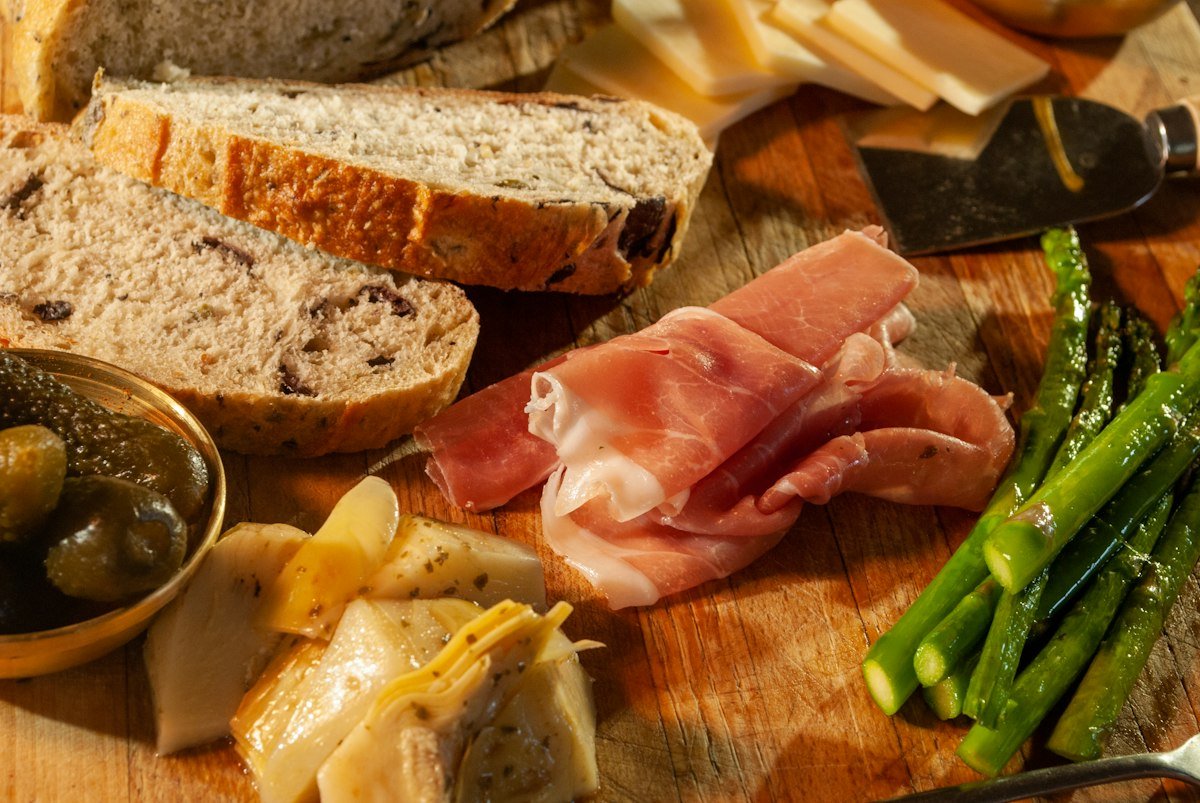
Photo: David B Townsend via Unsplash.
Key Takeaways
- Above all, a handle makes it easy to move chopped food to a pan and to serve straight from the board.
- Paddle boards are usually thinner (about 0.5 to 0.8 inch), so they are lighter but less stable for heavy chopping.
- For wood, hard maple (about 1,450 lbf on the Janka scale) and walnut (about 1,010 lbf) are proven, knife-friendly choices.
- Our top pick is the Home Beets acacia board, rated 4.7 stars from more than 1,600 ratings.
- Finally, keep a separate board for raw meat, and never serve ready-to-eat food on a board that held raw protein without washing and sanitizing it first.
What Is a Wooden Cutting Board With Handle?
A wooden cutting board with handle is any wood board that has a built-in way to grip and carry it. Most people picture a paddle shape, but there are actually three common styles.
| Handle Style | What It Looks Like | Best For | Trade-Off |
|---|---|---|---|
| Paddle handle | A long handle carved from the same piece of wood | Serving, charcuterie, bread | Less cutting area for its length |
| Grip cutouts | Recessed finger slots on the sides | Heavy prep boards | Harder to carry one-handed |
| Short tab with hole | A small handle with a hanging hole | Everyday chopping, wall storage | Short grip |
In this guide, we focus mainly on paddle and tab styles, since those are what most shoppers mean by a cutting board with handle. If you want a thick block with side grips, see our guide to end grain cutting boards instead.
Pros and Cons of a Handled Board
Pros
- Easy transfer. For example, you can tip chopped onions straight into a pan without a second dish.
- Built-in serving tray. As a result, one board handles prep and presentation.
- Simple storage. Most handles have a hole or strap, so the board hangs on a hook.
- Lightweight. Paddle boards are thinner than butcher blocks, so they are easy to lift and wash.
- Looks great. A handled wood board doubles as decor when it is not in use.
Cons
- Less stability. Thin boards can slide or rock during heavy chopping, so put a damp towel underneath.
- Smaller work area. The handle adds length but not cutting space.
- Possible warping. Thinner wood reacts more to moisture, so drying and oiling matter more.
- Not for big roasts. Instead, for carving a turkey, a large board with a juice groove is a better tool.
Best Woods for a Wooden Cutting Board With Handle
The wood decides how the board treats your knives and how it holds up to washing. Here is how the most common species compare, from hardest to most decorative:
- Hard maple. At about 1,450 lbf on the Janka hardness scale, maple is firm, tight-grained, and light in color. As a result, it is the classic American board wood.
- Black walnut. At about 1,010 lbf, walnut is softer and very gentle on knives. Its dark color also hides stains well.
- Acacia. In fact, this is the most common wood for paddle boards. Also, it is hard, water-resistant, and affordable, with bold grain patterns.
- Olive wood. Dense and beautiful, olive wood shows dramatic swirls. However, it costs more and every piece looks different.
- Teak. Teak’s natural oils help it resist moisture, though it contains silica that can dull knives slightly faster.
For a deeper look at each species, however, read our guide to the best wood for cutting boards. Also, avoid softwoods such as pine, since they scar and dent quickly.
Prep Board vs. Serving Board: What’s the Difference?
Many handled boards are sold as “cutting boards serving trays,” and in practice the line is blurry. Still, a few details tell you what a board is really built for.
| Feature | Prep-Focused Board | Serving-Focused Board |
|---|---|---|
| Thickness | 0.75 inch or more | 0.25 to 0.75 inch |
| Surface | Flat, often reversible | May have live edge or carved details |
| Handle | Short and sturdy | Long and decorative |
| Finish | Mineral oil | Oil and wax for shine |
For example, the Berard olive board is only about 1/4 inch thick, which makes it a lovely server but a light-duty cutting surface. By contrast, the Labell maple board is about 0.75 inch thick and handles daily chopping well.

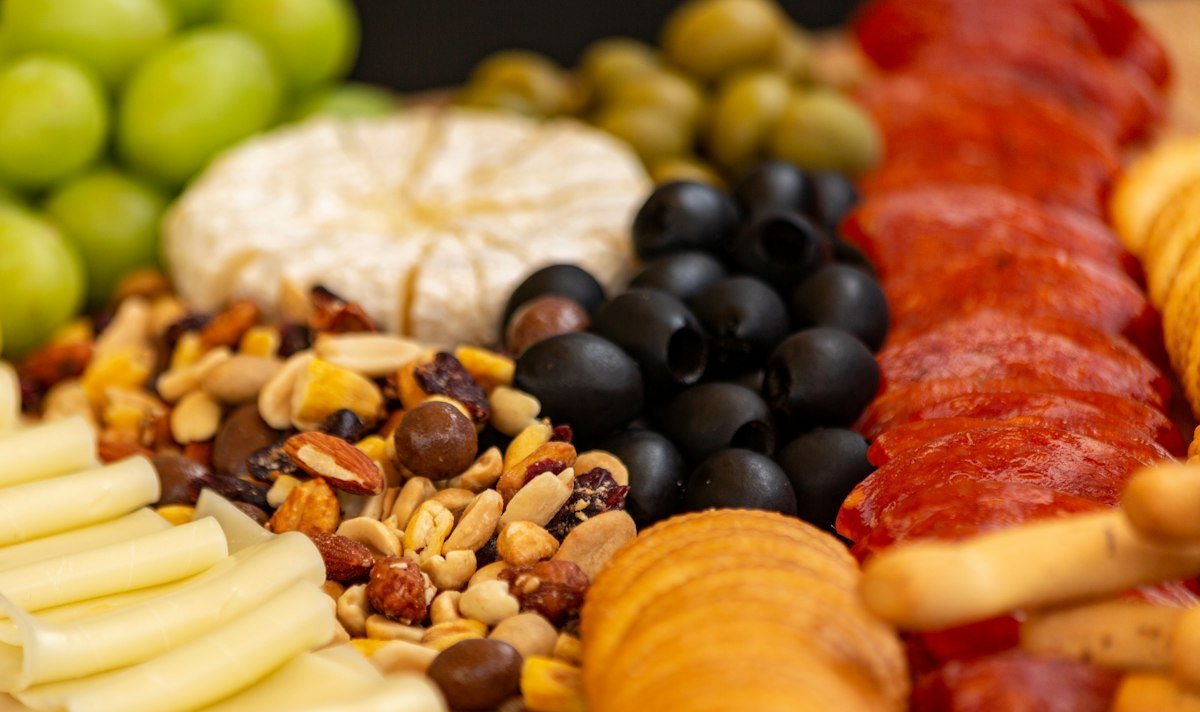
Photo: Ricardo IV Tamayo via Unsplash.
8 Best Wooden Cutting Boards With Handles
Specifically, we picked these boards based on wood type, thickness, handle design, and verified Amazon ratings. Ratings were checked in November 2026, so they may change over time. Also, none of these boards appear in our other roundups.
1. Home Beets Acacia Wood Cutting Board With Handle


Image: Amazon
Best overall. This is the most-reviewed board on our list, and it covers both prep and serving well. It is made from heavy-duty acacia, and the long, ergonomic handle makes it easy to carry from the kitchen to the table or the grill. In addition, its rustic farmhouse finish looks good on the counter between meals. Home Beets is a U.S.-founded brand that started in 2021.
- Wood: Acacia
- Handle: Long, ergonomic carry handle
- Use: 2-in-1 cutting and serving board
- Rating: 4.7 stars from 1,670 ratings
Good to know: Like any acacia board, hand wash it and oil it regularly to prevent drying.
2. The Scandifornian Walnut Paddle Board With Handle (26 x 16)


Image: Amazon
Best walnut board. If you want a darker, knife-friendly wooden cutting board with handle, and plenty of room, this is our pick. Each board is handcrafted from two or three walnut planks joined into an extra large 26 x 16-inch paddle. In addition, it is finished with tung oil and no shellac or varnish, so the surface keeps a natural, slightly rustic feel. As a result, it works as both a big prep board and a show-stopping serving platter.
- Size: 26 x 16 inches (paddle shape)
- Wood: Walnut
- Finish: Tung oil, no shellac or varnish
- Rating: 4.2 stars from 44 ratings
Good to know: At this size, measure your counter and sink first, and re-oil it regularly with a food-safe oil.
3. 17-Inch Acacia Wood Cutting Board With Handle (17 x 10)


Image: Amazon
Best acacia prep board. This 17 x 10-inch board gives you more cutting space than most paddle boards. The listing describes it as dense and nicely weighted, so it does not shift or bounce while you chop. Moreover, the hand-sanded surface is easy on knife edges, and the rustic farmhouse finish looks good on display.
- Size: 17 x 10 inches
- Wood: Food-grade acacia
- Features: Handle, hand-sanded surface
- Rating: 4.6 stars from 973 ratings
Good to know: Because it is heavier than thin paddles, carry it with two hands when it is fully loaded.
4. Labell Reversible Canadian Maple Board With Handle (18 x 10)


Image: Amazon
Best large maple board. Most handled boards are narrow, but this one gives you 18 x 10 inches of reversible maple. As a result, that extra width makes it practical for real meal prep, not just serving. In addition, light-colored maple is a classic look in American kitchens.
- Size: 18 x 10 x 0.75 inches
- Wood: Canadian maple
- Features: Reversible, flat paddle
- Rating: 3.7 stars from 250 ratings
Good to know: Its rating is lower than others on our list, so inspect it on arrival and oil it well before first use.
5. Totally Bamboo Rock & Branch Acacia Serving Paddle


Image: Amazon
Best serving paddle. At 15-1/2 inches long, this paddle reaches across a table easily, which is ideal for passing appetizers. Also, it is made from acacia and comes with a sturdy hang tie. As a result, it can live on your wall between parties.
- Length: 15.5 inches
- Wood: Acacia
- Features: Hang tie, long handle
- Rating: 4.5 stars from 74 ratings
Good to know: It is designed mainly for serving, so use a thicker board for heavy chopping.
6. Berard Handcrafted Olive Wood Board With Handle (11 Inch)


Image: Amazon
Best olive wood board. Berard handcrafts this small board from olive wood sourced from sustainably managed forests. In addition, it comes with a satin finish of mineral oil and beeswax, plus a hole and strap for hanging. Therefore, it is a lovely gift or a board for cheese, herbs, and garlic.
- Size: About 11-2/7 x 5-2/3 x 1/4 inches
- Wood: Olive wood
- Finish: Mineral oil and beeswax
- Rating: 4.6 stars from 63 ratings
Good to know: However, at only 1/4 inch thick, it is best for light tasks and serving.
7. Orchard Hardwoods Handmade Olive Wood Board With Handle (16 Inch)


Image: Amazon
Best charcuterie board. First of all, each board is cut from a single 0.8-inch slice of solid olive wood. According to the listing, the wood comes from aged, non-bearing olive trees in Tunisia, and artisans there handcraft each piece. Because every slab is unique, no two boards look the same.
- Size: About 16 x 5 to 7 inches (other sizes from 12 to 28 inches)
- Wood: Solid olive wood, unstained
- Features: Natural edges, one-of-a-kind grain
- Rating: 4.3 stars from 88 ratings
Good to know: Dimensions are approximate, so your board’s width may vary.
8. Cole & Mason Barkway Medium Chopping Board With Handle


Image: Amazon
Best short-handle design. Cole & Mason is a British brand best known for salt and pepper mills. This acacia board has a short handle with a hole, so it stays compact on the counter and hangs neatly. Overall, it works for vegetables, fish, fruit, and cheese.
- Wood: Acacia
- Features: Short handle, hanging hole
- Care: Hand wash only
- Rating: 4.1 stars from 108 ratings
Good to know: A short handle is easier to store but gives you less leverage when carrying.
Comparison Table
| Board | Wood | Size (inches) | Best For | Rating |
|---|---|---|---|---|
| Home Beets | Acacia | Large, long handle | Everyday use | 4.7 (1,670) |
| The Scandifornian | Walnut | 26 x 16 | Knife-friendly prep | 4.2 (44) |
| 17-inch acacia | Acacia | 17 x 10 | Everyday prep | 4.6 (973) |
| Labell | Maple | 18 x 10 x 0.75 | Larger prep | 3.7 (250) |
| Rock & Branch | Acacia | 15.5 long | Serving | 4.5 (74) |
| Berard | Olive | 11 x 5.7 x 0.25 | Gifts, cheese | 4.6 (63) |
| Orchard Hardwoods | Olive | 16 x 5 to 7 x 0.8 | Charcuterie | 4.3 (88) |
| Cole & Mason | Acacia | Medium | Compact storage | 4.1 (108) |

Video: F.N. Sharp shows how to clean and oil an acacia cutting board.
How to Use a Handled Board for Serving
A wooden cutting board with handle shines when guests arrive. So, here are a few ways to get the most from it:
- Build a charcuterie paddle. Start with cheeses, then add cured meats, fruit, nuts, and crackers to fill the gaps.
- Serve bread warm. Slice a loaf on the board, then carry it straight to the table with a dish of olive oil.
- Use it as a pizza peel for serving. After all, a long paddle makes it easy to present and slice homemade pizza.
- Add a liner for wet foods. Similarly, for juicy fruit or pickles, a piece of parchment keeps moisture off the wood.
When the board is part of your table decor, a cutting board organizer or a simple wall hook keeps it on display between meals.
Food Safety Tips for Prep-and-Serve Boards
Because the same board often moves from prep to the table, food safety deserves extra attention. FoodSafety.gov recommends using separate cutting boards for raw meat, poultry, seafood, and eggs, and keeping them apart from foods that will not be cooked. In practice, that means:
- Assign roles. For instance, use your handled wood board for bread, cheese, fruit, and cooked foods. Then keep a plastic board for raw meat.
- Wash before serving. If the board was used for raw protein, wash and sanitize it before any ready-to-eat food touches it.
- Do not let food sit too long. Perishable charcuterie should not sit at room temperature for more than 2 hours, or 1 hour above 90°F.
For step-by-step methods, also see our guides on how to disinfect cutting boards and how to prevent cross contamination with cutting boards.
How to Care for a Wooden Cutting Board With Handle
Thin paddle boards react to moisture faster than thick blocks, so good care makes a big difference. Follow this routine:
- Hand wash only. Use warm, soapy water and a soft brush, then rinse quickly.
- Never soak it. Otherwise, standing water can warp thin wood and crack the handle.
- Dry right away. Towel-dry both faces, then hang it or stand it upright.
- Oil it monthly. Rub in food-grade mineral oil until the wood stops absorbing it. John Boos recommends oiling a wood board regularly so it does not dry out and crack.
- Add wax for shine. Then, a board cream with beeswax adds a light seal, which helps serving boards look polished.
Pay extra attention to the handle. It is usually the thinnest part, so it dries out first. For a full walkthrough, also read our guide on how to take care of a wooden cutting board.

Photo: engin akyurt via Unsplash.
Wooden Cutting Board With Handle vs. Without: Which Should You Buy?
Both styles have a place in the kitchen, so the right choice depends on how you cook. Here is a quick side-by-side to help you decide.
| Factor | With Handle | Without Handle |
|---|---|---|
| Carrying food | Easy, one hand | Needs two hands |
| Serving | Doubles as a tray | Less presentable |
| Stability | Lighter, may slide | Heavier, stays put |
| Cutting area | Smaller for its length | Uses full footprint |
| Storage | Hangs on a hook | Needs a rack or shelf |
In short, a wooden cutting board with handle is the better choice if you entertain often, cook small meals, or want one board for prep and serving. On the other hand, a heavy board without a handle is better for large roasts, big batches of vegetables, and anyone who chops hard every day. For that kind of work, our guide to the best large wooden cutting board options is a better fit. Many cooks own one of each, since together they cover almost every task.
Gift Ideas: Who Should Get a Handled Board?
A wooden cutting board with handle is one of the most popular kitchen gifts, because it looks good and gets used often. Here is how to match a board to the person:
- The host who loves charcuterie. In that case, a long olive wood paddle like the Orchard Hardwoods board makes a striking centerpiece.
- The new homeowner. Similarly, a practical acacia board like the Home Beets covers daily prep and serving.
- The serious home cook. For someone who cares about knives, a large walnut paddle such as The Scandifornian is a thoughtful pick.
- The minimalist. Meanwhile, a small Berard olive board looks elegant and takes up almost no space.
To make it extra special, pair the board with a bottle of food-grade board oil and a short care card. That way, the gift lasts for years instead of drying out in a cabinet.
How to Choose the Right Board
- Decide on the main job. For example, for daily chopping, choose a board at least 0.75 inch thick. For serving, thinner boards are fine.
- Check the cutting area. Listings often include the handle in the length, so look at the width and the board area.
- Pick the wood. Maple and walnut are knife-friendly classics, acacia is a strong budget choice, and olive wood is the showpiece.
- Look at the handle. A long handle is easier to carry, while a short tab saves space.
- Consider storage. If drawer space is tight, a hanging hole or strap lets the board live on a wall hook.
- Think about size. For apartments, a compact board makes sense. Also, our list of small cutting boards for kitchen use has more ideas.
Common Mistakes to Avoid
- Using it as your only board. After all, a thin paddle cannot replace a sturdy prep board for big jobs.
- Carrying heavy loads by the handle. Instead, support the board from underneath when it is fully loaded.
- Putting it in the dishwasher. In fact, heat and long water exposure warp thin wood quickly.
- Skipping oil. Dry wood cracks, especially at the narrow neck of the handle.
- Serving on a board that held raw meat. Instead, always wash and sanitize first, or use a different board.
Can You Make Your Own?
Yes. In fact, a paddle board is a great beginner woodworking project, because it needs only one glue-up or a single wide plank. First, you simply trace a handle shape, cut it with a jigsaw or band saw, and round the edges. Then sand and oil it like any board. For details, our step-by-step guide on how to make a cutting board covers wood choice, glue, sanding, and finishing.
FAQ
Is a wooden cutting board with handle good for chopping?
Yes, as long as it is at least about 0.75 inch thick. However, thinner paddle boards are better for serving and light slicing.
What is the best wood for a cutting board with handle?
In general, hard maple and walnut are the most knife-friendly. Acacia is a strong, affordable option, while olive wood is prized for its looks.
Can I cut raw meat on a paddle board?
You can, but it is safer to use a dedicated plastic board for raw meat. If you do use a wooden cutting board with handle for meat, however, wash and sanitize it right after.
How often should I oil a handled board?
About once a month, or whenever the wood looks dry or pale. Pay special attention to the handle.
Are cutting boards and serving trays the same thing?
Not exactly. Many handled boards work as both, but serving trays are often thinner and more decorative, while cutting boards are flatter and sturdier.
Why is my paddle board warping?
Usually because it dried unevenly. For instance, leaving one face wet or soaking the board causes one side to swell. So, dry both faces right away and oil it regularly.
How thick should a paddle cutting board be?
For chopping, aim for about 0.75 inch or more. For serving only, 0.25 to 0.5 inch is fine, since thin boards are lighter to carry around the table.
Can I put a cutting board with handle in the dishwasher?
No. Wood should always be washed by hand. Otherwise, the heat and long water exposure in a dishwasher can warp the board and crack the narrow handle.
Final Thoughts
A wooden cutting board with handle is one of the most useful tools in a kitchen, because it moves easily from prep to presentation. Overall, for most people, the Home Beets acacia board is the best all-around value. However, if you want a darker, knife-friendly option, go with The Scandifornian walnut paddle. Finally, for a showpiece on the table, olive wood from Berard or Orchard Hardwoods is hard to beat. Whichever you choose, hand wash it, dry it fast, and oil it often, and it will serve you for years.
Looking for a full overview of board materials? If so, our main guide to cutting boards that are the safest and healthiest is a great next read.


Hey, My name is MAMON. I am a SEO content creator and affiliate marketer with over 8 years of experience. I create honest product reviews, in-depth buying guides, and practical how-to articles to help readers make informed decisions. My mission is to provide trustworthy, research-backed content that delivers real value.