
What does anodized cookware mean? It’s aluminum cookware that has been run through an electrochemical process called anodizing, which thickens the metal’s natural oxide layer into a hard, non-reactive surface. That single step is why anodized pots and pans show up so often on “best cookware” lists: the oxide layer resists scratches, won’t react with tomatoes or wine, and conducts heat more evenly than plain aluminum or stainless steel.
Anodized cookware, and especially hard-anodized cookware, has largely replaced plain aluminum on store shelves because it fixes aluminum’s biggest weaknesses: it scratches less, it doesn’t leach into food the way bare aluminum can, and it holds up to daily use for years. Below, we’ll cover how the anodizing process works, how “anodized” differs from “hard-anodized,” what the research says about safety, and how to decide whether it belongs in your kitchen.
Key Takeaways
- Anodized cookware is aluminum that’s been electrochemically treated to grow a thicker, harder aluminum oxide layer, typically 20 to 50 microns thick on hard-anodized pieces, roughly the hardness of sapphire.
- The FDA has not classified properly manufactured anodized aluminum cookware as unsafe; its lead-related warnings target specific uncoated imported aluminum and brass cookware, not anodized products from established brands.
- A peer-reviewed leaching study found metal migration from anodized aluminum cookware was comparable to stainless steel under normal cooking conditions, though acidic foods and very old, worn pans increase leaching risk.
- Most anodized cookware should be hand washed. Dishwasher detergent is alkaline enough to dull the finish and wear down the oxide layer over repeated cycles, even on pieces labeled dishwasher-safe.
What exactly is anodized cookware?
Anodized cookware is aluminum cookware that has gone through anodizing, an electrochemical process that thickens and hardens the aluminum oxide layer already present on the metal’s surface. Manufacturers submerge the aluminum piece in an acidic electrolyte bath, usually sulfuric acid, then pass an electrical current through it. The aluminum becomes the anode in that circuit, and the current converts the outer layer into aluminum oxide in a much thicker, more controlled way than the thin film that forms naturally when aluminum is exposed to air.
That oxide layer is the whole point. It’s chemically inert, meaning it won’t react with the acids in tomatoes, wine, or citrus the way uncoated aluminum can, and it’s dramatically harder than the base metal underneath.
Anodized vs. hard-anodized: what’s the difference?
Part of what makes “what does anodized cookware mean” a confusing question is that you’ll see two related terms on cookware packaging. “Anodized” is the general category. “Hard-anodized” is a more intensive version of the same process, run at higher voltage, lower bath temperature, and for a longer duration, which produces an oxide layer several times thicker than standard anodizing. That layer typically measures 20 to 50 micrometers, and it approaches the hardness of sapphire, well beyond stainless steel. Nearly all cookware marketed as “anodized” in U.S. big-box and online stores today is actually hard-anodized aluminum, often with a nonstick coating applied over the hardened surface for easier release.
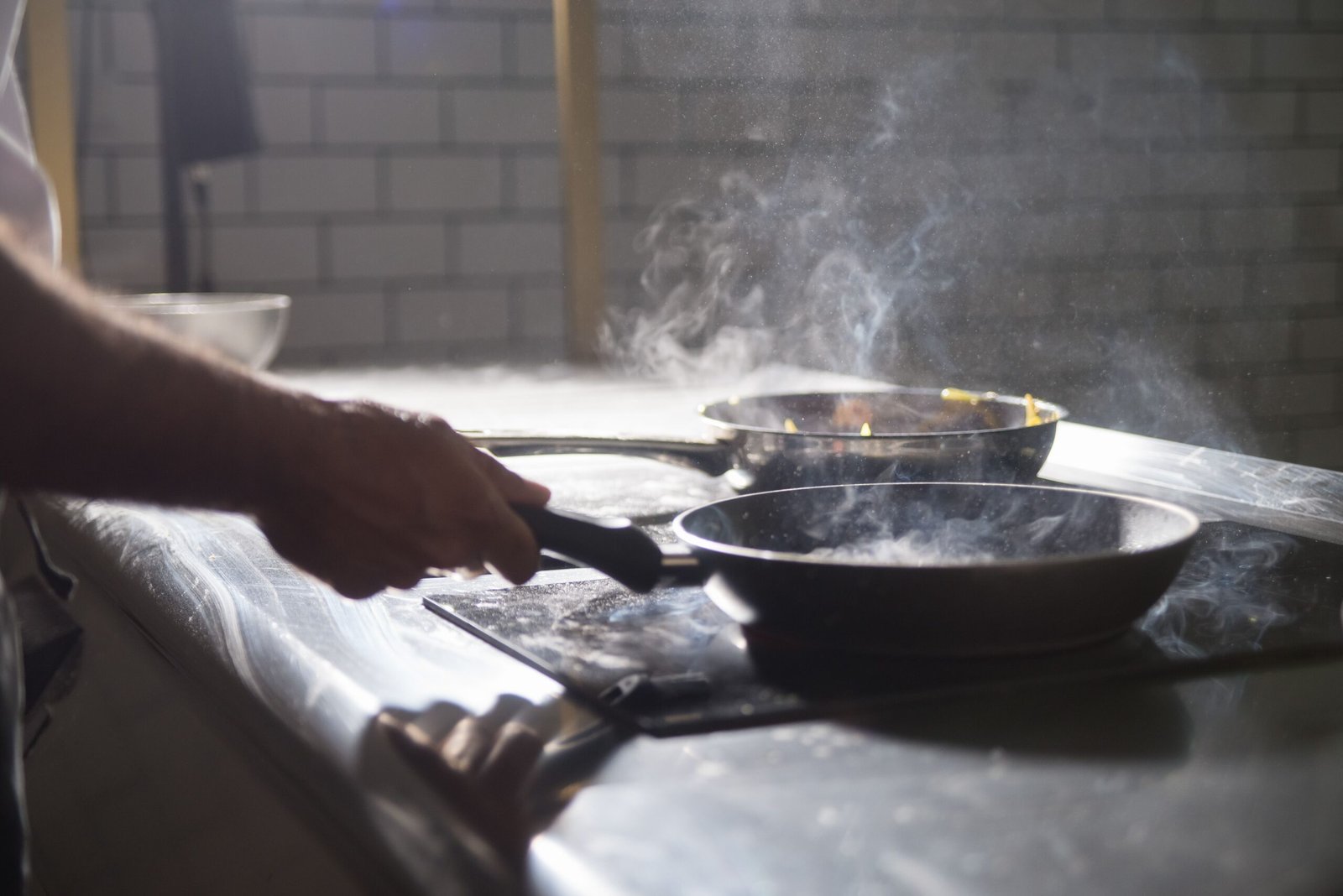
How anodized cookware is made
The manufacturing process follows a consistent sequence across most cookware brands:
- Pre-treatment: The raw aluminum piece is cleaned of oils, dust, and surface impurities so the oxide layer forms evenly.
- Anodizing bath: The piece goes into a chilled sulfuric acid electrolyte and a direct current is applied. Hard anodizing runs at higher voltage and a near-freezing bath temperature to control how thick the oxide grows.
- Oxide growth: Aluminum at the surface oxidizes into a porous layer of aluminum oxide that bonds directly to the base metal rather than sitting on top like a coating.
- Sealing: The porous layer is sealed, often with heat or steam, to close the microscopic pores and lock in corrosion resistance.
- Coating (optional): Many makers add a nonstick coating over the hardened surface, combining hard-anodized durability with easier food release.
Because the oxide layer grows out of the aluminum itself rather than being sprayed or bonded on, it doesn’t peel or flake the way some nonstick coatings eventually do.
Benefits of anodized cookware
It’s durable and scratch-resistant
The hardened oxide layer is what gives anodized cookware its reputation for lasting years rather than seasons. That layer is significantly harder than the aluminum underneath, so anodized pans resist the dents, warping, and surface scratches that shorten the life of cheaper cookware, provided you skip metal utensils and abrasive scrubbers.
It doesn’t react with acidic food
Because the anodized layer is chemically stable, it won’t leach a metallic taste into acidic ingredients like tomato sauce, vinegar, or citrus the way some untreated aluminum or reactive metals can. That non-reactivity is one of the main reasons anodized aluminum replaced plain aluminum in most retail cookware lines.
It heats quickly and evenly
Aluminum conducts heat far more efficiently than stainless steel, and anodizing doesn’t change that underlying property, it just protects the surface. The result is cookware that heats up fast, distributes heat evenly across the cooking surface with fewer hot spots, and responds quickly when you adjust the burner, which matters for anything that needs precise temperature control, like eggs or delicate sauces.
It’s low-maintenance and reasonably priced
Unlike cast iron, anodized cookware doesn’t need seasoning, and its sealed surface cleans up with basic dish soap and a soft sponge in most cases. It also sits in a reasonable middle ground on weight and cost: heavier than uncoated aluminum because of the denser oxide layer, but lighter than comparable stainless steel or cast iron, and typically cheaper than premium stainless or copper cookware while lasting longer than budget nonstick sets.
Drawbacks to know before buying
- Limited color options: The anodizing process produces a dark gray to black finish, and coloring that layer is difficult since dye tends to fade under high heat.
- Not always dishwasher-safe: Even pieces labeled dishwasher-safe hold up better hand washed, since dishwasher detergent is alkaline and can gradually dull the finish.
- Not induction-compatible on its own: Aluminum isn’t magnetic, so anodized cookware won’t work on induction unless the maker has bonded a magnetic steel base to the pan.
- Heat ceiling: Most hard-anodized cookware is rated safe up to around 400 to 500°F, fine for stovetop and oven finishing but not built for the sustained heat cast iron or carbon steel can take.
- Higher upfront cost than basic aluminum or nonstick: The extra manufacturing step means anodized pieces typically cost more than uncoated aluminum, though usually less than premium stainless or copper.
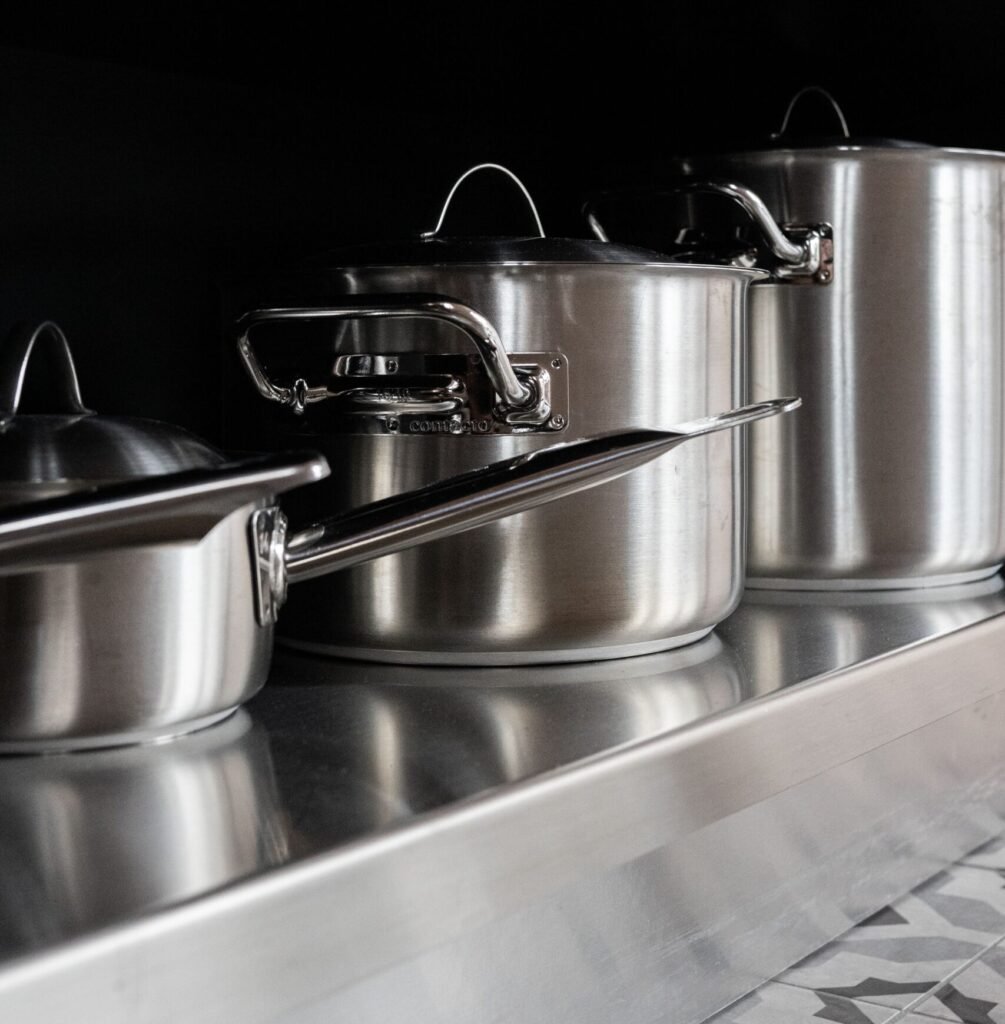
Is anodized cookware safe?
Once you know what does anodized cookware mean at the material level, safety is the natural next question. Yes, for the overwhelming majority of home cooks using properly manufactured, undamaged anodized cookware from an established brand. Here’s what the evidence actually shows:
The FDA’s warnings target a different problem. The FDA has issued advisories about certain imported cookware, specifically aluminum, brass, and aluminum alloys sold under names like Hindalium and Indalium, after testing found they could leach lead into food. Those advisories concern uncoated, non-anodized imported cookware with lead contamination in the base alloy, not anodized aluminum from mainstream manufacturers.
Peer-reviewed testing is reassuring but not zero. A peer-reviewed study measuring metal migration from different cookware types found leaching from anodized and non-anodized aluminum was time- and pH-dependent: acidic foods and longer cooking times increased how much metal transferred, and older, more worn cookware leached more than newer pieces. The comparative takeaway from similar research is that properly anodized aluminum performs on par with stainless steel for metal migration under normal cooking, a meaningfully different risk profile than bare aluminum.
In practice: stick with established brands, avoid cooking acidic food for long stretches in scratched or worn pans, and retire any piece where the finish has visibly chipped or worn through to bare metal.
Anodized cookware vs. other common materials
If you’re deciding between anodized and something else, here’s how it stacks up:
- Stainless steel: More heat-tolerant and dishwasher-friendly, but heats less evenly and sticks more without enough fat. Anodized wins on even heating and price; stainless wins on extreme-heat durability and induction compatibility. Our guide to the safest cookware materials covers the tradeoffs across metals.
- Ceramic-coated cookware: Naturally nonstick and PTFE-free, but tends to lose its nonstick performance faster than a sealed anodized surface. See our ceramic cookware pros and cons guide for a full comparison.
- Plain (non-anodized) aluminum: Cheaper, but prone to warping, scratching, and reacting with acidic food, exactly what anodizing was developed to fix.
- Cast iron: Handles far higher heat and lasts generations, but it’s heavier, needs seasoning, and reacts with acid unless well-seasoned.
How to care for anodized cookware
- Hand wash when possible. Warm water, mild dish soap, and a soft sponge or non-abrasive cloth are enough for most spills and residue.
- Skip metal utensils. Use wood, silicone, or nylon tools to avoid scratching the hardened surface, especially if there’s a nonstick coating layered on top.
- Avoid abrasive cleaners and steel wool. These can wear through the anodized layer over time, exposing the aluminum underneath.
- Let pans cool before washing. Plunging a hot anodized pan into cold water can warp the base over repeated thermal shock.
- Check for damage regularly. If you notice pitting, deep scratches, or areas where the dark finish has worn to bare silver metal, it’s time to retire that piece rather than keep cooking acidic food in it.
Watch: hard-anodized vs. nonstick cookware
This video walks through how hard-anodized cookware compares to standard nonstick pans in daily cooking, which is useful if you’re deciding between the two before you shop.
Who should buy anodized cookware?
Anodized cookware makes the most sense if you want aluminum’s fast, even heating without its usual scratching and reactivity, and you’re willing to hand wash and use non-metal utensils to protect that investment. It’s a strong pick for everyday sautéing, sauces, and one-pan meals. If you cook mostly on induction, need very high sustained heat, or want something that shrugs off dishwasher cycles and metal spatulas, stainless steel or cast iron may suit you better. For specific sets worth buying, our best hard-anodized cookware reviews and buyer’s guide compares top-rated options.
Frequently asked questions
A few more questions that come up once shoppers understand what does anodized cookware mean and start comparing specific pans.
Is hard-anodized cookware the same as nonstick?
Not automatically. Hard-anodized describes the aluminum treatment itself, which is somewhat food-release-friendly but not truly nonstick on its own. Most hard-anodized cookware sold today has a separate nonstick coating over the anodized surface, but uncoated versions that need oil or butter also exist.
Can you use metal utensils on anodized cookware?
It’s not recommended. The anodized layer itself is very hard, but most anodized cookware also carries a nonstick coating that metal utensils can scratch. Stick with wood, silicone, or nylon tools.
Is anodized cookware oven-safe?
Most hard-anodized cookware is oven-safe between 400°F and 500°F, but this varies by brand and handle material, plastic or silicone-wrapped handles usually have a lower limit than the pan body. Check the manufacturer’s rating before using a piece in the oven.
Why is anodized cookware usually dark gray or black?
That dark charcoal color is a natural result of the electrochemical reaction. Coloring hard-anodized aluminum any other shade is difficult since the hardened surface resists dye, and applied color tends to fade at cooking temperatures.
Final thoughts
So, what does anodized cookware mean in practice? It’s aluminum that’s been engineered to keep its biggest advantage, fast and even heating, while fixing its biggest weaknesses, scratching and reacting with food. For most home cooks who hand wash their pans and skip metal utensils, hard-anodized cookware is a durable, safe, and reasonably priced option that holds up for years of regular use. If your kitchen leans toward induction cooking or you want something that survives daily dishwasher cycles without babying, it’s worth weighing stainless steel or cast iron against it before you buy.

Hey, My name is MAMON. I am a SEO content creator and affiliate marketer with over 8 years of experience. I create honest product reviews, in-depth buying guides, and practical how-to articles to help readers make informed decisions. My mission is to provide trustworthy, research-backed content that delivers real value.
Leave a Reply