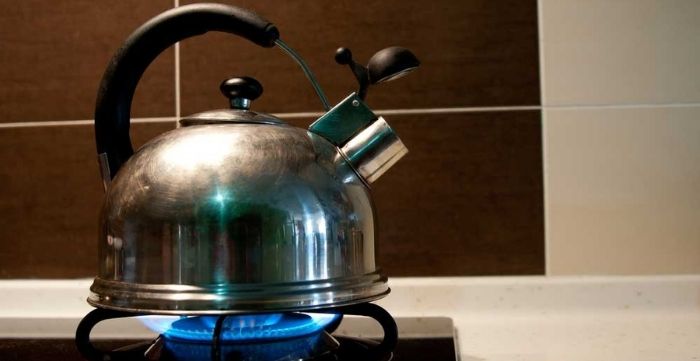
Tea is the second most consumed beverage in the world after water, and you don’t need an electric kettle to make a great cup. Learning how to make tea in a pot on the stove is one of the simplest kitchen skills there is, and it works just as well on a portable electric stove top as it does on a gas cooktop.
Key Takeaways
- Boiling water on the stove and pouring it over tea leaves is all you technically need, but water temperature makes a real difference in flavor.
- Green and white teas need cooler water (around 160-185°F); black and herbal teas can handle water closer to a full boil.
- Preheating your teapot before adding tea keeps the water from cooling too fast during infusion.
- Steeping time varies by tea type, from 1-3 minutes for delicate green tea up to 5+ minutes for herbal blends.
Making tea in a pot starts with something everyone already has in the kitchen: a stove, a pot, and some fresh water. Here’s exactly how to make tea in a pot on the stove step by step, along with the water temperatures and steeping times that separate a good cup from a great one.
What You’ll Need
- A pot or saucepan with a lid
- Fresh, cold water (avoid water that’s already been boiled once, since re-boiling drives off dissolved oxygen and can flatten the taste)
- A teapot or heatproof cup to infuse the tea in
- Loose-leaf tea or tea bags
- A strainer, if you’re using loose leaf tea
How to Make Tea in a Pot on the Stove: Step-by-Step
Step 1: Boil the Water
Fill your pot with fresh water, the amount depending on how many cups you plan to make. Place it on the stove over medium-high heat and cover it with a lid to reduce evaporation and speed up boiling. If your pot has a whistle-style lid, it will let you know when the water reaches a full boil. If not, watch for large, rolling bubbles.
Step 2: Match the Water Temperature to Your Tea
This is the step most people skip, and it’s the one that makes the biggest difference in flavor. Water that’s too hot scorches delicate leaves and makes tea taste bitter; water that’s too cool under-extracts the leaves and leaves the tea weak and flat. According to KitchenAid’s tea brewing guide, different tea types call for meaningfully different water temperatures:
| Tea Type | Water Temperature | How to Tell (No Thermometer) |
|---|---|---|
| White tea | 160-185°F (71-85°C) | Water is hot but not steaming heavily |
| Green tea | 160-180°F (71-82°C) | Steam rises steadily, no bubbles yet |
| Oolong tea | 185-205°F (85-96°C) | Small bubbles just starting to form |
| Black tea | 200-212°F (93-100°C) | Full rolling boil |
| Herbal tea | Full boil (212°F / 100°C) | Full rolling boil |
If you don’t have a thermometer, the easiest fix is to bring the water to a full boil, then let it sit off the heat for a minute or two before pouring over delicate teas like green or white. Waiting roughly 1 minute drops the temperature by about 10-15°F, which is usually enough to get into the right range.
Step 3: Preheat the Teapot
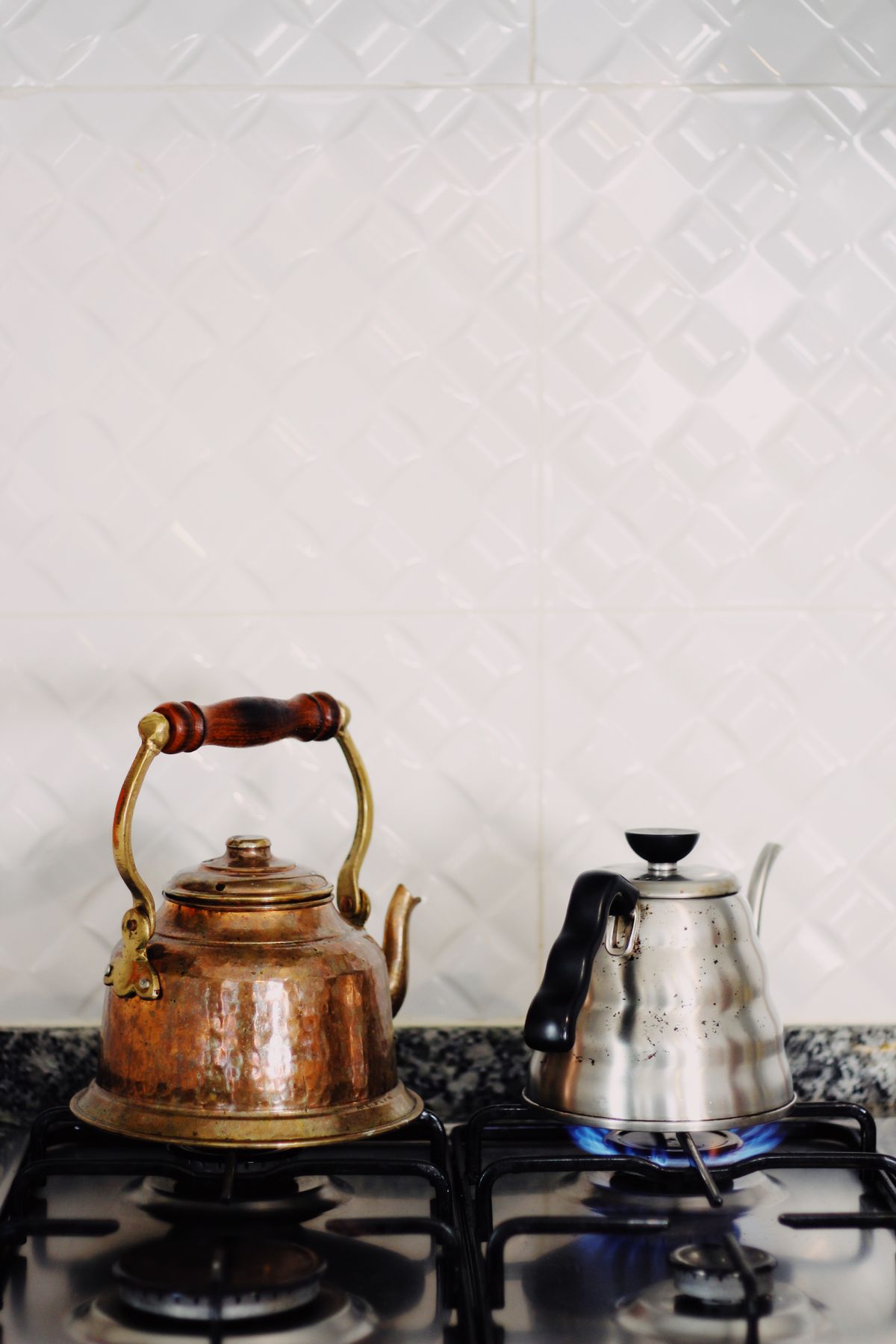
While the water heats, preheat whatever you’ll infuse the tea in, whether that’s a teapot or a mug. Pouring hot water into a cold vessel drops the water temperature immediately, which slows extraction and can leave the tea under-brewed. To preheat, fill the teapot about halfway with hot water, swirl it gently, let it sit for around 30 seconds, and pour it out before adding your tea.
Step 4: Add the Tea and Infuse
Add your tea leaves or tea bags to the warmed pot. If you’re using tea bags, one bag per cup is the standard ratio. For loose leaf, use roughly one tablespoon (about 2 grams) per cup, adjusting up or down based on how strong you like it. Pour the hot water over the leaves and let it steep according to the tea type:
- Green tea: 1-3 minutes
- White tea: 2-5 minutes
- Oolong tea: 2-3 minutes
- Black tea: 3-5 minutes
- Herbal tea: 4-6 minutes
Longer steeping generally means a stronger, more aromatic cup, but going too far past the recommended range can pull out excess tannins and make the tea taste bitter. If you’re unsure, taste a small spoonful partway through and adjust from there.
Step 5: Strain and Serve
If you used tea bags, lift them out gently and let any excess liquid drip back into the pot before discarding them. For loose leaf tea, pour the tea through a fine strainer into your cup, leaving the spent leaves behind. Loose leaves can sometimes be steeped a second time at a slightly longer infusion, though the flavor will be milder.
Serving Your Tea
Serve tea while it’s hot for the best flavor. If you want to taste the tea’s natural character, especially with white, green, or herbal varieties, skip the milk, sugar, and lemon, since milk in particular can mute a delicate tea’s flavor. Stronger black teas hold up better to milk and sweeteners if that’s your preference.
Tips for a Better Cup Every Time
- Use a kitchen timer. It’s easy to lose track of steeping time while doing other things in the kitchen, and even a minute or two of oversteeping changes the flavor noticeably.
- Warm your cup too, not just the teapot. If you’re pouring tea into a cold mug, the tea cools faster than you’d expect. A quick rinse with hot water before pouring keeps it hotter longer.
- Store tea away from light, heat, and moisture. Loose leaf tea and tea bags both lose flavor faster when stored in a clear container near the stove. An opaque, airtight container in a cool cupboard keeps tea fresher for longer.
- Don’t judge a tea by one steep. If your first attempt tastes off, adjust the water temperature or steeping time before giving up on a particular tea. Small changes make a big difference.
- Reheat gently, if at all. Tea that’s gone lukewarm is better enjoyed at room temperature or reheated briefly on low heat; a full reboil will push it toward bitterness, especially with green or white tea.
Making a Larger Pot for Multiple Servings
If you’re making tea for more than one person, the same basic method scales up easily. Use a larger pot to boil enough water for everyone, and increase the amount of tea proportionally, one tea bag or one tablespoon of loose leaf per cup you’re serving. The main adjustment is steeping time: a fuller pot holds heat longer, so tea can sometimes need a minute less steeping time than a single cup would to avoid over-extraction. If you’re serving a mix of preferences, brewing a slightly weaker batch and letting people add more tea bags or steep longer individually is usually easier than trying to guess everyone’s ideal strength upfront.
Why Water Quality Matters Too
Temperature and steeping time get most of the attention, but the water itself matters more than people expect. Hard water with high mineral content can dull tea’s flavor and leave a filmy residue on the surface, while water that’s been sitting in a pipe or reservoir for a while can carry off-flavors into the cup. If your tap water tastes off on its own, it will taste off in your tea too. A home water filtration system is a worthwhile upgrade if you drink a lot of tea and want a consistently clean-tasting cup.
Choosing the Right Tea for You
Which tea to brew comes down to personal preference, but each type has a distinct profile worth knowing:
Green tea has a light, grassy flavor and lower caffeine than black tea. It’s best enjoyed without sugar or milk to appreciate its subtle aroma.
White tea is the least processed and least oxidized of the true teas, with a mild, smooth flavor and very little caffeine. It’s a good choice if you want something gentle.
Black tea is fully oxidized, giving it a bolder, more robust flavor and the highest caffeine content of the traditional teas. It pairs well with milk and sweeteners if you like a stronger cup.
Oolong tea sits between green and black in oxidation level, offering a complex flavor that can lean floral or roasted depending on the variety.
Herbal tea isn’t technically tea at all, since it doesn’t come from the Camellia sinensis plant, but it’s brewed the same way and is the go-to option if you want to avoid caffeine entirely.
Beyond flavor, tea drinking has some genuine health research behind it. According to Harvard Health, tea’s polyphenols have anti-inflammatory and antioxidant properties, and regular tea drinkers in long-term studies show somewhat lower rates of diabetes and cardiovascular disease, though researchers note it’s difficult to fully separate tea drinking from other healthy habits in these studies.
Common Mistakes to Avoid
- Re-boiling water. Water that’s already been boiled and cooled loses dissolved oxygen, which can make tea taste flat. Start with fresh, cold water each time.
- Using boiling water for every tea. Full-boil water is right for black and herbal teas but will scorch green and white tea leaves.
- Skipping the preheat step. Pouring hot water into a cold pot or cup drops the temperature more than most people expect.
- Oversteeping. Leaving tea leaves in too long, especially past the recommended range, pulls out excess tannins and makes the tea bitter.
- Microwaving the water. A microwave heats water unevenly, creating hot and cold pockets that make it hard to judge the actual temperature.
Frequently Asked Questions
Can I make tea in a pot on a gas stove and an electric stove the same way?
Yes. The method for how to make tea in a pot on the stove is the same regardless of stove type; the only difference is how quickly the water reaches temperature, since gas burners tend to respond faster to heat adjustments than electric coils.
Do I need a special teapot?
No. Any heatproof pot, saucepan, or teapot works for boiling the water, and any cup, mug, or teapot works for infusing the tea. A dedicated teapot with a built-in strainer is convenient but not required.
How much tea should I use per cup?
One tea bag per cup, or about one tablespoon (2 grams) of loose leaf tea per cup, is the standard starting point. Adjust based on your taste preference.
Why does my tea taste bitter?
Bitterness usually comes from water that’s too hot for the tea type, steeping for too long, or both. Try a slightly cooler temperature and a shorter steep time and see if that resolves it.
Conclusion
Once you know how to make tea in a pot on the stove, you’ll likely find it’s just as convenient as using an electric kettle, and it gives you more control over the process. Boil fresh water, match the temperature to your tea type, preheat your pot, steep for the right amount of time, and strain before serving. Small details like water temperature and steeping time make a bigger difference in flavor than most people expect, and they’re easy to get right once you know what to look for.
If you’re setting up your stovetop station, our best electric cooktop reviews and best gas cooktop reviews can help you find the right stove for tea, coffee, and everyday cooking alike.

Hey, My name is MAMON. I am a SEO content creator and affiliate marketer with over 8 years of experience. I create honest product reviews, in-depth buying guides, and practical how-to articles to help readers make informed decisions. My mission is to provide trustworthy, research-backed content that delivers real value.
Leave a Reply