
Introduction
A puddle under the fridge is unsettling, but it’s rarely a sign the appliance is dying. What causes a refrigerator to leak water is almost always one of five things: a clogged defrost drain, a frozen or blocked water line, poor leveling, a cracked drain pan, or a worn door seal. Most of these are a 15-minute fix with tools you already own.
This guide walks through each cause, how to confirm it’s the one you’re dealing with, and the fix for each, plus when the smarter move is to call a technician instead.
Key Takeaways
- A clogged or frozen defrost drain is the single most common cause of refrigerator leaks, according to GE Appliances’ own support documentation (GE Appliances).
- A refrigerator should tilt back slightly, about ¼ to ½ inch, so condensate drains toward the back instead of pooling at the front.
- Most defrost drain clogs clear with a turkey baster of warm water; no parts or tools beyond that are usually needed.
- A worn door gasket can cause leaks too, since warm humid air condensing inside the door seal will eventually overflow the drain system (Whirlpool).
What Causes a Refrigerator to Leak Water?
Refrigerator leaks are uncommon enough that most people never learn their appliance’s plumbing, so the puddle can feel alarming the first time it shows up. In reality, it traces back to one of five predictable causes. Here’s how to work through them.
How Refrigerator Drainage Actually Works
Every modern refrigerator runs an automatic defrost cycle every several hours. A heating element briefly melts any frost that’s built up on the evaporator coils, and that meltwater is supposed to travel down a small drain hole, through a narrow tube, and into a drip pan near the compressor, where the compressor’s own heat helps it evaporate. When every part of that path is clear and the fridge is level, you never notice the process happening. A leak just means one link in that chain, the drain, the pan, the water line, the seal, or the appliance’s own tilt, isn’t doing its job anymore.

Reason 1: Inaccurate Leveling
A refrigerator needs to sit close to level, with a slight backward tilt of about ¼ to ½ inch. That small tilt lets condensate drain toward the back of the unit instead of pooling under the door. When a fridge tips too far backward, sideways, or sits dead level, water has nowhere consistent to go and starts overflowing onto the floor. This is especially common with garage refrigerators, since garage floors are rarely poured level.
How to fix it:
- Remove the front grille or kick plate to access the front leveling legs.
- Compare the front leg height to the rear legs. If the fridge is dead level or tilting forward, the front legs need to come up slightly.
- Use a wrench to turn the front legs counterclockwise to raise the front (clockwise to lower it), aiming for that ¼ to ½ inch backward lean.
- Reattach the grille and check with a level once more after a day.
Reason 2: Clogged or Frozen Water Line
If your model has an ice maker or water dispenser, a supply line runs to it. Hard water minerals build up inside that line over time, narrowing the diameter until water can’t flow freely, or the line freezes solid in a cold spot. Either way, pressure backs up and eventually shows as a leak.
Signs it’s the water line: the ice bin fills slower than usual or sits mostly empty, and the dispenser produces weak or inconsistent water flow.
How to fix it:
- Unplug the fridge and pull it away from the wall to access the line.
- Check the connection fittings first. A loose fitting is an easy, common fix; just tighten it.
- If the line is frozen, leave the fridge unplugged for 4 to 5 hours to let the ice melt on its own.
- For mineral buildup, a baking soda and vinegar flush through the line often clears it.
- If the line is cracked or badly corroded, replacement is the only fix. Expect to pay roughly $50 to $75 for parts if you do it yourself.
Reason 3: Blocked Defrost Drain
This is the most common cause of all, and GE Appliances’ own troubleshooting documentation lists it as the default suspect for water on the floor in front of a refrigerator. Self-defrosting refrigerators melt frost off the evaporator coils automatically, and that water is supposed to travel down a small drain hole into a pan underneath the unit, where it evaporates. Food debris, ice, and grime narrow that channel over time until water backs up and overflows instead of draining.
Signs it’s the defrost drain: ice building up under the bottom basket in the freezer, plus a puddle appearing once or twice a day.
How to fix it:
- Unplug the refrigerator and locate the drain hole, usually at the back of the freezer floor or behind a rear panel; check your owner’s manual for the exact spot.
- Fill a turkey baster with warm water (GE recommends mixing in a tablespoon of baking soda) and squeeze it into the drain hole.
- Listen for the water running down into the drain pan below; that confirms the clog cleared.
- For stubborn ice, unplug the unit for several hours to let it thaw naturally before flushing again.
- For food debris, a bent wire hanger can hook and pull out material a baster alone won’t clear.
Reason 4: Damaged Drain Pan
The drain pan sits underneath the refrigerator and collects the water that comes down the defrost drain, letting it evaporate gradually with help from the condenser fan. It’s usually hard plastic, so cracks and holes are uncommon, but they do happen, often after a move or a renovation that jostled the unit.
How to fix it:
- Unplug the fridge and slide it out to access the pan, typically behind a rear panel near the compressor.
- Inspect it with a flashlight for cracks, warping, or a pan that’s simply slipped out of position under the drain tube.
- Small cracks can be sealed with a waterproof adhesive.
- For larger cracks or full breaks, replace the pan; expect to spend around $25 to $30 for a new one.
Reason 5: Worn Door Seal
A gasket that no longer forms a tight seal lets warm, humid kitchen air into the fridge. That moisture condenses on interior surfaces, and over time the extra water overwhelms the drain system, even if the drain itself is perfectly clear. Whirlpool lists this alongside clogged drains as one of the more overlooked leak sources.
How to fix it:
- Close the door on a piece of paper. If you can pull the paper out without resistance, the seal isn’t gripping.
- Clean the gasket with warm, soapy water first; grime alone can prevent a proper seal.
- If the gasket is visibly torn, stretched, or brittle, order a replacement gasket for your model and press it into place along the door channel.
When to Call a Professional
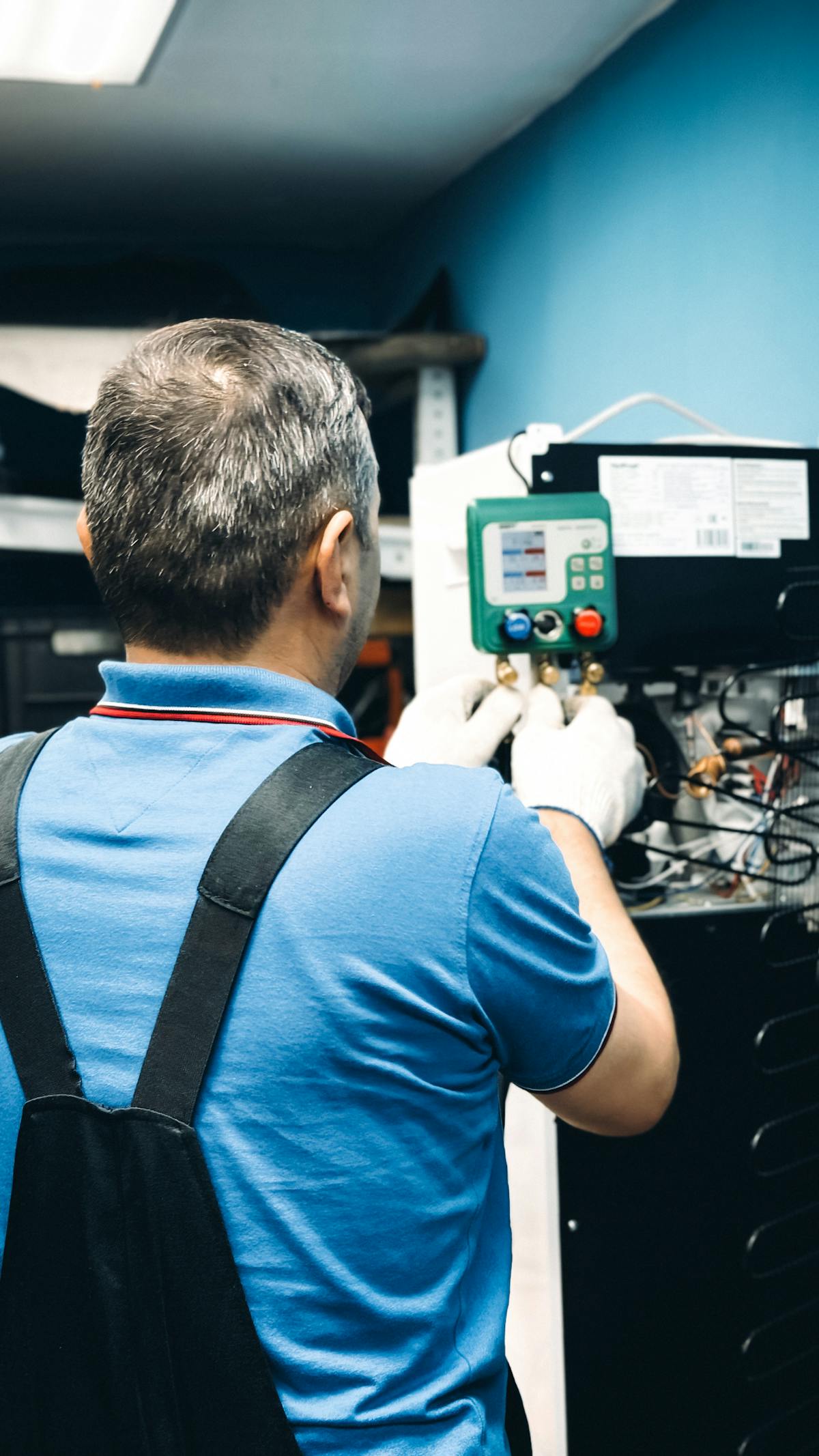
Most refrigerator leaks are homeowner-fixable, but call a technician if:
- You’ve cleared the defrost drain and the leak returns within a few days
- The leak is coming from inside the wall or from a built-in model, where the drain isn’t accessible without disassembly
- You suspect the water inlet valve or internal water lines, which involve the water supply system
- The compressor or cooling system seems to be struggling in addition to the leak
- You’ve checked leveling, the drain, the pan, and the door seal, and the leak still hasn’t stopped
Trying to force a repair you’re not confident in can crack a line or damage the cabinet, turning an inexpensive fix into a costly one. A technician can usually confirm the exact cause in a single visit, which is often faster than working through every possibility on your own.
Preventing Future Leaks
- Check and clean the defrost drain every 6 to 12 months, even if nothing seems wrong yet.
- Wipe up spills inside the fridge promptly; crumbs and residue are what migrate into the drain and start a clog.
- Keep the refrigerator compartment at 36°F to 40°F and the freezer at 0°F or below, since a unit running colder than needed adds unnecessary frost load on the defrost system.
- Recheck the fridge’s level any time it’s moved, even a few inches for cleaning.
- Inspect the door gasket a few times a year for tears or a weak seal.
If you’re also troubleshooting temperature swings alongside the leak, it’s worth checking the thermostat itself; see our guide on how to test a refrigerator thermostat and our breakdown of how often a refrigerator should run, since unusual cycling and leaks often share a root cause.
Conclusion
A leaking refrigerator almost always comes down to one of five fixable issues: bad leveling, a clogged water line, a blocked defrost drain, a cracked drain pan, or a worn door seal. Work through them in that order, since the defrost drain is by far the most common culprit, and most fixes take less than half an hour with tools already in your kitchen drawer. If the puddle keeps coming back after you’ve addressed the obvious causes, that’s the signal to bring in a professional rather than keep guessing.
FAQ
What is the most common cause of a refrigerator leaking water?
A clogged or frozen defrost drain is the most common cause. Debris and ice narrow the drain channel until meltwater backs up and overflows instead of draining into the pan below.
How do I know if my refrigerator’s leveling is causing the leak?
Check for a slight backward tilt of ¼ to ½ inch using a level. A fridge that’s dead level, tilted forward, or leaning sideways can’t drain condensate properly.
Can I unclog a refrigerator defrost drain myself?
Yes, in most freestanding models. Locate the drain hole, usually at the back of the freezer floor, and flush it with warm water using a turkey baster.
How much does it cost to fix a leaking refrigerator?
A water line replacement runs about $50 to $75, and a replacement drain pan costs around $25 to $30. Clearing a clogged defrost drain or adjusting the leveling legs costs nothing beyond your time.
Can a bad door seal cause a refrigerator to leak?
Yes. A worn gasket lets humid air in, which condenses and adds extra water that can overwhelm the drain system even when the drain itself is clear.
When should I call a professional instead of fixing it myself?
Call a technician if the leak returns after you’ve cleared the drain, if you suspect the water inlet valve or internal supply lines, or if the unit is a built-in model without easy drain access.
Sources: GE Appliances Support, Side-by-Side Refrigerator: Water on Floor, Repairing a Clogged Defrost Drain; Whirlpool, How to Fix a Refrigerator That Is Leaking Water

Hey, My name is MAMON. I am a SEO content creator and affiliate marketer with over 8 years of experience. I create honest product reviews, in-depth buying guides, and practical how-to articles to help readers make informed decisions. My mission is to provide trustworthy, research-backed content that delivers real value.
Leave a Reply