

You’re prepping a curry and a bright golden splash lands on your counter. If you’re searching for how to remove turmeric stains from kitchen counter surfaces, you already know the problem. The color sinks in fast, and a quick wipe rarely lifts it. The good news is that the right method, matched to your countertop material, can usually get it out.

Key Takeaways
- Act within the first few minutes. Turmeric’s pigment sets fast, and it gets harder to remove the longer it sits.
- Curcumin, the compound behind the color, isn’t water-soluble. A damp cloth alone won’t lift it.
- How to remove turmeric stains from kitchen counter surfaces depends on the material: what works on quartz can dull granite.
- A baking soda paste handles most fresh stains. Save hydrogen peroxide and stronger cleaners for stubborn marks.
- Preventing spills with gloves, aprons, and non-porous cutting boards saves you the cleanup entirely.
Why Turmeric Stains Are So Stubborn
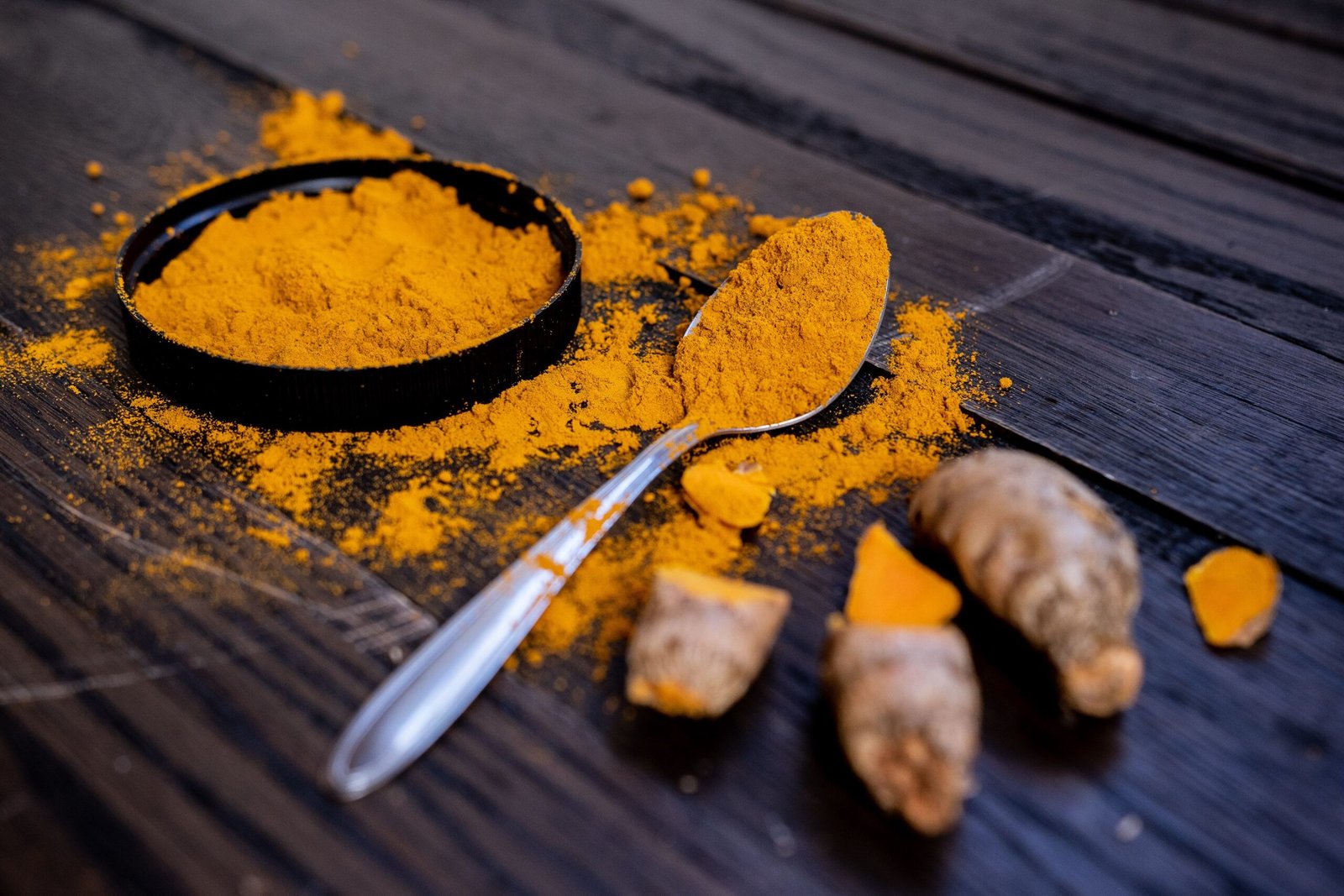
Turmeric comes from the same plant family as ginger, and its root is packed with curcumin. Curcumin is what gives curry powder its deep golden-orange color.
According to Molly Maid, the compound “isn’t water-soluble, so cleaning up stains requires a stain remover with more muscle.” Curcumin is fat-soluble instead. That’s why plain water spreads a spill around rather than lifting it.
Old stains can also shift color over time. Curcumin reacts slowly with oxygen in the air, so a bright yellow spill can mellow into a duller orange-brown if it sits for a few days before treatment.
That fat-soluble quality also explains why fresh turmeric root stains worse than the dried powder. The natural oils in fresh root carry the pigment deeper into porous surfaces like unsealed grout, wood, and some stone. Powder still stains, but it usually sits closer to the surface.
Porosity is the deciding factor across every surface in your kitchen. Grout, unsealed wood, and worn natural stone all have tiny gaps that pigment can settle into, which is why they’re the hardest spots to fully clean. Sealed, non-porous surfaces like glass, stainless steel, and finished quartz give curcumin nowhere to hide, so a stain there tends to sit on top rather than soak in.
Why Speed Matters
Once curcumin bonds with a porous surface, it starts to oxidize and set. That’s why cleaning experts consistently say to treat a spill in the first few minutes. Waiting until after dinner prep gives the pigment more time to bond. A stain that’s had an hour to set can take three or four rounds of treatment to fully lift.
Immediate Steps to Take After a Spill
What you do in the first sixty seconds matters more than which product you eventually reach for.
Blot, don’t wipe. Use a kitchen cloth or paper towel to lift as much of the spilled powder or liquid as possible. Wiping in circles just spreads the pigment across more surface area.
If the spill included oil, curry paste, or fresh root, sprinkle cornstarch or baking soda over it first. Let the powder sit for two or three minutes to absorb the moisture and oil. Sweep it away, then rinse the spot.
Rinse with cold water, not hot. Hot water can actually help set some organic pigments, including turmeric, faster than cold water does.
- Scoop up any solid food debris with a spoon before you start cleaning.
- Add a drop of dish soap, or a mild detergent, to your rinse water. Its surfactants target the oily part of the stain that water alone can’t touch.
- Work from the outer edge of the spill inward so you don’t spread it further.
The faster you move through these steps, the less likely you’ll need a second round of treatment later.
How to Remove Turmeric Stains from Kitchen Counter Surfaces
Once you’ve handled the initial spill, it’s time for the actual cleaning method. Start gentle, and only step up to a stronger approach if the mark is still visible.
Baking Soda Paste Method
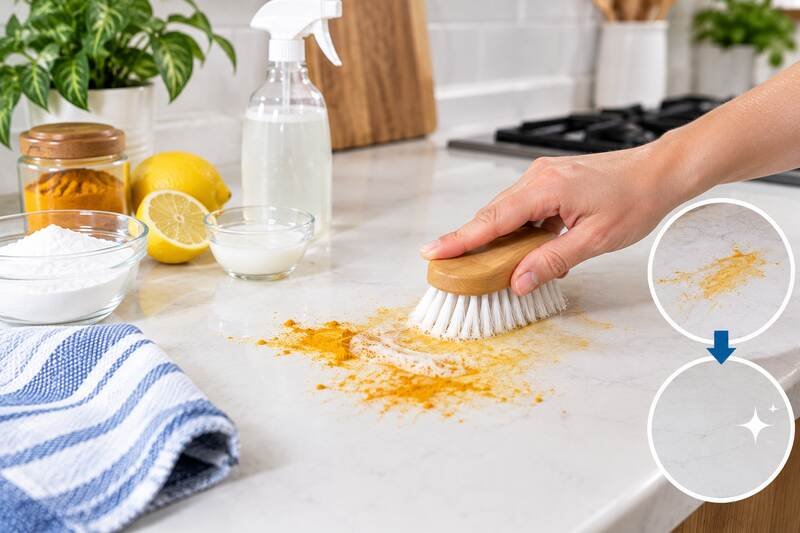
Mix baking soda with a small amount of water until it forms a thick paste. Aim for roughly one part water to two parts baking soda. Spread it over the entire stained area, not just the darkest spot.
Let the paste sit for 10 to 15 minutes. Then wipe it away with a damp cloth, using small circular motions if any residue remains. Rinse the area with clean water afterward.
When the Paste Isn’t Enough
If a faint tint remains, add a few drops of hydrogen peroxide, lemon juice, or white vinegar directly onto the paste before wiping. These help break down the last of the pigment. Save this step for sealed, non-stone surfaces only.
For sealed quartz, laminate, or epoxy resin counters, a melamine foam eraser sponge can lift what the paste leaves behind. Wet it first, then rub gently over the stain.
A commercial cleaner like Bar Keepers Friend contains a mild oxalic acid. It works well on stainless steel, porcelain, and quartz for stains that won’t budge. Skip it on natural stone, though, since the acid can etch a polished granite or marble finish.
Always Spot-Test First
Try any new method on a hidden section of the counter first, like near the edge under an appliance. Wait a few minutes to see how the surface reacts before treating the visible stain.
Removing Turmeric Stains by Countertop Material
Not every countertop reacts the same way to the same cleaner. According to House Digest, porcelain and sintered stone resist turmeric best, while quartz, marble, and laminate stain more easily. Matching the method to your material protects the finish while still lifting the stain.
Granite and Marble
Natural stone is sealed, but the sealant wears thin over time and repeated acid exposure can dull the surface. Skip lemon juice and vinegar here. Go easy on baking soda paste too, since it’s a mild abrasive that can scratch a polished finish with heavy scrubbing.
Start with warm water and a few drops of mild dish soap instead. Blot rather than scrub, and reseal your stone counters periodically to keep stains from soaking in as easily.
Quartz, Laminate, and Solid Surface
Quartz and laminate tolerate baking soda paste and a melamine sponge better than natural stone does. There’s no polished mineral surface to dull. For a stubborn spot on quartz, a short dwell time with hydrogen peroxide usually finishes the job.
Avoid abrasive scrub pads on laminate specifically. They can scratch the surface coating and make future stains stick even more easily.
Stainless Steel and Glass
These non-porous surfaces are the easiest to treat. A baking soda paste or a vinegar-and-water mix will usually lift a turmeric stain within minutes. There’s little risk of damaging the finish either way.
| Countertop Material | Best First Method | What to Avoid |
|---|---|---|
| Granite & Marble | Mild dish soap and warm water; gentle baking soda paste if needed | Lemon juice, vinegar, heavy scrubbing |
| Quartz & Solid Surface | Baking soda paste, then hydrogen peroxide if needed | Prolonged acid exposure on the resin binder |
| Laminate | Baking soda paste with a soft cloth | Abrasive scrub pads and melamine sponges used aggressively |
| Stainless Steel & Glass | Baking soda paste or vinegar-and-water mix | Little risk either way; still spot-test first |
Common Mistakes That Make Turmeric Stains Worse
A few habits turn a manageable spill into a lasting mark. Knowing what to avoid can save you an extra round of cleaning.
- Wiping instead of blotting, which spreads the pigment over a wider area instead of lifting it.
- Rinsing with hot water, which can help set the stain rather than loosen it.
- Scrubbing granite or marble with an acidic cleaner, which etches the polish and leaves a dull patch even after the stain is gone.
- Letting a fresh spill sit while you finish cooking, giving curcumin more time to bond with the surface.
- Mixing bleach with vinegar or ammonia-based cleaners, which produces dangerous fumes.
Cleaning Turmeric Off Cabinets, Dishes, and Fabric
Countertops aren’t the only surface at risk during meal prep. A few other spots deserve their own approach.
Painted and Wood Cabinets
Start with the same baking soda paste you’d use on a counter, tested on a hidden spot first. If the stain persists, try a melamine eraser sponge next. A small dab of whitening toothpaste can also lift stubborn pigment from painted surfaces. Rinse and dry the area afterward.
Plastic, Glass, and Ceramic Dishes
Soak stained dishes and containers overnight in two parts hot water to one part white vinegar. For tougher yellowing, use two parts hot water to one part bleach instead. Never combine bleach and vinegar in the same solution, since mixing the two releases toxic chlorine gas.
Sunlight is a free assist here. Set a rinsed, non-porous item in direct sun for a few hours. UV light breaks down curcumin over time, and the tint noticeably fades.
Fabric and Linens
For dish towels or aprons, treat the stain with dish soap and cold water first. Then apply a mix of hydrogen peroxide and water before laundering as usual. Keep the item out of the dryer until the stain is fully gone. Heat can set what’s left permanently.
Preventing Turmeric Stains Before They Happen
Cleanup is a lot easier when you never have to do it in the first place.

Wear disposable hand gloves and an apron when you’re measuring or mixing turmeric, curry powder, or fresh root. It keeps the pigment off your skin and clothes as much as your counter.
Prep spices on a glass cutting board rather than an unsealed wooden one. Wood’s open grain soaks up pigment fast. If you’re weighing quartz against granite for a renovation, keep in mind that both need prompt cleanup to avoid a stain, though quartz shrugs off the cleaning products themselves more easily.
- Keep a small container of baking soda and a bottle of hydrogen peroxide within reach for quick treatment.
- Wipe any spill immediately with a damp cloth rather than letting it sit while you finish cooking.
- Store turmeric-heavy leftovers in glass or stainless steel containers instead of plastic, which stains and holds onto pigment permanently.
- Reseal natural stone counters every year or two, since a fresh sealant coat gives spills less porous surface to soak into.
If you cook with turmeric often, whether for curries, golden milk, or homemade supplements, a designated prep zone with a cutting mat and a stainless steel bowl for measuring can keep the pigment contained to items that are easy to clean or replace.

Frequently Asked Questions
Does turmeric stain granite permanently?
Usually not, if you treat it soon after the spill. A gentle dish soap solution, followed by a light baking soda paste if needed, lifts most fresh stains without damaging the sealant. Old, deeply set stains on unsealed or worn stone are the ones most likely to leave a faint mark behind.
Can you use bleach to remove a turmeric stain?
Bleach works on non-porous items like plastic and glass, diluted to two parts hot water and one part bleach. Skip it on natural stone and painted cabinets, where it can discolor or damage the finish, and never mix it with vinegar or other acidic cleaners.
How to remove turmeric stains from kitchen counter grout lines?
Grout is more porous than the surrounding countertop, so it holds pigment longer. A baking soda paste left on for 20 to 30 minutes, scrubbed with an old toothbrush, usually handles it. Reapply as needed for grout that’s gone untreated for a few days.
Conclusion
Turmeric stains look alarming the moment they happen, but they’re rarely permanent if you act quickly. Blot the spill, rinse with cold water, and reach for a baking soda paste as your first line of defense.
Knowing how to remove turmeric stains from kitchen counter surfaces really comes down to matching your cleaning method to your material. Go gentle on granite and marble. Feel free to use stronger options like hydrogen peroxide or a melamine sponge on quartz, laminate, and stainless steel.
A few small habits make the biggest difference. Gloves, a non-porous cutting board, and wiping spills the moment they happen will save you most of this cleanup altogether.


Hey, My name is MAMON. I am a SEO content creator and affiliate marketer with over 8 years of experience. I create honest product reviews, in-depth buying guides, and practical how-to articles to help readers make informed decisions. My mission is to provide trustworthy, research-backed content that delivers real value.