

Leftover hard-boiled eggs are handy, but cold eggs are not always appealing. So, can you microwave boiled eggs to warm them up? The short answer is yes, but only if you do it the right way. A whole boiled egg, with or without its shell, can burst in the microwave or seconds after you take it out. In fact, researchers who studied the problem recorded peak sound levels of up to 133 decibels from bursting eggs. In this guide, we explain why it happens, show safe ways to reheat boiled eggs, and cover how to cook eggs in the microwave without the risk.
Key Takeaways
- You can microwave boiled eggs safely only if you slice or halve them first, or reheat them in water.
- Whole hard-boiled eggs can burst. In research reported by ScienceDaily, bursting eggs reached 86 to 133 decibels at one foot.
- The safest way to rewarm a whole boiled egg is to let it sit in hot water for several minutes.
- Hard-boiled eggs in the shell keep in the refrigerator for up to one week, according to the American Egg Board.
- To cook eggs in their shells in a microwave, use only a microwave egg boiler designed for it.

Can You Microwave Boiled Eggs? The Short Answer
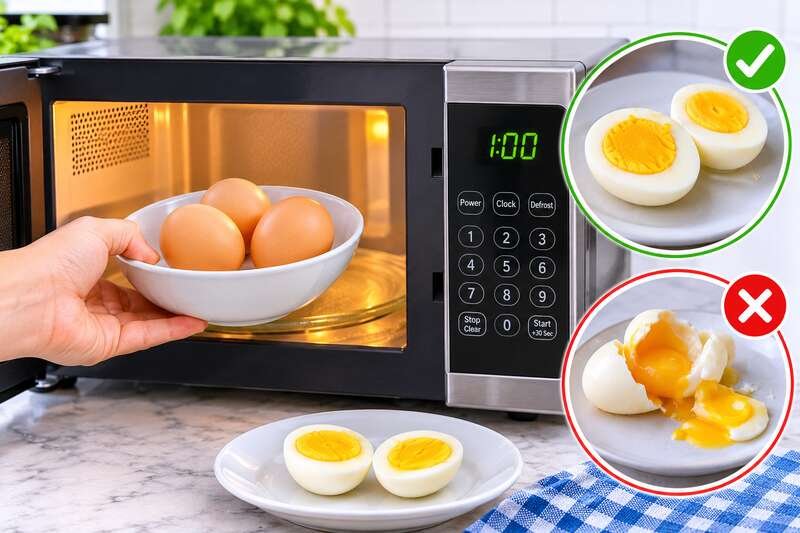
Yes, you can microwave boiled eggs, but not whole. A whole egg traps moisture inside the yolk and white. When a microwave heats that moisture, it can turn to steam faster than it can escape. As a result, pressure builds until the egg bursts, either inside the microwave or when you bite or cut into it.
The safe approach is simple. Either cut the egg into slices or halves before microwaving it, or skip the microwave and rewarm the whole egg in hot water. Both methods give you a warm egg without the risk of a burst or a burn.
Why Boiled Eggs Explode in the Microwave
Microwaves heat food by making the water molecules inside it vibrate. An egg is mostly water, and it heats unevenly. Small pockets of water inside the yolk can get extremely hot. Because the cooked white forms a firm shell around the yolk, the steam has nowhere to go.
Researchers have measured how dramatic this can be. According to ScienceDaily, a team that presented its work at an Acoustical Society of America meeting reheated hard-boiled eggs in a microwave and recorded the bursts. Only about 30 percent of the eggs survived the heating cycle and then exploded when pierced, and peak sound levels ranged from 86 to 133 decibels at one foot. The researchers noted that the chance of hearing damage is remote, but the burst can still splatter hot egg and cause burns.
In short, the danger is not just a mess. A boiled egg can look calm on the plate and then burst the moment you cut into it.

Video: Julia Says explains why eggs explode in microwaves.
Method 1: Reheat Boiled Eggs in Hot Water (Safest)
This method keeps the egg whole and avoids the microwave entirely. It is the best choice for eggs still in their shells.
- Heat water: First, bring water to a boil in a kettle or pot. Our guide to the best electric kettle covers fast options.
- Place the eggs in a bowl: Next, put the cold boiled eggs in a heat-safe bowl.
- Cover with hot water: Then pour the hot water over the eggs until they are fully covered.
- Let them sit: After that, cover the bowl and let the eggs warm for about 10 minutes.
- Serve: Finally, remove the eggs, peel if needed, and enjoy.
Because the water never exceeds boiling, the eggs warm gently and evenly. Also, there is no risk of the yolk overheating.
Method 2: Microwave Sliced or Halved Boiled Eggs
If you want to use the microwave, cut the egg first. Slicing exposes the yolk and lets steam escape.
- Peel and cut: First, peel the egg and cut it in half or into slices.
- Arrange in a single layer: Next, place the pieces on a microwave-safe plate, yolk side up.
- Cover loosely: Then cover with a damp paper towel or a vented lid to keep the egg moist.
- Heat on low power: After that, microwave on 50 percent power in short bursts of about 10 to 15 seconds.
- Check and repeat: Finally, check the temperature between bursts and stop as soon as the egg is warm.
Even with sliced eggs, avoid overheating. Hot spots can still form, and overheated whites turn rubbery. If your microwave is very powerful, start with even shorter bursts. For more on how microwaves use energy, see our guide on how much electricity a microwave uses.
Method 3: Use Them Cold or in Hot Dishes

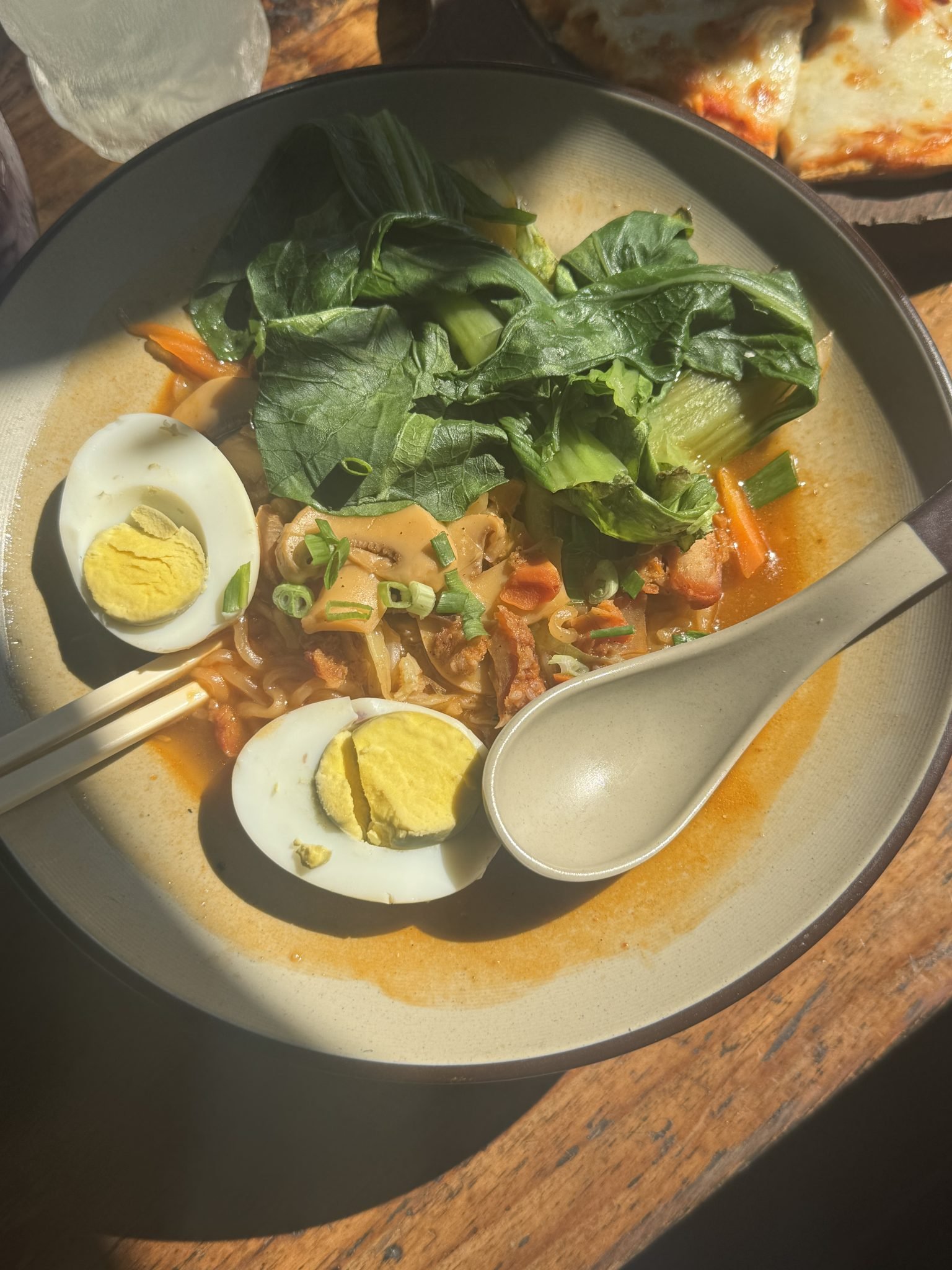
Photo: Abishkaar Chettri via the WordPress Photo Directory (CC0 1.0).
Often, the easiest option is not to reheat boiled eggs at all. Instead, add them to a dish that is already hot. For example, slice a boiled egg into ramen or soup, or tuck halves into a bowl of hot rice. The heat from the food warms the egg gently without any risk. If you are also reheating rice, our guide on how to reheat rice in a microwave oven explains how to keep it moist.
Can You Reheat Boiled Eggs in an Air Fryer or Oven Instead?
An air fryer or toaster oven is another option for rewarming boiled eggs. Because these appliances use hot air rather than microwave energy, they heat the egg from the outside in, which lowers the risk of a sudden burst. Even so, wrap the egg in foil or slice it first, and warm it briefly at a moderate setting. In practice, the hot water method is still the simplest and most even.
Reheating Methods Compared
| Method | Safety | Time | Best For |
|---|---|---|---|
| Hot water bath | Safest | About 10 minutes | Whole eggs in or out of the shell |
| Microwave, sliced | Safe if sliced and heated gently | Under a minute in bursts | Quick snacks |
| Added to hot food | Safe | No extra time | Ramen, soup, rice bowls |
| Microwave, whole | Not recommended | Not applicable | Avoid |
How to Cook Eggs in the Microwave Safely
Many people search for this question because they want to make boiled eggs in the microwave from scratch. That is possible, but only with the right tool. A plain raw egg in its shell will burst just like a reheated one.
- Use a microwave egg boiler: Products such as the Nordic Ware Microwave Egg Boiler cook up to 4 eggs in 10 minutes or less, according to the brand, using water and an aluminum insert.
- Follow the directions exactly: For example, Emson’s Eggpod instructions warn never to use it without water and the aluminum inserts.
- Crack eggs for other styles: For scrambled, poached, or sandwich eggs, crack the egg into a microwave-safe cooker and pierce the yolk first.
- Cook in short bursts: Then stop and check often, since microwave power varies widely.
If you are shopping for a compact microwave for a dorm or office, our guide to the smallest microwave ovens lists popular options.
Safety Tips for Microwaving Eggs
- Never microwave whole eggs: This applies to raw and boiled eggs, in or out of the shell.
- Pierce any intact yolk: A single pinhole lets steam escape.
- Cover loosely: A vented lid or paper towel catches splatter without trapping pressure.
- Let food rest: Allow a short standing time so heat evens out before you eat.
- Cut carefully: Point the egg away from your face when cutting a warmed egg.
- Clean splatters quickly: If an egg bursts, our guide on how to clean a burnt microwave shows the fastest cleanup.
Can You Microwave Boiled Eggs That Are Already Peeled?
Peeling the shell does not solve the problem. The cooked white still surrounds the yolk like a sealed capsule, so steam can build up inside just as it does in a shelled egg. Therefore, a whole peeled egg can still burst. To microwave a peeled egg safely, cut it in half or into slices first, then heat it gently. Alternatively, pierce the yolk several times with a fork, although slicing is more reliable.
Can You Microwave Boiled Eggs That Are Soft-Boiled?
Soft-boiled eggs are even trickier. Because the yolk is still liquid, it heats very quickly and can splatter. In addition, rewarming a soft egg in the microwave often overcooks the yolk before the white warms through. For these reasons, the hot water method is a better choice. Simply cover the egg with hot tap water or water from a kettle for a few minutes, then serve it right away.
Microwave Wattage and Timing
Microwave power varies a lot from one model to the next, which changes how fast eggs heat. For example, one microwave egg poacher lists 80 to 90 seconds at 800 watts but only 50 to 60 seconds at 1,250 watts for the same task. In other words, a high-powered microwave can heat eggs about a third faster. So, check the wattage label inside your microwave door, and start with the shortest time when reheating sliced eggs. For a deeper look at how microwaves differ, see our guide on how a convection microwave oven works.
Can You Microwave Boiled Eggs in Recipes?
Yes, when the egg is already mixed into the dish. For example, you can safely reheat a casserole, fried rice, or a breakfast burrito that contains chopped boiled egg. Because the egg is in small pieces, steam escapes easily. However, stir the dish halfway through and heat until it is steaming hot throughout. On the other hand, avoid reheating whole halves of deviled eggs, since the filling is best served cold.
Food Safety for Leftover Boiled Eggs

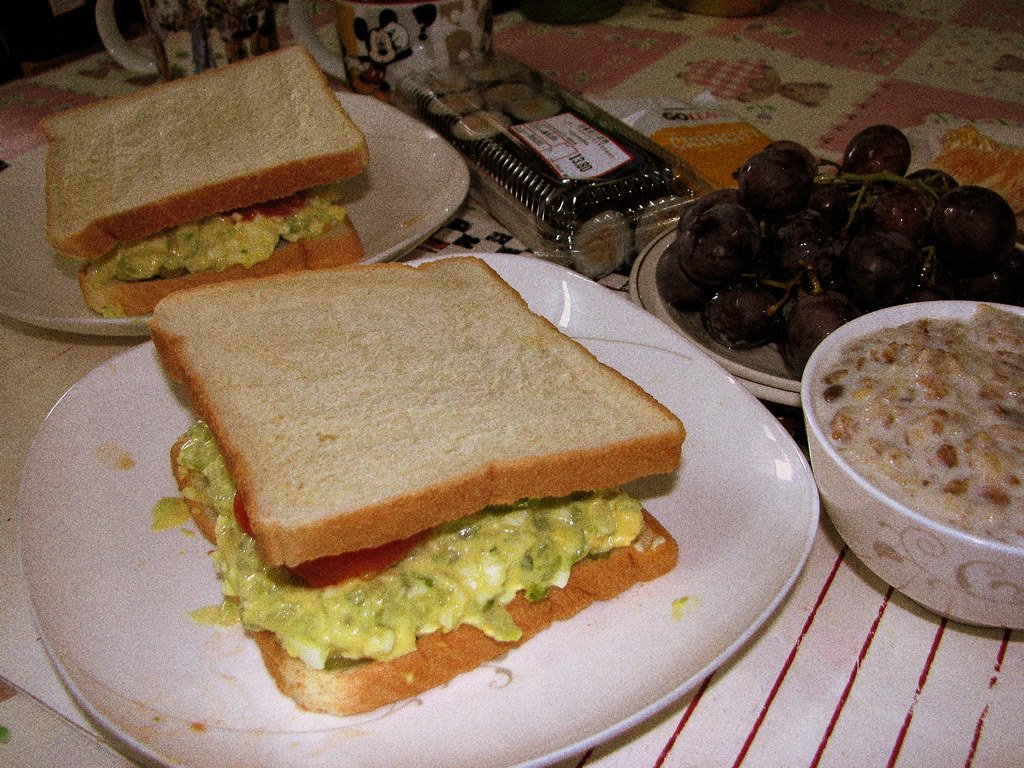
Photo: wandersick via Flickr (CC BY 2.0).
Reheating is only safe if the eggs were stored properly. According to the American Egg Board, hard-boiled eggs in the shell keep in the refrigerator for up to one week, while peeled eggs should be eaten the same day. In addition, the Egg Safety Center advises refrigerating cooked eggs in their shells.
- Refrigerate promptly: Chill boiled eggs soon after cooking.
- Check before using: Discard eggs that smell off or look slimy.
- Reheat once: Warm only what you plan to eat.
- Heat leftovers thoroughly: When an egg is part of a mixed leftover dish, reheat the whole dish until it is steaming hot, or to 165°F, the standard USDA target for leftovers.
Ways to Use Leftover Boiled Eggs Without Reheating
Many of the best uses for boiled eggs are cold. For example:
- Egg salad: Chop eggs with mayonnaise, mustard, and celery for sandwiches.
- Deviled eggs: Mash the yolks with mayo and spices and pipe them back in.
- Cobb salad: Slice eggs over greens with bacon, avocado, and tomatoes.
- Snack plates: Pair a halved egg with cheese, fruit, and crackers.
- Grain bowls: Add sliced eggs to rice, quinoa, and roasted vegetables.
Common Mistakes
- Microwaving a whole egg. As a result, it can burst inside the microwave or when cut.
- Using full power. Instead, use 50 percent power and short bursts for sliced eggs.
- Skipping the cover. Otherwise, the egg dries out and splatters.
- Reheating eggs stored too long. In fact, eggs older than a week in the shell should be discarded.
- Cutting toward your face. Always point the egg away when cutting a warm one.
Quick Reference: Do and Do Not
| Do | Do Not |
|---|---|
| Slice or halve eggs before microwaving | Microwave a whole egg, shelled or not |
| Use 50 percent power in short bursts | Heat on full power for a long time |
| Cover loosely with a damp paper towel | Seal the egg tightly |
| Rewarm whole eggs in hot water | Cut a hot egg toward your face |
| Use eggs within a week of cooking | Reheat eggs stored longer than a week |
Keep this table in mind, and the answer to “can you microwave boiled eggs” becomes simple: yes, as long as you cut them first and heat them gently.
Frequently Asked Questions
Can you microwave boiled eggs in the shell?
No. Whole boiled eggs, with or without the shell, can burst. Instead, slice them first or reheat them in hot water.
How long should you microwave a sliced boiled egg?
Generally, heat on 50 percent power in 10- to 15-second bursts, checking between each one, until warm.
Why did my boiled egg explode after microwaving?
Steam built up inside the yolk with no way to escape. According to ScienceDaily’s report on the research, eggs that survived heating could still burst when pierced.
What is the safest way to reheat a boiled egg?
Cover the egg with boiling water in a bowl, cover it, and let it sit for about 10 minutes.
Can you make hard-boiled eggs in the microwave?
Only with a microwave egg boiler designed for whole eggs, such as the Nordic Ware Microwave Egg Boiler, and only by following its directions.
Can you microwave boiled eggs for a breakfast sandwich?
Yes, if you slice them first. Place the slices on the bread, cover loosely, and heat on medium power for a few seconds at a time until warm.
Is it safe to eat a boiled egg that burst in the microwave?
If it was stored properly and heated through, it is safe to eat, but be careful of hot fragments. Then clean the microwave right away.
Final Thoughts
So, can you microwave boiled eggs? Yes, but only when they are sliced or halved and heated gently in short bursts. For whole eggs, the hot water method is safer and nearly as easy. Never microwave a whole egg, raw or cooked, unless you are using a cooker made for it. With these simple rules, you can enjoy warm leftover eggs without the risk of a burst or a burn.


Hey, My name is MAMON. I am a SEO content creator and affiliate marketer with over 8 years of experience. I create honest product reviews, in-depth buying guides, and practical how-to articles to help readers make informed decisions. My mission is to provide trustworthy, research-backed content that delivers real value.