

Are plastic kettles safe? It is a fair question, since a plastic kettle heats water to boiling every day, sometimes several times a day. Most plastic kettles sold in the U.S. are labeled BPA-free, and U.S. regulators consider approved food-contact plastics safe for their intended use. However, research on hot water and plastic has raised new questions, especially about microplastics. In this guide, we look at what plastic kettles are made of, what U.S. and European regulators say about BPA, what the microplastics research does and does not show, and how to lower your exposure if you want to.

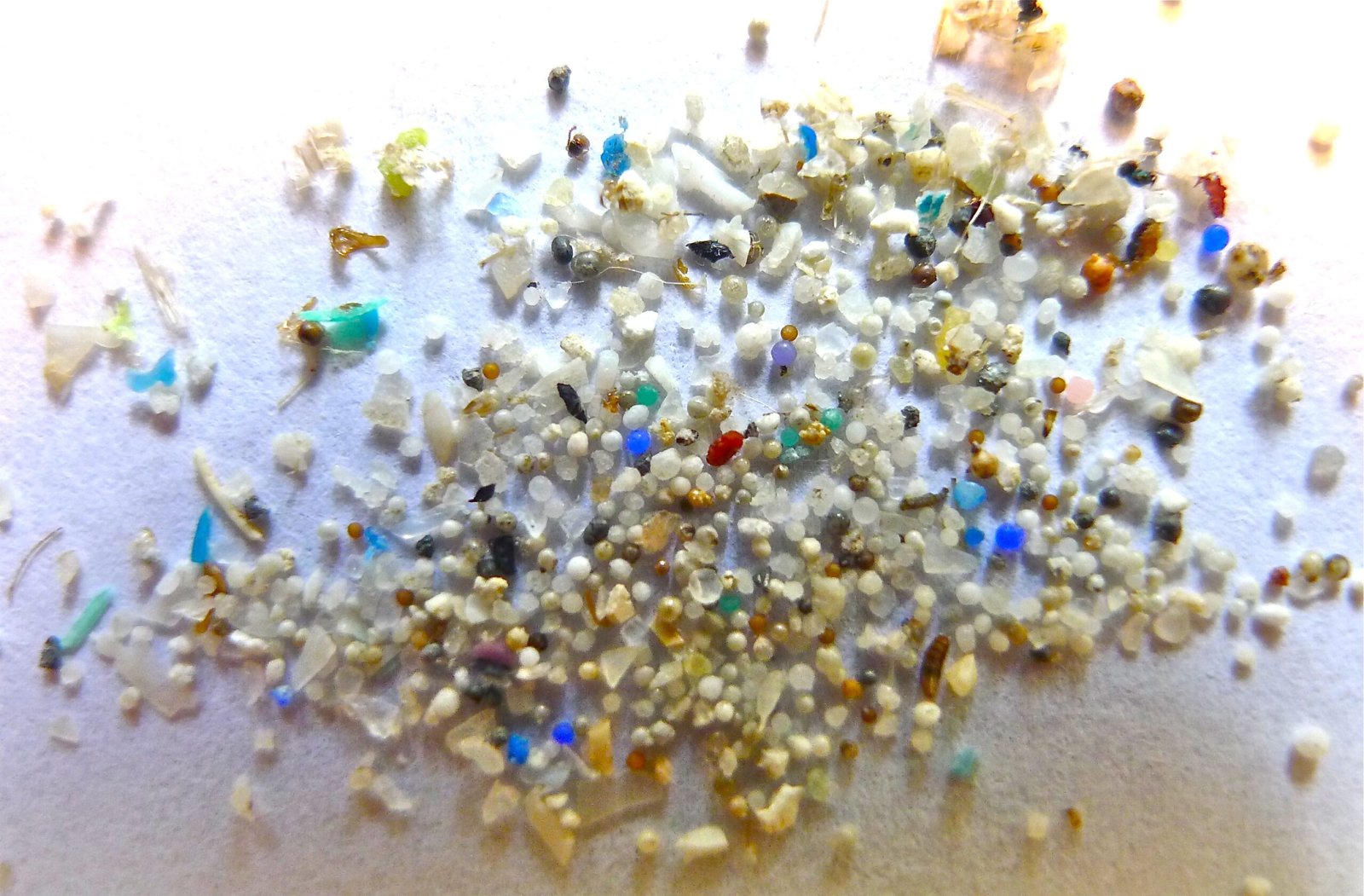
Photo: Oregon State University via Wikimedia Commons (CC BY-SA 2.0).
Key Takeaways
- The FDA states that “BPA is safe at the current levels occurring in foods,” according to its food-contact guidance updated in April 2023.
- In contrast, the European Food Safety Authority set a new tolerable daily intake for BPA in April 2023 that is about 20,000 times lower than its previous value.
- Most plastic kettles use polypropylene, which is not made with BPA, so “BPA-free” is often true by design.
- A 2020 Nature Food study found one polypropylene baby bottle released about 55 million microplastic particles per liter at 95°C, but kettles were not tested in that study.
- Above all, the health effects of microplastics are still unknown, so switching to steel or glass is a cautious choice, not a proven fix.
Are Plastic Kettles Safe? The Short Answer
So, are plastic kettles safe today? Based on current U.S. regulations, plastic kettles that are certified and made from approved food-contact materials are considered safe for normal use. In fact, millions of households use them without known harm. However, “safe by regulation” and “zero exposure” are not the same thing. For example, hot water can pull tiny amounts of material from plastic, and scientists are still studying what that means for health.
In other words, if you already own a plastic kettle, there is no evidence-based reason to panic. If you are buying a new one and want to limit plastic contact, stainless steel and glass models are easy alternatives.
What Are Plastic Kettles Made Of?
To answer are plastic kettles safe, start with the material. Most plastic kettle bodies use polypropylene, often marked with resin code 5. Generally, polypropylene handles high heat well and is widely used in food containers. However, some older or specialty kettles used polycarbonate, the clear, rigid plastic that is made with BPA. In addition, even stainless and glass kettles often have plastic lids, handles, water windows, or filters.
| Plastic Type | Resin Code | Made with BPA? | Common Kettle Use |
|---|---|---|---|
| Polypropylene (PP) | 5 | No | Kettle bodies, lids, filters |
| Polycarbonate (PC) | 7 (other) | Yes | Rare in modern kettles |
| Tritan copolyester | 7 (other) | No | Some clear water windows |
| Silicone | None | No | Lid seals and gaskets |
As a result, this explains why so many kettles say “BPA-free.” After all, polypropylene never contained BPA to begin with. Therefore, the label is accurate, but it does not tell you whether the plastic sheds microplastics or other compounds when heated.
What Regulators Say About BPA
BPA, or bisphenol A, is the chemical most people worry about when they ask are plastic kettles safe. Regulators on each side of the Atlantic have reached different conclusions about it.
The U.S. Position
According to the FDA’s page on BPA in food contact applications, “BPA is safe at the current levels occurring in foods.” Notably, the agency did stop authorizing BPA-based polycarbonate in baby bottles and sippy cups in 2012, and BPA-based coatings in infant formula packaging in 2013. However, the FDA notes those changes happened because industry had already abandoned those uses, not because of a safety finding.
The European Position
Meanwhile, the European Food Safety Authority took a stricter view. In April 2023, EFSA set a new tolerable daily intake for BPA of 0.2 nanograms per kilogram of body weight per day. That is roughly 20,000 times lower than its earlier temporary limit of 4 micrograms per kilogram, set in 2015. In short, the two agencies looked at similar science and drew very different lines.
| Agency | Year | Position on BPA |
|---|---|---|
| U.S. FDA | 2023 page update | Safe at current levels in food |
| EFSA (Europe) | 2023 | TDI cut to 0.2 ng/kg body weight per day |
| EFSA (Europe) | 2015 | Temporary TDI of 4 µg/kg body weight per day |
For kettle shoppers, the practical takeaway is simple. Since most kettles are already BPA-free polypropylene, BPA is a smaller concern than it once was.
What About Microplastics?

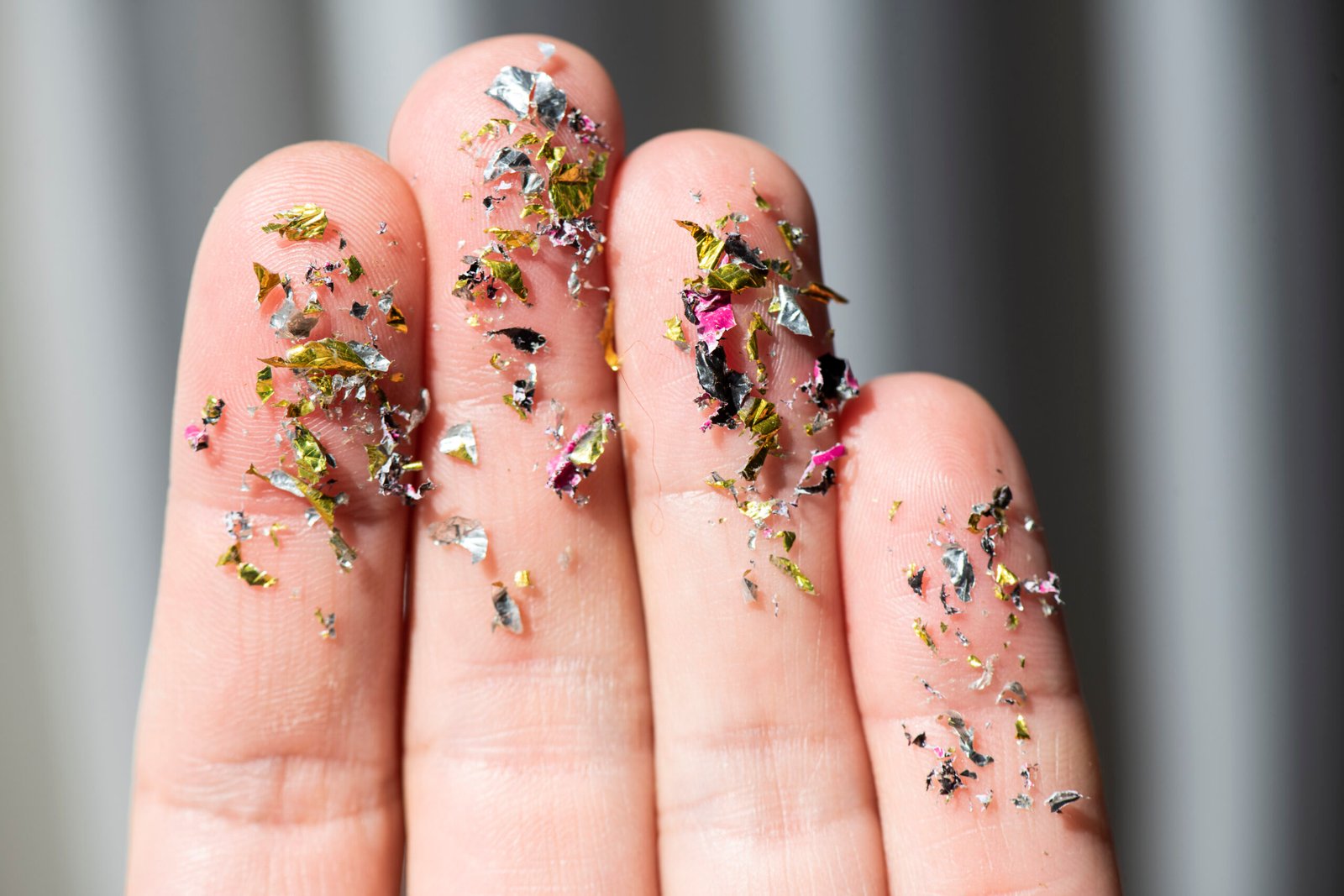
Photo: European Commission via Wikimedia Commons (CC BY 4.0).
Microplastics are the newer concern in the debate over are plastic kettles safe. Specifically, these are tiny plastic particles that can break off plastic surfaces, especially under heat and friction. Meanwhile, the most cited study came from Trinity College Dublin researchers, published in Nature Food in 2020.
According to a summary in Chemistry World, the team tested 10 polypropylene baby bottles. Overall, some released up to 16 million microplastic particles per use. Moreover, for one product, release rose from about 1 million to 55 million particles per liter when water temperature went from 25°C to 95°C. Consequently, that temperature effect is why kettles, which reach about 100°C, get attention.
What the Research Does Not Show
However, it is important to read this research carefully. First, the study tested baby bottles, not kettles. Second, the same summary notes that the health effects of these particles are unknown. Third, outside experts cautioned that it is too early to base policy on a single study. Therefore, the research supports caution, but it does not prove that plastic kettles cause harm.
| What We Know | What We Do Not Know |
|---|---|
| Hot water increases particle release from some polypropylene products | How much a typical kettle releases over its life |
| Release can be measured in millions of particles per liter | Whether those particles affect human health |
| New plastic items may shed more at first | How release changes after months of use |

Video: Doctor Sood discusses whether plastic kettles are safe.
Plastic vs. Stainless Steel vs. Glass Kettles

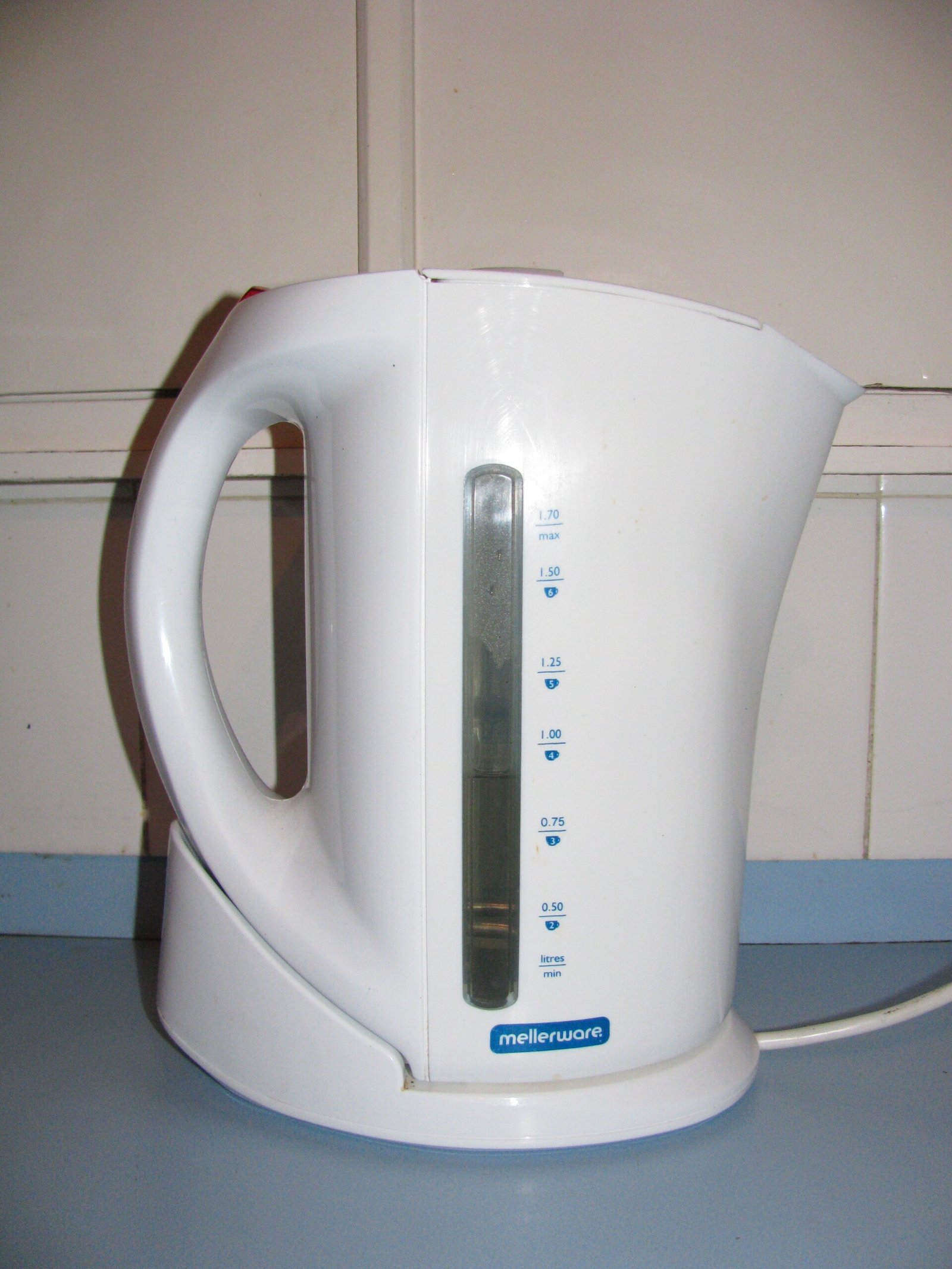
Photo: Meganbeckett27 via Wikimedia Commons (CC BY-SA 3.0).
So if you want to compare materials side by side, here is how the three main kettle types stack up.
| Factor | Plastic | Stainless Steel | Glass |
|---|---|---|---|
| Plastic contact with water | Most surfaces | Often lid or filter only | Often lid or filter only |
| Weight | Lightest | Medium to heavy | Medium |
| Outside temperature | Warm | Hot unless double-wall | Hot |
| Durability | Can crack or stain | Very durable | Can break if dropped |
| Price | Usually lowest | Low to high | Low to mid |
| Taste or odor issues | Plastic smell when new | Metallic taste when new | Neutral |
In short, plastic kettles win on weight and price, while steel and glass win on reducing plastic contact. For a broader look at kitchen materials, see our guide to the safest cookware for your health.
How to Reduce Exposure If You Keep Your Plastic Kettle
If you want to keep using your plastic kettle, a few habits may reduce contact time between hot water and plastic.
- Boil and discard several times when new. First, run three to five boils and pour them out before your first cup.
- Pour right after boiling. Then avoid letting hot water sit in the kettle for long periods.
- Boil only what you need. Next, smaller fills mean less water in contact with plastic.
- Avoid keep-warm modes for long periods. In addition, long holds keep plastic hot for longer.
- Do not scrub with abrasives. Also, scratches can roughen the surface.
- Replace a worn kettle. Finally, swap out kettles with cracks, cloudiness, or deep scratches.
These steps are sensible precautions rather than proven exposure reducers. Still, they cost nothing and also help the kettle taste better.
Dealing with Plastic Smells and Tastes
Of course, a plastic smell is one of the most common complaints with new kettles. Usually, it fades after a few boil-and-discard cycles. If it lingers, boil water with a few lemon slices or a tablespoon of baking soda, let it sit for an hour, and rinse well. However, if a strong chemical smell remains after a week, contact the seller, since it may signal a defect. Our guide on how to get burnt plastic smell out of a dishwasher explains why heat makes plastic odors stronger.
Who May Want to Be More Cautious?
For most adults, the question are plastic kettles safe has a reassuring answer under U.S. rules. However, some households prefer extra caution.
- Families preparing infant formula: First, since the microplastics study focused on baby bottles, some parents choose steel or glass for any water used in formula. Always follow your pediatrician and the formula label.
- Heavy daily users: In addition, people who boil water many times a day have more total contact between hot water and plastic.
- Keep-warm users: Also, kettles that hold water hot for an hour or more keep plastic heated longer.
- Owners of very old kettles: Finally, older, scratched plastic may behave differently from new material.
None of these groups faces a proven risk. Rather, they are simply the households where switching materials makes the most practical sense.
Signs Your Plastic Kettle Should Be Replaced
Even if you decide plastic kettles are safe enough for you, no kettle lasts forever. Watch for these signs:
- Cracks or crazing: For example, fine lines in the plastic can spread with heat.
- Cloudy or yellowed plastic: Similarly, discoloration often means the surface has aged.
- Lasting chemical smell: Meanwhile, an odor that will not fade is worth taking seriously.
- Deep scratches inside: As a result of rough cleaning, scratches give scale and residue more places to cling.
- Loose handle or failing shut-off: Above all, these are safety problems, not just wear.
When any of these appear, replacing the kettle is the simplest choice. In that case, it is also a natural moment to consider a steel or glass model.
Should You Switch to a Plastic-Free Kettle?
It depends on your priorities, so here is a simple way to decide:
- Keep your plastic kettle if: it is in good condition, certified, and you are comfortable with current U.S. regulatory guidance.
- Consider switching if: you are already reducing plastic in your kitchen, your kettle is old or scratched, or you use long keep-warm settings.
- Definitely replace it if: it is cracked, smells strongly of chemicals, or has a recall notice.
If you do switch, check what touches the water. Many “stainless steel” kettles still have a plastic water window or filter. Our guide to the best electric kettle compares stainless steel, glass, and other styles. If you prefer avoiding electric kettles entirely, our guide on how to make tea in a pot on the stove shows a simple alternative.
Bottom Line by Situation
If you want a quick verdict on are plastic kettles safe for your situation, use this table.
| Your Situation | Our Suggestion |
|---|---|
| Plastic kettle in good condition, occasional use | Keep using it and boil only what you need |
| Daily heavy use or long keep-warm holds | Consider a steel or glass water path |
| Preparing water for infant formula | Many parents prefer steel or glass; follow your pediatrician |
| Cracked, cloudy, or smelly plastic | Replace the kettle |
| Buying a new kettle | Check which parts touch the water before you buy |
These suggestions reflect a cautious reading of current evidence, not a medical recommendation. If you have specific health concerns, talk with your doctor.
Common Myths About Plastic Kettles
- Myth: BPA-free means plastic-free. In fact, it only means one chemical is absent.
- Myth: All plastic kettles contain BPA. However, most are polypropylene, which is not made with BPA.
- Myth: Microplastics are proven to cause disease. Instead, health effects are still being studied.
- Myth: Steel kettles have zero plastic. Similarly, many have plastic lids, filters, or windows.
FAQ
Are plastic kettles safe to use every day?
Under current U.S. guidance, certified plastic kettles made from approved materials are considered safe for everyday use. Still, if you want to limit plastic contact, steel or glass kettles are good alternatives.
Do plastic kettles contain BPA?
Most modern plastic kettles use polypropylene, which is not made with BPA. Therefore, they are usually BPA-free by design.
Do plastic kettles release microplastics?
Research on hot water and polypropylene baby bottles suggests heat increases particle release. However, kettles themselves were not part of that study, and health effects are unknown.
Is it safe to drink water from a new plastic kettle?
Yes, after a few boil-and-discard cycles. This removes manufacturing residue and helps with any plastic smell.
What is the safest kettle material?
Stainless steel and borosilicate glass are the most common choices for limiting plastic contact. Check the lid, spout, and filter too.
Are plastic kettles safe for tea and coffee?
Yes, under current U.S. guidance. However, if you notice a plastic taste, run a few more boil-and-discard cycles or consider a steel or glass kettle for better flavor.
Is a BPA-free kettle the same as a non-toxic kettle?
Not exactly. BPA-free only means that one chemical is absent, while “non-toxic” is a marketing term with no single legal definition. Therefore, check the actual materials listed.
Final Thoughts
So, are plastic kettles safe? Under current U.S. regulations, yes, for normal use with a certified kettle. Most are BPA-free polypropylene, and the FDA considers BPA safe at current food levels. However, Europe’s much stricter BPA limit and new microplastics research explain why many shoppers are moving to steel or glass. If you keep a plastic kettle, boil only what you need and replace it when it wears. If you want to minimize plastic contact, a kettle with a steel or glass water path is the easiest upgrade.


Hey, My name is MAMON. I am a SEO content creator and affiliate marketer with over 8 years of experience. I create honest product reviews, in-depth buying guides, and practical how-to articles to help readers make informed decisions. My mission is to provide trustworthy, research-backed content that delivers real value.