Imagine a quiet cabin surrounded by tall pines in the morning mist. You want a steaming mug of coffee, but your battery is low. The smell of fresh coffee beans fills the air as the sun rises. You need a way to enjoy coffee without using too much energy. Choosing low wattage coffee maker lets you enjoy your favorite ritual anywhere. Modern life often means we focus on being green and sustainable.
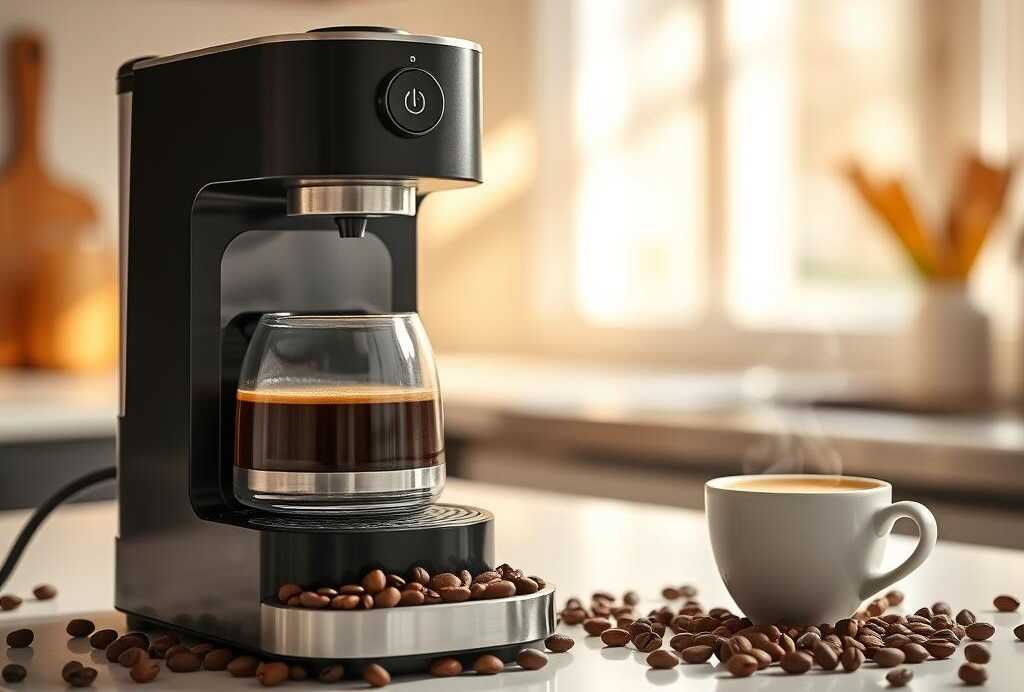
These compact brewers are great for small spaces like RVs or tiny apartments. Getting a low wattage coffee maker keeps you eco-friendly while getting your caffeine. This smart choice helps you keep your daily habits while saving natural resources.
Key Takeaways
- Consumes less power per brew cycle.
- Fits perfectly in small kitchens and studios.
- Supports eco-friendly and sustainable living habits.
- Works reliably in RVs, campers, and boats.
- Prevents tripped circuit breakers in older homes.
- Helps lower your monthly utility expenses.
Understanding Low Wattage Coffee Makers and Their Benefits
Changing your kitchen appliances can save you money each month. Many homes now choose efficiency over power to cut down on bills. Using a low wattage coffee maker lets you enjoy your coffee while saving on electricity.
These machines aren’t just for small spaces or RVs. They show a shift towards being more mindful of our use of resources. By picking a device that uses less power, you’re choosing a greener lifestyle without giving up your morning coffee.
Looking into low wattage coffee maker benefits shows they offer more than just saving on electricity. They’re great for places where power is limited or shared. This section will explain the technical side and what you can expect from their performance.
What Makes a Coffee Maker Low Wattage
A regular drip coffee maker uses 1,000 to 1,500 watts to heat water fast. Low wattage models use 600 to 800 watts. They have efficient heating elements and better insulation to achieve this.
These machines are made to heat water slowly and efficiently. They often have smaller water tanks to avoid overworking the heating element. This ensures a consistent temperature during brewing.
Energy Savings and Environmental Impact
Using a low wattage coffee maker means less electricity every day. This can lead to big savings over a year, even if you only make one pot. It’s even more noticeable if you make multiple pots or keep the machine on “keep warm” mode.
Less electricity also means less CO2 emissions. By choosing a low-power appliance, you help reduce the national carbon footprint. This supports a greener living environment.
Using less waste is another benefit. Many low wattage machines have permanent filters instead of disposable ones. This reduces waste and saves you money over time.
Performance Expectations for Lower Power Consumption
Using an energy-efficient machine means waiting a bit longer for your coffee. It takes a few minutes longer to heat the water to the perfect temperature. But, many say it makes the coffee smoother and less bitter.
These machines still reach the ideal temperature of 195 to 205 degrees Fahrenheit. You get the same great taste, but more efficiently.
Understanding low wattage coffee maker benefits helps you make smart choices for your kitchen. You get a reliable tool for off-grid setups or homes with sensitive circuits. The slower brewing time is worth it for long-term energy savings and peace of mind.
| Feature | Standard Coffee Maker | Low Wattage Coffee Maker |
|---|---|---|
| Typical Wattage | 1,000W – 1,500W | 600W – 800W |
| Brewing Time | 5 – 8 Minutes | 10 – 12 Minutes |
| Electricity Cost | Standard Rates | Significant Savings |
| Best Use Case | Large Offices/Families | RVs, Apartments, Eco-Homes |
Choosing the Right Low Wattage Coffee Maker for Your Needs
When picking a low wattage coffee maker, think about how much power you need and your coffee habit. It’s not just about saving energy. It’s about finding a machine that matches your lifestyle. Consider how many cups you drink and how much space you have.
Many coffee maker reviews say size is key for small spaces. If you live in a small place, look for best coffee makers for small kitchens. These small units use less than 700 watts but still make great coffee.
Before buying, think about what features will make your mornings better. Some low-power models have programmable timers for coffee ready when you wake up. Others are simple to use, keeping energy use low.
- Brew Capacity: Decide if you need a single-serve cup or a 5-cup carafe.
- Type of Coffee: Choose between traditional ground coffee or convenient pods.
- Auto-Off Function: Look for machines that shut down automatically to save more power.
- Dimensions: Measure your cabinet height to ensure a proper fit.
| Model Type | Average Wattage | Best For |
|---|---|---|
| Single Serve Pod | 600W – 800W | Quick morning routines |
| 5-Cup Drip | 550W – 650W | Small households |
| Compact best coffee makers for small kitchens | 400W – 600W | RVs and tiny homes |
Reading coffee maker reviews helps find durable brands. Quality materials keep heat better, saving energy. This keeps your coffee’s flavor just right.
Choosing a well-reviewed model saves money and the planet. You won’t need to replace it often.
Success in choosing a low wattage coffee maker comes from patience. They might brew slower than high-power units. But, they save energy and are great for many settings.
Preparing Your Low Wattage Coffee Maker for First Use
You’ve brought home your energy-efficient coffee maker. Now, it’s time to get it ready for your first cup. A few minutes of setup will make your coffee taste great and your machine last longer. This is a simple but important step for any new kitchen appliance.
Unboxing and Initial Cleaning Steps
Take out the machine from its box and remove any protective films or tape. Check the water reservoir and the carafe for packing materials like cardboard or plastic wraps. Always inspect the power cord for damage before plugging it in.
Do a thorough initial cleaning by washing all parts with warm, soapy water. This includes the brew basket, carafe, and lid. Rinse well to remove soap and dry with a soft cloth.
Don’t use abrasive sponges or harsh chemicals that could scratch your new appliance. A soft microfiber cloth is best for keeping it shiny. Once dry, put everything back together as the manufacturer says.

Running Your First Water Cycle
Before brewing your first pot, clear out any dust or particles. Fill the water reservoir to the top with fresh, filtered water. Don’t add coffee grounds to the filter basket yet.
Place the empty carafe on the warming plate and start a brew cycle. This cleans the heating elements and tubing, preparing the unit for its first use. It also checks for leaks or issues.
After the cycle ends, throw out the hot water and let the machine cool for a few minutes. Doing this twice ensures a clean start for your morning coffee.
Setting Up Your Brewing Station
Choose a flat, stable surface that can hold the machine and a full tank of water. Make sure there’s enough space to open the lid and fill the reservoir without moving the unit. Keep the low wattage coffee maker away from the counter edge to avoid accidents.
Ensure the power cord reaches the outlet without being stretched or resting on hot surfaces. Leave some space around the unit for ventilation, as even low-power models get hot. A dedicated coffee nook makes your morning routine more enjoyable and organized.
“A clean machine is the secret ingredient to a perfect cup of coffee, ensuring every note of the bean shines through.”
| Setup Step | Action Required | Primary Benefit |
|---|---|---|
| Unboxing | Remove all tape and plastic | Prevents melting and burning |
| Cleaning | Wash all removable parts | Removes factory dust and oils |
| Flushing | Run a water-only cycle | Cleans internal pipes and heater |
| Placement | Use a level, open surface | Ensures safety and performance |
Brewing Perfect Coffee with Your Energy-Efficient Machine
Creating a rich and aromatic cup of coffee starts with understanding how your machine handles heat and extraction. You don’t need a high-power appliance to enjoy a premium cafe experience at home. By focusing on a few key variables, you can ensure every cup tastes fresh and bold.
Energy-efficient machines often use unique heating elements to save power. This means your technique plays a vital role in the final flavor. Small changes in your routine will help you achieve the goal of brewing perfect coffee without wasting electricity.
Measuring Coffee Grounds for Optimal Flavor
Precision is the key to consistency when you use an energy-saving brewer. Always use a standard scoop or a digital scale for the best results. A precise coffee grounds measurement prevents your drink from tasting too weak or overly bitter.
Most experts suggest a ratio of one to two tablespoons of grounds for every six ounces of water. You can use the table below to find the right balance for your morning mug.
| Water Amount (oz) | Coffee Grounds (tbsp) | Resulting Strength |
|---|---|---|
| 6 oz | 1 tbsp | Mild and Smooth |
| 6 oz | 1.5 tbsp | Balanced |
| 6 oz | 2 tbsp | Bold and Intense |
Water Temperature and Quality Considerations
The quality of your water is just as important as the beans you choose. Use filtered water to avoid mineral buildup and strange aftertastes. Since your machine uses less power, maintaining the correct water temperature is essential for proper extraction.

Ideally, the water should reach between 195 and 205 degrees Fahrenheit. If your machine runs slightly cooler, you can pre-warm your carafe with hot water. This simple step helps the water temperature stay stable during the entire process.
Timing Your Brew Cycle Correctly
Low wattage machines may take a little longer to finish a full cycle. Avoid interrupting the process, as the flavor develops in stages. The first half of the cycle often extracts the acidity, while the later half adds sweetness and body.
The powers of a man’s mind are directly proportioned to the quantity of coffee he drinks.
Adjusting Strength Settings for Your Preferences
Many modern energy-efficient models include a “bold” or “strong” setting. This feature usually slows down the water flow to increase contact time with the grounds. You can use this setting if you prefer a heavier mouthfeel in your drink.
If your machine lacks these settings, try a slightly finer coffee grounds measurement. This adjustment increases the surface area and helps you succeed in brewing perfect coffee every time. Experimenting with these small details will lead to the perfect personalized cup.
Maximizing Efficiency While Maintaining Coffee Quality
To keep your coffee tasting great with low wattage coffee makers, you need a plan. It’s about using energy wisely to make every cup delicious. Saving power doesn’t mean sacrificing flavor.
Cleaning your coffee maker regularly is key. Mineral buildup can slow down the heating element. This makes your machine work harder and use more electricity.
Descaling your machine every few months is important, depending on your water’s hardness. This keeps your low wattage coffee makers running smoothly. It also stops old residues from making your coffee taste bitter.
Using filtered water can also help. It reduces scale buildup and makes your coffee taste cleaner. Fresh water keeps your machine working well for years.
Warming your mug before brewing helps keep your coffee hot longer. Since these machines use less power, they might not get as hot. A warm mug keeps your coffee at the perfect temperature without using more energy.
Storing your coffee grounds properly is also crucial. Keep them in an airtight container, away from sunlight. Fresh grounds ensure your coffee, even with slower brew cycles, tastes rich and bold.
| Maintenance Action | Primary Benefit | Frequency |
|---|---|---|
| Descaling | Improves heating speed | Every 3 months |
| Filtered Water | Prevents mineral buildup | Every brew |
| Pre-warming Mugs | Retains beverage heat | Every brew |
| Airtight Storage | Preserves bean freshness | Daily |
Maintaining and Troubleshooting Your Appliance
Keeping your energy-efficient brewer in top shape is key. Regular care ensures your coffee tastes great and the heating works well. If you ignore these steps, you might face mineral buildup and bitter coffee.
By sticking to a simple routine, your machine will run at its maximum efficiency. Small actions today can prevent big problems later. A clean machine also saves energy because it doesn’t have to heat through grime.
Regular Cleaning and Descaling Schedule
Every time you brew, coffee oils stick to the carafe and filter basket. Wash these parts with warm, soapy water after each use. This stops old residue from ruining your next coffee.
Descaling is crucial for maintaining a low wattage coffee maker. Calcium and minerals from tap water build up inside the tubes. Clean deep every one to three months, based on your water’s hardness.
| Task | Frequency | Benefit |
|---|---|---|
| Rinse Carafe | Daily | Removes oily residue |
| Wipe Exterior | Weekly | Prevents dust buildup |
| Descaling | Monthly | Clears mineral deposits |
| Deep Clean Filter | Monthly | Ensures smooth water flow |
Common Issues and Quick Fixes
If your machine brews slowly, it might need some troubleshooting. Most issues with low-power devices come from blockages or loose connections. Checking these can save you from buying a new machine too soon.
If the water doesn’t heat right, check the plug and outlet. A simple reset by unplugging for a minute can fix minor glitches. If brewing stops, look for a clogged spray head or a misplaced filter.
Excessive noise during brewing means it’s time for descaling. Air bubbles in mineral deposits cause these sounds. Troubleshooting these signs keeps your mornings peaceful.
Extending the Lifespan of Your Coffee Maker
Using filtered water protects your machine. It has fewer minerals, so you’ll need to descaling less. It also makes your coffee taste better and clearer.
Be gentle with the carafe and lid to avoid damage. Store the machine in a dry place when not in use. Maintaining a low wattage coffee maker needs careful handling and regular checks.
- Use high-quality filters to prevent fine grounds from entering the internal pump.
- Avoid harsh chemicals; white vinegar or specific coffee cleaners work best.
- Unplug the device during storms to protect sensitive circuits from power surges.
Conclusion
You can enjoy a great cup of coffee while saving energy. Choosing a low wattage coffee maker helps you lower your power bills. Brands like Keurig and Black+Decker offer models that fit small spaces and use less electricity.
These machines prove that you do not need high power for a hot drink. A low wattage coffee maker is a smart addition to any kitchen.
Efficient brewing makes your morning routine better for the planet. You get the same bold flavor with a smaller carbon footprint. This choice supports a lifestyle focused on sustainable living.
It is a simple step that makes a big difference over time. Practicing efficient brewing helps you stay mindful of your resources.
Your new low wattage coffee maker will serve you well for years. Keep it clean and descale it often to ensure the best results. You now have the tools to make smart choices for your home and the environment.
Start your journey toward sustainable living today with every brew you make.

Hey, My name is MAMON. I am a SEO content creator and affiliate marketer with over 8 years of experience. I create honest product reviews, in-depth buying guides, and practical how-to articles to help readers make informed decisions. My mission is to provide trustworthy, research-backed content that delivers real value.
Leave a Reply