


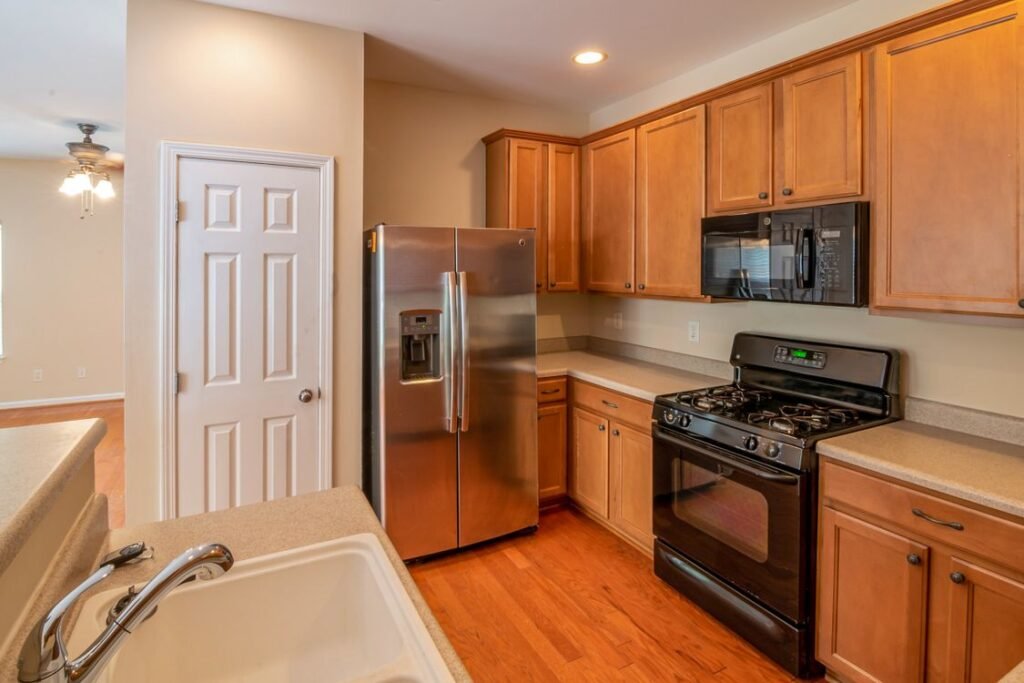
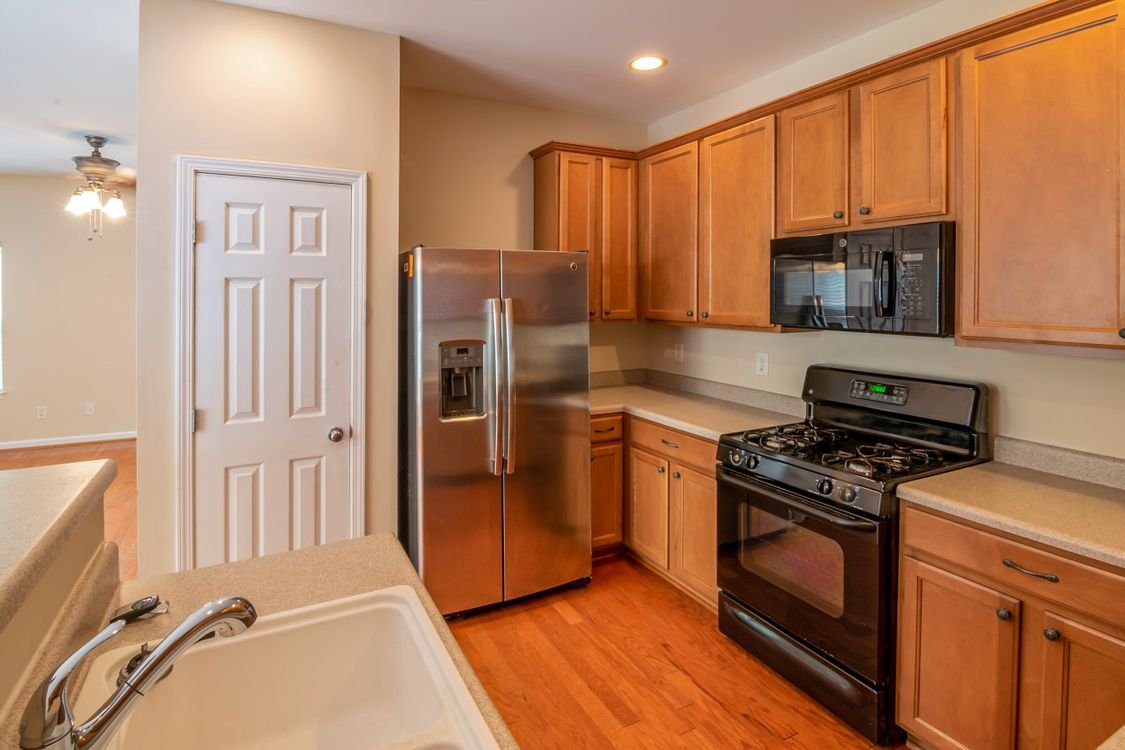

A gas stove oven heats up fast and gives you sharp control over flame intensity. It cooks food quickly and evenly once you know how to run it. But if you’ve just moved into a home with one, or you’re replacing an old electric range, the controls can feel unfamiliar at first.
This guide covers exactly how to use a gas stove oven. We’ll walk through lighting it safely, placing racks for even cooking, and the precautions that matter most in a U.S. kitchen. Still shopping for a unit? Our best gas range roundup is a good place to compare current models first.
Key Takeaways
- Most gas stove ovens built since the early 1990s use electronic ignition, not a standing pilot light.
- Never use a gas stove oven to heat a room. The CPSC lists this among the leading causes of accidental carbon monoxide exposure in U.S. homes.
- Rack position changes cooking speed. Lower racks cook faster and browner; upper racks cook slower and more evenly.
How Does a Gas Stove Oven Work?
A gas stove oven burns natural gas or propane at a burner near the bottom of the oven cavity. Turn the control knob, and gas flows to that burner. An ignition source then lights it. You’ll run into two ignition types in the U.S. market today:
- Electronic (spark or glow-bar) ignition: Turning the knob triggers a spark or heats a glow-bar igniter, which lights the gas automatically. This has been standard on nearly every gas range sold new in the U.S. since the early 1990s. It also doesn’t waste gas the way a standing pilot does.
- Standing pilot light: Found mostly on older ovens. A small permanent flame stays lit at all times and ignites the burner gas when you turn the knob. If your pilot goes out, don’t relight it yourself unless your manual walks you through it. A qualified technician is the safer call.
Once the burner ignites, a thermostat cycles the flame on and off to hold your set temperature. A safety device called a thermocouple constantly senses whether a flame is present. If it isn’t, the thermocouple shuts the gas valve. That keeps unburned gas from continuing to flow into your kitchen. This is exactly why you should never force an ignition switch that isn’t working. If your oven won’t light within a few seconds, turn the knob off. Wait a minute for any built-up gas to clear, then try again.
Step-by-Step: How to Use a Gas Stove Oven
1. Check for Gas Leaks Before First Use
Before lighting a gas stove oven for the first time, or after any gas line work, mix dish soap with water. Brush it along the connection points. Bubbles forming mean gas is escaping. Shut off the supply and call a licensed technician instead of trying to light the oven.
2. Turn the Control Knob to Ignite
Turn the oven control knob to your target temperature. On electronic-ignition models, you’ll hear rapid clicking as the igniter sparks. The burner should catch within a few seconds, and the clicking stops on its own. On pilot-light models, the standing flame ignites the burner as soon as gas reaches it. Either way, look for a steady blue flame. A flame that burns mostly yellow or orange can mean incomplete combustion. That’s worth a technician’s look, since it can also point to excess carbon monoxide.
3. Let the Oven Preheat Fully
Resist loading food in the moment you turn the dial. Opening the door during preheat lets heat escape and extends the wait, according to Whirlpool’s oven guidance. Most ovens need a genuine preheat cycle to reach a stable temperature before food goes in. Many modern ranges beep or light up once they’ve hit the target.
4. Position Your Oven Rack Before You Turn It On
Move racks into place before you start heating, not after. Whirlpool’s product guidance also warns against relocating a hot rack, especially with bakeware already on it. Where you put the rack changes how your food cooks:
- Bottom rack: Closer to the burner, so food browns faster and crisps on the bottom. Good for pizza, bread, and roasts.
- Middle rack: The default for most baking. Casseroles, cookies, and pies cook evenly here.
- Top rack: Best for broiling and finishing a golden top on casseroles or gratins.
5. Use Bakeware That Suits a Gas Oven’s Heat Pattern
Gas ovens tend to heat from the bottom burner. That can leave hot spots directly under the flame. A light-colored metal baking sheet or a covered casserole dish helps diffuse that heat. This keeps the underside of your food from scorching before the top finishes. Rotating pans halfway through a longer bake also helps even out temperature swings across the cavity.
6. Turn It Off Completely When You’re Done
Turn the control knob fully to “off” once you’re finished cooking. Don’t assume the oven cooling down on its own means the gas is off. On electronic-ignition models, confirm the display or indicator light has gone out.

Gas Stove Oven Safety Precautions
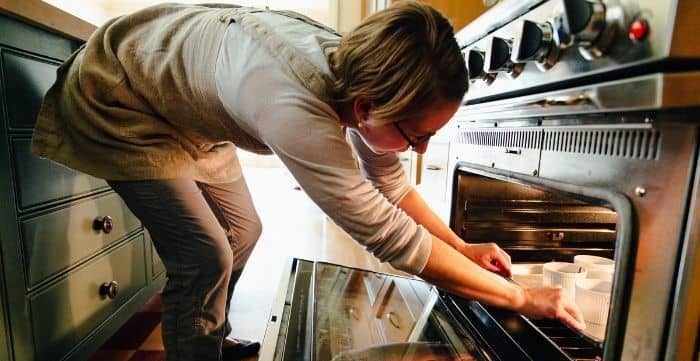
Gas cooking is safe when the appliance is installed and maintained correctly. But the fuel source means a few precautions matter more than they would with an electric range.
- Never use a gas stove oven to heat your home. The CPSC specifically warns against using a range or oven for space heating. It isn’t designed for continuous, unventilated combustion, and it can build up dangerous carbon monoxide levels indoors.
- Never leave a lit burner unattended. Stay in the kitchen, or at least within sight of the stove, whenever a burner or the oven is on.
- Install a carbon monoxide alarm. The CPSC recommends a CO alarm on every level of the home. Carbon monoxide has no smell or color, so you can’t detect it without one.
- Investigate any gas smell immediately. If you smell gas, don’t operate light switches or appliances. Leave the house, and call your gas utility or 911 from outside.
- Keep a fire extinguisher in the kitchen. Choose one rated for grease and electrical fires (Class B/C), and keep it within easy reach of the stove.
- Keep flammable items away from the burners, including oven mitts, wooden utensils, and paper towels.
- Schedule a professional inspection periodically. A qualified technician can check for gas leaks, confirm the burner flame burns clean blue, and verify your ventilation is adequate.
Common Gas Stove Oven Mistakes to Avoid
- Forcing the ignition switch. If the burner won’t catch after a few tries, stop. Let any accumulated gas clear for a minute before trying again, rather than holding the igniter down repeatedly.
- Skipping the preheat. Baked goods especially need a fully heated, stable oven. Starting them in a cold or partially heated oven throws off texture and rise.
- Using foil to line the oven floor. This can block airflow around the burner and interfere with combustion. Use a baking sheet on a rack instead.
- Ignoring a persistent yellow flame. A blue flame means clean, complete combustion. A yellow or flickering flame can mean a dirty burner or ventilation problem, and it’s worth a service call.
Natural Gas vs. Propane Gas Stove Ovens
Gas stove ovens run on one of two fuel sources, and they aren’t interchangeable without conversion. Natural gas is piped into the home through a utility line. It’s the more common option in cities and suburbs with existing gas infrastructure. Propane (LP) is stored in a tank on the property, and it’s typical in rural areas without natural gas service.
Most gas ranges ship configured for natural gas. A separate LP conversion kit is often included, or available from the manufacturer. Converting between fuel types isn’t as simple as flipping a valve, though. It requires swapping the burner orifices to a size rated for the different gas pressure, plus adjusting the regulator. This is a job for a licensed technician, not a DIY project. An incorrectly sized orifice can cause incomplete combustion and a yellow, sooty flame instead of a clean blue one.
Buying a new gas stove oven for a home without a natural gas line? Confirm the unit is propane-ready, or that a conversion kit is available, before you purchase.
Cleaning and Maintaining Your Gas Stove Oven
A little routine maintenance keeps a gas stove oven lighting reliably and burning clean:
- Wipe up spills promptly. Food debris that burns onto the oven floor or burner can smoke, and over time it can dirty the igniter enough to cause lighting problems.
- Clean the igniter gently. A soft brush or dry cloth removes dust and food residue without damaging the small component that creates the spark or glow.
- Use the self-clean cycle sparingly, if your model has one. Follow the owner’s manual for cycle length. Remove oven racks first unless the manual says otherwise, since self-clean’s extreme heat can discolor them.
- Check the burner ports for clogs. Small food particles or grease can block the tiny holes gas flows through, leading to an uneven or weak flame. A soft brush, or a needle with the gas off and the burner cool, usually clears them.
- Have the gas connection inspected periodically. A licensed technician can check the flexible gas line and connections for wear, especially if you’ve moved the range for deep cleaning.
Watch: Using a Gas Range Step by Step
Prefer to see the process in action? This walkthrough covers rack placement, cleaning basics, and the fundamentals for a first-time gas range owner.

Frequently Asked Questions
Do all gas stove ovens have a pilot light?
No. Most gas ranges sold in the U.S. today use electronic spark or glow-bar ignition instead of a standing pilot flame. Standing pilots mostly show up on older units, plus some outdoor and RV appliances.
Why won’t my gas oven light?
Common causes include a dirty or clogged igniter, a closed gas supply valve, or a faulty thermocouple on pilot-light models. If the burner clicks but doesn’t ignite within a few seconds, turn the knob off, wait a minute, and try again. Still no luck? Call a technician instead of continuing to force it.
Is it normal for a gas oven flame to be yellow?
No. A healthy gas flame burns blue. Yellow, orange, or flickering flames usually mean incomplete combustion. That can also produce more carbon monoxide, so it’s worth having the burner cleaned or serviced.
Can I use my gas oven to warm up the kitchen in winter?
No. The CPSC explicitly warns against using any gas range or oven as a space heater. It isn’t built for that kind of sustained, unventilated use, and it can let carbon monoxide build up indoors.
How long should I preheat a gas stove oven?
Most gas ovens reach a stable baking temperature in 10 to 15 minutes, though this varies by model and rack count. Removing unused racks before preheating can shorten the wait slightly. For precise-timing recipes like bread or pastry, wait for your oven’s preheat indicator instead of guessing by the clock. For more on picking the right unit, see our guide on how to choose a gas range for your kitchen.
Final Verdict
Learning how to use a gas stove oven comes down to two things: understanding ignition on your specific model, and getting rack position and preheating right. Most high-quality gas ranges label their controls clearly. Once you’ve lit the burner and confirmed a clean blue flame a few times, the whole process becomes second nature. Keep the safety basics in mind, especially never using the oven for heat and installing a CO alarm. Do that, and a gas stove oven will reward you with faster preheats and better heat control than most electric alternatives. When in doubt about a specific feature, your owner’s manual is always the definitive source for your exact model.


Hey, My name is MAMON. I am a SEO content creator and affiliate marketer with over 8 years of experience. I create honest product reviews, in-depth buying guides, and practical how-to articles to help readers make informed decisions. My mission is to provide trustworthy, research-backed content that delivers real value.