

Wood pellets are a favorite fuel among grill and smoker fans. They burn cleaner and more efficiently than charcoal. But knowing how to store wood pellets for grill use is the key to keeping them in good shape. Below are practical, tested tips for storing wood pellets the right way, so you get the most out of every bag.

Key Takeaways
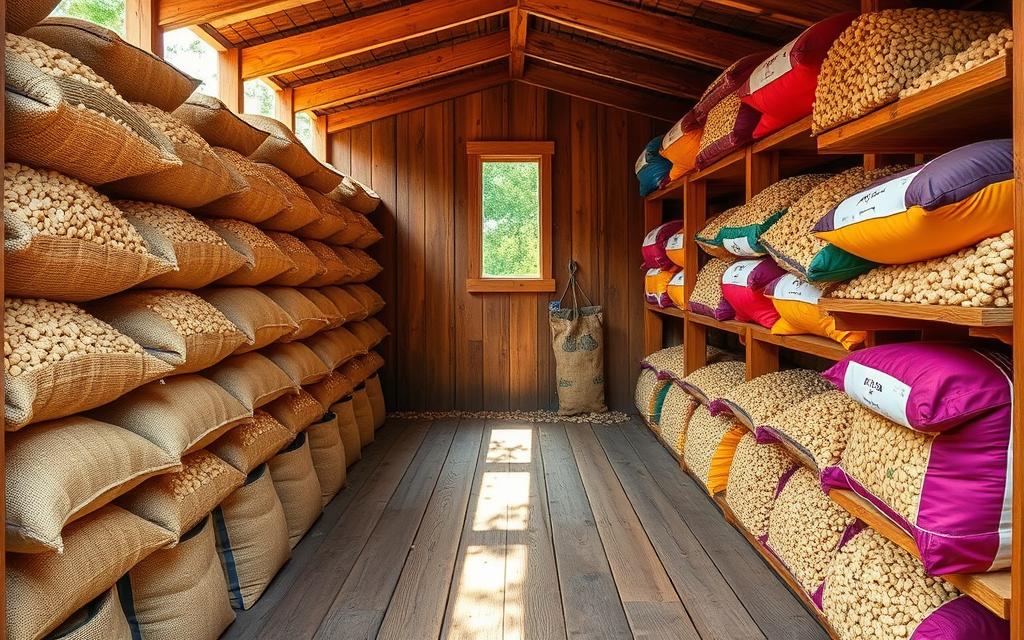
- Store wood pellets in a cool, dry place. Moisture is the single biggest threat to burn quality and smoke production.
- A sealable 5-gallon bucket or a dedicated pellet bin protects pellets better than the original paper bag.
- Before loading the hopper, do a quick check: fresh pellets should feel firm and snap cleanly when bent, not crumble.
- Keep wood pellets well away from open flames and heat sources. They are wood, and they are highly flammable.
- Clean your grill’s burn pot and auger regularly to reduce the risk of flare-ups and clogs.
Understanding Wood Pellets: What Are They?
Wood pellets are a renewable, efficient fuel for grilling and smoking. They’re made from compressed sawdust and other wood byproducts left over from lumber and furniture manufacturing.
Composition of Wood Pellets
Pellets are made by grinding wood into fine particles, then drying and compressing it under heat and pressure. No glue or binder is needed. Natural lignin in the wood softens under that pressure and holds the pellet together. Quality hardwood pellets should contain nothing but wood.
Benefits of Using Wood Pellets for Grilling
- Cost Savings: Buying pellets in bulk is often cheaper per cook than charcoal.
- Lower Emissions: Pellets burn more completely than charcoal or raw wood chips, leaving less waste behind.
- Efficient Heat Production: Pellets burn hot and steady, suiting everything from a quick sear to a long smoke.
- Flavor Variety: Brands such as Traeger, Pit Boss, and Bear Mountain offer species like hickory, apple, and mesquite.
Reputable pellet makers follow manufacturing guidelines from industry groups like the Pellet Fuels Institute, which sets national quality standards for wood pellet fuel. Those standards were built around residential heating pellets. Many of the same quality markers, low moisture and minimal dust, also apply to grilling-grade hardwood pellets.
Why Proper Storage Matters
Keeping wood pellets in good condition matters as much as buying quality pellets in the first place. Poor storage hurts flavor, smoke output, and how well your pellet grill runs. This is exactly why learning how to store wood pellets for grill use properly is worth the small amount of extra effort it takes.
Impact on Flavor and Performance
Moisture is the biggest problem for stored wood pellets. Too much moisture stops pellets from lighting properly and leads to weak, inconsistent smoke. Damp pellets swell, turn crumbly, and clog the auger. That’s one of the most common reasons a pellet grill won’t start or fails to ignite. Wet or moldy pellets can also ruin the taste of your food. Good storage habits pair well with good technique, and together they shape how much smoke flavor your food actually picks up.
Effects of Moisture and Contamination
Moisture and contamination create safety and cost problems too. Wet or rotten pellets can damage your grill’s internal parts and lead to repair bills. Pests or mold can make pellets unsafe to burn.

Proper storage protects your investment. Preventing moisture buildup is the single most important habit you can build.
Ideal Conditions: How to Store Wood Pellets for Grill Use
Getting the storage environment right keeps pellets grill-ready. They do best in a cool, dry spot with a fairly steady temperature. Water, high humidity, and temperature swings all work against pellet quality.
Temperature Considerations
There’s no single official temperature number every manufacturer agrees on. The practical guidance is consistent, though: avoid extreme heat, and avoid freezing, damp cold. A moderate, stable spot, like a garage, shed, or climate-controlled closet, beats a location that swings between hot and cold or bakes in direct sun. Traeger’s own storage guidance warns that moisture, which is often worse in humid, swinging conditions, causes pellets to expand and turn crumbly, which then clogs the auger.
Humidity Levels to Maintain
- Keep humidity as low as you reasonably can. Some pellet suppliers report pellets holding up for around six months in low-humidity storage, versus just a few months once they’re regularly exposed to damp air.
- A dehumidifier or moisture-absorbing desiccant packets help control humidity in a closet or shed.
- Skip damp spaces like basements, and don’t leave pellets uncovered outside. Both shorten their usable life fast.
Store pellets in a cool, dry spot with steady temperature and low humidity, and they’ll stay ready for a good, efficient burn.
Recommended Storage Containers for Wood Pellets
Picking the right container matters almost as much as picking the right location.
Choosing the Right Material
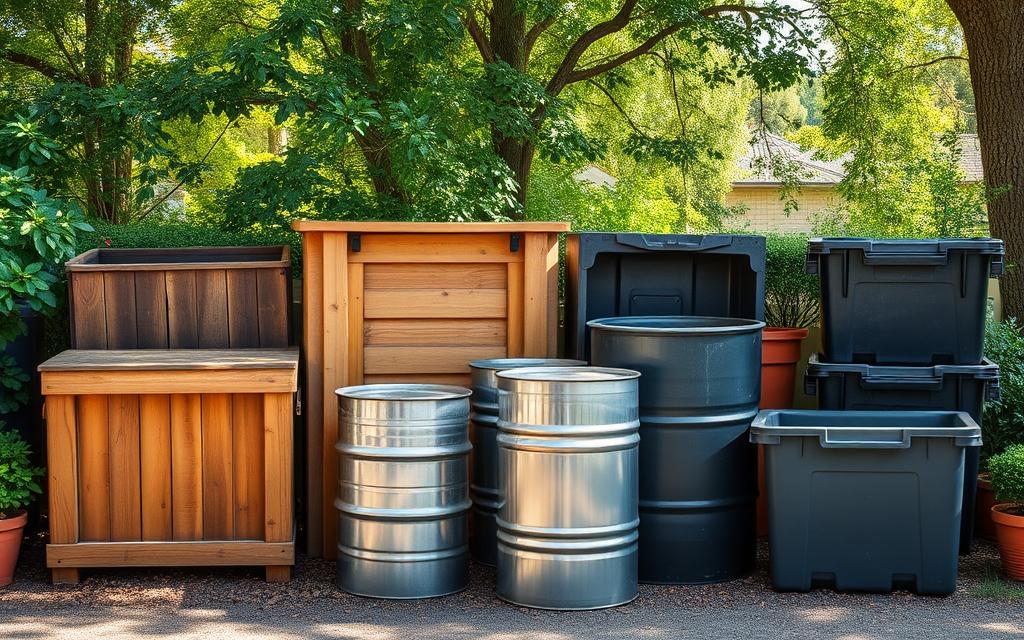
Look for containers that are moisture-resistant and seal tightly, like heavy-duty plastic or metal. Food-grade, airtight plastic buckets are an affordable choice that keeps pellets dry and protected.
Sealability and Ventilation Features
Make sure whatever you choose seals well, look for gasket-lined lids or multiple locking clasps. A built-in wire-mesh filter also lets you pour pellets out cleanly without stirring up dust.
Several grill brands sell dedicated storage buckets, including Traeger, Pit Boss, and Oklahoma Joe’s. Each is a convenient upgrade from the paper bag pellets typically ship in.
| Storage Container | Material | Capacity | Sealability | Extra Features |
|---|---|---|---|---|
| Traeger StayDRY™ Pellet Bin | Plastic | 22 lbs | Airtight, Locking Lid | Sized to fit under the hopper |
| Oklahoma Joe’s Pellet Bucket Kit | Heavy-Duty Plastic | 20 lbs | Airtight Lid, Multiple Clasps | Wire-Mesh Filter, Included Scoop |
| Pit Boss 5-Gallon Pellet Storage Bucket | Plastic | ~20 lbs (5-gallon) | Sealable Lid | Carry Handle |

Best Locations for Storing Wood Pellets
Once you have the right container, the next question is where to put it.
Indoor Storage Options
The best place for wood pellets is usually indoors, in a garage, shed, or utility closet. These spots shield pellets from rain and direct sun and keep humidity steadier than an open outdoor spot would. Storing pellets inside also helps you avoid auger jams from damp fuel.
Outdoor Storage Considerations
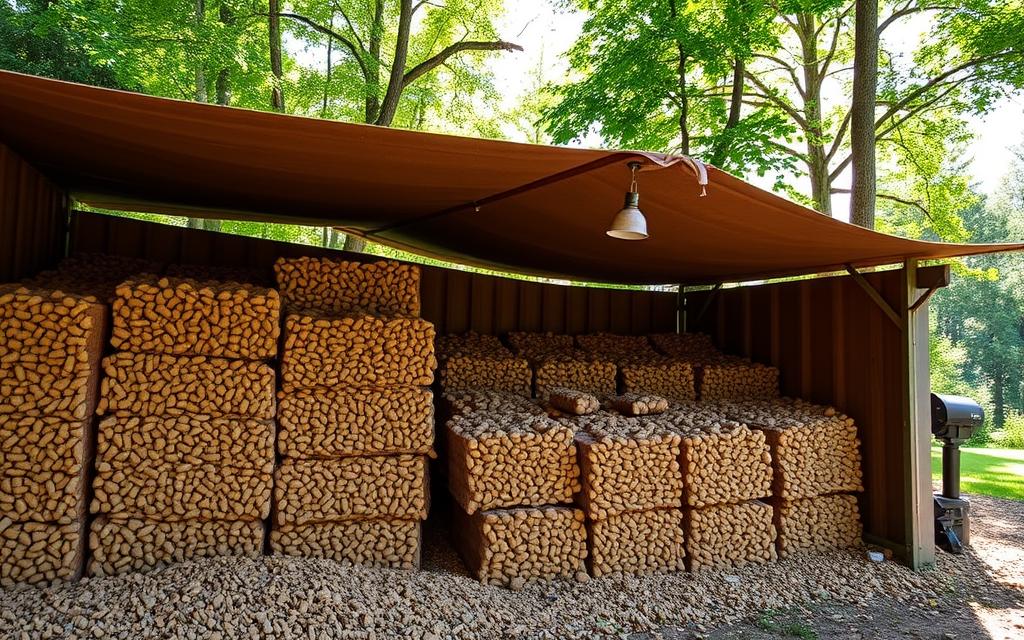
If you have to store pellets outdoors, pick a spot that’s elevated and shielded from wind, rain, and direct sun, not tucked under low branches where runoff collects. A waterproof tarp over the container adds another layer of protection.
Keep pellets well clear of heat sources like grills, smokers, or water heaters. Give pools, hot tubs, sprinklers, and anywhere runoff regularly collects a wide berth too. Extra distance costs nothing and prevents a ruined bag of pellets.
Tips for Keeping Wood Pellets Dry
Keeping pellets dry is one of the most important habits in pellet grilling. Wet pellets jam augers and throw off heat and flavor.
Using Desiccants
Desiccant packs are an easy, inexpensive way to manage humidity inside a storage container. These small packets absorb ambient moisture and help keep pellets dry between sessions.
Choosing Elevated Storage Solutions
Keep your container off the ground to avoid moisture wicking up from concrete or soil. A pallet, shelf, or simple platform does the job.
For outdoor storage, set the container on a raised platform and cover it with a waterproof tarp. That combination blocks rain, snow, and wind while keeping air moving underneath.
Dry, well-stored pellets are what let your grill hit and hold temperature reliably during a long cook, whether that’s a quick weeknight dinner or a slow reverse sear.
How to Check the Quality of Stored Pellets
Even with good storage, check your pellets before loading the hopper. Here’s how to spot pellets that should go in the trash.
Signs of Moisture Damage
Moisture damage is the most common issue with stored pellets. Check for these warning signs:
- Dampness to the touch
- A mushy or soft texture instead of a hard, smooth surface
- A foul or musty odor
Moisture-damaged pellets burn poorly and produce excess smoke. If you spot any of these signs, throw the bad pellets out.
Checking for Mold and Spoilage
Also watch for mold. Green, black, or white spots on the pellets are a clear sign. Moldy pellets can affect flavor and health, so they’re never worth the risk. A quick visual and smell check before every cook takes just a few seconds and can save an entire session from being ruined by a bad batch.
A quick freshness test costs nothing: pick up a few pellets and try to snap them. Pit Boss’s own storage guidance recommends this exact check. Fresh pellets are firm and break with a clean snap. If they crumble or bend instead, they’ve absorbed too much moisture.
How to Avoid Pests in Wood Pellets
Storing wood pellets for your pellet grill takes more than keeping them dry. Pests are a real risk too.
Common Pests to Watch Out For
The high heat used to manufacture wood pellets keeps most insects out, but rodents are a different story. Watch out for:
- Mice
- Rats
- Squirrels
- Weevils
These pests are drawn to the wood itself and to any added flavoring. They can contaminate pellets, chew through packaging, and in rare cases create a fire risk by gnawing into containers near heat sources.
Preventative Measures
A few simple habits keep pests out of your pellet supply:
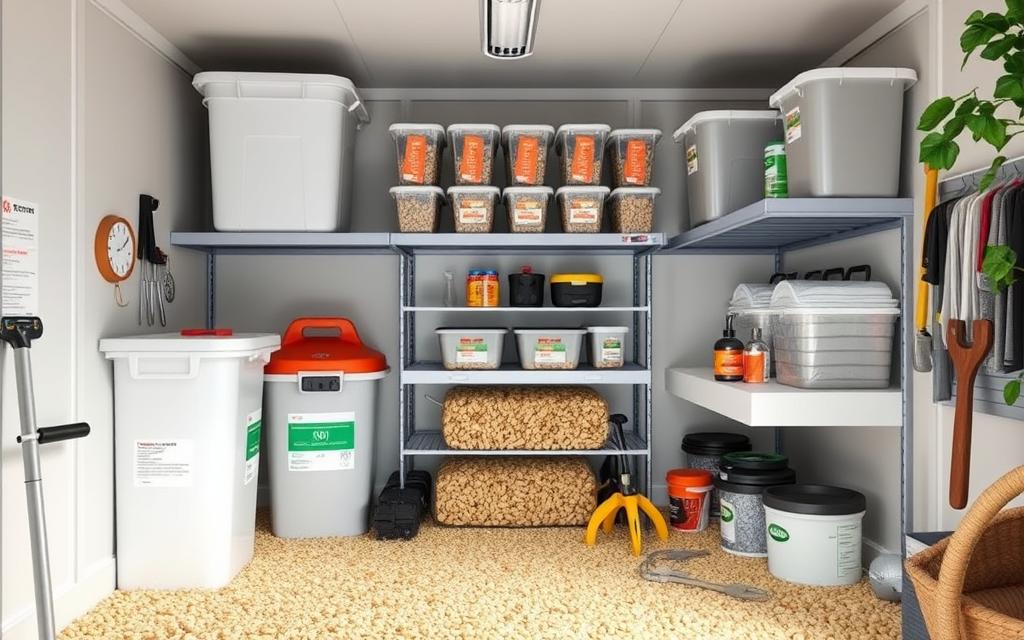
- Store pellets in airtight, sealed containers made of metal or hard plastic.
- Don’t keep pellets in their original paper bags long-term. Rodents chew straight through them.
- Check storage areas regularly for droppings or gnaw marks.
- Use desiccant or silica packs to control humidity.
- Keep containers off the ground so rodents can’t nest around them.
- Natural deterrents like peppermint oil can help, but they’re not a substitute for a sealed container.
Following these steps keeps pellets fresh, dry, and ready for your next session.
When to Replace Your Wood Pellets
Even the best storage setup has limits. Knowing when to replace pellets is part of getting consistent grilling results.
Shelf Life of Wood Pellets
Stored well, wood pellets typically hold up for six months to a year, sometimes longer in a dry, temperature-stable space. Flavor and burn quality tend to fade gradually well before pellets become unusable, so fresher is always better. Check the shelf-life guidance printed on the bag, since it varies somewhat by manufacturer and species.
Signs It’s Time to Replace Them
- Weaker smoke production than usual
- Inconsistent grill temperature, often from pellets that absorbed moisture
- Musty odors or off-flavors in finished food
- Trouble getting pellets to ignite at all
- A buildup of fine pellet dust in the hopper or auger
How often you need fresh pellets depends on your storage setup, how often you grill, and pellet quality. Better hardwood pellets generally hold up longer than lower-grade blends. Frequent grillers may go through a bag before storage life is ever a concern, while occasional grillers should just keep pellets sealed and dry between cooks. Either way, 100% food-safe hardwood pellets are worth it for performance and safety.
Transferring Wood Pellets to Smaller Containers
If you go through pellets steadily, moving them into smaller containers after opening the bag can make day-to-day use easier.
Benefits of Smaller Containers
- Improved Freshness: Smaller, sealed containers limit how much air and moisture reach the pellets at once.
- Easier Handling: A 40-pound bag is awkward to lift and pour. Smaller containers are lighter to manage at the grill.
- Better Organization: Labeled containers make it simple to keep wood species separate and grab the right one for each cook.
Best Practices for Safe Transfer
- Use Airtight, Moisture-Proof Containers: Choose plastic or metal bins with tight-sealing lids.
- Label Containers Clearly: Note the pellet type and transfer date, so you can track freshness at a glance.
- Minimize Exposure to Air and Moisture: Work quickly, and use a scoop or funnel to avoid spills.
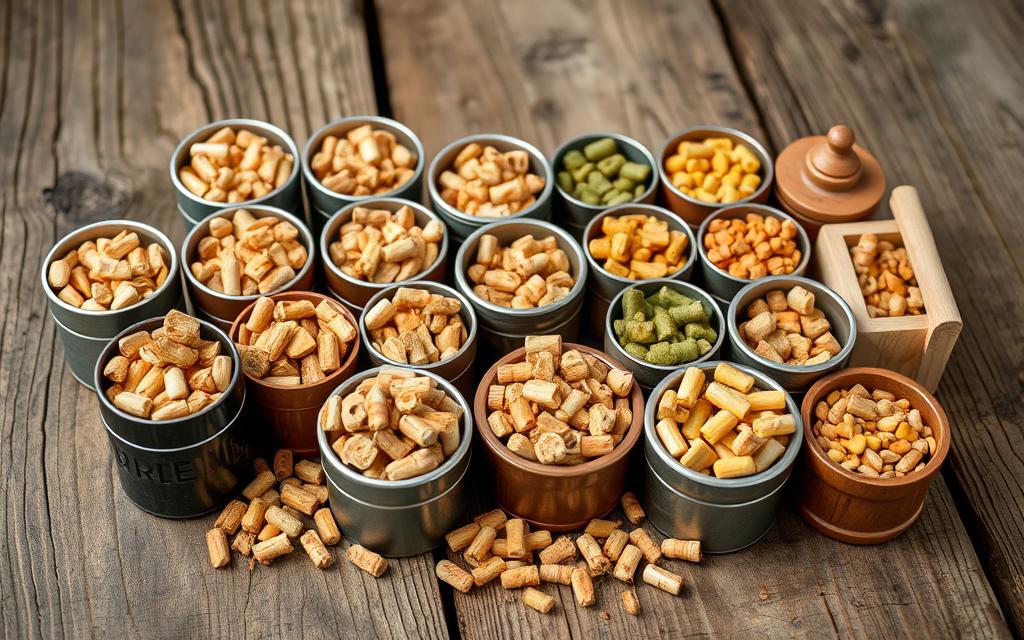
This small extra step pays off in fresher fuel and a more organized setup at the grill.
Frequently Asked Questions About Wood Pellet Storage
New to pellet grilling? Here are a few common misconceptions, plus quick tips for getting storage right from the start.
Common Myths About Wood Pellet Storage
- Myth: Wood pellets must stay in their original bag. In reality, you can transfer them to smaller containers, as long as those containers are airtight.
- Myth: All wood pellets attract pests equally. Pellets made from pure hardwood sawdust, with no added binders or scents, tend to attract fewer pests than blended or flavored pellets.
Essential Tips for New Owners
- Pick a cool, dry storage spot, indoor or outdoor, and avoid high humidity or big temperature swings.
- Store pellets in airtight containers to block moisture and dust. Desiccant packs are an easy add-on.
- Check pellets periodically for moisture, mold, or pest activity. When in doubt, toss them.
- Buy pellets in a quantity you’ll actually use within a few months rather than stockpiling more than your storage space can protect.
Get the basics of how to store wood pellets for grill use right, and you’ll get consistent, good-tasting results from a pellet grill cook after cook.
Conclusion
Proper storage keeps your wood pellets in top shape from the day you bring them home to the day you load the hopper. Follow the steps in this guide and your pellets will stay fresh, dry, and ready to deliver a clean, flavorful burn.
Recap of Storage Tips
Store wood pellets in airtight containers, in a dry, temperature-stable spot. Keep them elevated and away from moisture, pests, and heat sources. Check them periodically, and replace them once quality starts to slip.
Encouragement to Maintain Quality
Starting with quality hardwood pellets from a reputable brand is a smart first step. Storage is what protects that investment. Once you know how to store wood pellets for grill use properly, you’ll spend less time troubleshooting a balky grill and more time cooking.


Hey, My name is MAMON. I am a SEO content creator and affiliate marketer with over 8 years of experience. I create honest product reviews, in-depth buying guides, and practical how-to articles to help readers make informed decisions. My mission is to provide trustworthy, research-backed content that delivers real value.