


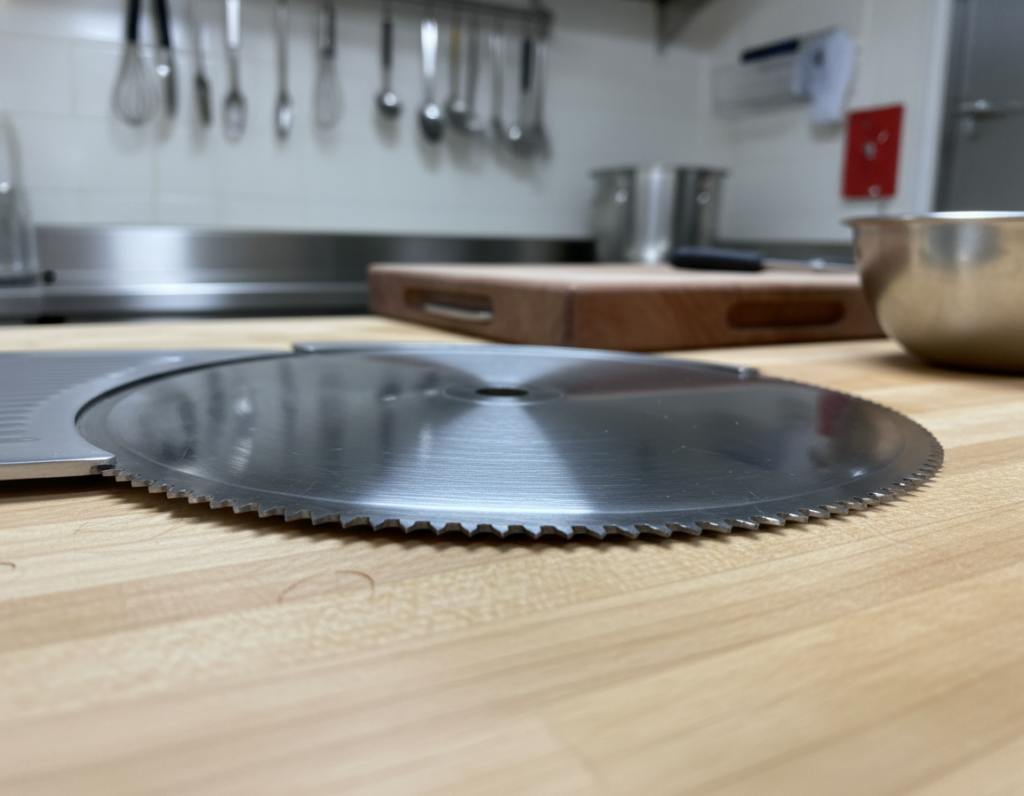
You walk into the kitchen and notice the slices look ragged. A busy shift and dull edges have made prep slow and risky. That day a line cook swears by learning how to sharpen a meat slicer blade, a quick tune-up that brought the machine back to life. Proper care extends equipment life and keeps food service running smoothly
When you use your slicer, apply pressure correctly so particles do not clog the cutting area. The right sharpening process uses a stone or rods to restore the edge and return clean, even cuts.
In this guide you will learn safe steps, simple tools, and when it is time to service your product. Follow these techniques and your slicer blades will perform like new, keeping your kitchen efficient and safe.


Key Takeaways
- Regular care keeps slicers efficient across their full life.
- Manconi’s long history signals durable, serviceable products.
- Use stones or rods and correct pressure for best edge restoration.
- Sharpen when cuts decline to avoid safety and quality issues.
- Cleaning and proper technique prevent particle buildup and wear.
Recognizing When Your Slicer Needs Attention
When slices start tearing instead of gliding cleanly, it signals service is overdue. Small changes in cut quality can mean bigger losses in product and time. Watch for visual and performance cues during daily prep.

Signs of a Dull Blade
- Cuts become uneven or ragged, increasing waste and trimming time.
- The disc drags and tears food rather than producing clean slices.
- Routine tasks take longer and the machine feels sluggish during use.
- Visible nicks or dull zones appear on the edge when inspected.
- Sharp stones or honing tools restore performance when used promptly.
“A worn edge costs more in wasted product than in a short maintenance pause.”
| Symptom | Likely Cause | Recommended Action |
|---|---|---|
| Uneven slices | Dull or nicked blade | Inspect edge; use a stone for light honing |
| Increased waste | Poor cutting performance | Schedule sharpening and check alignment |
| Machine drags | Built-up residue or worn edge | Clean carriage; inspect blades and replace if needed |
Essential Safety Protocols Before You Begin
Before you touch any parts, pause and set up a safe workspace for the task ahead. Wear cut-resistant gloves and clear the area of clutter. This lowers injury risk and keeps staff safe.
Always disconnect the machine from mains power. An unplugged unit lets you handle the sharpener and blade without electrical hazards.

- Never apply pressure to the knife edge with bare fingers. Use gloves or tools instead.
- Choose the correct sharpening stone or rods for your blades. The right stone preserves edge geometry and reduces wear.
- Manconi slicers meet European health and electromagnetic compatibility rules, providing an added safety layer for your kitchen staff.
- Take your time. A sharp tool is useful but dangerous when handled without care.
- Keep slicers in good working order so the machine stays safe for every employee through a busy shift.
- Store your sharpener and stones properly after use and inspect blades for nicks before returning the unit to service.
“Personal protection and a powered-off machine are the two best defenses against accidents during maintenance.”
How to Sharpen a Meat Slicer Blade Correctly
Make safety your first step: clear the area and put on cut-resistant gloves. This keeps your hands safe while you handle parts and the sharpener.
Preparing the Machine
Disconnect the machine from the mains and set the graduated knob to zero. Unscrew the sharpener locking knob and lift the sharpener. Rotate it 180 degrees so the blade sits between the two sharpening wheels.
The Sharpening Process
Secure the sharpener, reconnect the machine to the mains, and press the button on the slicing wheel for about 6–8 seconds. If the edge needs more work, repeat the operation two or three times until cuts return to professional quality.

Post-Sharpening Cleanup
Remove the sharpener and clean the wheels with warm water, a degreasing product, and a brush. Make sure you remove metal particles and dust residue from the area.
- Tip: Manconi models allow easy part removal for faster cleaning and longer equipment life.
- Always store stones and rods dry and inspect slicer blades before reuse.
“Personal protection and a powered-off machine are the two best defenses against accidents during maintenance.”
Maintaining Your Sharpening Stones and Equipment
Neglected stones trap metal and grit, which dulls edges faster than normal use. Regular care keeps tools working and safe. Spend a few minutes after each session on cleaning and inspection.
Cleaning Your Sharpening Wheels
Remove wheels and rinse them with warm water and a degreasing product. Use a brush to lift metal particles.
Dry parts fully before reassembly. Wet stones or wheels can lose grit and shorten equipment life.
Tip: Clean the surrounding area where the sharpener sits. Metal dust can contaminate food and harm kitchen hygiene.
Choosing Replacement Parts
Use wheels and stones that match your slicer models. National Band Saw carries parts for Hobart, Bizerba, Globe, and Berkel.
Replacing worn stones or rods is cheaper than buying a new sharpener. Make sure parts fit and maintain edge geometry.
“Investing in quality replacement parts saves time and keeps cuts consistent.”
| Vendor | Brand Support | Compatibility Notes |
|---|---|---|
| National Band Saw | Hobart, Bizerba, Globe, Berkel | High-quality parts; check model number before ordering |
| OEM Suppliers | Manufacturer-specific | Exact fit for machine models; best for edge geometry |
| Aftermarket Options | Multiple brands | Cost-effective; verify material and grit rating |
Conclusion
A brief maintenance pause can restore cutting quality and save you hours each week. Keep your meat slicer clean and check the blade regularly to avoid waste and downtime.
Follow the right sharpening steps and use protective gear when you handle the sharpener or knife parts. This keeps you safe and preserves the tool’s edge.
Clean stones after each use and replace worn parts so your slicers serve longer and deliver consistent cuts. Good upkeep protects the machine and the product you serve.
Consistent care saves time, reduces waste, and helps your kitchen meet hygiene and safety standards every shift.


Hey, My name is MAMON. I am a SEO content creator and affiliate marketer with over 8 years of experience. I create honest product reviews, in-depth buying guides, and practical how-to articles to help readers make informed decisions. My mission is to provide trustworthy, research-backed content that delivers real value.