


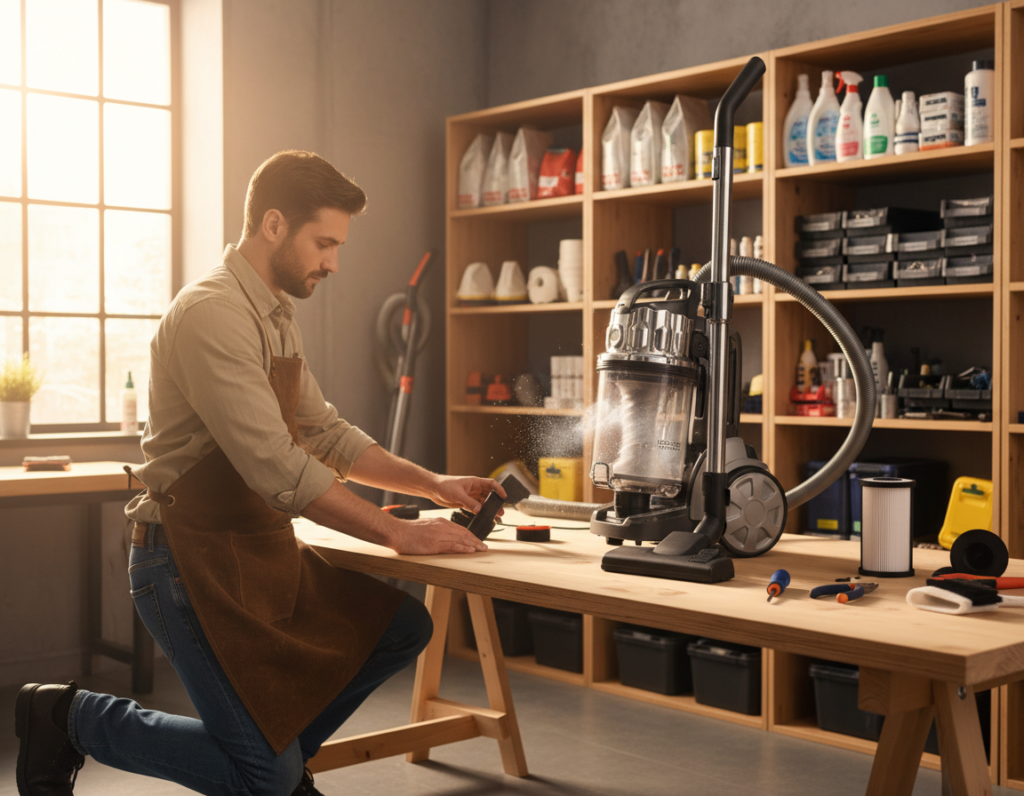
You come home after a busy day and notice the rug still holds crumbs. At first, you blame the floor. Then you realize your machine is not pulling like it used to. That small loss in suction can feel frustrating. If you are wondering how to increase suction power of vacuum cleaner, regular maintenance is often the answer. Electrolux India says a well-kept vacuum can last up to eight years, and they offer five essential tips that help keep performance steady.
With simple maintenance, you save money and avoid tossing useful products. Regular checks of filters, hoses, and brushes often fix the most common issues fast.
Stick with regular care and your power vacuum cleaner will handle daily messes and keep your home healthier. The steps ahead will be clear, practical, and easy to follow so you get lasting value from your investment.


Key Takeaways
- Simple maintenance helps your vacuum reach an eight-year life span.
- Five practical tips from Electrolux India boost long-term performance.
- Routine cleaning of parts avoids common failures and extra costs.
- Consistent care preserves suction and ensures effective cleaning.
- Small efforts now mean fewer replacements and a healthier home.
Understanding How Suction Power Works
A drop in suction often shows up as missed crumbs in high-traffic areas. Before you adjust settings or buy parts, it helps to know what metrics mean and why they matter for cleaning performance.
Defining Air Watts and Pascals
Air Watts (AW) combine airflow and pressure into a single figure. Manufacturers use AW for upright and cordless models to show real-world capability.
Pascals (Pa) measure negative pressure at the inlet. Robot and stick units often list Pa; the Seesii K-903 reaches 15,000 Pa in high mode for tougher jobs.
Why Suction Matters for Cleaning
Effective cleaning depends on moving air without straining the motor. A well-shaped nozzle directs airflow so rugs and carpets release embedded debris.
- Uprights around 180–200 AW handle deep pile and stubborn dirt.
- Cordless models use AW or Pa to indicate if they suit light use or heavy-duty work.
| Metric | Used For | Typical Range |
|---|---|---|
| Air Watts (AW) | Upright, cordless | 100–200+ AW |
| Pascals (Pa) | Robots, stick vacs | 5,000–15,000 Pa |
| Nozzle design | All types | Directs airflow for better lift |
Common Reasons Your Vacuum Loses Performance
A sudden rise in missed spots often signals a drop in overall cleaning efficiency. Clogs and dirty filters sit at the top of the list. They limit air movement and cut the machine’s effectiveness.
Blockages in a hose or a full dust container stop proper airflow. When that happens, the motor works harder but lifts less dirt. You may hear louder sounds while the unit fails at basic cleaning tasks.
Quick checks you can do:
- Inspect the hose for threads, clumps, or lodged debris.
- Empty the bin before it reaches capacity.
- Tap or rinse washable filters as recommended by the maker.
“A noisy motor with poor pickup usually means the suction path is blocked.”

| Issue | Common Symptom | Simple Fix |
|---|---|---|
| Clogged hose | Weak pickup, odd noises | Remove obstruction, inspect with a flashlight |
| Full dust bin | Drop in airflow | Empty often during heavy cleaning |
| Dirty filters | Fine dust not collected | Clean or replace filters per manual |
How to Increase Suction Power of Vacuum Cleaner at Home
When your carpet still hides grit after a pass, simple checks often fix the issue. Start by emptying the dust bin once it reaches about 70–80% full. A less full container keeps steady airflow and stops the motor from working harder than needed.
Next, inspect the motorized brush for hair and fibers. Tangled hair can stop the brush from spinning and strain the motor, which reduces cleaner suction on carpets and floors.
Wipe attachments and the nozzle with a cloth to remove built-up dust. Then check the hose for blockages; clearing lodged debris restores the airflow that your device needs for effective cleaning.
- Empty bin at 70–80%: keeps airflow optimal.
- Remove hair from brush roll: prevents motor strain.
- Clean attachments and nozzle: improves first-pass pickup.
- Clear hose blockages: restores consistent air movement.
“Routine care brings back strong suction and extends the life of your power vacuum cleaner.”
The Role of Airflow and Sealing
Air leaks quietly steal cleaning performance and leave carpets feeling underworked. Good airflow and tight seals keep the motor’s effort focused on the floor where debris sits.

Identifying Air Leaks in Your System
Check each joint and attachment for gaps. The connection between the hose and the wand is a common weak point. If parts wobble or fit loosely, false air will enter and reduce vacuum suction.
What to inspect:
- Hose ends and nozzle mounts for wobble or cracks.
- Seals around the dust bin and frame for worn gaskets.
- Attachment joints that don’t click into place.
Why it matters: A well-sealed unit directs all its power toward lifting dirt. When you fix air leaks in a cordless or corded model, cleaner suction often returns to its original level.
| Location | Symptom | Quick Fix |
|---|---|---|
| Hose connection | Whistling sound, weak pickup | Replace cuff or use tape seal |
| Nozzle/wand | Poor edge cleaning | Align and tighten fittings |
| Dust bin seal | Reduced airflow, dust leak | Clean seal, replace gasket if cracked |
Maintaining Your Filters for Peak Efficiency
Clogged filters quietly rob airflow and make routine cleaning less effective. Keep the filter path clear and your machine runs with less strain and better pickup.
Cleaning Pre-Filters
Wash washable pre-filters every 1–2 weeks. Tap out loose dust first, then rinse under running water until it runs clear.
Replacing HEPA Filters
HEPA filters should be inspected and replaced every 6–12 months. A high-quality HEPA keeps fine dust and allergens trapped while preserving airflow and motor life.
Drying Procedures
Never reinstall a damp filter. Let washable parts dry at least 24 hours on a rack. Wet filters risk motor damage and mold growth.
- Quick tips: Clean pre-filters often and swap HEPA on schedule.
- A clogged filter is the top cause of lost suction; check filters first when performance drops.
- Keep the brush and filter area clear of hair and lint for steady airflow.
| Filter Type | Frequency | Action |
|---|---|---|
| Pre-filter | Every 1–2 weeks | Tap, rinse, air-dry 24+ hours |
| Fine dust filter | Monthly | Rinse and fully dry before use |
| HEPA | 6–12 months | Replace or clean per manufacturer |
Inspecting Brushes and Attachments
A tangled brush roll can ruin a cleaning pass before you know it.
Check the motorized brush often for hair and fibers. These strands wrap around the roller and stop the brush from spinning. When that happens, the motor may strain and bearings can wear out.

Remove any detachable roller and use scissors to cut knots carefully. Work along the roller and avoid nicking the bristles. A neat brush agitates carpets and loosens dirt so the unit can pull debris into the bin.
- Inspect brush roll: remove hair before it compacts.
- Trim knots with scissors: preserve bristles while clearing tangles.
- Check bearings: debris-clogged bearings cause motor strain.
- Clean attachments and nozzle: keep them free of hair for smooth gliding on floors and carpets.
| Item | Symptom | Quick Fix |
|---|---|---|
| Brush roll | Won’t spin, low suction | Remove roller, cut hair, reassemble |
| Brush bearings | Grinding noise, motor stress | Clear debris, greased/replaced if worn |
| Nozzle & attachments | Poor edge pick-up, snags | Unclog openings, check seals and fit |
Checking the Drive Belt and Motor
If the brush isn’t turning while the motor runs, the issue often sits in the drive belt and motor area.
The drive belt is the rubber band that links the motor shaft to the brush roll. A stretched belt slips and keeps debris from lifting. Make sure the belt has firm tension and no visible cracks.
When the motor spins but the roller stays still, replace the belt. A new belt quickly restores suction and power. For a cordless model, swapping a worn belt usually shows an immediate improvement.
- Inspect belt tension: loose or glazed belts need replacement.
- Check motor: clear dust, keep vents free so air flows well.
- Look for hair: remove fibers that jam bearings and the brush.
Regular checks of belt and motor keep your vacuum performing. Simple care avoids costly repairs and helps the power vacuum cleaner last longer.
Choosing the Right Settings for Your Floor Type
Match suction modes and attachments with floor type to protect surfaces and save run time.
Hard floors like wood or tile do best with a lower setting and a soft nozzle. That keeps debris from scattering and preserves finish.
Carpets and rugs need a higher setting and a motorized brush to lift embedded dirt. Use stronger modes only where fibers require agitation.
If you own a cordless vacuum cleaner, pick a mid mode for general cleaning. Save boost modes for thick carpets or heavy debris. This extends battery life while keeping cleaning effective.
For homes with pets, choose a unit with a HEPA filter and a motorized brush. Clean filters and check the hose regularly so airflow and suction stay steady.
“Right settings and the correct attachment let your vacuum do more with less effort.”
| Floor Type | Recommended Mode | Best Attachment |
|---|---|---|
| Hard floors (wood, tile) | Low–medium | Soft brush/nozzle |
| Low-pile rugs | Medium | Combination tool |
| High-pile carpets | High / Boost | Motorized brush |
| Homes with pets | Medium–High | HEPA + motorized pet tool |
Conclusion
Small, regular checks prevent small problems from becoming big repairs.
Maintain filters, inspect the brush, and clear blockages on a set schedule. These steps keep your machine working well and extend its life.
Match settings with floor type so the unit treats surfaces gently while delivering reliable suction power. A well-tended vacuum cleaner saves you money and lowers dust and allergens in the home.
Keep a short checklist and follow it each month. With steady care, your cleaner will keep cleaning effectively and serve your household for years.
Read our review articles:


Hey, My name is MAMON. I am a SEO content creator and affiliate marketer with over 8 years of experience. I create honest product reviews, in-depth buying guides, and practical how-to articles to help readers make informed decisions. My mission is to provide trustworthy, research-backed content that delivers real value.