

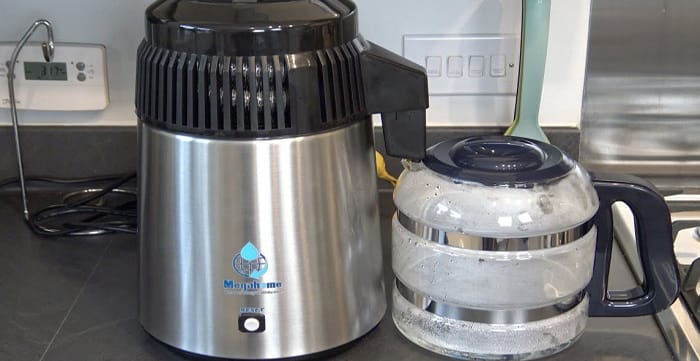

What Is Distilled Water?
Distilled water is water that has been boiled into vapor and then condensed back into liquid. This process removes impurities, such as minerals, bacteria, and chemicals. Most tap water contains dissolved solids like calcium, magnesium, and chlorine. Distillation separates these substances from the water, leaving you with almost pure H2O.
For many, distilled water is the gold standard for purity. It’s used in medical labs, car batteries, and sometimes for drinking. Unlike filtered water, which might leave some dissolved minerals, distillation removes nearly everything except the water itself.
Why Distill Your Own Water?
You might wonder why someone would bother distilling water at home. Here are the main reasons:
- Health: Some people want to avoid chlorine, fluoride, or heavy metals in tap water.
- Emergency Preparedness: In disasters, local water supplies can be unsafe. Distilling helps ensure you have clean water.
- Special Uses: Distilled water is needed for humidifiers, irons, and some medical devices to prevent mineral buildup.
- Cost Saving: Buying distilled water can be expensive. Making your own is cheaper over time.
- Peace of Mind: You know exactly what’s in your water.
Distilling water is not just about removing dirt. It’s about having control over your water quality, especially if you live in areas with questionable tap water.
The Science Behind Distillation
Distillation relies on two simple steps: evaporation and condensation. When you heat water, it turns into steam. Steam rises, leaving behind minerals and contaminants that can’t evaporate. Then, as steam cools, it turns back into liquid—this is your distilled water.
Some important facts:
- Boiling Point: Water boils at 212°F (100°C) at sea level. Most impurities do not evaporate at this temperature.
- Volatile Contaminants: Some chemicals (like pesticides) can evaporate with water. Advanced distillers use carbon filters to catch these.
- Efficiency: Home distillation removes most bacteria and minerals, but not all chemicals.
Understanding this process helps you make safer water and avoid common mistakes.
Methods For Distilling Water At Home
You don’t need fancy equipment to distill water. Several methods work, from DIY setups to commercial machines. Below are the most common ways:
1. Using A Stove And Pots
This is the simplest method and needs items you likely have.
Materials:
- Large pot with lid
- Smaller heat-proof bowl
- Ice cubes
Steps:
- Fill the pot halfway with tap water.
- Place the bowl in the center so it floats (or rests on a stand).
- Invert the pot’s lid, so the handle faces down.
- Put ice cubes on top of the lid.
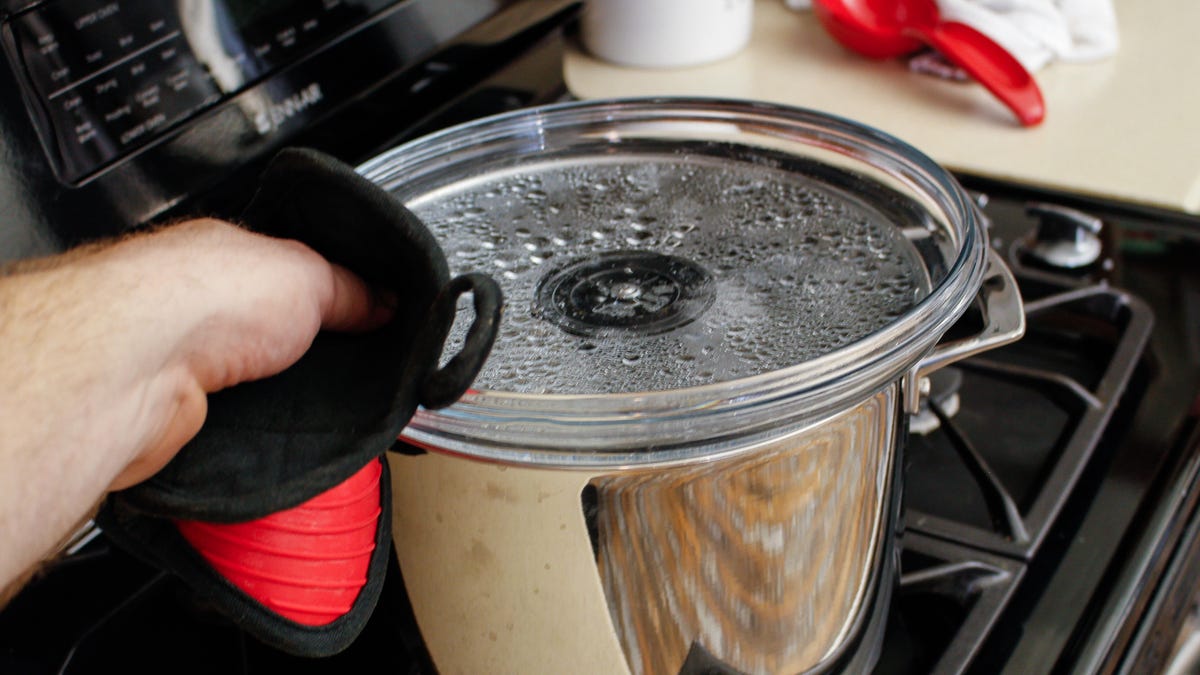
- Heat the water to a gentle boil. Steam rises, hits the cold lid, and condenses, dripping into the bowl.
- Continue until you collect enough water.
Tip: Keep an eye on water levels. Never let the pot boil dry.
2. Homemade Solar Still
A solar still uses sunlight, which is perfect if you don’t have power.
Materials:
- Clear plastic sheet
- Shallow container (e.g., baking dish)
- Small cup or bowl
- Rocks
Steps:
- Place the shallow container outside, fill it with water.
- Put the cup in the center.
- Cover the container with the plastic sheet.
- Place rocks on the sheet above the cup, making a dip.
- Sun heats the water, which evaporates. Condensation forms on the sheet and drips into the cup.
Tip: This method is slow. Expect only a few ounces per day.
3. Electric Water Distiller
Electric distillers make the process easy and produce more water.
How It Works:
- Fill the machine with water.
- Set it to start. It boils water, collects steam, and condenses it into a carafe.
- Many have carbon filters for extra safety.
Pros: Reliable, fast, and safe.
Cons: Costly upfront, uses electricity.
4. Pressure Cooker Distillation
A pressure cooker can speed up the process.
Steps:
- Fill the cooker with water.
- Attach a copper tube to the steam vent.
- Place the other end of the tube in a collecting jar.
- Heat the cooker. Steam travels through the tube, cools, and turns into distilled water.
Tip: Make sure all connections are tight to avoid leaks.
Comparison Of Home Distillation Methods
Here’s a quick look at how the main methods compare:
| Method | Ease of Use | Water Output (per day) | Cost |
|---|---|---|---|
| Stove & Pots | Easy | 1-2 gallons | Low |
| Solar Still | Moderate | 0.1-0.5 gallons | Very Low |
| Electric Distiller | Very Easy | 3-6 gallons | High |
| Pressure Cooker | Moderate | 2-4 gallons | Medium |
Step-by-step Guide: Distilling Water On Your Stove
Let’s focus on the most accessible method: stove and pots. Here’s a detailed walkthrough.
Materials Needed
- Large pot (at least 5 quarts)
- Lid (must fit the pot)
- Small heat-proof bowl (glass or stainless steel)
- Ice cubes
- Stove or other heat source
Instructions
1. Prepare The Pot
Fill the pot halfway with your tap water. Avoid overfilling; boiling water can splash.
2. Place The Bowl
Set the small bowl in the center. It should float or sit firmly (use a rack if needed).
3. Invert The Lid
Put the lid upside down on the pot. This shape directs condensation to the bowl.
4. Add Ice
Cover the lid with ice cubes. This creates a cool surface, which helps steam condense.
5. Heat The Water
Turn the stove to medium-high. When water boils, steam rises and collects on the lid.
6. Collect Distilled Water
Drops will fall into the bowl. Check every 30–60 minutes. Refill ice if needed.
7. Finish Up
When enough water is collected, turn off the heat. Let everything cool before removing the bowl.
Practical Tips
- Clean all equipment before starting.
- Use caution: Steam and boiling water can cause burns.
- If water tastes flat, add a pinch of salt or minerals before drinking.
Common Mistakes And How To Avoid Them
Distilling water is easy, but beginners often make mistakes that reduce quality or safety.
1. Using Dirty Equipment
Always clean pots, bowls, and lids before starting. Residues can contaminate your distilled water.
2. Letting The Pot Boil Dry
Watch your water level. Boiling dry can damage your pot and reduce output.
3. Not Sealing The Lid Properly
If steam escapes from the sides, less water is collected. Make sure the lid fits tightly.
4. Ignoring Volatile Chemicals
Some chemicals evaporate with water. If you suspect pesticide or solvent contamination, use a carbon filter after distilling.
5. Collecting Water Too Soon
Wait until steam starts condensing well. Early drops may contain more impurities.
6. Not Adding Minerals For Drinking
Distilled water is pure but can taste bland. For daily drinking, add minerals for better flavor.
7. Leaving Distilled Water Uncovered
Store distilled water in a clean, sealed container. Open containers can pick up dust or airborne contaminants.
How Much Water Can You Distill Per Day?
Home distillation is not fast. Here’s what you can expect:
- Stove Method: 1–2 gallons per day, depending on pot size.
- Solar Still: 0.1–0.5 gallons (1–2 liters) per day.
- Electric Distiller: 3–6 gallons per day.
- Pressure Cooker: 2–4 gallons per day.
For drinking and cooking, most families need 1–2 gallons daily. If you need more, consider an electric distiller or larger setup.
Safety Considerations
Distilling water is generally safe, but follow these tips:
- Keep children away from hot surfaces and boiling water.
- Don’t use aluminum pots for distillation—choose stainless steel or glass.
- If you use tap water, check your local water report for volatile contaminants.
- Never distill water from unknown sources (puddles, rivers) unless you filter it first.

Credit: www.cnet.com
Storing Distilled Water
Proper storage keeps your distilled water clean and fresh.
- Use food-grade containers, preferably glass or BPA-free plastic.
- Seal containers tightly.
- Store in a cool, dark place.
- Label containers with the date. Distilled water lasts for months if stored well.
Tip: Don’t store distilled water in metal containers. It can leach metals over time.
Distilled Water Vs. Other Types
There are several types of purified water. Here’s how distilled compares:
| Type | Process | Common Uses | Mineral Content |
|---|---|---|---|
| Distilled | Boiling & Condensation | Drinking, medical, appliances | None |
| Filtered | Activated carbon or reverse osmosis | Drinking, cooking | Low |
| Spring | Natural sources | Drinking | Medium |
| Mineral | Bottled with added minerals | Drinking | High |
Distilled water is the purest but lacks minerals, which can affect taste. Filtered water keeps some minerals and is often preferred for daily use.
Practical Uses For Distilled Water
Distilled water isn’t just for drinking. Here are some practical uses:
- Laboratories: Used in experiments needing pure H2O.
- Medical Devices: CPAP machines and humidifiers need distilled water to prevent scale.
- Ironing: Prevents mineral buildup in steam irons.
- Car Batteries: Distilled water prevents corrosion and extends battery life.
- Aquariums: Used for sensitive fish or plants.
- Cooking: For recipes needing pure water.
Insight: Many appliances last longer when you use distilled water. For example, using distilled water in humidifiers prevents white dust buildup, which is caused by minerals in tap water.

Environmental Benefits
Distilling water at home reduces plastic waste. Store-bought distilled water often comes in single-use bottles. By making your own, you save money and help the environment.
Data point: The average American uses 167 plastic water bottles per year. Home distillation cuts this number dramatically.
Adding Minerals To Distilled Water
If you want to drink distilled water daily, consider remineralizing it. Pure water can taste flat and may lack essential electrolytes. Here’s how to add minerals:
- Use mineral drops (available at health stores)
- Add a pinch of Himalayan salt
- Mix with a small amount of spring or filtered water
Tip: Don’t overdo it. Too much salt or minerals can defeat the purpose of distilling.
Advanced Distillation Tips
Once you’re comfortable, try these advanced strategies:
1. Double Distillation
Run distilled water through the process again for extra purity.
2. Carbon Filtration
Use a carbon filter after distillation to catch volatile chemicals.
3. Automated Systems
Set up timers or sensors for larger setups. This saves time and boosts safety.
Non-obvious insight: Even with double distillation, some chemicals (like methanol) can slip through. Always research your local water quality and use additional filters if needed.
Cost Analysis: Diy Vs. Buying Distilled Water
Is it cheaper to distill your own water? Let’s compare.
| Source | Cost per Gallon | Annual Cost (100 gallons) |
|---|---|---|
| Store-Bought | $1.20 | $120 |
| DIY (Stove) | $0.30 (energy only) | $30 |
| DIY (Electric Distiller) | $0.40 | $40 |
Insight: DIY distillation saves money after the first few months, especially if you use distilled water often.
Troubleshooting: If Your Distilled Water Tastes Odd
Sometimes, distilled water tastes strange. Here’s why and what to do:
- Flat Taste: Pure water can lack flavor. Add minerals as suggested earlier.
- Metallic Taste: This usually means water was stored in a metal container. Switch to glass or plastic.
- Plastic Taste: If water tastes like plastic, your container might not be food-grade. Change to a certified container.
Legal And Regulatory Notes
In most places, it’s legal to distill water for personal use. However, some states restrict distillation equipment because it can be used for alcohol. Check local regulations before buying large distillers.
When Distilled Water Is Not Recommended
While distilled water is safe, it’s not always the best option:
- Infants: Babies need minerals for growth. Use mineral water or formula with added minerals.
- Long-Term Drinking: Some experts suggest alternating with mineral-rich water for health.
For special uses (medical, appliances), distilled water is ideal. For daily drinking, balance with other water types.
Frequently Asked Questions
What’s The Difference Between Distilled And Filtered Water?
Distilled water is boiled, and steam is collected, leaving nearly all impurities behind. Filtered water passes through filters that remove some contaminants but might leave minerals. Distillation is more thorough, but filtration is faster and keeps some minerals.
Is It Safe To Drink Distilled Water Every Day?
Yes, distilled water is safe. However, it lacks minerals, so it may taste flat and might not provide all electrolytes your body needs. For daily drinking, add minerals or alternate with other water sources.
Can I Distill Water From Any Source?
You can distill water from almost any source, but it’s best to start with relatively clean water. Distillation removes most impurities, but not all chemicals. Don’t use water from polluted streams or industrial areas without extra filtration.
How Long Does Homemade Distilled Water Last?
If stored in a clean, sealed container, distilled water can last for several months. Keep it away from sunlight and heat, and always use food-grade containers.
Can I Use Distilled Water For Cooking?
Yes, distilled water is excellent for cooking, especially for baking and boiling. It prevents mineral buildup in pots and keeps flavors pure. Some recipes may benefit from the minerals in tap water, so experiment to find what you prefer.
Distilling your own water is a practical skill that gives you control over your water quality and can save money in the long run. With simple tools and clear instructions, almost anyone can start making distilled water at home. Whether you need it for drinking, appliances, or emergencies, you’ll benefit from knowing exactly how to distill your own water. For deeper scientific background, visit Wikipedia.


Hey, My name is MAMON. I am a SEO content creator and affiliate marketer with over 8 years of experience. I create honest product reviews, in-depth buying guides, and practical how-to articles to help readers make informed decisions. My mission is to provide trustworthy, research-backed content that delivers real value.