


You don’t need a passport to taste the flavors of Georgia. Georgia, the country in the South Caucasus (not the Peach State), has one of the oldest food and wine cultures on earth. In New York, one of the easiest places to try it is Oda House, an authentic Georgian restaurant in Manhattan NY on the Upper East Side. This guide covers what to order, what to drink, and how to plan your visit. It also shows how to recreate a few dishes at home.
Key Takeaways
- Georgia has made wine for about 8,000 years. A 2017 study dated grape-wine residue on clay jars there to roughly 6000–5800 BC.
- Oda House sits at 406 E. 73rd St. on Manhattan’s Upper East Side, led by Georgian-born chef and co-founder Maia Acquaviva.
- Start with khachapuri (cheese bread) and khinkali (soup dumplings), then add a grilled meat or stew.
- Pair your meal with kvevri wine, made with a clay-vessel method UNESCO recognized in 2013.
Why the Flavors of Georgia Are Worth Seeking Out
Georgian food sits at a crossroads. The country lies between the Black Sea and the Caspian, along old Silk Road trade routes. Over centuries, its cooks absorbed ideas from Persia, Turkey, Europe, and the rest of the Caucasus. The result is a cuisine that feels familiar and new at the same time.
A few ingredients show up again and again. Walnuts are ground into rich pastes for vegetables and sauces. Pomegranate seeds add color and tartness. Fresh herbs like cilantro, tarragon, dill, and parsley are used by the handful, not the pinch. Tangy cheeses such as sulguni and imeruli go into breads and pastries. Spice blends like khmeli suneli bring warmth without heavy heat.
Wine is part of the story, too. In 2017, a team led by Patrick McGovern of the University of Pennsylvania Museum reported chemical evidence of grape wine on Neolithic pottery. The jars came from two sites about 30 miles south of Tbilisi. The residue dated to roughly 6000–5800 BC. That pushed the earliest known winemaking back by 600 to 1,000 years. Georgia is also home to more than 500 grape varieties used for wine.
Oda House: A Georgian Restaurant on the Upper East Side
Oda House first opened on Avenue B in the East Village in May 2013. That original location closed in 2020. The Manhattan restaurant now operates at 406 E. 73rd St., between First and York Avenues.
The kitchen is led by co-founder and executive chef Maia Acquaviva. She was born and raised in Georgia and trained as a plastic surgeon before moving to the U.S. in 2007. In New York, she returned to cooking the family recipes she grew up with. The official NYC Tourism + Conventions listing describes her as a Michelin-recognized chef. It also lists the restaurant as woman-owned, with vegetarian options.
Diners seem to agree on the food. On OpenTable, Oda House holds an average of about 4.5 to 4.6 stars from roughly 400 reviews. Diners rate the food highest, around 4.6. The site lists the price range as $30 and under per person.

Georgian Dishes to Order on Your First Visit
If you’re new to Georgian food, the menu can look unfamiliar. These dishes make a strong first order. Most Georgian meals are shared, so order a few plates for the table.
Khachapuri: Georgia’s Famous Cheese Bread
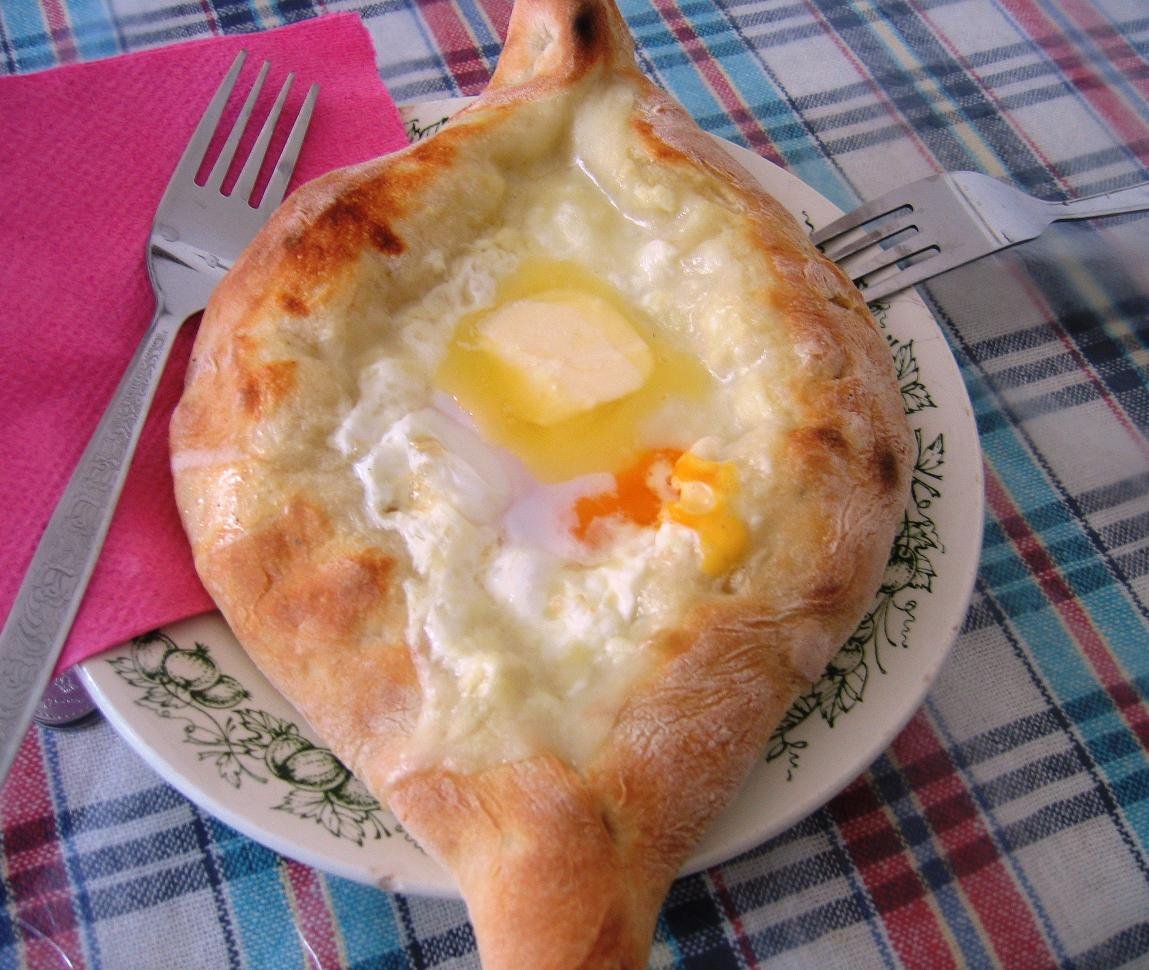
Khachapuri is Georgia’s national dish. The name combines the Georgian words for cheese and bread. In January 2019, Georgia’s National Agency for Cultural Heritage Preservation added the khachapuri tradition to its list of intangible cultural heritage. The country even celebrates National Khachapuri Day every February 27.
The version most Americans picture is adjaruli khachapuri. It’s a boat-shaped bread filled with melted cheese, topped with butter and an egg yolk. You stir the yolk and butter into the cheese, then tear off the crust and dip it. Round imeruli khachapuri, stuffed with cheese, is simpler and great for sharing.

Khinkali: Soup Dumplings You Eat by Hand
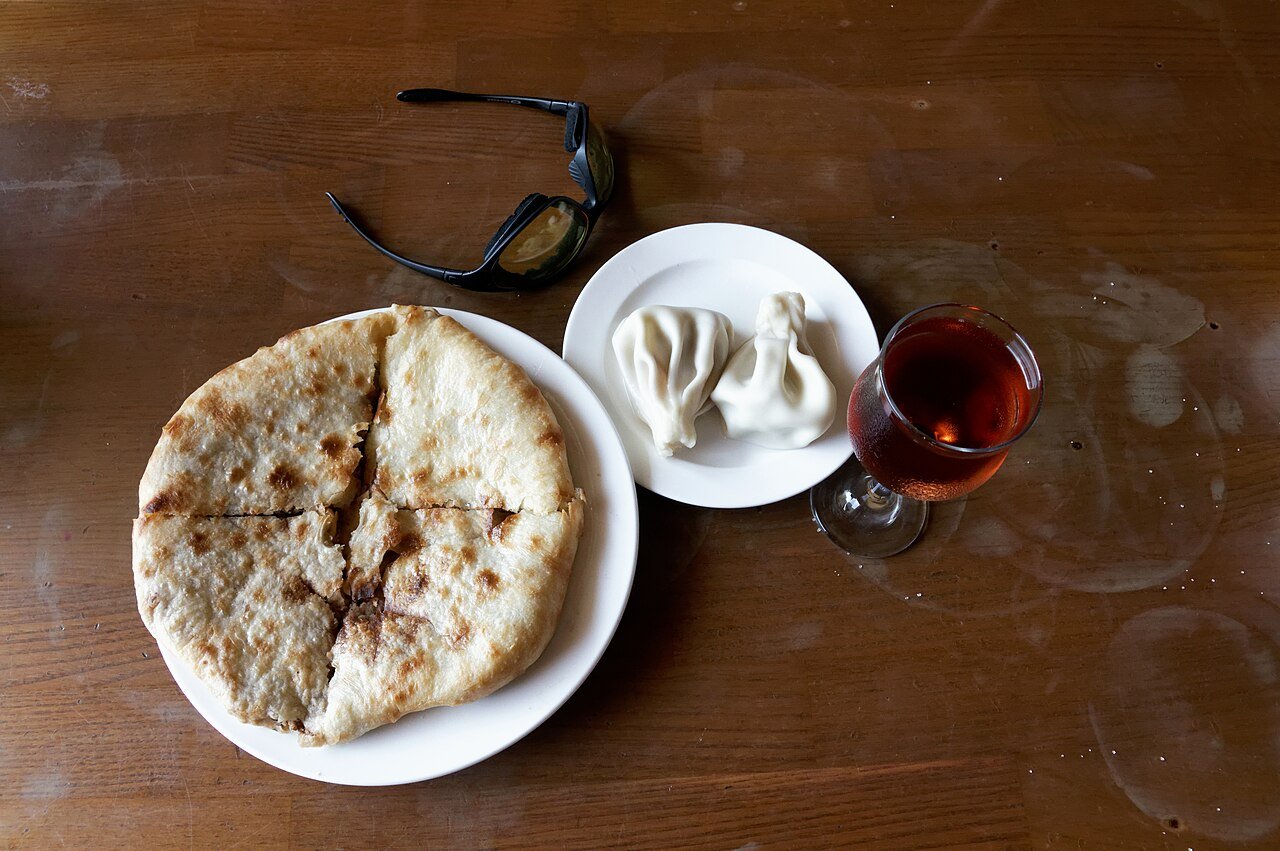
Khinkali are large twisted dumplings filled with spiced meat and a pocket of hot broth. They come from Georgia’s mountain regions. Oda House has offered beef and pork, lamb, and a vegetarian version with cheese, mushrooms, and potatoes.
There’s a right way to eat them. Hold the dumpling by its knot and take a small bite from the side. Sip the broth first, then eat the rest. Leave the doughy knot on your plate. Georgians often finish khinkali with a crack of black pepper.

Mtsvadi and Chakapuli: Grilled Meat and Herb Stew
Mtsvadi is Georgia’s answer to the American barbecue skewer. Chunks of marinated pork, lamb, or beef are grilled over a hot fire and served with raw onion and a sour plum sauce called tkemali. It’s simple, smoky, and a good pick for less adventurous eaters.
Chakapuli is a bright spring stew. Lamb or veal is braised with tarragon, green herbs, onions, and white wine. Sour plums often add extra tang. It tastes nothing like a heavy American beef stew. Expect something fresh, herbal, and sharp.
Pkhali and Lobio: Easy Vegetarian Picks
Georgian cooking is friendly to vegetarians. Pkhali are small rounds of minced vegetables, often spinach or beets, blended with walnut paste and herbs. Lobio is a slow-cooked bean stew seasoned with herbs and spices. Pair either one with fresh bread and a salad, and you have a full meal.
| Dish | What It Is | Best For |
|---|---|---|
| Adjaruli khachapuri | Boat-shaped bread with cheese, butter, and egg yolk | Sharing at the start of the meal |
| Khinkali | Twisted dumplings with meat and broth | First-timers who like dumplings |
| Mtsvadi | Marinated meat grilled on skewers | Barbecue fans |
| Chakapuli | Lamb or veal stewed with tarragon and wine | Diners who like herbs and tang |
| Pkhali | Vegetables blended with walnut paste | Vegetarians |
| Lobio | Seasoned bean stew | A hearty meat-free main |
Kvevri Wine and Chacha: Drinking the Flavors of Georgia
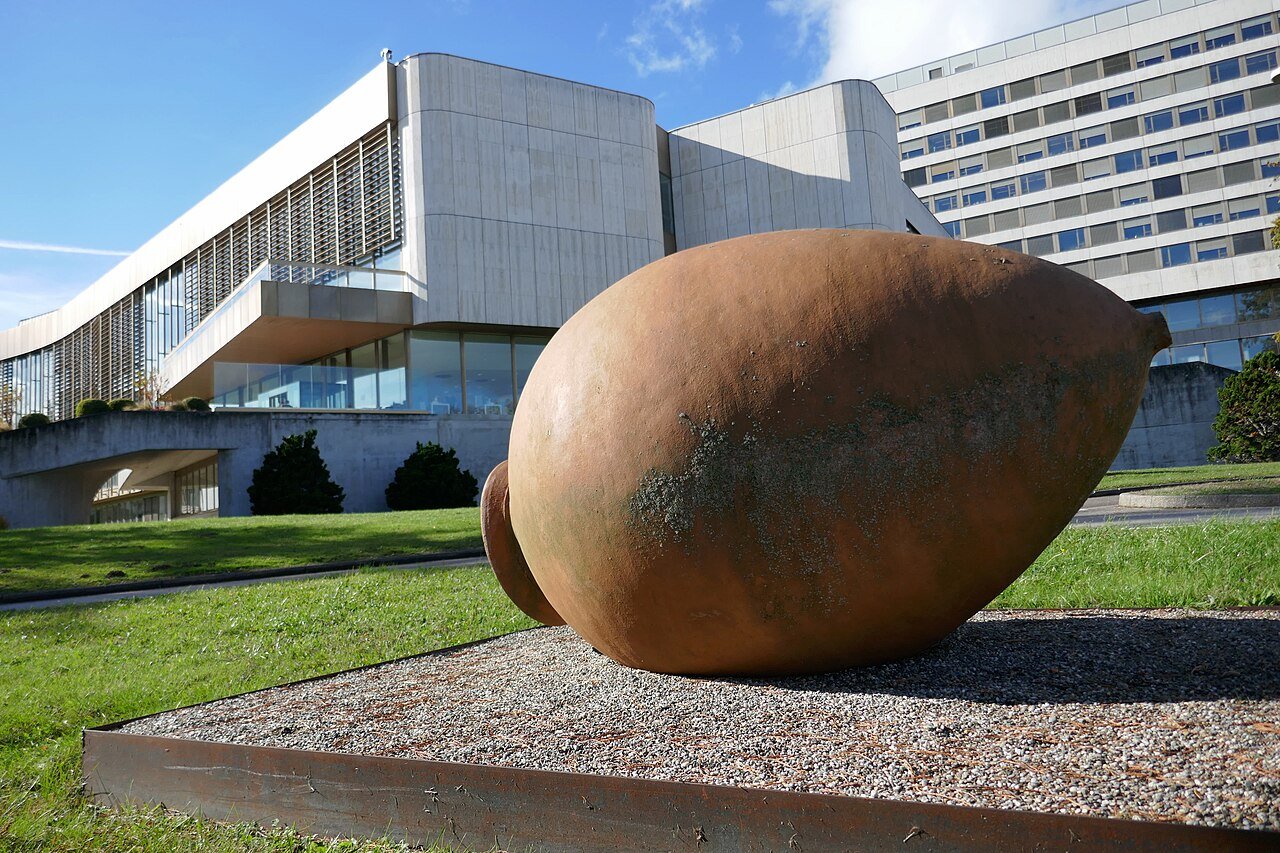
Georgian wine is not a side note. Oda House highlights natural Georgian wines, including kvevri wines. A kvevri (also spelled qvevri) is a large, egg-shaped clay vessel lined with beeswax and buried in the ground. Grapes ferment and age inside it, often with their skins.
In December 2013, UNESCO added the traditional Georgian qvevri winemaking method to its list of the Intangible Cultural Heritage of Humanity. White grapes made this way often turn amber or orange, with more texture and tannin than a typical white wine. If you like natural or orange wines, this is a must-try.

Not sure what to pick? Ask your server. Saperavi is Georgia’s best-known red grape and makes deep, dark wines. Rkatsiteli is a common white grape that shines in amber styles. The staff can also point you to the restaurant’s classic and house cocktails.
Then there’s chacha. This clear spirit is distilled from grape pomace, the skins and seeds left after winemaking. It’s close to Italian grappa and is usually quite strong. At a traditional Georgian feast, called a supra, a toastmaster known as the tamada leads the table through round after round of toasts. Sip chacha slowly, and save it for the end of the meal.
Ambience, Service, and What to Expect

Stepping into Oda House feels a bit like visiting a cozy home in Tbilisi. The room uses warm lighting, cushioned bench seating, and traditional Georgian decor. Tables are set for sharing, which suits the way Georgians eat.
Family is central to Georgian culture, and the restaurant leans into that. It works well for a date night, a birthday dinner, or a group of friends. Some diners have mentioned that the room gets loud on busy nights. If you want a quieter meal, book an early weekday table.
Tips for U.S. Diners Planning a Visit
- Book ahead: Reservations are available through OpenTable, and weekend evenings fill up.
- Check hours first: The restaurant opens in the late afternoon on weekdays and earlier on weekends. Hours change, so confirm on the restaurant’s site.
- Getting there: The 72nd Street station on the Q line at Second Avenue is the closest subway stop, a short walk away.
- Order family-style: Plan on one khachapuri for every two or three people, plus a dumpling order and one main per person.
- Watch for Restaurant Week: Oda House has taken part in NYC Restaurant Week, which can be a budget-friendly way to try several dishes.
- Ask about dietary needs: Vegetarian dishes are easy to find, and staff can help with other restrictions.
How to Bring the Flavors of Georgia Into Your Own Kitchen
Loved your meal? Many Georgian dishes are easy to try at home with standard kitchen tools.
- Khachapuri: The dough is a soft yeast dough. A stand mixer makes it easier; see our guide on how long to knead dough in a stand mixer. If you bake it in a skillet, first check whether your pan is oven safe.
- Khinkali: Freshly ground meat gives the juiciest filling. Our walkthrough on using a manual meat grinder covers the basics.
- Chakapuli and lobio: Slow stews do well in a heavy pot. Learn how to care for enamel-coated cast iron so yours lasts for years.
- Mtsvadi: A hot grill is all you need for the skewers. Shopping for one? Compare our picks for the best gas grills under $1,000.
Cooking at home is also the cheapest way to explore the flavors of Georgia beyond one restaurant meal. Start with one dish, like lobio or pkhali, since both use pantry staples and need no special equipment.
Look for sulguni cheese, khmeli suneli, and tkemali sauce at Eastern European grocery stores or online. In a pinch, a mix of low-moisture mozzarella and feta works well in khachapuri.
Frequently Asked Questions
Where is Oda House in Manhattan?
Oda House is at 406 E. 73rd St., New York, NY 10021, between First and York Avenues on the Upper East Side.
What is the most popular Georgian dish?
Khachapuri, the cheese-filled bread, is Georgia’s national dish. Khinkali dumplings are a close second for most first-time visitors.
Is Georgian food spicy?
Most Georgian food is aromatic rather than hot. It relies on herbs, walnuts, garlic, and spice blends. Some sauces, like adjika, do bring real heat.
Do I need a reservation at Oda House?
It’s a good idea, especially on Friday and Saturday nights. You can book through OpenTable. Walk-ins may work on quieter weekday evenings, but larger groups should always call ahead.
What does kvevri wine taste like?
White kvevri wines often taste fuller and more textured than standard whites, with notes of dried fruit and tea. Reds made from Saperavi tend to be deep and bold.
Conclusion
The flavors of Georgia come from 8,000 years of winemaking, a love of shared meals, and a pantry full of walnuts, herbs, and cheese. Oda House brings that tradition to the Upper East Side, with a Georgian-born chef and a menu built around family recipes. Start with khachapuri and khinkali, add a grilled or stewed main, and ask for a glass of kvevri wine. Then, if you’re hooked, try a dish or two at home. Book your table and experience the flavors of Georgia for yourself.


Hey, My name is MAMON. I am a SEO content creator and affiliate marketer with over 8 years of experience. I create honest product reviews, in-depth buying guides, and practical how-to articles to help readers make informed decisions. My mission is to provide trustworthy, research-backed content that delivers real value.